- Pagina iniziale

- Musei
- Archivio civico

Sommario
Dettagli rapidi
- Location: Milano, Italia
- Works on APS: 2
- Alternate names:
- Archivio civico
- Civic Archive
- Archivio Civico
- Archivio Civico Milano
- AC
- Featured artists: johann bernhard fischer von erlach
Quiz d'arte
Per ogni domanda è presente una sola risposta corretta.
Domanda 1:
Qual è la principale ragione per cui l'Archivio Civico di Milano è famoso?
Domanda 2:
Il museo conserva manoscritti appartenenti a chi?
Domanda 3:
Dove si trova l'Archivio Civico?
Domanda 4:
Cosa rende unico l'Archivio Civico rispetto ad altri musei?
Domanda 5:
Il Codex Trivulzianus LXXVI è influenzato dall'arte di quale paese?
Artisti in collezione

Johann Bernhard Fischer Von Erlach
Johann Bernhard Fischer von Erlach (1656-1723) è stato un fondamentale architetto e scultore barocco austriaco. Noto per la Schönbrunn Palace, la Karlskirche e il suo libro 'A Plan of Civil and Historical Architecture'.

Articoli correlati
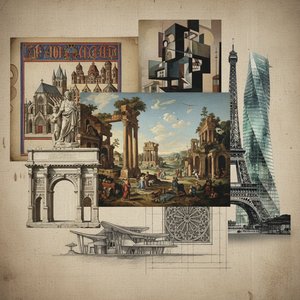
The Enduring Legacy of Architecture in Art: A Historical Survey of Representation & Meaning
Explore the rich history of architecture in art, from Renaissance theory to 19th-century reconstructions. Discover key artists & movements shaping visual representation – a guide for discerning collectors.

The Flourishing of Humanism: A Comprehensive Exploration of the Italian Renaissance Art Movement
Explore the Italian Renaissance! Discover humanist ideals, iconic masterpieces by Leonardo, Michelangelo & Raphael, and lasting artistic innovations. A comprehensive guide for art enthusiasts.
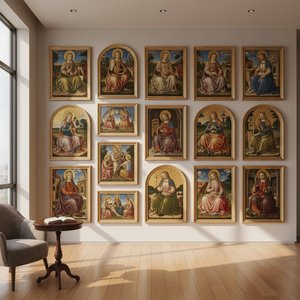
Fra Angelico: I 25 Capolavori dell'Arte Rinascimentale per la Tua Casa | OriginalUniqueArt
Esplora i 25 capolavori di Fra Angelico, il pittore rinascimentale dell'Annunciazione e della pittura sacra. Scopri la storia, le tecniche e l'arte religiosa che rendono uniche queste opere. Riproduzioni artistiche su OriginalUniqueArt.com!
Catalogo delle opere d'arte
Nessuna opera trovata.


Iscriviti alla nostra newsletter
Rimani aggiornato sulle ultime novità dell'arte, sulle offerte esclusive e sulle idee di decorazione.
Ricevi 3 suggerimenti d'arte gratuiti
Raccontaci del tuo progetto e i nostri esperti d'arte ti proporranno 3 suggerimenti artistici personalizzati.
Not Sure Where to Start?
Let Us Curate 3 Options Just for You - Free!