A Window Into Bologna’s Medieval Soul: Exploring the State Archives
The State Archives of Bologna aren't merely a repository for documents; it’s an experience—a journey back to the heart of medieval Italy. Situated in the historic center of Bologna, this institution stands as a testament to centuries of scholarly pursuit and artistic legacy, offering visitors a singular opportunity to connect with the formative years of European civilization. Its unassuming exterior belies the extraordinary treasures housed within its walls: illuminated manuscripts that whisper tales of faith and artistry, genealogical records charting familial lineages across generations, and an unparalleled collection documenting the political and social landscape of Bologna during its golden age.
Collection Highlights:
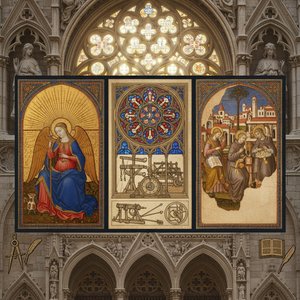
The Archives’ core strength lies in its remarkable assemblage of medieval documents—legal charters, ecclesiastical decrees, and administrative records—providing invaluable insight into the governance and daily life of Bolognese society. However, it is arguably more celebrated for its exceptional manuscript collection, spearheaded by the Liber Paradisus. This illuminated masterpiece, dating back to the XIII century, exemplifies the artistic fervor of its time. Created by Benedictine monks, it showcases intricate geometric patterns interwoven with vibrant pigments—azure blues and golds—reflecting the theological symbolism prevalent in medieval art. Each page is a meticulously crafted masterpiece, demonstrating unparalleled skill in illumination technique and embodying the spiritual aspirations of the era. Researchers studying Bolognese legal history will find invaluable primary source material within these documents, while historians interested in monastic influence on urban culture can delve into detailed records concerning the Benedictine monasteries that shaped Bologna’s intellectual landscape.
Architectural Context:
The building itself reflects Bologna’s evolving architectural history. Originally constructed during the XIII century as a monastic complex—the former Convent of Celestini—it underwent significant renovations throughout subsequent centuries—particularly during the Renaissance—resulting in a harmonious blend of Romanesque and Gothic styles. Careful observation reveals arched windows, ribbed vaults, and decorative sculptures that speak to the enduring influence of past eras. The building’s central courtyard, adorned with frescoes depicting biblical scenes, serves as a poignant reminder of Bologna's spiritual heritage. Its sturdy walls and soaring ceilings convey a sense of permanence—a tangible connection to the generations who have safeguarded its collections and pursued knowledge within its halls.
Notable Exhibitions:
Recent exhibitions have explored topics such as “Bologna Medieval: Art and Society,” showcasing reproductions of iconic artworks alongside detailed historical reconstructions. Visitors can admire stunning depictions of Bolognese civic life, capturing the vibrancy of medieval marketplaces and the grandeur of monastic processions. Another captivating display examined "The Legacy of Benedictine Monasteries," illuminating the profound impact of monastic life on Bolognese intellectual and artistic traditions—from manuscript illumination to musical composition—demonstrating how these institutions fostered a flourishing cultural environment. These presentations have garnered critical acclaim for their scholarly rigor and visual appeal, attracting visitors from across Europe and bolstering Bologna’s reputation as a center for artistic research.
What Makes It Unique:
What distinguishes the State Archives from other museums is its unwavering commitment to preserving and disseminating knowledge—a mission that extends far beyond mere conservation. The institution's dedicated team of archivists employs cutting-edge techniques to safeguard fragile manuscripts and documents, ensuring their accessibility to future generations. Furthermore, the Scuola Statale di Archivistica, Paleografia e Diplomatica—established in 1890—provides invaluable training for aspiring scholars eager to contribute to the ongoing study of Bolognese history and culture. The Archives’ location within the historic Celestini Convent adds another layer of significance—a space where tradition meets innovation—creating an environment conducive to intellectual curiosity and fostering a deep appreciation for Bologna's rich cultural heritage. Visiting this institution isn't simply observing history; it’s actively participating in its unfolding narrative.