Ritratto di George Edgar Ohr (Il Poterino Pazzo di Biloxi)

I 56 dipinti più famosi di George Edgar Ohr (Il Poterino Pazzo di Biloxi), ognuno unico nel suo genere

Aggiornato Novembre 2026 · classificato in base al nostro punteggio di popolarità (ricerche, visite e ordini per ogni opera) · 56 opere di George Edgar Ohr (Il Poterino Pazzo di Biloxi) nel nostro catalogo

In breve

Vase with Handles è il dipinto di George Edgar Ohr (Il Poterino Pazzo di Biloxi) che attira più sguardi; l'originale è conservato presso il Museo Ohr–O’Keefe, Biloxi. Successivamente, lo sguardo si sposta su Assortment of Burned Babies e Puzzle Mug. Tra i 56 opere di George Edgar Ohr (Il Poterino Pazzo di Biloxi) nel nostro catalogo, queste 56 sono le più famose, ognuna un originale unico presentato con il suo anno, il suo museo e il motivo per cui è eterna.

1857 – 1918, Biloxi Espressionismo astratto Più opere: Museo Ohr–O’Keefe

Le 10 migliori opere di George Edgar Ohr (Il Poterino Pazzo di Biloxi), attraverso lo sguardo della galleria

1
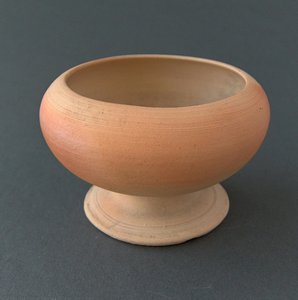
Vase with Handles di George Edgar Ohr (Il Poterino Pazzo di Biloxi)

Vase with Handles

Ceramic · Museo Ohr–O’Keefe, Biloxi

The "Vase with Handles" emerges as a singular presence, a vessel that carries the unmistakable imprint of its creator, George Edgar Ohr. This ceramic work exists as a physical manifestation of a vision that refused to conform to the quiet expectations of traditional pottery. Every curve and texture tells the story of a maker who lived on the edge of the known, shaping clay into something that feels immediate, as…

2
Assortment of Burned Babies di George Edgar Ohr (Il Poterino Pazzo di Biloxi)

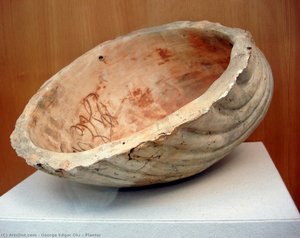
Assortment of Burned Babies

Photography · Museo Ohr–O’Keefe, Biloxi

The Assortment of Burned Babies by George Edgar Ohr consists of ceramic vessels that bear the marks of fire. George Edgar Ohr was born on July 12, 1857, in Biloxi, United States of America, and he passed away on April 7, 1918. He was known by the moniker "the Mad Potter of Biloxi." This specific collection of objects includes pieces that survived a fire that destroyed his workshop in 1894.…

3
Puzzle Mug di George Edgar Ohr (Il Poterino Pazzo di Biloxi)

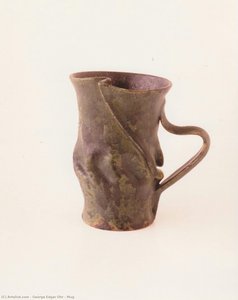
Puzzle Mug

Ceramic · Museo Ohr–O’Keefe, Biloxi

The Puzzle Mug is a ceramic work by the American artist George Edgar Ohr. Born in 1857, Ohr lived a life shaped by the coastal air of Biloxi, Mississippi, where he eventually passed away in 1918. This specific vessel carries the mark of a man who saw clay as something living, something that could be twisted and pulled into new, singular shapes.

4
Cremiere di George Edgar Ohr (Il Poterino Pazzo di Biloxi)

Cremiere

Acrilico su tela · Museo Ohr–O’Keefe, Biloxi

Una danza di fuoco e argilla: svelando il “Cremiere” di George Edgar Ohr George Edgar Ohr, affettuosamente soprannominato il "Poterino Pazzo di Biloxi", non era un semplice ceramista; era un rivoluzionario, un provocatore che ha infranto le nozioni convenzionali di forma e funzione nel mondo dell'arte. La sua opera, in particolare pezzi come il “Cremiere”, incarna questo spirito: una vibrante esplosione di texture, colore e sperimentazione senza compromessi che ha…

5
Vaso a Strati di George Edgar Ohr (Il Poterino Pazzo di Biloxi)

Vaso a Strati

Acrilico · Museo Ohr–O’Keefe, Biloxi

La “Tiered Vase” di George Edgar Ohr, un’opera che sembra sfidare le leggi della gravità e delle convenzioni artistiche, rappresenta l’apice dell’innovazione radicale del “Mad Potter of Biloxi”. Nata nel cuore del Mississippi, tra il 1857 e il 1918, questa composizione ceramica non è semplicemente un vaso; è una dichiarazione di intenti, un grido di libertà espressiva che anticipa l’avanguardia artistica del XX secolo. Ohr, lontano dalle rigide tradizioni della…

6
Caraffa di George Edgar Ohr (Il Poterino Pazzo di Biloxi)

Caraffa

Acrilico su tela · Museo Ohr–O’Keefe, Biloxi

Un Omaggio alla Forma e al Colore: L'Opera "Pitcher" di George Edgar Ohr George Edgar Ohr, un nome che risuona con una visione singolare e una straordinaria libertà creativa nel panorama della ceramica americana, nacque il 12 luglio 1857 nella città costiera di Biloxi, Mississippi. I suoi genitori, immigrati tedeschi alla ricerca di nuove opportunità, gli trasmisero un forte spirito d'iniziativa e forse anche una scintilla dell’arte del Vecchio Mondo.…

7
Brocca di George Edgar Ohr (Il Poterino Pazzo di Biloxi)

Brocca

Ceramica · Museo Ohr–O’Keefe, Biloxi

La Brocca di George Edgar Ohr emerge dalle ombre di uno sfondo scuro e neutro, esigendo un'attenzione immediata. Questo pezzo in ceramica, creato intorno al 1900, si presenta come una singolare natura morta. Si staglia al centro, con una presenza silenziosa ma imponente che cattura lo sguardo attraverso la sua superficie materica e irregolare. L'oggetto esiste in un momento di immobilità, la cui forma è definita dal modo in cui…

8
Crocevia di George Edgar Ohr (Il Poterino Pazzo di Biloxi)

Crocevia

Ceramica · Museo Ohr–O’Keefe, Biloxi

Nell'atmosfera silenziosa e velata di salsedine di Biloxi, nel Mississippi, una rivoluzione veniva silenziosamente plasmata da mani che rifiutavano di seguire le regole. George Edgar Ohr, universalmente noto come il "Mad Potter of Biloxi," non si limitava a creare vasi; egli infondeva la vita nell'argilla stessa. La sua Crocevia si erge come una profonda testimonianza di questa filosofia radicale, in cui la bellezza dell'opera non risiede nella precisione del bordo…

9
Ciotola di George Edgar Ohr (Il Poterino Pazzo di Biloxi)

Ciotola

Ceramica · Museo Ohr–O’Keefe, Biloxi

Nell'atmosfera silenziosa e velata di salsedine di Biloxi, nel Mississippi, una rivoluzione veniva silenziosamente plasmata da mani che rifiutavano di seguire le regole. George Edgar Ohr, universalmente noto come il "Poterino Matto di Biloxi," non si limitava a creare vasi; egli infondeva la vita nell'essenza stessa della terra. La sua Ciotola si erge come una profonda testimonianza di questa filosofia radicale, in cui la bellezza dell'opera non risiede nella precisione…

10
Vaso di George Edgar Ohr (Il Poterino Pazzo di Biloxi)

Vaso

Ceramica · Museo Ohr–O’Keefe, Biloxi

Il Vaso di George Edgar Ohr emerge dalle ombre della storia, una creazione singolare che porta l'impronta inconfondibile del suo creatore. Nato il 12 luglio 1857, nel paesaggio costiero di Biloxi, Mississippi, l'artista ha trascorso la sua vita a rimodellare la natura stessa dell'argilla. Era un uomo che ha abbracciato il titolo di "Il Pazzesco Vasaio di Biloxi", un nome che parla del suo spirito inquieto e non convenzionale. Questo…

I dipinti più famosi di George Edgar Ohr (Il Poterino Pazzo di Biloxi), dal numero 11 al 56

11Vase di George Edgar Ohr (Il Poterino Pazzo di Biloxi)VaseMuseo Ohr–O’Keefe 12Vase di George Edgar Ohr (Il Poterino Pazzo di Biloxi)VaseMuseo Ohr–O’Keefe 13Bank di George Edgar Ohr (Il Poterino Pazzo di Biloxi)BankMuseo Ohr–O’Keefe 14Vase di George Edgar Ohr (Il Poterino Pazzo di Biloxi)VaseMuseo Ohr–O’Keefe 15Face Vase di George Edgar Ohr (Il Poterino Pazzo di Biloxi)Face VaseMuseo Ohr–O’Keefe 16Mug di George Edgar Ohr (Il Poterino Pazzo di Biloxi)MugMuseo Ohr–O’Keefe 17Candle Holder di George Edgar Ohr (Il Poterino Pazzo di Biloxi)Candle HolderMuseo Ohr–O’Keefe 18Pitcher di George Edgar Ohr (Il Poterino Pazzo di Biloxi)PitcherMuseo Ohr–O’Keefe 19Monumental Urn di George Edgar Ohr (Il Poterino Pazzo di Biloxi)Monumental UrnMuseo Ohr–O’Keefe 20Vase di George Edgar Ohr (Il Poterino Pazzo di Biloxi)VaseMuseo Ohr–O’Keefe 21Vase di George Edgar Ohr (Il Poterino Pazzo di Biloxi)VaseMuseo Ohr–O’Keefe 22Vase di George Edgar Ohr (Il Poterino Pazzo di Biloxi)VaseMuseo Ohr–O’Keefe 23Vase di George Edgar Ohr (Il Poterino Pazzo di Biloxi)VaseMuseo Ohr–O’Keefe 24Two-handled Corseted Vase di George Edgar Ohr (Il Poterino Pazzo di Biloxi)Two-handled Corseted VaseMuseo Ohr–O’Keefe 25Corseted Vase di George Edgar Ohr (Il Poterino Pazzo di Biloxi)Corseted VaseMuseo Ohr–O’Keefe 26Vase with Double-looped Handles di George Edgar Ohr (Il Poterino Pazzo di Biloxi)Vase with Double-looped HandlesMuseo Ohr–O’Keefe 27Torso Vase di George Edgar Ohr (Il Poterino Pazzo di Biloxi)Torso VaseMuseo Ohr–O’Keefe 28Three-Handled Vase di George Edgar Ohr (Il Poterino Pazzo di Biloxi)Three-Handled Vase 29Vase with In-body Twist di George Edgar Ohr (Il Poterino Pazzo di Biloxi)Vase with In-body TwistMuseo Ohr–O’Keefe 30Biloxi Lighthouse Pot di George Edgar Ohr (Il Poterino Pazzo di Biloxi)Biloxi Lighthouse PotMuseo Ohr–O’Keefe 31Bulbous Bottom Vase di George Edgar Ohr (Il Poterino Pazzo di Biloxi)Bulbous Bottom VaseMuseo Ohr–O’Keefe 32Pedestal Vase di George Edgar Ohr (Il Poterino Pazzo di Biloxi)Pedestal VaseMuseo Ohr–O’Keefe 33Vase di George Edgar Ohr (Il Poterino Pazzo di Biloxi)VaseMuseo Ohr–O’Keefe 34Pitcher di George Edgar Ohr (Il Poterino Pazzo di Biloxi)PitcherMuseo Ohr–O’Keefe 35Creamer di George Edgar Ohr (Il Poterino Pazzo di Biloxi)CreamerMuseo Ohr–O’Keefe 36Vase di George Edgar Ohr (Il Poterino Pazzo di Biloxi)VaseMuseo Ohr–O’Keefe 37Miniature Pitcher di George Edgar Ohr (Il Poterino Pazzo di Biloxi)Miniature PitcherMuseo Ohr–O’Keefe 38Petticoat Vase di George Edgar Ohr (Il Poterino Pazzo di Biloxi)Petticoat VaseMuseo Ohr–O’Keefe 39Teapot di George Edgar Ohr (Il Poterino Pazzo di Biloxi)TeapotMuseo Ohr–O’Keefe 40Tyg di George Edgar Ohr (Il Poterino Pazzo di Biloxi)TygMuseo Ohr–O’Keefe 41Teapot di George Edgar Ohr (Il Poterino Pazzo di Biloxi)TeapotMuseo Ohr–O’Keefe 42Tuxedo Vase di George Edgar Ohr (Il Poterino Pazzo di Biloxi)Tuxedo VaseMuseo Ohr–O’Keefe 43Vase di George Edgar Ohr (Il Poterino Pazzo di Biloxi)VaseMuseo Ohr–O’Keefe 44Vase di George Edgar Ohr (Il Poterino Pazzo di Biloxi)VaseMuseo Ohr–O’Keefe 45Bowl di George Edgar Ohr (Il Poterino Pazzo di Biloxi)BowlMuseo Ohr–O’Keefe 46Inkwell di George Edgar Ohr (Il Poterino Pazzo di Biloxi)InkwellMuseo Ohr–O’Keefe 47Vase di George Edgar Ohr (Il Poterino Pazzo di Biloxi)VaseMuseo Ohr–O’Keefe 48Bowl di George Edgar Ohr (Il Poterino Pazzo di Biloxi)BowlMuseo Ohr–O’Keefe 49Vase di George Edgar Ohr (Il Poterino Pazzo di Biloxi)VaseMuseo Ohr–O’Keefe 50Planter di George Edgar Ohr (Il Poterino Pazzo di Biloxi)PlanterMuseo Ohr–O’Keefe 51Hat Vase di George Edgar Ohr (Il Poterino Pazzo di Biloxi)Hat VaseMuseo Ohr–O’Keefe 52Puzzle Mug di George Edgar Ohr (Il Poterino Pazzo di Biloxi)Puzzle MugMuseo Ohr–O’Keefe 53Bowl di George Edgar Ohr (Il Poterino Pazzo di Biloxi)BowlMuseo Ohr–O’Keefe 54Crema di George Edgar Ohr (Il Poterino Pazzo di Biloxi)CremaMuseo Ohr–O’Keefe 55Vase with In-body Twist di George Edgar Ohr (Il Poterino Pazzo di Biloxi)Vase with In-body TwistMuseo Ohr–O’Keefe 56Tazza di George Edgar Ohr (Il Poterino Pazzo di Biloxi)TazzaMuseo Ohr–O’Keefe

I soggetti che hanno catturato lo sguardo di George Edgar Ohr (Il Poterino Pazzo di Biloxi)

I quattro soggetti che ricorrono più spesso in questi originali, ognuno con il suo esempio più raffinato.

I musei che conservano gli originali di George Edgar Ohr (Il Poterino Pazzo di Biloxi)

Il museo che custodisce la maggior parte dei dipinti presenti in questa pagina.

Musei Città Opere di George Edgar Ohr (Il Poterino Pazzo di Biloxi) Dipinti di questo elenco
Museo Ohr–O’Keefe, BiloxiMuseo Ohr–O’Keefe Biloxi 55 Vase with Handles, Assortment of Burned Babies, Puzzle Mug

I dipinti di George Edgar Ohr (Il Poterino Pazzo di Biloxi): domande per la galleria

Qual è l'opera più famosa di George Edgar Ohr (Il Poterino Pazzo di Biloxi)?Scopri la risposta

Vase with Handles, Museo Ohr–O’Keefe, Biloxi. Seguono Assortment of Burned Babies e Puzzle Mug.

Quali sono i dieci dipinti più famosi di George Edgar Ohr (Il Poterino Pazzo di Biloxi)?Scopri la risposta

Vase with Handles, Assortment of Burned Babies, Puzzle Mug, Cremiere, Vaso a Strati, Caraffa, Brocca, Crocevia, Ciotola e Vaso. La classifica sopra riporta l'anno e il museo di ciascuna opera.

Quante opere di George Edgar Ohr (Il Poterino Pazzo di Biloxi) sono conosciute?Scopri la risposta

Il nostro catalogo contiene 56 opere di George Edgar Ohr (Il Poterino Pazzo di Biloxi).

Dove si possono ammirare gli originali più famosi di George Edgar Ohr (Il Poterino Pazzo di Biloxi)?Scopri la risposta

Principalmente in Museo Ohr–O’Keefe (Biloxi). La tabella dei musei sopra li elenca tutti.

Quali soggetti preferiva George Edgar Ohr (Il Poterino Pazzo di Biloxi)?Scopri la risposta

Ceramics (8), Pottery (5) e Form (5), tra le 56 opere in questa pagina.

Con quali materiali ha dipinto più spesso George Edgar Ohr (Il Poterino Pazzo di Biloxi)?Scopri la risposta

Ceramica, per 4 delle 56 opere in questa pagina.

A quale movimento appartiene l'opera di George Edgar Ohr (Il Poterino Pazzo di Biloxi)?Scopri la risposta

Espressionismo astratto, a giudicare dagli originali presenti in questa pagina.

Quali opere originali di George Edgar Ohr (Il Poterino Pazzo di Biloxi) posso vedere al Museo Ohr–O’Keefe?Scopri la risposta

Vase with Handles, Assortment of Burned Babies e Puzzle Mug: il Museo Ohr–O’Keefe, Biloxi custodisce 55 delle opere presenti in questa pagina.

George Edgar Ohr (Il Poterino Pazzo di Biloxi): un ritratto dell'artista

George Edgar Ohr: The Singular Vision of Biloxi

George Edgar Ohr, a name synonymous with innovation and eccentricity in the world of American ceramics, was born on July 12, 1857, in the coastal city of Biloxi, Mississippi. His parents, German immigrants seeking new opportunities, instilled in him a strong work ethic and perhaps a touch of the Old World’s artistic sensibility. However, it was the unique environment of Biloxi – a melting pot of cultures and a source of readily available clay – that truly nurtured his burgeoning talent. Ohr wasn’t simply a potter; he was an explorer of form, texture, and glaze, relentlessly pushing the boundaries of what ceramic art could be. He embraced the moniker “Mad Potter of Biloxi,” not as a dismissal, but as a proud declaration of his unconventional approach and unwavering dedication to artistic freedom.

Early Influences and Artistic Awakening

Ohr’s journey into ceramics began somewhat serendipitously. After a restless youth spent trying various trades in New Orleans, he found himself apprenticed to Joseph Fortune Meyer, a potter with connections to the Arts & Crafts movement. This apprenticeship provided Ohr with a solid foundation in traditional techniques, but it was his subsequent travels – a sixteen-state tour of American potteries – that ignited his creative spark. He absorbed diverse methods and styles, yet he wasn’t content to merely replicate; he sought to transcend convention. He returned to Biloxi determined to forge his own path, establishing his “Biloxi Art and Novelty Pottery” where he could fully realize his artistic vision. The clay from the nearby Tchoutacabouffa River became his medium, and his hands, his instruments of transformation.

A Revolution in Clay: Technique and Innovation

Ohr’s work stands apart due to its radical departure from prevailing ceramic norms. While many potters focused on functionality and symmetrical forms, Ohr embraced asymmetry, distortion, and a deliberate rejection of perfection. He pioneered techniques like twisting, crumpling, folding, and stretching the clay while still wet, creating vessels that seemed to defy gravity and challenge expectations. His glazes were equally experimental – vibrant, unpredictable, and often resembling molten metal or iridescent jewels. He wasn’t interested in simply decorating pottery; he was sculpting with color and light. He thinned his walls to an almost impossible degree, achieving a delicacy rarely seen in ceramics. This daring approach, combined with his unique glazes, resulted in pieces that were both visually stunning and structurally audacious. His work foreshadowed the abstract expressionist movement decades before it fully emerged, demonstrating a willingness to prioritize form and emotion over representational accuracy.

Years of Isolation and Rediscovery

Despite his innovative spirit, Ohr struggled for recognition during his lifetime. The public wasn’t always ready for his radical designs, and he often found himself at odds with prevailing tastes. Frustrated by the lack of appreciation and unwilling to compromise his artistic integrity, he ceased production around 1910, meticulously packing away thousands of pieces in his studio. He requested that his family leave the collection untouched for fifty years after his death, believing that future generations would be more receptive to his work. Sadly, Ohr passed away on April 7, 1918, during the influenza pandemic, largely unknown outside of Biloxi. It wasn’t until the late 1960s and early 1970s that his genius was finally recognized. James Carpenter, an antiques dealer, discovered the hidden trove of pottery and began to champion Ohr's work, introducing it to a wider audience. The rediscovery sparked a renewed interest in American ceramics and cemented Ohr’s place as one of the most important figures in American ceramic history.

Legacy and Enduring Influence

Today, George Edgar Ohr is celebrated as one of the most influential artists of his era. His uncompromising vision—a refusal to conform to artistic conventions—continues to inspire contemporary creators. Ohr’s contribution transcends mere craftsmanship; he fundamentally altered perceptions of beauty and challenged established aesthetic standards. He demonstrated that true artistic expression requires courage, independence, and an unwavering commitment to one’s own creative impulses. The “Mad Potter of Biloxi” may have been ahead of his time, but his legacy persists—a testament to the transformative power of artistic innovation and a beacon for those who dare to forge their own distinctive path.