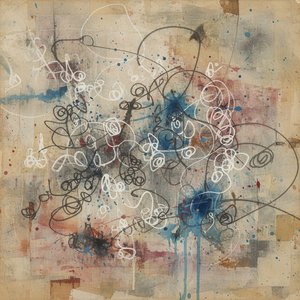
Shakir Hassan Al Said: Un pioniere dell'arte irachena moderna
Primi anni e formazione
- Nato: nel 1925 a Samawah, Iraq.
- Shakir Hassan Al Said è stato un artista poliedrico: pittore, scultore, scrittore, filosofo, critico d'arte e storico.
- Ha conseguito la laurea in Scienze Sociali presso l'Higher Institute of Teachers di Baghdad (1else 1948).
- Ha approfondito la sua formazione artistica ottenendo un diploma in pittura presso l'Institute of Fine Arts di Baghdad (1954).
- Ha proseguito i suoi studi presso l'École Nationale Supérieure des Beaux-Arts di Parigi fino al 1959, ampliando la sua esposizione ai movimenti artistici internazionali.
Sviluppo artistico e influenze
- Al suo ritorno a Baghdad, Al Said si immerse nello studio dell'opera di Yahya ibn Mahmud al-Wasiti, figura significativa della miniatura islamica.
- Il Sufismo, con le sue fondamenta mistiche e filosofiche, ha influenzato profondamente la sua visione artistica.
- La poesia e la filosofia di Mansur al-Hallaj, controverso mistico sufi, hanno giocato un ruolo cruciale nel plasmare la sua sensibilità estetica.
- Il suo stile iniziale era inizialmente figurativo, ma è gradualmente transitato verso un'enfasi sulla calligrafia araba come elemento artistico centrale.
Fondazione di gruppi artistici e sforzi collaborativi
- Jama'et Baghdad lil Fann al-Hadith (Il Gruppo dell'Arte Moderna di Baghdad) – Co-fondato nel 1951, questo gruppo mirava a sintetizzare gli approcci artistici moderni con il ricco patrimonio culturale dell'Iraq.
- Al Bu'd al Wahad (Il Gruppo della Unidimensione) – Fondato nel 1971, questo collettivo esplorò il potenziale espressivo della scrittura araba in un contesto d'arte contemporanea, promuovendo il movimento Hurufiyya.
Contributi artistici chiave e stile
- Opere note: Tra queste figurano “Quaternary Rhythm” (collezione ibrahimi, Amman, Giordania), che dimostra la sua unica fusione di modernità e tradizione; “Woman in Profile (turned to the left)”, che mostra la sua sperimentazione stilistica.
- L'opera di Al Said è caratterizzata da una distintiva fusione di forme astratte, elementi calligrafici e immagini simboliche.
- Utilizzava spesso toni terrosi e superfici materiche, evocando un senso di storia e profondità culturale.
Eredità e significato storico
- I scritti teorici e la pratica artistica di Al Said hanno tracciato un nuovo corso per l'estetica dell'arte araba.
- Ha sostenuto la necessità di valutare l'arte regionale attraverso lenti unicamente arabe, sfidando le prospettive eurocentriche.
- I suoi contributi hanno avuto un impatto profondo sul movimento dell'arte moderna irachena e continuano a ispirare gli artisti odierni.
- Le sue opere sono conservate in collezioni quali la Ruskin Library (Lancaster, Stati Uniti).
- È morto nel 2004, lasciando un'eredità duratura come figura fondamentale nello sviluppo dell'arte moderna in Iraq e oltre.
Domande e risposte
Dove si possono trovare le opere di Shakir Hassan Al Said raggruppate per tecnica?
Per trovare tutte le opere di Shakir Hassan Al Said suddivise per tecnica, consulta la pagina Per tecnica dell'artista.
Posso ordinare le opere di Shakir Hassan Al Said per colore?
Le opere di Shakir Hassan Al Said possono essere esplorate per colore nella pagina Indice dei colori dell'artista.
Dove posso esplorare le opere di Shakir Hassan Al Said suddivise per soggetto?
L'Catalogo per soggetti di Shakir Hassan Al Said è una pagina che organizza le opere dell'artista in base ai loro soggetti.