Pietro Francavilla (Pierre Franqueville): A Renaissance Sculptor Bridging Classical Ideals and Artistic Innovation
Pietro Francavilla, born in Cambrai around 1548, stands as a prominent figure within the artistic landscape of the late sixteenth century—a period marked by fervent revival of classical forms and humanist thought. Though biographical details remain somewhat sparse, his legacy resides primarily in his sculptural output, particularly his monumental marble statues depicting mythological figures and allegorical themes that exemplify the grandeur and sophistication characteristic of the High Renaissance. Francavilla’s artistic journey unfolded against a backdrop of intellectual ferment, influenced by the rediscovery of Greek and Roman texts and sculptures, which profoundly shaped European aesthetics.- Early Life & Training: Precise information regarding Francavilla's formative years is elusive. However, he honed his craft in Cambrai, a city renowned for its artistic patronage during the Habsburg reign. Evidence suggests he studied under Alessandro Algardi, arguably Rome’s foremost sculptor of the era, absorbing Algardi’s mastery of anatomical accuracy and dramatic composition—skills that would undoubtedly permeate Francavilla's subsequent works.
- Notable Commissions & Artistic Style: Francavilla gained considerable renown for his commissions undertaken primarily in Rome and Bologna. He produced sculptures celebrating the virtues of nobility, embodying ideals of beauty and strength rooted in classical tradition. His style distinguishes itself through meticulous attention to detail—particularly in rendering drapery and musculature—demonstrating a commitment to realism that nonetheless adheres to idealized proportions.
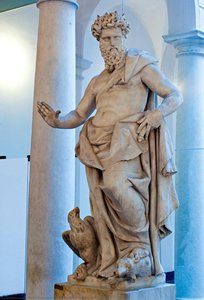
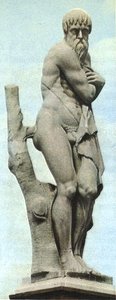
- Key Works: Among Francavilla’s most celebrated achievements are his sculptures of Neptune (Winter), commissioned for the Palazzo Ducale di Bologna, and Janus, a monumental marble statue commemorating Saint Janus—a figure symbolizing transition and duality. These works showcase Francavilla's ability to translate classical concepts into tangible form, capturing both physical grandeur and psychological depth.
- Influence & Legacy: Francavilla’s artistic endeavors contributed significantly to the dissemination of humanist ideals within sculpture. He served as a pivotal conduit between Roman sculptural tradition and the evolving sensibilities of his time, securing his place as one of the most influential sculptors of his generation. His sculptures continue to inspire admiration for their technical prowess and expressive power.
- Historical Significance: Francavilla’s work reflects the broader cultural currents shaping Europe during the Renaissance—a period characterized by a renewed interest in antiquity and an aspiration toward artistic excellence mirroring the glories of classical Rome. His sculptures stand as enduring monuments to humanist values and represent a cornerstone of High Renaissance sculpture.
Francavilla’s contribution to art history is further substantiated by ULAN Full Record Display (Getty Research), highlighting his importance within the global artistic canon.