Ritratto di Marie Cazin

I 15 dipinti più famosi di Marie Cazin, ognuno unico nel suo genere

Aggiornato Novembre 2026 · classificato in base al nostro punteggio di popolarità (ricerche, visite e ordini per ogni opera) · 18 opere di Marie Cazin nel nostro catalogo

In breve

Le Dimenticate (1890) è il dipinto di Marie Cazin che attira più sguardi; l'originale è conservato presso il Musée des Beaux-Arts de Tours, Tours. Successivamente, lo sguardo si sposta su Pastore (1905) e Madre e bambino (1905). Tra i 18 opere di Marie Cazin nel nostro catalogo, queste 15 sono le più famose, ognuna un originale unico presentato con il suo anno, il suo museo e il motivo per cui è eterna.

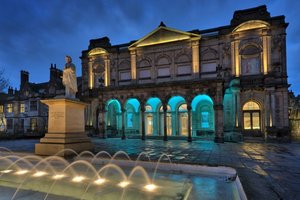
1844 – 1924, Paimbœuf Più opere: York Art Gallery

Le 10 migliori opere di Marie Cazin, attraverso lo sguardo della galleria

1
Le Dimenticate (1890) di Marie Cazin

Le Dimenticate

1890 · Litografia · Musée des Beaux-Arts de Tours, Tours

L'opera del 1890 di Marie Cazin, Le Dimenticate, presenta una composizione sommaria e asimmetrica all'interno di un'ambientazione simile a un parco. I soggetti primari sono concentrati nel quadrante inferiore destro, dove una donna seduta volge lo sguardo verso l'alto con un'espressione di desiderio o disperazione. Una giovane ragazza si appoggia a lei, mentre un bambino piccolo giace a terra ai loro piedi. Questo gruppo intimo è bilanciato dalla parte superiore…

2
Pastore (1905) di Marie Cazin

Pastore

1905 · Olio su tela

Il Pastore di Marie Cazin presenta una tranquilla scena rurale di vita pastorale. La composizione si articola attorno a un grande albero posizionato sul lato destro dell'inquadratura, accanto al quale si erge un pastore. Questa figura è rivolta verso un gregge di pecore che pascola in un paesaggio collinare. L'arrangiamento guida l'occhio attraverso il terreno, stabilendo una silenziosa connessione tra la presenza umana e il bestiame.

3
Madre e bambino (1905) di Marie Cazin

Madre e bambino

1905 · Pittura a olio

Nel piano medio di "Madre e bambino" di Marie Cazin, una quieta immobilità si posa su una panchina di legno. Una donna siede di profilo, con il corpo rivolto verso destra; indossa una gonna scura e pesante che ancora la metà inferiore dell'inquadratura, in contrasto con la leggerezza della camicetta o dello scialle. Adagiato sulle sue ginocchia, un neonato è avvolto in indumenti chiari, con lo sguardo rivolto verso l'osservatore…

4
Sera di Marie Cazin

Sera

Pittura a olio · National Gallery, Londra

Il crepuscolo si posa sulla costa in Sera, un dipinto a olio di Marie Cazin. Nata nel 1844 a Paimbœuf, in Francia, l'artista cattura un istante in cui il giorno si ritira e le ombre iniziano a reclamare la terra. Questa scena si svela come un drammatico punto di intersezione tra il mondo naturale e la presenza umana, dove una densa colonna di fumo si leva nell'aria che si rinfresca.…

5
The Harbour Lights (1885) di Marie Cazin

The Harbour Lights

1885 · Oil On Canvas · Gallerie d'Arte della Città di Sheffield, Sheffield

The evening air settles over the water in The Harbour Lights, a work painted by Marie Cazin in 1885. This scene captures a quiet moment at the edge of the sea, where the sky meets the horizon in a soft, dramatic transition. The light from the setting sun filters through heavy clouds, casting a glow across the landscape as the day begins to fade. Small boats drift upon the surface,…

6
Evening (1888) di Marie Cazin

Evening

1888 · Oil On Canvas

The scene unfolds in the work titled Evening, a creation by the French artist Marie Cazin. This oil paint on canvas captures a specific moment of transition, where the daylight begins to retreat and the atmosphere thickens with the presence of industrial smoke. The work emerges from about 1888, a period when the artist was deeply engaged with the shifting landscapes of her era.

I dipinti più famosi di Marie Cazin, dal numero 11 al 15

I soggetti che hanno catturato lo sguardo di Marie Cazin

I quattro soggetti che ricorrono più spesso in questi originali, ognuno con il suo esempio più raffinato.

I musei che conservano gli originali di Marie Cazin

I 6 musei che ospitano la maggior parte dei dipinti presenti in questa pagina.

Musei Città Opere di Marie Cazin Dipinti di questo elenco
York Art Gallery, YorkYork Art Gallery York 2 A Lane, Landscape, Village among Trees
Musée des Beaux-Arts de Tours, ToursMusée des Beaux-Arts de Tours Tours 1 Le Dimenticate
National Gallery, LondraNational Gallery Londra 1 Sera
Gallerie d'Arte della Città di Sheffield, SheffieldGallerie d'Arte della Città di Sheffield Sheffield 1 The Harbour Lights
Collezione dell’Istituto d’Arte di Paisley, PaisleyCollezione dell’Istituto d’Arte di Paisley Paisley 1 The Sentry
Galleria d’Arte e Museo Russell-Cotes, BournemouthGalleria d’Arte e Museo Russell-Cotes Bournemouth 1 Stone Yard, Old Houses in Paris, France

Marie Cazin attraverso i decenni: un originale unico per ognuno

Opere per decennio

Scegli un decennio per scoprire l'opera originale che lo ha definito.

I dipinti di Marie Cazin: domande per la galleria

Qual è l'opera più famosa di Marie Cazin?Scopri la risposta

Le Dimenticate (1890), Musée des Beaux-Arts de Tours, Tours. Seguono Pastore (1905) e Madre e bambino (1905).

A che età Marie Cazin ha creato Le Dimenticate?Scopri la risposta

46 anni: Le Dimenticate risale al 1890, e Marie Cazin è nato/a nel 1844.

Quali sono i dieci dipinti più famosi di Marie Cazin?Scopri la risposta

Le Dimenticate, Pastore, Madre e bambino, Sera, The Harbour Lights, Evening, Figure on a Country Lane, Landscape with Mill, Outskirts of Abbeville e A Street in Normandy. La classifica sopra riporta l'anno e il museo di ciascuna opera.

Quante opere di Marie Cazin sono conosciute?Scopri la risposta

Il nostro catalogo comprende 18 opere di Marie Cazin, datate da 1885 a 1905.

Dove si possono ammirare gli originali più famosi di Marie Cazin?Scopri la risposta

Principalmente in York Art Gallery (York), Musée des Beaux-Arts de Tours (Tours) e National Gallery (Londra). La tabella dei musei sopra li elenca tutti.

In quale periodo Marie Cazin ha realizzato i suoi dipinti più famosi?Scopri la risposta

In 1880s: 2 delle 15 opere in questa pagina sono state realizzate in quel periodo, tra cui The Harbour Lights.

Qual è il dipinto più antico di Marie Cazin e quale il più recente?Scopri la risposta

In questa pagina, il più antico risale al The Harbour Lights (1885) e il più recente al Pastore (1905).

Quali soggetti preferiva Marie Cazin?Scopri la risposta

Donna (2), Bambino (2) e Albero (2), tra le 15 opere in questa pagina.

Con quali materiali ha dipinto più spesso Marie Cazin?Scopri la risposta

Pittura a olio, per 2 delle 15 opere in questa pagina.

Quali opere originali di Marie Cazin posso vedere al York Art Gallery?Scopri la risposta

A Lane e Landscape, Village among Trees: il York Art Gallery, York custodisce 2 delle opere presenti in questa pagina.

Marie Cazin: un ritratto dell'artista

Marie Cazin: A Pioneer of Impressionistic Landscape Painting

Marie Cazin (1844 – 1924) stands as a remarkable figure in the annals of French art history, particularly recognized for her contribution to landscape painting and sculptural artistry during the Belle Époque. Born Marie Clarisse Marguerite Guillet in Paimbœuf, Brittany, she embarked on an artistic journey marked by unwavering dedication and collaboration with fellow artists like Juliette Peyrol-Bonheur and Jean-Charles Cazin—whom she married in 1868—establishing herself as a prominent voice within the burgeoning Impressionist movement. Her life’s work embodies a profound engagement with capturing the beauty of the natural world alongside exploring themes of femininity and labor, cementing her legacy as an artist who championed both artistic innovation and social commentary.

Early Life & Education: The Seeds of Artistic Talent

Marie Cazin's formative years were spent in Paimbœuf, where she honed her artistic skills under the tutelage of Juliette Peyrol-Bonheur, a celebrated Impressionist painter herself. This mentorship instilled in her a deep appreciation for plein air painting—working outdoors directly from observation—a technique central to the Impressionistic aesthetic. Peyrol-Bonheur’s influence wasn't merely pedagogical; it fostered within Cazin a conviction that art should strive to faithfully represent reality, mirroring the spirit of the era. The Breton landscape—characterized by its rugged coastlines and verdant hills—became an enduring subject for her artistic explorations.

Marriage & Artistic Partnership: A Shared Vision

Her union with Jean-Charles Cazin fostered an enduring artistic collaboration. Together, they navigated the challenges of establishing a career as artists while raising a family, fostering a supportive environment for creative exploration. Jean-Charles Cazin’s encouragement and understanding proved invaluable to Marie's artistic pursuits—a testament to their profound connection beyond the domestic sphere. Their partnership extended beyond mere companionship; it fueled mutual inspiration and ensured that their artistic endeavors remained intertwined throughout their lives.

The Flowering of Impressionism and Sculptural Recognition

Cazin’s artistic breakthrough arrived in the 1870s when she began exhibiting her paintings at the Salon des Artistes Français, gaining exposure to Parisian art circles and attracting critical acclaim. Notably, she participated in the Royal Academy of Arts exhibitions of 1874 and 1878, showcasing her talent alongside other prominent artists of the time—figures like Monet and Renoir who were shaping the very essence of Impressionism. Her canvases captured fleeting moments of light and color with remarkable precision, reflecting the Impressionists’ fascination with capturing the ephemeral qualities of nature. However, it was her foray into sculpture that truly distinguished her artistic achievements. Collaborating closely with Jean-Charles Cazin, she created monumental sculptures like “The Young Ladies,” which garnered considerable attention and were purchased by the government in 1899—now housed at the Musée du Luxembourg—demonstrating her versatility as an artist across mediums. This ambitious project showcased her technical prowess and solidified her reputation as a sculptor of distinction.

Les XX & Artistic Innovation: Embracing Avant-Garde Ideas

Marie Cazin’s involvement with Les XX, a group of avant-garde artists advocating for artistic freedom and experimentation, further cemented her position within the intellectual landscape of Belle Époque Paris. Les XX challenged traditional artistic conventions—particularly academic realism—and championed new approaches to artistic expression. Cazin's participation in this influential collective signaled her willingness to embrace innovative ideas and contribute to debates about art’s role in society—a characteristic that mirrored the spirit of the time and distinguished her from many of her contemporaries.

Themes of Femininity & Labor – A Distinctive Artistic Voice

Cazin’s artistic vision consistently centered on portraying women engaged in everyday activities—a deliberate choice that reflected the societal context of her time while simultaneously challenging conventional representations of femininity. Her paintings frequently depicted women working in rural settings, capturing scenes of agricultural labor and domestic life with sensitivity and realism. This focus wasn't merely stylistic; it served as a commentary on the role of women in society and championed their contributions to the economic fabric of France—a theme that resonated deeply with her own experiences and informed her artistic sensibilities. Her depictions of female figures often conveyed strength, resilience, and dignity—qualities that defied stereotypical portrayals prevalent during the Belle Époque.

Legacy & Enduring Influence

Marie Cazin’s artistic legacy extends beyond her individual creations—she nurtured the creative spirit within her son, Michel Cazin, who became a celebrated engraver, continuing the family's artistic tradition. Her enduring influence can be seen in her contributions to decorative arts, particularly her frescoes commissioned for the Gobelins Manufactory, and her involvement in memorial sculpture projects honoring figures like Hubert Cazin and Paul perrochaud—works that continue to inspire admiration for their beauty and craftsmanship. Ultimately, Marie Cazin remains an inspiring example of a female artist who navigated the complexities of artistic ambition with unwavering conviction—a testament to her enduring contribution to French art history.