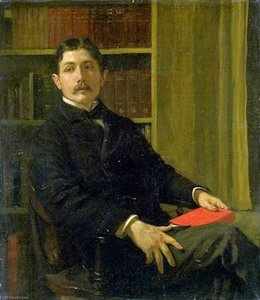
Ritratto di Kenyon Cox

I 71 dipinti più famosi di Kenyon Cox, ognuno unico nel suo genere

Aggiornato Novembre 2026 · classificato in base al nostro punteggio di popolarità (ricerche, visite e ordini per ogni opera) · 76 opere di Kenyon Cox nel nostro catalogo

In breve

Il progresso della civiltà: la fucina, il commercio e l'istruzione (studio per affresco, State Capitol, Des Moines, Iowa) (1906) è il dipinto di Kenyon Cox che attira più sguardi; l'originale è conservato presso il Smithsonian American Art Museum, Washington, D.C.. Successivamente, lo sguardo si sposta su Landscape at Grez (1879) e Henry L. Fry (1883). Tra i 76 opere di Kenyon Cox nel nostro catalogo, queste 71 sono le più famose, ognuna un originale unico presentato con il suo anno, il suo museo e il motivo per cui è eterna.

1856 – 1919, Warren Classical realism Più opere: Smithsonian American Art Museum

Le 10 migliori opere di Kenyon Cox, attraverso lo sguardo della galleria

1
Il progresso della civiltà: la fucina, il commercio e l'istruzione (studio per affresco, State Capitol, Des Moines, Iowa) (1906) di Kenyon Cox

Il progresso della civiltà: la fucina, il commercio e l'istruzione (studio per affresco, State Capitol, Des Moines, Iowa)

1906 · Olio su tela · Smithsonian American Art Museum, Washington, D.C.

Il progresso della civiltà: la fucina, il commercio e l'istruzione (studio per affresco, State Capitol, Des Moines, Iowa) è un'opera a olio su tela di Kenyon Cox. Realizzata intorno al 1905-1906, questa composizione funge da studio preparatorio per un più ampio affresco destinato allo State Capitol di Des Moines, Iowa. L'artista, Kenyon Cox, ha cercato di catturare il movimento del progresso umano attraverso queste scene specifiche e segmentate.

2
Landscape at Grez (1879) di Kenyon Cox

Landscape at Grez

1879 · Black and White Photography · Cincinnati Art Museum, Cincinnati

In Landscape at Grez, Kenyon Cox organizes a formal indoor setting through a centered composition. The subject, a man seated in a decorative wooden chair, is positioned slightly to the right of the vertical axis. This slight offset breaks the symmetry of the room, providing a sense of depth against the structured background. The perspective is a straight-on eye-level shot, placing the viewer directly in front of the subject within…

3
Henry L. Fry (1883) di Kenyon Cox

Henry L. Fry

1883 · Oil On Canvas · Cincinnati Art Museum, Cincinnati

This oil on canvas portrait by Kenyon Cox depicts Henry L. Fry. Created in 1883, the work presents the subject in a full-length view. The man is positioned slightly off-center against a background of draped fabric. He is shown with a white beard and wears a dark overcoat. The composition is vertical, focusing on the single figure within the frame.

4
The Approach of Love (1890) di Kenyon Cox

The Approach of Love

1890 · Oil · Cincinnati Art Museum, Cincinnati

In "The Approach of Love" by Kenyon Cox, the horizontal plane is anchored by a massive, curved marble bench. This white sarcophagus occupies the center of the scene, acting as a heavy, pale foundation for the figures. On the left, a nude woman with long reddish-brown hair reclines against the stone. A voluminous, golden-yellow fabric spills over the edge of the marble, its bright weight contrasting against the cool, white…

5
Diana (1890) di Kenyon Cox

Diana

1890 · Oil On Canvas · Chazen Museum of Art, Madison

In "Diana" by Kenyon Cox, the Roman goddess Artemis emerges from the shadows of a lush, wooded landscape. Created about 1890, the work places the deity at the center of a quiet, natural world. She is rendered as a full-length nude figure, her form poised against the deep greens and browns of the surrounding foliage. The goddess occupies the heart of the scene, a singular presence amidst the organic textures…

6
The Harp Player (A Solo) (1888) di Kenyon Cox

The Harp Player (A Solo)

1888 · Oil On Canvas · Metropolitan Museum of Art, New York

The Harp Player (A Solo) is an oil painting by the American artist Kenyon Cox. Created about 1888, the work emerged during a period when Cox was establishing his reputation within the academic traditions of the late 19th century. His practice emphasized careful drawing and a commitment to classical ideals, often focusing on genre studies and idealized forms.

7
The Fall (1892) di Kenyon Cox

The Fall

1892 · Oil On Canvas

In this 1892 oil painting, Kenyon Cox captures a moment of profound transition within a lush, wooded landscape. The work, titled The Fall, presents the biblical narrative of Adam and Eve at the precise instant of their temptation. A serpent coils around the trunk of a tree, embodying the presence of evil, while Eve reaches out to offer the fruit to Adam. This central action transforms the garden into a…

8
Head of the Queen of Egypt (1888) di Kenyon Cox

Head of the Queen of Egypt

1888 · Oil · Smithsonian American Art Museum, Washington, D.C.

In this work, titled Head of the Queen of Egypt, the artist Kenyon Cox presents a focused study of a historical figure. The painting depicts the head of Nefertiti, the Egyptian queen who belonged to the Eighteenth Dynasty. It is a quiet, measured representation that captures the likeness of the sculpted bust rather than a living person.

9
Bird Song (1896) di Kenyon Cox

Bird Song

1896 · Oil

In "Bird Song" by Kenyon Cox, a seated female figure occupies the center of the frame. She is positioned vertically, a steady pillar of quietude amidst a soft-focus world. Her white chemise-style top is patterned with small green leaf motifs, a delicate detail against the pale fabric. Below, a heavy, draped skirt of greyish-purple pools around her feet in thick, weighted folds. She holds a long, slender wooden flute in…

10
Christ (1905) di Kenyon Cox

Christ

1905 · Oil On Canvas · Cleveland Museum of Art, Cleveland

In the painting Christ by Kenyon Cox, the composition is centered and symmetrical. The subject is presented in a full-length view, standing as a single male figure against a landscape background. This figure is depicted with long brown hair and a beard. He wears voluminous, flowing red robes that drape heavily around the body. His arms are slightly extended to his sides, with the palms facing upward in a gesture…

I dipinti più famosi di Kenyon Cox, dal numero 11 al 71

11(Iowa State Capitol Rotunda) (Manufactures, study for panel) (1905) di Kenyon Cox(Iowa State Capitol Rotunda) (Manufactures, study for panel)1905 12(Iowa State Capitol Rotunda) (Manufactures, study for panel) (1905) di Kenyon Cox(Iowa State Capitol Rotunda) (Manufactures, study for panel)1905 · Smithsonian American Art Museum 13Maxfield Parrish (1905) di Kenyon CoxMaxfield Parrish1905 14Tradition (1916) di Kenyon CoxTradition1916 · Cleveland Museum of Art 15The Education of Cupid (1917) di Kenyon CoxThe Education of Cupid1917 16Sketch for the Mural at Oberlin College, The Spirit of Self Sacrificing Love (1914) di Kenyon CoxSketch for the Mural at Oberlin College, The Spirit of Self Sacrificing Love1914 · Smithsonian American Art Museum 17Augustus Saint-Gaudens (1908) di Kenyon CoxAugustus Saint-Gaudens1908 · Metropolitan Museum of Art 18(Study for Labor ) (1870) di Kenyon Cox(Study for Labor )1870 19Study for Mosaic, Wisconsin State Capitol, (1912) di Kenyon CoxStudy for Mosaic, Wisconsin State Capitol,1912 · Oklahoma City Museum of Art 20(Untitled) (Greco Roman Discus Thrower) (1873) di Kenyon Cox(Untitled) (Greco Roman Discus Thrower)1873 21(Untitled) (Study of Standing Male Nude) (1876) di Kenyon Cox(Untitled) (Study of Standing Male Nude)1876 22(Untitled) (Studies of Male Nudes) (1876) di Kenyon Cox(Untitled) (Studies of Male Nudes)1876 23Flying Shadows (1883) di Kenyon CoxFlying Shadows1883 24Landscape (1883) di Kenyon CoxLandscape1883 · Metropolitan Museum of Art 25Flying Shadows (1883) di Kenyon CoxFlying Shadows1883 · National Gallery of Art 26A Lady in Black (1880) di Kenyon CoxA Lady in Black1880 · Smithsonian American Art Museum 27Study for Evening (1883) di Kenyon CoxStudy for Evening1883 · Smithsonian American Art Museum 28After Titian's Madonna of the Rabbit (1882) di Kenyon CoxAfter Titian's Madonna of the Rabbit1882 · Smithsonian American Art Museum 29After Boltraffio, Sacra Conversazione (1882) di Kenyon CoxAfter Boltraffio, Sacra Conversazione1882 · Smithsonian American Art Museum 30May (1890) di Kenyon CoxMay1890 31Indian Summer (1887) di Kenyon CoxIndian Summer1887 · Smithsonian American Art Museum 32Louise Howland King (Mrs. Kenyon Cox) (1892) di Kenyon CoxLouise Howland King (Mrs. Kenyon Cox)1892 · Smithsonian American Art Museum 33Study for Drapery of Pursuit of the Ideal (1891) di Kenyon CoxStudy for Drapery of Pursuit of the Ideal1891 · Smithsonian American Art Museum 34Echo (1892) di Kenyon CoxEcho1892 · Smithsonian American Art Museum 35An Eclogue (1890) di Kenyon CoxAn Eclogue1890 · Smithsonian American Art Museum 36Sketches for a Decoration of a Private Library B (1894) di Kenyon CoxSketches for a Decoration of a Private Library B1894 · Smithsonian American Art Museum 37Sketches for the Decoration of a Private Library A (1894) di Kenyon CoxSketches for the Decoration of a Private Library A1894 · Smithsonian American Art Museum 38Portrait of Mr. Wiley (1894) di Kenyon CoxPortrait of Mr. Wiley1894 39Study for Science Instructing Industry (1898) di Kenyon CoxStudy for Science Instructing Industry1898 · Smithsonian American Art Museum 40(Iowa State Capitol Rotunda) (Hunting, study for panel) (1905) di Kenyon Cox(Iowa State Capitol Rotunda) (Hunting, study for panel)1905 41Hope and memory (1900) di Kenyon CoxHope and memory1900 42Study for Mural at Hotel Manhattan, Peace and Plenty (1901) di Kenyon CoxStudy for Mural at Hotel Manhattan, Peace and Plenty1901 · Smithsonian American Art Museum 43Untitled, Portrait of a Young Girl (1900) di Kenyon CoxUntitled, Portrait of a Young Girl1900 44Study for mural, Union Trust Company Building, The Sources of Wealth (1903) di Kenyon CoxStudy for mural, Union Trust Company Building, The Sources of Wealth1903 · Smithsonian American Art Museum 45(Iowa State Capitol Rotunda) (study for Six Lunettes) (1905) di Kenyon Cox(Iowa State Capitol Rotunda) (study for Six Lunettes)1905 46Study for Christ (1905) di Kenyon CoxStudy for Christ1905 · Smithsonian American Art Museum 47Study for Mural for Appellate Court Building, New York Statute Law , Helmet for Figure of Force (1899) di Kenyon CoxStudy for Mural for Appellate Court Building, New York Statute Law , Helmet for Figure of Force1899 · Smithsonian American Art Museum 48Approach of Love di Kenyon CoxApproach of LoveCincinnati Art Museum 49Augustus Saint Gaudens (1908) di Kenyon CoxAugustus Saint Gaudens1908 50Plenty (1910) di Kenyon CoxPlenty1910 · Smithsonian American Art Museum 51The Silver Hand Glass (1907) di Kenyon CoxThe Silver Hand Glass1907 · Smithsonian American Art Museum 52The Progress of Civilization Science and Art (mural study, State Capitol, Des Moines, Iowa) (1906) di Kenyon CoxThe Progress of Civilization Science and Art (mural study, State Capitol, Des Moines, Iowa)1906 · Smithsonian American Art Museum 53The Progress of Civilization Hunting, Herding, Agriculture (mural study, State Capitol, Des Moines, Iowa) (1906) di Kenyon CoxThe Progress of Civilization Hunting, Herding, Agriculture (mural study, State Capitol, Des Moines, Iowa)1906 · Smithsonian American Art Museum 54Study for Mural at U.S. Custom House, Cleveland, OH, Passing Commerce Pays Tribute to the Port of Cleveland (1909) di Kenyon CoxStudy for Mural at U.S. Custom House, Cleveland, OH, Passing Commerce Pays Tribute to the Port of Cleveland1909 · Smithsonian American Art Museum 55Study for Mosaic, Wisconsin State Capital, Legislation (1913) di Kenyon CoxStudy for Mosaic, Wisconsin State Capital, Legislation1913 · Smithsonian American Art Museum 56Book of Pictures (1917) di Kenyon CoxBook of Pictures1917 · Smithsonian American Art Museum 57Study for Mosaic, Wisconsin State Capital, Justice (1913) di Kenyon CoxStudy for Mosaic, Wisconsin State Capital, Justice1913 · Smithsonian American Art Museum 58Study for mosaic in the Wisconsin State Capital Government and Liberty (1912) di Kenyon CoxStudy for mosaic in the Wisconsin State Capital Government and Liberty1912 · Smithsonian American Art Museum 59Sketch for Mosaic, Wisconsin State Capital, Justice (1912) di Kenyon CoxSketch for Mosaic, Wisconsin State Capital, Justice1912 · Smithsonian American Art Museum 60Nude Study for Mosaic, Wisconsin State Capitol, (1912) di Kenyon CoxNude Study for Mosaic, Wisconsin State Capitol,1912 · Oklahoma City Museum of Art 61Nude Study for Mosaic, Wisconsin State Capitol, (1912) di Kenyon CoxNude Study for Mosaic, Wisconsin State Capitol,1912 · Oklahoma City Museum of Art 62Nude Study for Mosaic, Wisconsin State Capitol, (1912) di Kenyon CoxNude Study for Mosaic, Wisconsin State Capitol,1912 · Oklahoma City Museum of Art 63Nude Study for Mosaic, Wisconsin State Capitol, (1912) di Kenyon CoxNude Study for Mosaic, Wisconsin State Capitol,1912 · Oklahoma City Museum of Art 64Study for Mosaic, Wisconsin State Capitol, (1912) di Kenyon CoxStudy for Mosaic, Wisconsin State Capitol,1912 · Oklahoma City Museum of Art 65Study for Mosaic, Wisconsin State Capitol, (1912) di Kenyon CoxStudy for Mosaic, Wisconsin State Capitol,1912 · Oklahoma City Museum of Art 66Nude Study for Mosaic, Wisconsin State Capitol, (1912) di Kenyon CoxNude Study for Mosaic, Wisconsin State Capitol,1912 · Oklahoma City Museum of Art 67Fields (1885) di Kenyon CoxFields1885 68Study for Mosaic, Wisconsin State Capitol, (1912) di Kenyon CoxStudy for Mosaic, Wisconsin State Capitol,1912 · Oklahoma City Museum of Art 69Nude Study for Mosaic, Wisconsin State Capitol, (1912) di Kenyon CoxNude Study for Mosaic, Wisconsin State Capitol,1912 · Oklahoma City Museum of Art 70Cartoon for mural of Minnesota State Capital, Institute of Justice di Kenyon CoxCartoon for mural of Minnesota State Capital, Institute of JusticeSmithsonian American Art Museum 71Lengthening Shadows (1888) di Kenyon CoxLengthening Shadows1888 · Smithsonian American Art Museum

I soggetti che hanno catturato lo sguardo di Kenyon Cox

I quattro soggetti che ricorrono più spesso in questi originali, ognuno con il suo esempio più raffinato.

I musei che conservano gli originali di Kenyon Cox

I 7 musei che ospitano la maggior parte dei dipinti presenti in questa pagina.

Musei Città Opere di Kenyon Cox Dipinti di questo elenco
Smithsonian American Art Museum, Washington, D.C.Smithsonian American Art Museum Washington, D.C. 32 Il progresso della civiltà: la fucina, il commercio e l'istruzione (studio per affresco, State Capitol, Des Moines, Iowa), Head of the Queen of Egypt, (Iowa State Capitol Rotunda) (Manufactures, study for panel)
Oklahoma City Museum of Art, Oklahoma CityOklahoma City Museum of Art Oklahoma City 10 Study for Mosaic, Wisconsin State Capitol,, Nude Study for Mosaic, Wisconsin State Capitol,, Nude Study for Mosaic, Wisconsin State Capitol,
Cincinnati Art Museum, CincinnatiCincinnati Art Museum Cincinnati 4 Landscape at Grez, Henry L. Fry, The Approach of Love
Metropolitan Museum of Art, New YorkMetropolitan Museum of Art New York 3 The Harp Player (A Solo), Augustus Saint-Gaudens, Landscape
Cleveland Museum of Art, ClevelandCleveland Museum of Art Cleveland 2 Christ, Tradition
Chazen Museum of Art, MadisonChazen Museum of Art Madison 1 Diana
National Gallery of Art, WashingtonNational Gallery of Art Washington 1 Flying Shadows

Kenyon Cox attraverso i decenni: un originale unico per ognuno

Opere per decennio

Scegli un decennio per scoprire l'opera originale che lo ha definito.

I dipinti di Kenyon Cox: domande per la galleria

Qual è l'opera più famosa di Kenyon Cox?Scopri la risposta

Il progresso della civiltà: la fucina, il commercio e l'istruzione (studio per affresco, State Capitol, Des Moines, Iowa) (1906), Smithsonian American Art Museum, Washington, D.C.. Seguono Landscape at Grez (1879) e Henry L. Fry (1883).

A che età Kenyon Cox ha creato Il progresso della civiltà: la fucina, il commercio e l'istruzione (studio per affresco, State Capitol, Des Moines, Iowa)?Scopri la risposta

50 anni: Il progresso della civiltà: la fucina, il commercio e l'istruzione (studio per affresco, State Capitol, Des Moines, Iowa) risale al 1906, e Kenyon Cox è nato/a nel 1856.

Quali sono i dieci dipinti più famosi di Kenyon Cox?Scopri la risposta

Il progresso della civiltà: la fucina, il commercio e l'istruzione (studio per affresco, State Capitol, Des Moines, Iowa), Landscape at Grez, Henry L. Fry, The Approach of Love, Diana, The Harp Player (A Solo), The Fall, Head of the Queen of Egypt, Bird Song e Christ. La classifica sopra riporta l'anno e il museo di ciascuna opera.

Quante opere di Kenyon Cox sono conosciute?Scopri la risposta

Il nostro catalogo comprende 76 opere di Kenyon Cox, datate da 1870 a 1917.

Dove si possono ammirare gli originali più famosi di Kenyon Cox?Scopri la risposta

Principalmente in Smithsonian American Art Museum (Washington, D.C.), Oklahoma City Museum of Art (Oklahoma City) e Cincinnati Art Museum (Cincinnati). La tabella dei musei sopra li elenca tutti.

In quale periodo Kenyon Cox ha realizzato i suoi dipinti più famosi?Scopri la risposta

In 1910s: 19 delle 71 opere in questa pagina sono state realizzate in quel periodo, tra cui Tradition.

Qual è il dipinto più antico di Kenyon Cox e quale il più recente?Scopri la risposta

In questa pagina, il più antico risale al (Study for Labor ) (1870) e il più recente al The Education of Cupid (1917).

Quali soggetti preferiva Kenyon Cox?Scopri la risposta

Woman (8), Pencil sketch (5) e Man (4), tra le 71 opere in questa pagina.

Con quali materiali ha dipinto più spesso Kenyon Cox?Scopri la risposta

Oil On Canvas, per 9 delle 71 opere in questa pagina.

A quale movimento appartiene l'opera di Kenyon Cox?Scopri la risposta

Classical realism, a giudicare dagli originali presenti in questa pagina.

Quali opere originali di Kenyon Cox posso vedere al Smithsonian American Art Museum?Scopri la risposta

Il progresso della civiltà: la fucina, il commercio e l'istruzione (studio per affresco, State Capitol, Des Moines, Iowa), Head of the Queen of Egypt e (Iowa State Capitol Rotunda) (Manufactures, study for panel): il Smithsonian American Art Museum, Washington, D.C. custodisce 32 delle opere presenti in questa pagina.

Kenyon Cox: un ritratto dell'artista

Kenyon Cox: Vita e Eredità

Kenyon Cox (1856-1919) fu un pittore americano e insegnante presso l’Art Students League, noto per i suoi paesaggi realistici, ritratti monumentali, murales celebrativi e opere allegoriche che incarnavano lo spirito classico. Un artista profondamente legato alle tradizioni artistiche del suo tempo, Cox sosteneva con fervore un disegno accurato e una visione dell'arte ispirata ai maestri rinascimentali italiani.

Primi Anni di Vita ed Educazione

Kenyon Cox nacque il 27 ottobre 1856 a Warren, Ohio, figlio di Jacob Dolson Cox e Helen Finney Cox. Dopo aver studiato inizialmente all’Art Academy di Cincinnati (precedentemente McMicken School of Art), egli rapidamente percepì i limiti delle opportunità artistiche offerte dalla città natale. Questa esperienza iniziale lo spinse alla ricerca di una formazione più ampia e approfondita, guidandolo verso la Pennsylvania Academy of Fine Arts dove poter coltivare le sue aspirazioni artistiche in un ambiente stimolante.

Formazione Parigina ed Influenze

Nel 1877, Cox trasferì il suo domicilio a Parigi, città che egli considerava una vera e propria “seconda rinascita” nell’arte europea. Questa decisione fu motivata dalla convinzione che Parigi stesse vivendo un rinnovato entusiasmo per la bellezza ideale e l'importanza della tradizione culturale occidentale. Tra gli insegnanti più influenti che accolse nella École des Beaux-Arts figurano Carolus Duran, Jean-Léon Gérôme e Alexandre Cabanel, artisti maestri nel loro tempo che condividevano una visione dell’arte ispirata ai modelli classici greci e romani. Tuttavia, Cox si dimostrò profondamente critico nei confronti dello stile di Duran, ritenendo che esso fosse eccessivamente semplificato e privo della complessità necessaria per esprimere la bellezza autentica. Questo spirito di opposizione alla banalità artistica lo accompagnò lungo tutta la sua carriera. I viaggi in Francia e Italia furono fondamentali per Cox nella formazione del suo gusto estetico e nella comprensione delle grandi opere d’arte del passato. L'esperienza diretta dei capolavori rinascimentali italiani, in particolare quelli di Michelangelo e Raffaello, influenzò profondamente il suo stile pittorico e la sua sensibilità artistica. Questi incontri ispirarono Cox a ricercare una bellezza armoniosa e proporzionata, esprimendo attraverso i suoi quadri un senso di equilibrio e dignità che riflettevano gli ideali estetici del suo tempo.

Carriera Pittorica ed Illustrazione

Dopo aver completato il suo percorso accademico parigino, Cox tornò negli Stati Uniti dove si affermò come pittore prolifico e illustratore di successo. Il suo talento artistico fu riconosciuto dalla critica d’arte contemporanea che lo definì uno dei più importanti artisti americani del suo periodo. Tra le opere più significative della sua produzione spiccano il ciclo di murales realizzato per la Pennsylvania Academy of Fine Arts, dove egli rappresentò episodi della storia americana con una maestria tecnica senza pari e un senso narrativo coinvolgente. Inoltre, Cox si distinse come illustratore di libri e riviste, creando immagini evocative che catturavano l’atmosfera dei luoghi descritti e comunicavano efficacemente il messaggio dell'autore. Il suo stile pittorico era caratterizzato da una scrupolosa attenzione ai dettagli anatomici e prospettici, nonché dall'uso sapiente della luce e del colore per creare effetti atmosferici realistici. Cox prediligeva soggetti ispirati alla mitologia classica e alla storia europea, esprimendo attraverso i suoi quadri un senso di bellezza ideale e una visione del mondo profondamente influenzata dalle idee filosofiche dell’epoca. Tuttavia, egli non abbandonò mai la ricerca della bellezza autentica anche nei paesaggi più semplici e quotidiani, dimostrando una straordinaria capacità di comunicare emozioni e sensazioni attraverso il linguaggio visivo. Cox fu un artista attivo fino alla sua morte nel 1919, lasciando un’eredità artistica importante che continua ad affascinare gli studiosi e gli appassionati d'arte contemporanea. Il suo contributo alla formazione dell’Art Students League e alla diffusione della cultura classica negli Stati Uniti testimonia la profondità del suo impegno intellettuale e creativo.