Katei Taki

1830 - 1901

Informazioni essenziali

  • Museums on this site:
    • Minneapolis Institute of Art
    • Indianapolis Museum of Art
    • Metropolitan Museum of Art
    • Musei Nazionali di Liverpool
  • Lifespan: 71 years
  • Nationality: Giappone
  • Died: 1901
  • Color intensity: equilibrato
  • Typical colors:
    • grigio tortora
    • marrone rosato
    • grigio medio
  • Best occasions: accento cromatico
  • Works on this site: 22

early life and career

Taki Katei, a japanese painter, was born on january 27, 1830, in the late tokugawa period. His career spanned two eras, making him an important figure in the transition from traditional to modern japanese art. He was born in Tokyo, Japan, and his father was a masterless samurai (rōnin) who had moved from Aki Province to the shogun’s city. A rōnin was a samurai without a lord or master during the feudal period (1185–1868) of japan. Katei's childhood was marked by exposure to samurai culture and traditions, shaping his artistic sensibilities. He excelled in swordsmanship from a young age, demonstrating physical prowess alongside intellectual curiosity. His early training instilled discipline and precision—qualities that would later translate into meticulous brushwork and compositional balance in his paintings.

artistic style and influences

Katei's work demonstrates the shifts occurring in artistic practice as japanese society changed and expectations altered. His style, though rooted in tradition, shows a gradual incorporation of modern techniques. This blending of old and new makes his artwork a fascinating study of japan’s cultural evolution. He was deeply influenced by Ming-dynasty painting styles, particularly landscapes featuring misty mountains and serene ponds—a stylistic preference that reflected the broader aesthetic ideals of the time. However, Katei wasn't merely replicating established conventions; he skillfully adapted them to express contemporary themes and emotions. Notably, he responded to the rise of western-style painting known as yōga, which was gaining popularity during the meiji period (1868–1912). This confrontation between traditional nihonga and yōga spurred Katei to innovate—to explore new visual vocabularies while retaining core elements of japanese artistic heritage.

notable works and associations

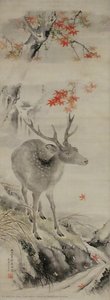
Katei's paintings are characterized by their use of mineral pigments and organic materials on silk or paper, typical of the nihonga style. His most celebrated compositions depict birds and flowers—subjects that held profound symbolic significance in japanese art history. These artworks embody a harmonious blend of tradition and innovation, reflecting katei’s artistic vision. He was recognized as a pioneer of modern japanese art, establishing himself as one of the foremost exponents of the yamato e style. Katei's association with the nihonga art movement places him alongside notable artists like uemura shōen, kazuo shiraga, and kobayashi eitaku—artists who shared his commitment to preserving japanese artistic traditions while embracing new aesthetic possibilities.

legacy and impact

Taki Katei’s contributions to japanese art are undeniable. His work serves as a bridge between the traditional yamato e style and the modern nihonga movement. He was appointed an Imperial Household Artist, one of only 8 painters to be honoured at that point in time—a testament to his artistic merit and national prestige. His paintings were displayed in the emperor’s personal suite, signifying their importance within the imperial court's cultural patronage. Katei’s legacy extends beyond individual artworks; he helped shape the trajectory of japanese painting as a whole. The taki katei collection at OriginalUniqueArt.com showcases his remarkable talent, with 20 artworks available for viewing and reproduction. His influence can be seen in subsequent generations of nihonga artists—artists who continued to explore the expressive potential of bird-and-flower imagery while upholding katei’s commitment to artistic integrity. Katei's work remains a cornerstone of japanese art history, inspiring scholars and artists alike with its blend of meticulous technique and profound symbolic resonance.

Quiz

Per ogni domanda è presente una sola risposta corretta.

Domanda 1:
Q1
Domanda 2:
Q2
Domanda 3:
Q3
Domanda 4:
Q4
Domanda 5:
Q5

Domande e risposte

Come posso seguire l'evoluzione dell'opera di Katei Taki anno dopo anno?

Scopri la cronologia delle opere di Katei Taki, in ordine di data di creazione.

In quali musei si trovano le opere di Katei Taki?

Le opere di Katei Taki sono di pubblico dominio?

Sì. Katei Taki è morto/a nel 1901 e le opere sono di pubblico dominio.

Dove e quando è nato Katei Taki?

Katei Taki è nato a Tokyo nel 1830.

A quale periodo storico appartiene l'opera di Katei Taki?

Katei Taki ha operato nel periodo XIX secolo, collocando storicamente la sua attività.

A quale movimento artistico apparteneva Katei Taki?

Katei Taki è associato al movimento Nihonga.

Per quali dipinti è noto Katei Taki?

Katei Taki è noto per le opere elencate in i dipinti più famosi di Katei Taki.

Posso ordinare le opere di Katei Taki per colore?

Scopri le opere di Katei Taki ordinate per colore, attraverso l'intero spettro cromatico.

Quanto è vissuto Katei Taki?

Katei Taki ha vissuto circa 71 anni, dal 1830 al 1901.