La ricerca ossessiva della verità tangibile
Nato nella provincia di Gyeonggi, in Corea del Sud, nel 1955, Kang Hyung Koo ha dedicato la propria vita a una missione singolare e mozzafiato: colmare il divario tra la tela e la realtà. La sua opera non è un semplice esercizio di maestria tecnica, ma un profondo impegno filosofico verso l'essenza dei suoi soggetti. A differenza di molti suoi contemporanei che cercano rifugio nell'astratto o nell'esperimento, Kang trova la propria verità nella resa meticolosa del mondo così come appare — e così come si percepisce.
Il suo processo è fatto di estrema pazienza e resistenza fisica. Per raggiungere quel dettaglio sorprendentemente fotografico che definisce la sua produzione, Kang impiega una tecnica che prevede strato dopo strato di pittura, applicando talvolta centinauna mani su un'unica superficie. Questo metodo minuzioso permette sfumature sottili di colore e consistenza che imitano il naturale intreccio di luce e ombra. Attraverso questa accumulazione di pigmento, egli crea opere in cui ogni ruga della pelle, ogni ciocca di capelli e ogni minima imperfezione di una superficie sembrano brillare di una vitalità quasi soprannaturale.
Trascendere la lente fotografica
Sebbene molti scambino il suo lavoro per semplice fotorealismo, l'arte di Kang risiede nella sua capacità di muoversi oltre l'immagine originale. Egli utilizza spesso le fotografie come punto di partenza fondamentale, eppure possiede la rara abilità di infondere in questi momenti catturati una profondità psicologica che una macchina fotografica non può raggiungere. In alcuni casi, dipinge persino partendo dalla pura immaginazione, ricreando i volti di figure storiche per le quali non esiste alcuna fotografia. Questa distinzione è vitale: la sua opera non è una mera riproduzione, ma una reinterpretazione.
Questa maestria è forse più evidente nei suoi celebri ritratti di icone globali:
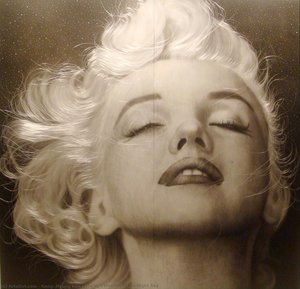
- Marilyn Monroe: In opere come Marilyn Monroe nel cielo notturno, l'artista trasporta la leggenda di Hollywood in un paesaggio onirico celeste, utilizzando una tavolozza di rosa tenui e bianchi cremosi contro un vuoto d'ossidiana per creare un drammatico effetto chiaroscuro.
- Abraham Lincoln: Il suo ritratto del presidente americano utilizza una suggestiva tonalità blu per catturare un senso di profondo peso storico e solenne dignità.
- Figure storiche: Dalla presenza cinematografica di Clint Eastwood alla complessa eredità di Joseph Stalin, Kang infonde una vita rinnovata e tangibile nei volti che hanno plasmato la nostra memoria collettiva.
Un'eredità di luce e profondità emotiva
L'anima dell'opera di Kang è profondamente radicata nell'intensità emotiva dei maestri che lo hanno preceduto. Egli trae una significativa ispirazione dall'Impressionismo e dal Surrealismo, trovando un'affinità elettiva nel potere espressivo di Vincent van Gogh. Proprio come Van Gogh, Kang cerca di distillare l'essenza stessa dei suoi soggetti in un'unica, magnetica immagine. Non vuole solo che lo spettatore veda il volto; vuole che ne percepisca il peso della storia e dell'umanità che si cela dietro gli occhi.
Fondendo l'iperrealismo tecnico con un senso dell'atmosfera quasi surrealista, Kang Hyung Koo ha conquistato uno spazio unico nell'arte coreana contemporanea. I suoi dipinti fungono da finestre sia sul mondo fisico che sui paesaggi psicologici della condizione umana, lasciando lo spettatore a chiedersi dove finisca la realtà della pittura e dove inizi la verità del soggetto.
Domande e risposte
Come posso trovare tutte le opere di Kang Hyung Koo per un determinato medium?
La pagina Tutti i media raggruppa le opere di Kang Hyung Koo per tecnica.
È disponibile un tour virtuale 3D delle opere di Kang Hyung Koo?
Le opere di Kang Hyung Koo sono visibili in una galleria 3D nella pagina Museo 3D dell'artista.
Come posso trovare le opere di Kang Hyung Koo su un tema specifico?
Per trovare le opere di Kang Hyung Koo su un tema specifico, utilizza la pagina Per parole chiave dell'artista, che raggruppa le opere per parola chiave.