Johnson Njenga (1928 – 2018) stands as a singular figure in Kenyan sculpture, embodying both profound spiritual conviction and masterful artistic technique. Born in Tigoni, Kiambu County, Kenya, Njenga’s journey from humble beginnings to international recognition is inextricably linked to his unwavering dedication to Catholicism and his ability to translate complex theological concepts into strikingly beautiful terracotta sculptures.
His formative years were steeped in the traditions of Kikuyu culture, which instilled a deep appreciation for craftsmanship and storytelling—elements that would profoundly shape his artistic vision. Ordained priest in 1957, Njenga swiftly ascended through ecclesiastical ranks, serving as Bishop of Eldoret (1970) and subsequently Bishop of Mombasa (1988), culminating in his role as Archbishop of Mombasa until 2005. These positions afforded him invaluable access to the cultural landscape of Kenya and provided fertile ground for contemplation on themes of faith, humanity, and artistic expression. It was precisely during this period that Njenga began to hone his sculptural skills, initially experimenting with clay modeling techniques honed in his pastoral duties—a practice that would inform his distinctive style for decades to come.
Njenga’s sculptural practice blossomed throughout the late 1960s and early 1970s. He swiftly moved beyond simple imitation of nature, developing a unique aesthetic characterized by elongated figures rendered in earthy terracotta hues—a deliberate choice reflecting the Kenyan soil and symbolizing resilience. Unlike many Western sculptors of the era who favored abstraction, Njenga’s work retains palpable human presence, conveying emotion and dignity through carefully sculpted facial expressions and postures. His subjects predominantly focused on biblical scenes and saints, meticulously crafted to communicate spiritual narratives with remarkable clarity and nuance. The Piasecka-Johnson Collection at Princeton University houses a significant selection of Njenga's terracotta sculptures, offering visitors an unparalleled opportunity to examine his oeuvre firsthand. These pieces exemplify his commitment to portraying human figures in idealized form—a stylistic influence traceable to Renaissance masters like Michelangelo and Leonardo da Vinci.
His artistic vision drew inspiration from both the spiritual fervor of his faith and the enduring traditions of Kikuyu art. He skillfully blended techniques learned during his pastoral years with a burgeoning interest in European modernism, resulting in sculptures that resonate with both solemn beauty and understated dynamism. Furthermore, Njenga recognized the importance of fostering Kenyan art and culture, establishing workshops where young sculptors could learn traditional methods while exploring contemporary concepts—a testament to his belief in the transformative power of artistic education.
Throughout his episcopacy, Archbishop Njenga championed initiatives promoting Kenyan art and culture, recognizing its significance in fostering national identity and spiritual reflection. He established workshops where young sculptors could learn traditional techniques while exploring contemporary concepts—a testament to his belief in the transformative power of artistic education. His legacy extends beyond individual artworks; he fostered a tradition of sculptural excellence that continues to inspire artists across Kenya today. Johnson Njenga’s sculptures remain powerful symbols of faith, artistry, and Kenyan heritage – enduring reminders of a life dedicated to both spiritual leadership and creative endeavor.
A cura del team editoriale di OriginalUniqueArt.com
Quiz d'arte
Per ogni domanda è presente una sola risposta corretta.
Domanda 1:
Qual è la principale forma d'arte per cui Johnson Njenga è noto?
Domanda 2:
In quale diocesi keniana è stato nominato Arcivescovo Njenga?
Domanda 3:
Quale ruolo ricopriva Johnson Njenga all'interno della Conferenza Episcopale Keniana?
Domanda 4:
Dove è nato Arcivescovo Njenga?
Domanda 5:
Quale stile architettonico è noto per il Museo Herbert F. Johnson di Arte?
Esplora i 25 capolavori di John Constable, il maestro del Romanticismo inglese. Paesaggi suggestivi, luce naturale e colori vibranti ti aspettano. Acquista riproduzioni d'arte di alta qualità su OriginalUniqueArt.com e porta la bellezza della campagna inglese nella tua casa.
Esplora i 25 capolavori di John Singer Sargent, pittore americano simbolo dell'Impressionismo e del Gilded Age. Ritratti iconici, acquerelli luminosi e storie affascinanti. Trova la tua opera d'arte ideale su OriginalUniqueArt.com!
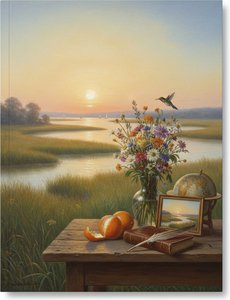
Esplora il mondo di Martin Johnson Heade e del Luminismo americano con OriginalUniqueArt. Scopri la sua tecnica innovativa, i simbolismi nascosti nelle sue nature morte e l'influenza sulla rappresentazione dell'identità americana.

