Nightlife in Philadelphia-an Oyster Barrow in front of the Chestnut Street Theater
Winter Scene in Philadelphia-The Bank of the United States in the Background
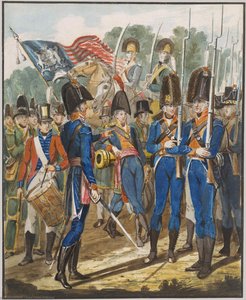
Members of the City Troop and Other Philadelphia Soldiery
Creative periods: mature period
Died: 1821
Works on APS: 29
Lifespan: 35 years
Nationality: Germania
A Pioneer of American Genre Painting
John Lewis Krimmel, born Johann Ludwig Krimmel on May 30, 1786, in Ebingen, Württemberg, Germany, occupies a unique and pivotal position in the history of American art. He is rightfully recognized as America’s first true genre painter – an artist dedicated to capturing the everyday lives, customs, and scenes of ordinary people. His brief but remarkably productive career, cut short by his untimely death at age 35 on July 15, 1821, in Germantown, Pennsylvania, left an indelible mark on the development of a distinctly American artistic identity. Krimmel’s journey from aspiring businessman to celebrated painter is a testament to the power of self-discovery and the allure of capturing the vibrant spirit of a burgeoning nation.
From Württemberg to Philadelphia: A New Artistic Path
Krimmel's initial path diverged significantly from his artistic destiny. He immigrated to Philadelphia in 1809 with his older brother, intending to pursue commercial ventures. However, the irresistible pull of creative expression soon superseded financial ambitions. Though lacking formal training – he may have received some watercolor instruction in London, but his education was largely self-directed upon arriving in America – Krimmel wholeheartedly embraced painting. He Anglicized his name to John Lewis and began tentatively with portraiture, quickly realizing that his true passion lay elsewhere. A transformative encounter occurred when he gazed upon a copy of David Wilkie’s “Blind Fiddler.” This artwork ignited within him an ardent desire to depict the humor, energy, and social interactions inherent in commonplace existence – a genre largely untouched by American artistic endeavors at the time. By 1812, Krimmel was listed as a painter in the Philadelphia city directory, signaling his unwavering commitment to this newfound vocation.
Capturing the Pulse of Early America
Philadelphia during the early 19th century served as an ideal incubator for Krimmel’s artistic maturation. The city pulsed with cultural dynamism, fostering a thriving artistic milieu where he swiftly integrated into the ranks of luminaries like Thomas Sully and Rembrandt Peale. His breakthrough arrived with “Pepper-Pot: A Scene in the Philadelphia Market” (1811), an oil painting that immediately established his reputation. This lively depiction portrays a Black woman selling spicy soup to a diverse clientele, showcasing Krimmel’s astute observational skills and masterful ability to convey the bustling atmosphere of urban life. He eschewed idealized representations, opting instead for nuanced portrayals that illuminated the lives of individuals from various socioeconomic strata – reflecting the multifaceted character of American society at the time. Subsequent works such as “Blind Man's Buff” (1814) and “Country Wedding” (1814) further solidified his distinctive style—characterized by meticulous detail, expressive brushwork, and a recurring motif: the inclusion of an animal, frequently a playful dog. These paintings exemplify Krimmel’s dedication to capturing not just visual appearances but also emotional resonance.
Notable Achievements and Artistic Style
Krimmel's artistic style was marked by several defining features. He prioritized meticulous observation—spending countless hours sketching scenes from daily life with remarkable accuracy. His canvases were populated by figures rendered with palpable emotion, conveying a sense of immediacy and authenticity that distinguished him from many of his contemporaries. Krimmel’s penchant for capturing fleeting moments – like “Election Day 1815,” which immortalizes the fervor surrounding an American presidential election—demonstrates his artistic vision. The resulting paintings are celebrated for their ability to distill complex social dynamics into accessible visual narratives. Furthermore, Krimmel's sketchbook pages offer invaluable insight into his creative process, revealing approximately 700 drawings that underscore his unwavering devotion to honing his craft and translating observation into compelling artwork. His contribution wasn’t merely about replicating reality; it was about elevating everyday experiences into enduring symbols of American identity.
Legacy and Influence
Krimmel's influence extended far beyond the confines of his relatively modest oeuvre. The “Svinin Portfolio,” watercolors acquired by Russian diplomat Pavel Svinin, stands as a testament to Krimmel’s pioneering role in documenting American life during this formative period—scenes like "Black People's Prayer Meeting" and "Deck Life on One of Fulton’s Steamboats" are now treasured holdings of the Metropolitan Museum of Art. His masterpiece, “Election Day 1815,” is lauded for its masterful depiction of human emotion and social interaction, establishing Krimmel as a pivotal figure in American art history. He inspired subsequent generations of artists—William Sidney Mount, George Caleb Bingham, and Thomas Eakins—who embraced his approach to genre painting, furthering the exploration of distinctly American subjects and narratives. Krimmel’s legacy resides not only in his individual artworks but also in his establishment of a foundational aesthetic that continues to resonate with audiences today.
A cura del team editoriale di OriginalUniqueArt.com
Quiz d'arte
Per ogni domanda è presente una sola risposta corretta.
Domanda 1:
Quale stile artistico è considerato il primo vero pittore di scene quotidiane negli Stati Uniti?
Domanda 2:
Cosa ha ispirato Krimmel a concentrarsi sulla pittura di scene della vita reale dopo aver visto una copia del dipinto di David Wilkie “Il cieco violinista”?
Domanda 3:
Dove Krimmel ha trovato l'ambiente ideale per sviluppare la sua arte?
Domanda 4:
Quale artista è considerato uno dei più importanti studenti dello stile di Krimmel?
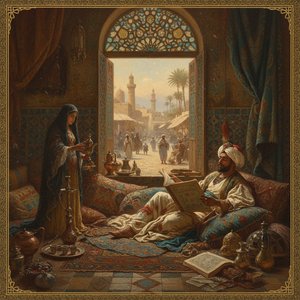
Esplora l'opera di John Frederick Lewis, maestro dell'Orientalismo vittoriano. Analisi dettagliata del suo stile unico, il realismo pittorico e l'influenza sulla pittura britannica del XIX secolo.
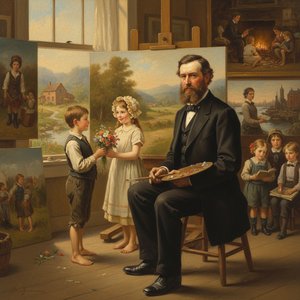
Scopri la vita e le opere di John George Brown, maestro del realismo americano. Analisi approfondita della sua pittura di genere, i suoi soggetti iconici e l'influenza sulla storia dell'arte americana.
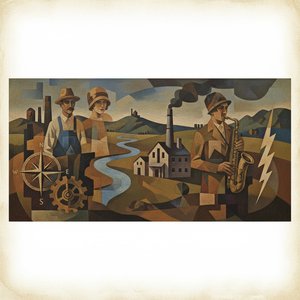
Explore the captivating portraits of James Otto Lewis, a pivotal figure bridging 19th-century realism & American Modernism. Discover his groundbreaking work documenting Native American culture and regional identity.