L'Anima di Edo: La Vita e l'Eredità di Isoda Koryūsai
Nel cuore vibrante e frenetico del periodo Edo, un'epoca d'oro della creatività giapponese, pochi nomi risuonano con tanta eleganza e energia prolifica come Isoda Koryūsai. Nato nel 1735 nella fiorente metropoli di Tokyo—allora nota come Edo—Koryūsai fu un uomo plasmato dalle dualità della sua era. Discendeva dalla nobile stirpe dei Tsuchiya, una linea di sangue intrisa di tradizione samurai. I suoi primi anni furono definiti dalla rigorosa disciplina della classe guerriera, in cui padroneggiò le arti della calligrafia, della scherma e dell'etica confuciana. Tuttavia, la morte improvvisa di suo padre lo trasformò in un rōnin, un samurai senza padrone. Questo passaggio dalla vita strutturata di un aristocratico all'incerta libertà di un errante divenne il catalizzatore della sua metamorfosi artistica, permettendogli di scambiare la spada con il pennello e trovare la sua vera vocazione all'interno del mondo fluttuante dell'ukiyo-e.
L'ascesa di Koryūsai come maestro designer non fu un viaggio solitario, ma un percorso profondamente intrecciato con l'evoluzione della stampa giapponese. Stabilendosi vicino all'iconico ponte Ryōgoku nel 1769, si posizionò all'epicentro della vita commerciale e d'intrattenimento di Edo. Il suo DNA artistico fu profondamente plasmato dall'apprendistato sotto il leggendario Suzuki Harunobu. Da Harunobu, Koryūsai ereditò una raffinata sensibilità cromatica e un approccio delicato alla linea, possedendo tuttavia un'abilità unica nel far evolvere queste fondamenta. Mentre Harunobu è spesso celebrato per l'invenzione dei nishiki-e (stampe broccate), Koryūsai prese questa rivoluzione tecnica e la applicò a una gamma di soggetti più ampia e diversificata, fondendo la bellezza eterea dello stile del suo maestro con un realismo osservativo e concreto.
La Maestria del Mondo Fluttuante
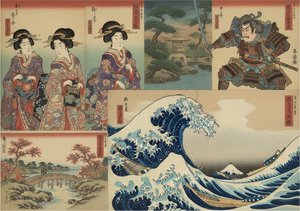
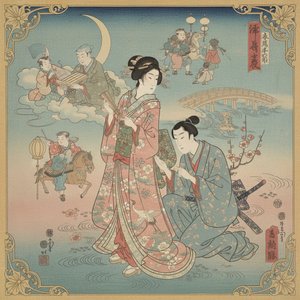
La vera genialità di Koryūsai risiede nella sua capacità di catturare gli istanti effimeri della vita quotidiana, elevando il banale al livello di alta arte. Divenne un maestro preminente dei bijin-ga, o ritratti di belle donne, in cui utilizzava i complessi motivi dei kimono e la sottile grazia delle posture per narrare storie di eleganza e desiderio. Le sue opere, come l'evocativa Cortigiana che suona il Samisen, fungono da finestre su un'era perduta, mostrando una profonda comprensione della musicalità e della quiete. In queste stampe, ogni piega della seta e ogni inclinazione del capo sono infuse di un senso di dramma silenzioso, invitando lo spettatore a partecipare all'atmosfera serena dei distretti del piacere di Edo.
Oltre ai ritratti di bellezza, il repertorio di Koryūsai era straordinariamente vasto, toccando paesaggi e allegorie stagionali che risuonavano profondamente nella psiche giapponese. Possedeva un talento notevole nell'integrare la natura nelle sue composizioni, usando la flora simbolica per evocare emozioni specifiche o periodi dell'anno. In opere come Bellezza Autunnale, egli ritrae magistralmente donne tra le foglie autunnali agitate dal vento, creando un dialogo poetico tra la grazia umana e la bellezza transitoria del mondo naturale. Questa capacità di intrecciare il simbolismo stagionale nei suoi disegni gli permise di creare un'arte che fosse visivamente sbalorditiva ed emotivamente risonante, catturando l'essenza stessa dell'ukiyo: il mondo fluttuante e fuggevole.
Un'Impronta Duratura sull'Arte Giapponese
L'importanza storica di Isoda Koryūsai si estende ben oltre i confini della sua stessa esistenza. Come designer prolifico, la sua influenza aiutò a stabilizzare e ad espandere la popolarità della stampa xilografica durante uno dei secoli più culturalmente significativi del Giappone. Il suo lavoro colmò il divario tra le qualità delicate e oniriche dei primi ukiyo-e e gli stili più robusti e dettagliati che sarebbero seguiti nel XIX secolo. Documentando la moda, i costumi sociali e i paesaggi di Edo, egli fornì un archivio visivo di una civiltà al suo apice.
Oggi, l'eredità di Koryūsai è preservata attraverso le sue squisite stampe e dipinti che continuano a affascinare collezionisti e storici. I suoi contributi possono essere riassunti in alcuni traguardi artistici fondamentali:
- Innovazione Tecnica: L'applicazione magistrale delle tecniche di stampa policroma apprese dalla scuola di Harunobu.
- Versatilità del Genere: Un'abilità senza pari nel muoversi fluidamente tra bijin-ga, paesaggi stagionali e scene di vita quotidiana.
- Documentazione Culturale: La fornitura di un registro visivo dettagliato delle gerarchie sociali, della moda e dell'estetica del periodo Edo.
- Profondità Emotiva: L'infusione di un sottile simbolismo e di una tensione atmosferica in composizioni apparentemente semplici.
Attraverso il suo pennello, la bellezza transitoria del periodo Edo fu resa permanente, assicurando che l'eleganza del rōnin divenuto artista sarebbe sopravvissuta molto tempo dopo che l'era dei samurai era svanita nella storia.
Domande e risposte
In quale città e in quale paese è nato/a Isoda Koryūsai?
Isoda Koryūsai è nato a Tokyo, in Giappone.
A quale periodo storico appartiene l'opera di Isoda Koryūsai?
Isoda Koryūsai ha operato nel periodo Età Moderna, collocando storicamente la sua attività.
Dove e quando è nato Isoda Koryūsai?
Isoda Koryūsai è nato a Tokyo nel 1735.