Il Maestro Milanese di Luce e Linea
Nell'atmosfera vibrante e spiritualmente carica della Milano di fine Cinquecento, un periodo definito dalla profonda pietà della Controriforma, Giovanni Ambrogio Figino emerse come una voce vitale della Scuola Lombarda. Nato a Milano intorno al 1553, Figino fu il prodotto di un'epoca in cui l'arte fungeva sia da finestra sul divino che da specchio dell'umanesimo nascente del Rinascimento. Il suo percorso artistico ebbe inizio sotto la rigorosa tutela di Gian Paolo Lomazzo, un maestro la cui influenza instillò in Figino un profondo rispetto per la precisione anatomica e i principi classici della composizione. Questa formazione fondamentale gli permise di navigare le complessità sia dello spirituale che del secolare, rendendolo una forza versatile nel panorama artistico milanese.
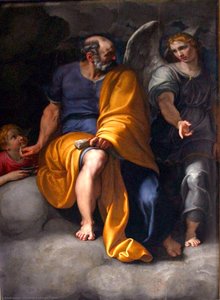
Mentre molti dei suoi contemporanei si concentravano esclusivamente sulla grande scala delle pale d'altare, Figino possedeva una duplice e unica maestria. Era celebrato tanto per il suo delicato e magistrale disegno quanto per la sua capacità di infondere vita nei ritratti a olio. I suoi disegni, che comprendono oltre quattrocento opere note, rivelano un artista ossessionato dalla sfumatura della forma e dal sottile intreccio di luci e ombre. Questa precisione trovò la sua espressione più profonda nelle sue commissioni monumentali, come le straordinarie ante dell'organo del Duomo di Milano. Lavorando al fianco di illustri colleghi come Camillo Procaccini e Giuseppe Meda, Figino contribuì a tessere un arazzo visivo di grandezza biblica, raffigurando l'epica traversata del Mar Rosso e l'ascensione celeste di Cristo con un senso di movimento e dramma che catturava l'animo dei fedeli.
Profondità Psicologica e l'Arte del Ritratto
Al di là delle grandi narrazioni della Chiesa, il vero genio di Figino risiedeva spesso negli spazi intimi del ritratto. Egli possedeva un'incredibile capacità di catturare non solo la somiglianza fisica dei suoi soggetti, ma la loro stessa essenza: la dignità silenziosa, la tensione latente o il peso intellettuale di coloro che sedevano davanti a lui. Il suo Ritratto di Lucio Foppa si erge come testimonianza di questa intuizione psicologica. In quest'opera, lo spettatore incontra un soggetto reso con un realismo tale che la trama dei suoi abiti e la gravità del suo sguardo appaiono quasi tangibili. Attraverso una tavolozza sobria di toni terrosi e un uso strategico della luce, Figino focalizzò l'attenzione dell'osservatore sul carattere dell'uomo, elevando il ritratto da semplice registrazione dell'aspetto a profonda indagine dell'identità umana.
Questa maestria si estese alle sue composizioni religiose, dove cercava di evocare devozione attraverso chiarezza e grazia. Le sue raffigurazioni di Sant'Ambrogio e della Vergine con Bambino, attualmente conservate nella prestigiosa Pinacoteca di Brera, dimostrano un dominio del colore e della composizione che riflette l'eleganza stilistica della tradizione lombarda. In queste opere, il divino diventa accessibile, reso con una bellezza tattile che invita alla contemplazione. Anche quando esplorava i confini più di nicchia della sua epoca, come il nascente genere della natura morta, Figino mostrò uno spirito avventuroso. La sua Natura morta con pesche e foglie di fico mostra una curiosità insolita, provando che egli era capace di trovare il miracoloso nel quotidiano, catturando le lussureggianti consistenze della natura con la stessa riverenza applicata ai santi.
Un'Eredità Duratura nella Tradizione Lombarda
L'importanza storica di Giovanni Ambrogio Figino risiede nella sua capacità di colmare il divario tra le rigorose tradizioni del passato e le innovative espressioni del secolo a venire. Fu un artista capace di muoversi tra i vincoli del dogma religioso esplorando simultaneamente il nascente realismo del ritratto e la delicata bellezza della natura. La sua vita, conclusasi nel 1608, segnò la fine di un capitolo brillante dell'arte milanese, eppure la sua influenza sopravvisse attraverso la meticolosità dei suoi disegni e il potere duraturo delle sue visioni pittoriche.
Oggi, le opere di Figino fungono da punti di riferimento essenziali per comprendere l'anima artistica della Lombardia. La sua eredità si ritrova nel:
- Dominio del disegno: Fornendo un modello di accuratezza anatomica ed eccellenza preparatoria nel tardo Rinascimento.
- Evoluzione del ritratto: Superando la semplice rappresentazione verso un profondo realismo psicologico.
- Innovazione del genere: Introducendo un livello di raffinatezza nella pittura di natura morta che era raro tra i suoi contemporanei italiani.
- Narrazione religiosa: Contribuendo al linguaggio visivo della Controriforma attraverso un'arte sacra monumentale e intima.