Friedrich Ritter von Amerling: Un Maestro del Ritratto Accademico
Friedrich Ritter von Amerling (nato nel 1803 a Vienna, morto nel 1887 a Vienna) si erge come una figura di spicco nella storia dell'arte austriaca, celebrato per la sua incrollabile dedizione alla tradizione accademica e per la sua straordinaria capacità di catturare la dignità e la grazia dei soggetti aristocratici durante l'era Romantica. Nato in una famiglia di artigiani—una stirpe che gli trasmise un profondo apprezzamento per il dettaglio meticoloso e l'esecuzione magistrale—Amerling intraprese il suo viaggio artistico presso l'Akademie der bildende Künste di Vienna, dove affinò i suoi talenti sotto la guida di artisti influenti che sostenevano gli ideali classici.- Formazione Iniziale e Influenze: Gli anni formativi di Amerling furono segnati dal contatto con le sensibilità artistiche prevalenti del suo tempo, in particolare quelle sostenute da William Adolphe Bouguereau, che egli considerava un'anima affine per la priorità data al realismo e all'armonia compositiva.
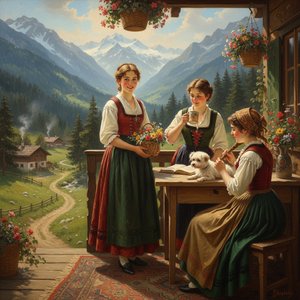
- Gli Esordi nella Pittura di Paesaggio: Inizialmente attratto dalla pittura di paesaggio—un genere prediletto da molti artisti viennesi—Amerling si affermò rapidamente come un interprete esperto delle Alpi austriache e della Valle del Danubio. Le sue tele trasmettevano non solo impressioni visive, ma anche un senso sottostante di grandezza e contemplazione spirituale.
La Ricerca del Realismo Accademico
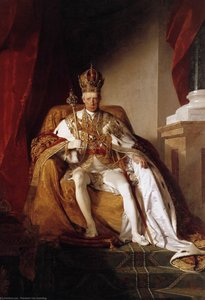
La filosofia artistica di Amerling si concentrava sul raggiungimento di una meticolosa precisione nel ritrarre i suoi soggetti—principalmente nobili—attraverso un'osservazione minuziosa e una tecnica sapiente. Egli aderì rigorosamente ai principi della pittura accademica, privilegiando la correttezza anatomica, la bellezza idealizzata e una composizione piramidale accuratamente costruita. Questo impegno verso la tradizione riflette il più ampio clima culturale di Vienna a metà del XIX secolo, dove l'eccellenza artistica era indissolubilmente legata al mantenimento delle convenzioni stabilite.- Opere Notevoli: Tra i suoi traguardi più duraturi vi sono i ritratti di figure come Bertel Thorvaldsen—il celebre scultore—Ludmilla Amerling (sua figlia) e numerosi membri delle famiglie aristocratiche viennesi. Questi dipinti esemplificano la maestria di Amerling nel chiaroscuro, utilizzando sottili sfumature di luce e ombra per scolpire le forme e infondere nei suoi soggetti una profonda dimensione psicologica.
- Tecnica e Stile: Lo stile distintivo di Amerling era caratterizzato da una deliberata moderazione nelle tavolozze cromatiche—spesso favorendo toni smorzati—e da un'attenzione costante nel catturare le trame e le sfumature della pelle, dei drappeggi e dei capelli. La sua pennellata meticolosa contribuiva alla qualità luminosa delle sue tele, creando immagini che risuonano di una bellezza senza tempo.
Influenza ed Eredità
L'influenza di Friedrich Ritter von Amerling si estese ben oltre la sua stessa opera, plasmando le sensibilità artistiche delle generazioni successive e consolidando la posizione della tradizione accademica nell'arte viennese. La sua incrollabile devozione agli ideali classici servì da contrappunto alle emergenti tendenze impressioniste, garantendo che il realismo e la bellezza idealizzata continuassero a dominare la pittura austriaca per i decenni a venire. Oggi, le opere di Amerling risiedono principalmente in musei di tutta Europa—incluso il Musée Maurice Denis a Parigi—dove continuano a ispirare ammirazione per il loro splendore tecnico e la loro forza espressiva.- Confronti Contemporanei: Confrontare l'opera di Amerling con quella di Claude Monet o Pierre-Auguste Renoir rivela una fondamentale divergenza nella visione artistica. Mentre gli Impressionisti cercavano di catturare momenti fugaci di esperienza sensoriale, Amerling dava priorità alla trasmissione di qualità durature del carattere e della dignità attraverso ritratti meticolosamente resi.
Domande e risposte
Esiste una cronologia della carriera di Friedrich Ritter von Amerling?
La carriera di Friedrich Ritter von Amerling si svela periodo dopo periodo nella pagina Cronologia artistica: una linea temporale orizzontale delle opere, raggruppate in capitoli relativi ai vari periodi della sua carriera.
Quali colori ha usato più spesso Friedrich Ritter von Amerling?
Il profilo cromatico delle opere di Friedrich Ritter von Amerling è consultabile nella pagina Profilo Cromatico dell'Artista dell'artista.
Quante opere di Friedrich Ritter von Amerling sono disponibili nel catalogo?
Puoi sfogliare 136 opere d'arte opere di Friedrich Ritter von Amerling nella pagina Tutte le opere.