Il Pittore dei Re: La Vita e l'Eredità di Francisco Bayeu y Subías
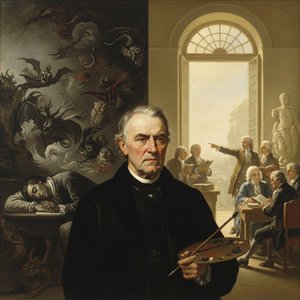
Nei grandiosi corridoi inondati di sole della Spagna del XVIII secolo, pochi nomi risuonano con tanto prestigio istituzionale e maestria tecnica come Francisco Bayeu y Subías. Nato nella storica città di Saragozza nel 1734, Bayeu emerse non solo come un pittore, ma come un architetto centrale dell'estetica neoclassica spagnola. Il suo viaggio dai paesaggi provinciali dell'Aragona al cuore opulento della Corte Reale di Madrid è una narrazione di intelletto disciplinato e profonda evoluzione artistica. La formazione iniziale sotto la guida di José Luzán gli fornì una base intrisa nelle drammaticode emotive tradizioni del Barocco italiano, eppure fu l'incontro con i nascenti ideali dell'Illuminismo a definire veramente la sua pennellata. Attraverso i suoi studi presso l'Academia Real de Bellas Artes de San Fernando, Bayeu iniziò a spogliarsi delle pesanti ombre del passato in favore di una chiarezza più luminosa e strutturata.
La traiettoria della carriera di Bayeu fu irrevocabilmente alterata dalla forza gravitazionale dell'élite artistica madrilena. Influenzato pesantemente dalla presenza monumentale di Anton Raphael Mengs e dalla brillantezza eterea e teatrale di Giovanni Battista Tiepolo, Bayeu imparò a bilanciare il peso della gravità storica con una grazia delicata e idealizzata. Questo periodo della sua vita fu segnato da una transizione verso il Neoclassicismo, un movimento che esigeva compostezza, precisione anatomica e un ritorno alla nobile semplicità dell'antichità. Il suo talento era così innegabile che fu chiamato a decorare il Palazzo Reale, un incarico che lo collocò proprio all'epicentro del potere e della cultura europea. Fu durante quest'era di alto splendore cortese che la sua vita si legò indissolubilmente a un altro titano dell'arte spagnola; attraverso il matrimonio con Josefa Bayeu, strinse un legame familiare e professionale con Francisco Goya, creando un nesso creativo che avrebbe influenzato la direzione della pittura spagnola per decenni.
Una Maestria di Scala: Dai Affreschi Reali al Design di Arazzi
La versatilità di Bayeu fu forse la sua più grande forza, permettendogli di muoversi tra la scala intima del ritratto e la grandiosità travolgente della decorazione architettonica. Nominato Pittore di Corte per re Carlo III dal 1767, divenne un maestro dell'ambiente multisensoriale. Il suo lavoro non era confinato alla sola tela; egli infuse vita alle pareti stesse delle strutture più significative della Spagna. I suoi traguardi includono:
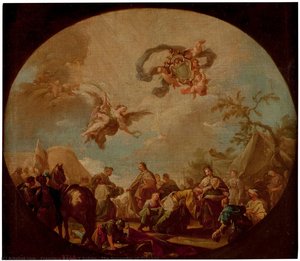
- Affreschi Monumentali: La creazione di vaste decorazioni per soffitti che trasformavano gli interni dei palazzi in regni celesti, utilizzando la luce e la prospettiva per dissolvere i confini architettonici.
- Cartoni per Arazzi: Il design di intricati e dettagliatissimi dipinti preparatori per la Reale Fabbrica di Arazzi, che traducevano le belle arti in narrazioni tessili per la nobiltà spagnola.
- Iconografia Religiosa: L'esecuzione di profondi altari che mantenevano un senso di decoro neoclassico onorando al contempo le profonde tradizioni spirituali della Chiesa spagnola.
- Narrazioni Storiche: La creazione di composizioni su larga scala che celebravano i trionfi e le virtù della monarchia borbonica attraverso scene storiche idealizzate.
L'esecuzione tecnica del suo lavoro rifletteva spesso un sofisticato "eco fiammingo", fondendo il meticoloso dettaglio tipico delle tradizioni del Nord con l'eleganza strutturale del Mediterraneo. La sua capacità di gestire composizioni complesse che coinvolgeverebbero numerosi personaggi, mantenendo al contempo un senso di luce e atmosfera unificata, rimane una testimonianza della sua rigorosa formazione accademica. Anche quando il mondo dell'arte iniziò a spostarsi verso gli stili più turbolenti ed emotivi della fine del XVIII secolo, Bayeu rimase un guardiano costante dell'ordine e della chiarezza.
Significato Storico e il Crepuscolo di un'Era
L'importanza storica di Francisco Bayeu y Subías risiede nel suo ruolo di ponte tra epoche. Egli si trovò all'incrocio dove gli echi persistenti del Barocco incontravano l'alba disciplinata del Neoclassicismo. Mentre la storia si concentra spesso sulle ombre rivoluzionarie di Goya, fu Bayeu a fornire la struttura e il quadro istituzionale all'interno del quale fiorì gran parte di questo Secolo d'Oro spagnolo. Il suo lavoro nel Palazzo Reale servì come manifesto visivo per l'Illuminismo, proiettando l'immagine di una monarchia stabile, illuminata e culturalmente sofisticata.
Mentre navigava le complessità della vita di corte fino alla sua morte nel 1795, Bayeu lasciò in eredità un lascito di integrazione architettonica ed eccellenza decorativa. Non si limitava a dipingere quadri; egli progettava ambienti. La sua influenza può essere percepita nel modo in cui le generazioni successive hanno approcciato il concetto di arte totale, dove pittura, architettura e design tessile convergono per creare un'esperienza singolare e immersiva. Oggi, la sua opera rimane una testimonianza vitale dell'identità spagnola del XVIII secolo, catturando un momento di profonda transizione, eleganza e rinascita intellettuale.
Domande e risposte
È disponibile un elenco completo delle opere di Francisco Bayeu Y Subías?
Tutte le opere di Francisco Bayeu Y Subías presenti su questo sito web sono consultabili nella pagina Tutte le opere dell'artista.
In quali periodi è suddivisa la carriera di Francisco Bayeu Y Subías?
La Cronologia artistica di Francisco Bayeu Y Subías è una linea temporale interattiva che presenta le opere dell'artista in ordine cronologico, suddivise in capitoli corrispondenti ai diversi periodi della sua carriera.
Di dove è Francisco Bayeu Y Subías?
Francisco Bayeu Y Subías è nato/a in Spagna.