


1


Aggiornato Novembre 2026 · classificato in base al nostro punteggio di popolarità (ricerche, visite e ordini per ogni opera) · 67 opere di Floris Gerritsz. van Schooten nel nostro catalogo
In breve
Kitchen Scene (1622) è il dipinto di Floris Gerritsz. van Schooten che attira più sguardi; l'originale è conservato presso il Statens Museum for Kunst, Copenaghen. Successivamente, lo sguardo si sposta su Christ and the woman of Samaria at the well (1620) e A woman and a boy in a kitchen (1620). Tra i 67 opere di Floris Gerritsz. van Schooten nel nostro catalogo, queste 67 sono le più famose, ognuna un originale unico presentato con il suo anno, il suo museo e il motivo per cui è eterna.
 A kitchen interior with fish and utensils on a table1650
12
 A kitchen still life with a maid cleaning fish at a table and a boy holding an apple1650
13
 Laid Table1617
14Breakfast1615 · Kröller-Müller Museum
15
 Still life with cheese, herring, bread and wine1620 · Galleria Nazionale
16
 Kitchen Scene1620 · Museo del Territorio Rinano
17
 Kitchen Utensils, Meat and Vegetables1610
18
 Still life of laid table with cheese1635 · Collezioni di Pittura dello Stato della Baviera
19
 Still Life with Cheese, Candlestick and Tobacco1630
20
 Still Life with smoked herring, oysters and smoker's gear1625 · Museo Frans Hals
21
 Still life with Jan Steen pitcher, salt cellar, and cheese on a laid table1629 · Het Prinsenhof
22
 Still life with grilled rib, cheese, apples and bread1630 · Het Prinsenhof
23
 Fruit Basket1634 · Statens Museum for Kunst
24
 Still life with pie on a laid table1633 · Muzeum Pałacu Króla Jana III w Wilanowie
25
 Still life of food on a table1635
26
 Still life with a Jan Steen pitcher on a laid table1625
27
 Still life of fruit, butter and cheese1630
28
 Still life of fruit with bread, butter and a silver cup1625 · Gebruder Douwes
29
 Fruit still life1645 · Kröller-Müller Museum
30
 Still life with fruit, bread and a silver chalice1642
31
 Still life of butter, cheese, bread, shrimp and biscuits1642
32
 Still life with cut of meat, butter, chestnuts, glassware and bread on a table1639
33
 Stillife with dead birds1637
34
 Copper kettles and other objects on a tabletop1650
35
 Still-life with Ham1650
36
 Still life with bread, cheese, prawns and crabs1656 · Groninger Museum
37
 Breakfast with roast meat, bread, olives and chestnuts1650
38
 Still life of a laid table with cheese1650
39
 Still life of a laid table with cheese1650
40
 Still life of fruit and ham on a laid table1650
41
 Still life of fruit in a stone niche1650
42
 Still life with cheese, chalice and spoon1650 · Museo Nazionale di Poznań
43
 Still life with bread, meat and olives1650 · Herzog Anton Ulrich Museum
44
 Still life with fruits in Delft porcelain1650
45
 Still life with fruit1650 · Museo Voor Moderne Kunst
46
 Still life with ham and fish with unplucked poultry.1650 · Museo della Collezione di Giovanni Paolo II
47
 Still-life with Bread, Cheese and a cut Pie1650 · Koetser Gallery
48
 Still life of apples and grapes1650
49
 Still life of pie, cheese, bread and olives on a laid table1650 · Gallery van Diemen
50
 Still life of a laid table with cheese, meat and bread1650 · Hamburger Kunsthalle
51
 Laid table with cheese, bread, fruit and a roemer1650
52
 Still life with a ham on a laid table1650
53
 Fruit still life with silver beaker1650 · Francisque Mandet Museum
54
 Kitchen Interior1655
55
 BreakfastMuseo Reale di Belle Arti di Anversa
56
 Kitchen piece with woman cleaning a fish
57
 Kitchen Still Life
58
 Fruit Stall1630 · Zamek Krolewski w Warszawie (Royal Castle)
59
 Breakfast Still Life with CheeseMuseo Von der Heydt
60
 Still life of assorted fruit with two blue-and-white porcelain bowls
61
 Still life of fruit served in kraak porcelain
62
 Still life with berriesMusei Reali di Belle Arti del Belgio
63
 Still life with copper pans, utensils and plums on a stone ledgeKoetser Gallery
64
 Still life with cut of beef, chalice and breadMuseum Kunstpalast
65
 Strawberries in a silver dish, cherries and white currents in a wanli bowl, with a bread roll and silver cup
66
 Still-life Of Fruit
67
 a Kitchen Still Life with pots and pans on a stone ledge and animated figures in the background
I quattro soggetti che ricorrono più spesso in questi originali, ognuno con il suo esempio più raffinato.
I 8 musei che ospitano la maggior parte dei dipinti presenti in questa pagina.
| Musei | Città | Opere di Floris Gerritsz. van Schooten | Dipinti di questo elenco |
|---|---|---|---|
 Statens Museum for Kunst |
Copenaghen | 4 | Kitchen Scene, Women and Children by a Fruit Seller, Stall with Fruit and Vegetables |
 Museo Frans Hals |
Haarlem | 2 | Kitchen scene, Still Life with smoked herring, oysters and smoker's gear |
 Kröller-Müller Museum |
Otterlo | 2 | Breakfast, Fruit still life |
 Het Prinsenhof |
Delft | 2 | Still life with Jan Steen pitcher, salt cellar, and cheese on a laid table, Still life with grilled rib, cheese, apples and bread |
| Koetser Gallery | 2 | Still-life with Bread, Cheese and a cut Pie, Still life with copper pans, utensils and plums on a stone ledge | |
 Museo Nazionale di Varsavia |
Varsavia | 1 | Kitchen interior with a female cook. |
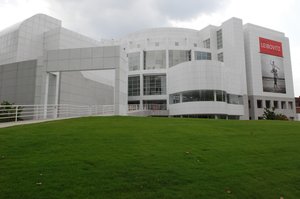 High Museum of Art |
Atlanta | 1 | Kitchen still life with two children |
 Gemäldegalerie Alte Meister |
Dresda | 1 | Young woman peeling a pear at a table with various fruits, an old man with a money bag adressing her |
Scegli un decennio per scoprire l'opera originale che lo ha definito.


Kitchen Scene (1622), Statens Museum for Kunst, Copenaghen. Seguono Christ and the woman of Samaria at the well (1620) e A woman and a boy in a kitchen (1620).
42 anni: Kitchen Scene risale al 1622, e Floris Gerritsz. van Schooten è nato/a nel 1580.
Kitchen Scene, Christ and the woman of Samaria at the well, A woman and a boy in a kitchen, Larder Still Life with Cheese, Kitchen interior with a female cook., Women and Children by a Fruit Seller, Stall with Fruit and Vegetables, Kitchen scene, Kitchen still life with two children e Young woman peeling a pear at a table with various fruits, an old man with a money bag adressing her. La classifica sopra riporta l'anno e il museo di ciascuna opera.
Il nostro catalogo comprende 67 opere di Floris Gerritsz. van Schooten, datate da 1610 a 1656.
Principalmente in Statens Museum for Kunst (Copenaghen), Museo Frans Hals (Haarlem) e Kröller-Müller Museum (Otterlo). La tabella dei musei sopra li elenca tutti.
In 1650s: 23 delle 67 opere in questa pagina sono state realizzate in quel periodo, tra cui A kitchen interior with fish and utensils on a table.
In questa pagina, il più antico risale al Kitchen Utensils, Meat and Vegetables (1610) e il più recente al Still life with bread, cheese, prawns and crabs (1656).
Fruits (2) e Life (2), tra le 67 opere in questa pagina.
Kitchen Scene, Women and Children by a Fruit Seller e Stall with Fruit and Vegetables: il Statens Museum for Kunst, Copenaghen custodisce 4 delle opere presenti in questa pagina.
Floris Gerritsz van Schooten (c. 1585 – 14 novembre 1656) si erge come una figura cardine nello sviluppo della pittura di natura morta durante l'Età dell'Oro olandese. Operando spesso dietro le quinte rispetto a contemporanei più sfarzosi, egli ha plasmato il genere con un tocco silenzioso ma profondo, riflettendone l'evoluzione e assorbendo le innovazioni della vibrante comunità artistica di Haarlem. La sua eredità non risiede in tecniche rivoluzionary, bensì in una meticolosa osservazione, in un rendering magistrale e in una profonda comprensita capacità di catturare l'essenza degli oggetti quotidiani – dalle umili colazioni alle elaborate scene di cucina – infondendo loro un sottile senso di vanitas.
Nato in una prospera famiglia cattolica che si era trasferita da Amsterdam a Haarlem nel 1612 alla ricerca di una maggiore tolleranza religiosa, la giovinezza di Floris fu intrisa delle tradizioni della sua stirpe. Suo padre, Gerrit Jacobsz van Schooten, era membro di questa influente famiglia, e il suo matrimonio con Rycklant Bol van Zanen, figlia di un eminente produttore di birra, gli garantì sia prestigio sociale che un legame con il cuore economico di Haarlem. Questo background influenzò sottilmente i suoi soggetti, ritraendo frequentemente l'abbondanza della tavola come riflesso della ricchezza e della prosperità dell'epoca.
Il percorso artistico di Van Schooten ebbe inizio tra le mura della Gilda di San Luca a Haarlem, un'istituzione cruciale per la formazione e la regolamentazione degli artisti. Egli scalò rapidamente i ranghi della corporazione, diventando infine Decano nel 1639, dimostrando rispetto ed eccellenza nel panorama artistico locale. La sua carriera abbracciò diversi decenni, durante i quali produsse un'opera impressionante stimata in circa 120 opere – una testimonianzza della sua costante dedizione. Sorprendentemente, si conosce solo un dipinto interamente firmato: una natura morta con colazione, oggi conservata nel Museo Von der Heydt di Wuppertal, in Germania, che offre uno sguardo raro sulle intenzioni personali dell'artista.
Lo sviluppo artistico di Van Schooten era indissolubilmente legato alla fiorente scena delle nature morte di Haarlem. Egli assorbì le tecniche e le sensibilità dei suoi contemporanei, in particolare le opere magistrali di Floris van Dyck, Pieter Claesz e Roelof Koets – tutti figure prominenti della gilda. Questi artisti agirono come influenze significative, plasmando il suo approccio alla composizione, alle tavolozze cromatiche e alla resa delle texture. In modo notevole, egli rispecchiò le innovazioni che stavano avvenendo nella comunità delle nature morte di Haarlem, dimostrando una profonda consapevolezza delle tendenze dell'epoca.
La sua opera rivela anche un apprezzamento per i maestri precedenti come Pieter Aertsen e Joachim Beuckelaer, le cui scene di mercato su larga scala avevano stabilito convenzioni che Van Schootazione adattò con abilità. Egli semplificò le complesse disposizioni dei suoi predecessori, creando un maggiore senso di ordine e stabilità all'interno delle sue composizioni. Questa attenta assimilazione delle influenze è il marchio di fabbrica del suo stile: non fu un innovatore in prima persona, ma piuttosto un diligente cronista e interprete degli sviluppi artistici.
L'opera di Van Schooten è caratterizzata da una vasta gamma di soggetti legati alla natura morta. Eccelleva nel ritrarre le "scene di colazione", mostrando la sontuosità dei pasti mattutini con prosciutto, formaggio, pane e frutta accuratamente disposti. Allo stesso modo, era esperto nel catturare scene di cucina – elaborate esposizioni di provviste culinarie che riflettevano i ritmi domestici delle famiglie olandesi del XVII secolo. Anche le scene di mercato erano presenti in modo prominente, offrendo scorci sul vivace commercio delle strade di Haarlem.
Motivi ricorrenti punteggiavano il suo lavoro, in particolare l'accostamento di prosciutto e formaggio. Queste combinazioni apparentemente semplici divennero un elemento distintivo, intriso di un peso simbolico: rappresentavano l'abbondanza, la prosperità e forse persino la mortalità (un tema comune nelle pitture vanitas). La sua meticolosa attenzione al dettaglio — la lucentezza dell'argento lucidato, la consistenza della frutta matura, le pieghe del lino — elevò questi oggetti quotidiani a opere d'arte capaci di incantare lo spettatore.
Nonostante il suo profilo relativamente modesto, Floris Van Schooten svolse un ruolo cruciale nel documentare l'evoluzione della pittura di natura morta durante l'Età dell'Oro olandese. Le sue opere forniscono intuizioni inestimabili sulle pratiche artistiche e sulle sensibilità estetiche del sistema delle gilde di Haarlem. Abraham Bredius, un eminente storico dell'arte olandese, riconobbe il significato del monogramma “F.v.S” o “FVS” come identificativo dell'artista, consolidando il suo posto nella cronaca storica.
La sua produzione funge da testimonianza del dinamico panorama artistico dei Paesi Bassi del XVII secolo – un riflesso sia delle tradizioni consolidate che delle tendenze emergenti. Attraverso la sua abile resa degli oggetti quotidiani, Van Schooten ha offerto agli spettatori una toccante meditazione sulla ricchezza, sulla mortalità e sulla bellezza che si può trovare nell'ordinario.


