Ritratto di Charles Robertson

I 15 dipinti più famosi di Charles Robertson, ognuno unico nel suo genere

Aggiornato Novembre 2026 · classificato in base al nostro punteggio di popolarità (ricerche, visite e ordini per ogni opera) · 15 opere di Charles Robertson nel nostro catalogo

In breve

Ritratto di un uomo (1810) è il dipinto di Charles Robertson che attira più sguardi; l'originale è conservato presso il Metropolitan Museum of Art, New York. Successivamente, lo sguardo si sposta su Il dolore del Pacha da 'Les Orientales' e Presso il fiume. Tra i 15 opere di Charles Robertson nel nostro catalogo, queste 15 sono le più famose, ognuna un originale unico presentato con il suo anno, il suo museo e il motivo per cui è eterna.

1844 – 1891, Walton-on-Thames Più opere: Metropolitan Museum of Art

Le 10 migliori opere di Charles Robertson, attraverso lo sguardo della galleria

1
Ritratto di un uomo (1810) di Charles Robertson

Ritratto di un uomo

1810 · Acquerello · Metropolitan Museum of Art, New York

Questo ritratto in miniatura, risalente al 1810, presenta un uomo in una composizione dal taglio ravvicinato che si concentra esclusivamente sul capo e sulle spalle. Resa attraverso una tavolozza monocroma, l'opera sfrutta una luce morbida e diffusa per creare sottili sfumature tonali sulle fattezze del volto. La precisione del tratto definisce occhi, naso e bocca, mentre un'attenta modulazione di ombre e puntinismo conferisce un senso di volume tridimensionale. Il soggetto…

2
Il dolore del Pacha da 'Les Orientales' di Charles Robertson

Il dolore del Pacha da 'Les Orientales'

La scena si svela nella composizione de Il dolore del Pacha da 'Les Orientales', un'opera che porta il tocco distintivo del pittore britannico Charles Robertson. Questo pezzo cattura un momento specifico dell'esperienza umana, traendo il proprio titolo e l'essenza tematica da una collezione di immagini poetiche. La pennellata infonde vita a un mondo che appare immediato e presente, trascinando lo spettatore in un'atmosfera sociale dove ogni figura sembra colta in…

3
Presso il fiume di Charles Robertson

Presso il fiume

Acquerello

Presso il fiume è un dipinto dell'artista britannico Charles Robertson. Nato nel 1844 a Walton-on-Thames, nel Regno Unito, Robertson ha costruito una carriera che si è protratta per diversi decenni fino alla sua morte, avvenuta nel 1891. Quest'opera specifica si concentra su un paesaggio incentrato su un fiume, caratterizzato da erba verde lungo le sponde e da una varietà di alberi sullo sfondo. Un ponte attraversa l'acqua, collegando due aree…

4
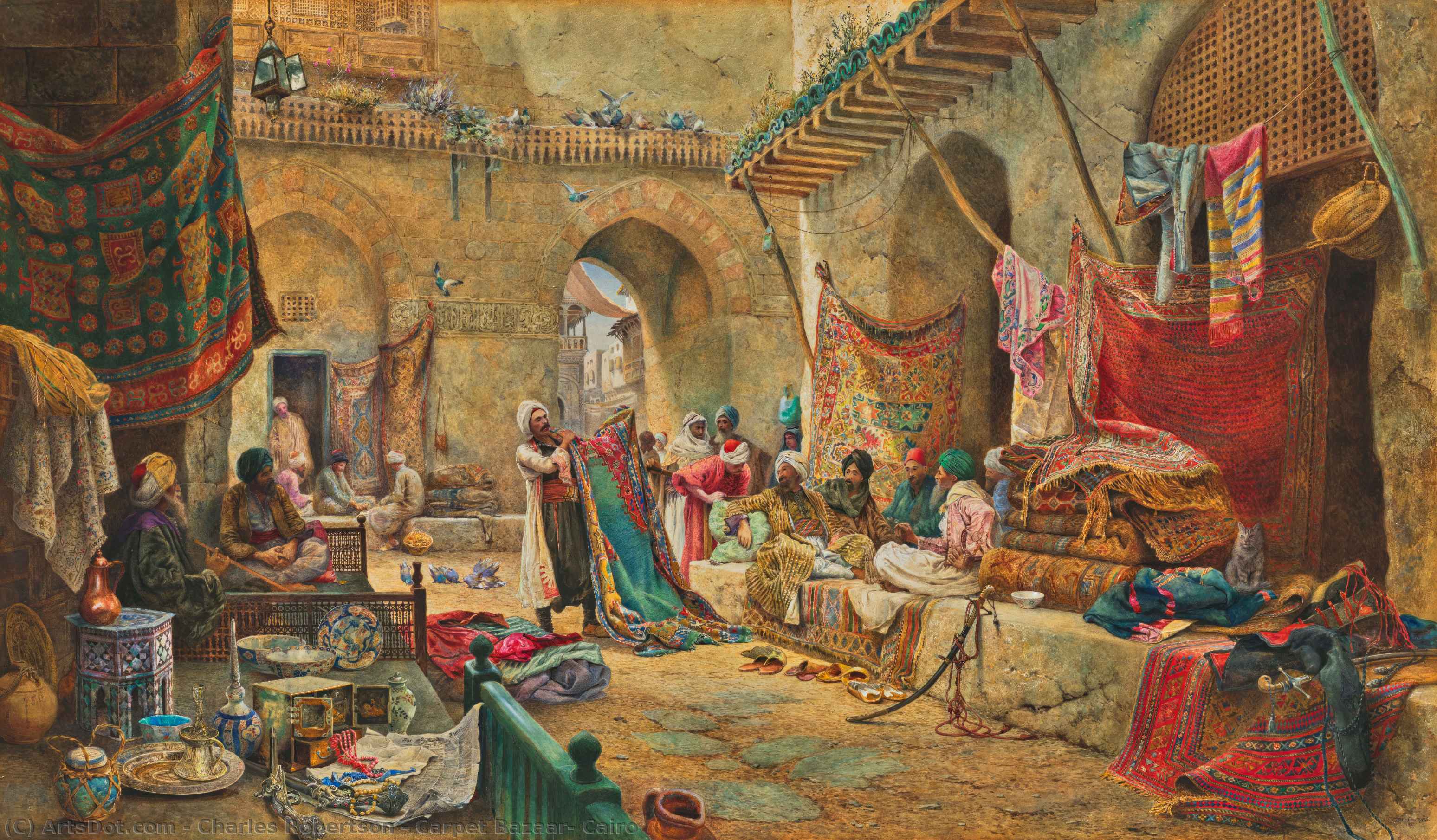
Carpet Bazaar, Cairo di Charles Robertson

Carpet Bazaar, Cairo

Watercolor

The bustling energy of a Cairo marketplace finds its focus within this detailed study of commerce and textile. The scene captures the intersection of daily life and the specialized trade of the bazaar, where the architecture of the city provides a shadowed backdrop to the bright, patterned goods on display. Every corner of the composition is filled with the weight of woven history, suggesting a space where merchants and travelers…

I dipinti più famosi di Charles Robertson, dal numero 11 al 15

I soggetti che hanno catturato lo sguardo di Charles Robertson

I quattro soggetti che ricorrono più spesso in questi originali, ognuno con il suo esempio più raffinato.

I musei che conservano gli originali di Charles Robertson

Il museo che custodisce la maggior parte dei dipinti presenti in questa pagina.

Musei Città Opere di Charles Robertson Dipinti di questo elenco
Metropolitan Museum of Art, New YorkMetropolitan Museum of Art New York 1 Ritratto di un uomo

I dipinti di Charles Robertson: domande per la galleria

Qual è l'opera più famosa di Charles Robertson?Scopri la risposta

Ritratto di un uomo (1810), Metropolitan Museum of Art, New York. Seguono Il dolore del Pacha da 'Les Orientales' e Presso il fiume.

Quali sono i dieci dipinti più famosi di Charles Robertson?Scopri la risposta

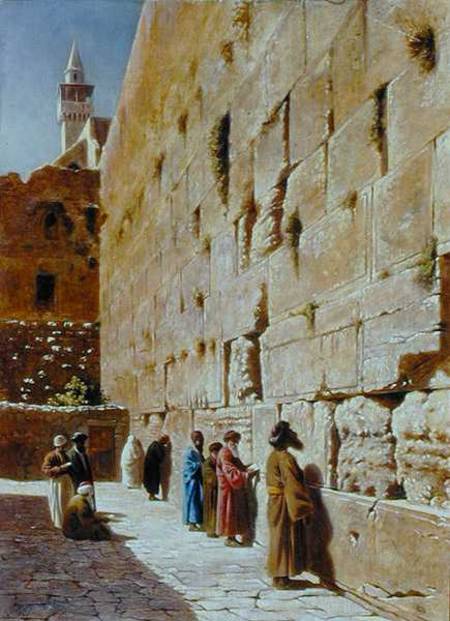
Ritratto di un uomo, Il dolore del Pacha da 'Les Orientales', Presso il fiume, Carpet Bazaar, Cairo, On the River Yare, Arab traders, Cairo, In the name of the Prophet, Alms, The Entrance To The Mosque, Irises And Cow Parsley e At The Wailing Wall -. La classifica sopra riporta l'anno e il museo di ciascuna opera.

Quante opere di Charles Robertson sono conosciute?Scopri la risposta

Il nostro catalogo contiene 15 opere di Charles Robertson.

Dove si possono ammirare gli originali più famosi di Charles Robertson?Scopri la risposta

Principalmente in Metropolitan Museum of Art (New York). La tabella dei musei sopra li elenca tutti.

Con quali materiali ha dipinto più spesso Charles Robertson?Scopri la risposta

Acquerello, per 2 delle 15 opere in questa pagina.

Charles Robertson: un ritratto dell'artista

Early Life and Training

Charles Robertson, born in Walton-on-Thames in 1844, embarked on his artistic journey under the tutelage of Myles Birket Foster, a celebrated watercolorist who profoundly shaped his early style. Foster’s influence instilled in Robertson a meticulous attention to detail and a masterful command of color—qualities that would become hallmarks of his distinctive oeuvre. His formative years were spent honing these skills within London's artistic milieu, preparing him for the expansive horizons of his future explorations.

Artistic Career: Travels and Inspiration

Robertson’s artistic vocation found its impetus in adventurous expeditions to North Africa, Turkey, and the Middle East. Notably, his initial foray into Algeria in 1862 ignited a series of voyages that fueled his creative imagination. These journeys weren't merely scenic excursions; they were immersive experiences that allowed him to absorb the vibrant culture and architectural grandeur of these regions—elements he subsequently translated onto canvas with remarkable accuracy. The meticulous observation of Islamic architecture, particularly mosques and palaces, became a recurring motif in his paintings. Robertson’s artistic output spanned decades, producing over 300 watercolors and oil paintings. He achieved considerable acclaim during his lifetime, securing exhibitions at prestigious institutions like the Royal Academy and Suffolk Street Watercolor Society. His work was recognized for its sensitivity to light and color—characteristics that align with the burgeoning Impressionist movement.

Notable Works

Robertson’s artistic legacy resides in several iconic pieces that exemplify his stylistic prowess: “A Khan in Damascus,” a watercolor capturing the imposing façade of a Syrian mosque, showcases his ability to convey architectural detail with breathtaking precision. Similarly, "The Mount of Olives from Jerusalem," portrays the serene landscape surrounding the holy site—a testament to Robertson’s talent for conveying emotion through visual representation. Furthermore, “Irises and Cow Parsley,” exemplifies his experimentation with color palettes and textural nuances, demonstrating a willingness to push artistic boundaries. And finally, “Poppies on a River Bank” remains an enduring symbol of pastoral beauty, showcasing Robertson's mastery of watercolor technique.

Legacy and Exhibitions

Robertson’s contribution to the art world was commemorated by a major retrospective organized by the Fine Art Society in 1892—a celebration featuring 130 of his watercolors. His paintings are housed in prominent collections including The Walker Art Gallery in Liverpool and The National Gallery of Australia in Canberra, ensuring that his artistic vision continues to inspire audiences today. Robertson’s work stands as a significant exemplar of Orientalist painting—a genre characterized by romanticized depictions of the East—and cemented his place within the broader context of 19th-century art history.