The Impressionist Rebellion: Breaking from Academic Tradition
 Monet's Serial Vision: How Capturing Light Transformed Art History
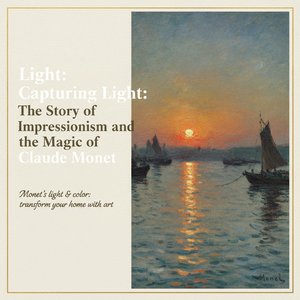
The Impressionist Rebellion: Breaking from Academic Tradition Impressionist Landscapes: 10 Masterpieces for Your Home | OriginalUniqueArt Introduction Imagine stepping into a world bathed in dappled sunlight, where colors dance and shimmer with an ethereal qu...
The Science of Sight: Capturing the Ephemeral Nature of Light
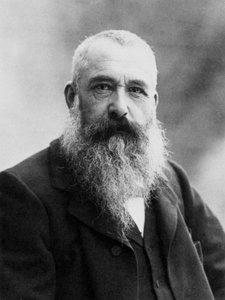 Claude Monet
A Life Immersed in Light: The World of Claude Monet Oscar-Claude Monet, a name synonymous with Impressionism, wasn't merely a painter of landscapes; he was a chronicler of fleeting moments, a poet of light and color. Born in Paris on November 14, 184...
Seriality in Motion: The Rouen Cathedral and Haystacks Series
 Cathedral
A Window into Impressionism’s Soul In the heart of Rouen, where Gothic spires reach toward the heavens, lies a sanctuary dedicated to the transformative power of light. The Musée des Beaux-Árs de Rouen is not merely a repository for art; it is a livi...
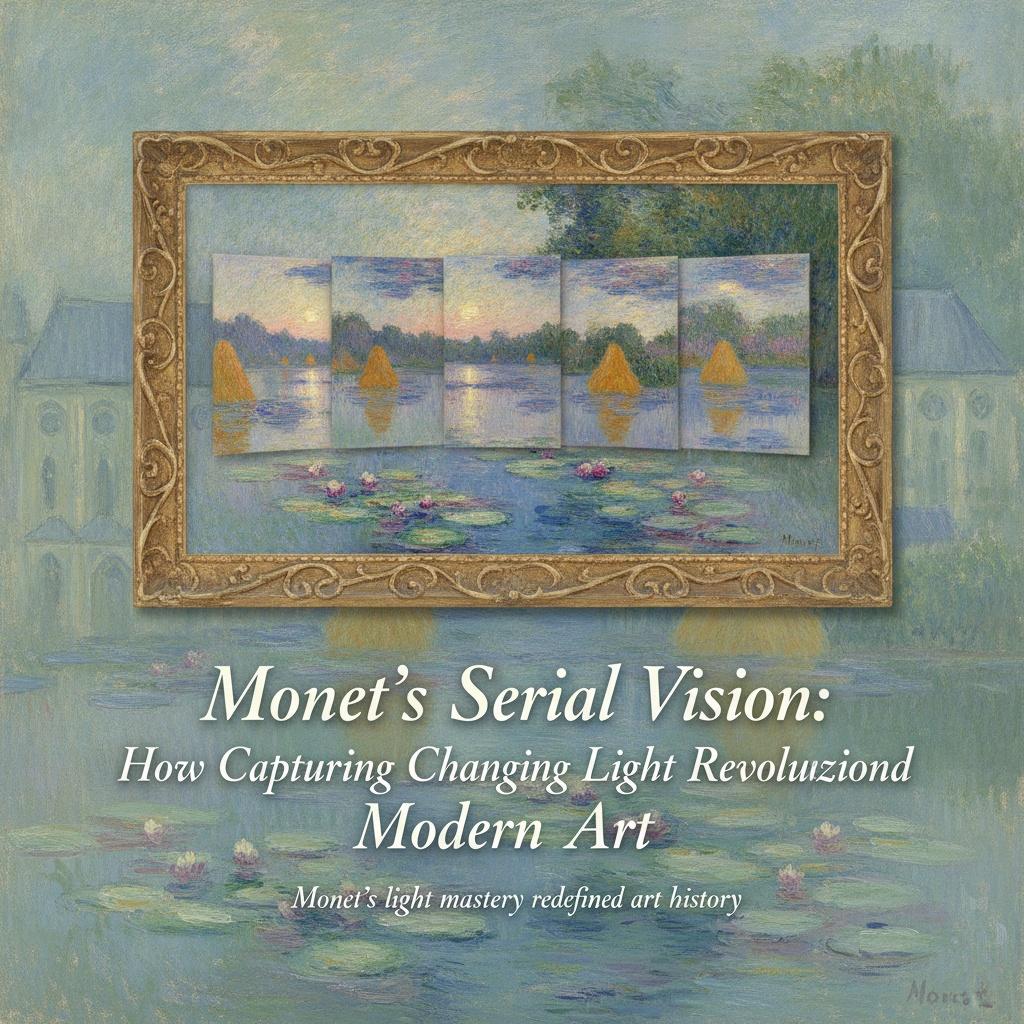
Perhaps the most profound manifestation of Monet’s vision is found in his "series" paintings, where he returned to the same subjects repeatedly under varying conditions. In his monumental series of the Rouen Cathedral, visitors to the Musée des Beaux-Arts de Rouen can witness a revolution in progress. Through sixteen breathtaking canvases, the heavy, Gothic stone of the cathedral seems to dissolve into a dance of color and atmosphere. Monet documented the façade from morning mist to brilliant midday clarity, proving that the identity of an object is inextricably linked to the light it inhabey. Similarly, his studies of haystacks demonstrate how a mundane subject can become a vessel for profound artistic exploration. By painting these same stacks at different times of day and in different seasons, Monet stripped away the "objectness" of the haystacks to reveal the underlying patterns of light and shadow. These works serve as a visual chronicle of time passing, where the repetition of form allows the viewer to focus entirely on the subtle variations in hue and luminosity. This serial approach was not merely repetitive; it was an iterative process of discovery that pushed the boundaries of how much information a single image could convey about the natural world.
Giverny and the Water Lilies: The Evolution Toward Abstraction
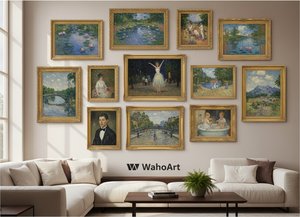
 Monet's Masterpieces: 25 Iconic Artworks to Transform Your Home
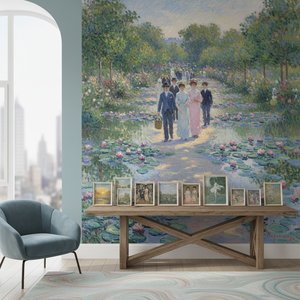
Introduction Imagine stepping into a world bathed in dappled sunlight, where water lilies shimmer and fields of poppies dance in the breeze. Claude Monet’s art isn't merely about depicting scenes; it’s about capturing an *impression* – a fleeting mom...
As Monet’s career progressed, his focus shifted toward the intimate sanctuary of his garden at Giverny. Here, the landscape became increasingly immersive and, eventually, almost entirely abstract. His celebrated Water Lilies series represents the pinnacle of this evolution. In these works, the horizon line often disappears, leaving the viewer suspended in a world of reflections, ripples, and floating flora. The distinction between the water's surface and the sky above becomes blurred, as the artist focuses on the interplay of light and color within the pond itself. In these later years, Monet’s brushwork became even more fluid and expressive. The compositions grew larger and more complex, moving away from traditional perspective toward a sense of pure, sensory experience. This period of his work prefigured much of the abstract expressionism that would emerge decades later. By prioritizing the emotional resonance of color over the literal depiction of form, Monet invited the viewer to lose themselves in the painting. The water lilies are not just botanical studies; they are meditations on the infinite, where the boundaries between reality and perception continue to blur into a beautiful, luminous haze.
Legacy of the Brushstroke: How Monet’s Vision Shaped Modern Aesthetics
 Impressionist Landscapes: 10 Masterpieces for Your Home | OriginalUniqueArt
Introduction Imagine stepping into a world bathed in dappled sunlight, where colors dance and shimmer with an ethereal quality. This is the realm of Impressionism – a revolutionary art movement that forever altered how we perceive light, color, and t...
The legacy of Claude Monet extends far beyond the borders of 19th-century France. His radical departure from academic tradition paved the way for nearly every major movement in modern art. By validating the importance of subjective experience and the expressive power of color, he provided the foundation upon which artists like Van Gogh, Matisse, and even the abstract masters would build. The freedom to prioritize emotion and atmosphere over literal accuracy is perhaps his greatest gift to the art world. Today, we continue to find solace and wonder in his work because it speaks to a universal human truth: our profound connection to the natural world and our capacity for awe. His paintings remind us to slow down, to observe the subtle shifts in our environment, and to appreciate the beauty found in the most fleeting moments. Whether through the textured impasto of a hand-painted reproduction or the quiet contemplation of a museum masterpiece, Monet’s vision remains a vibrant, living force, continuing to illuminate the world with his eternal dance of light and color.