
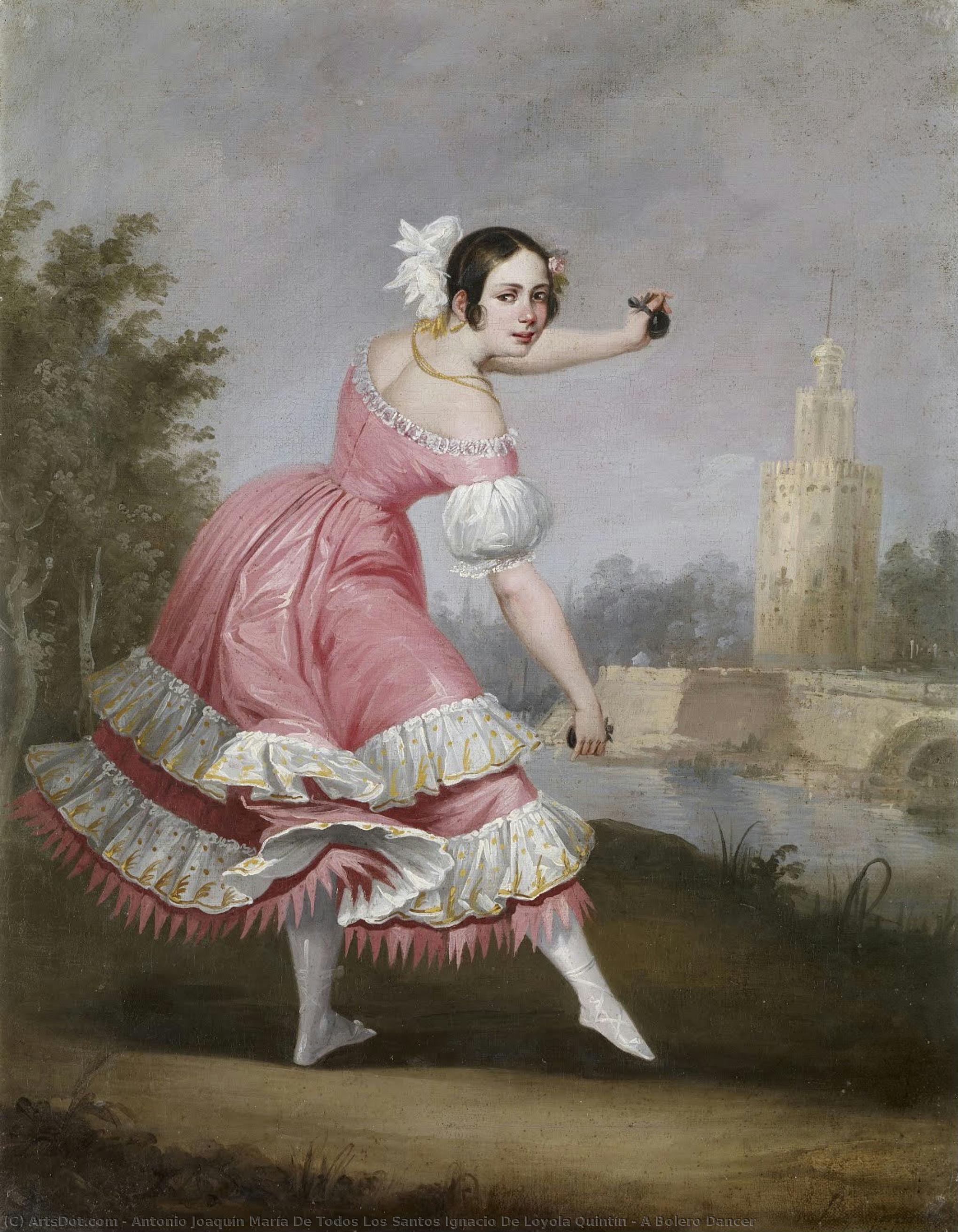
 Anteprima in scala reale
 Condividi
 Condividi
 Dettagli

 Scarica immagine
 Articoli simili
 Radiografia
 Slideshow
A Bolero Dancer
 42.0 x 53.0 cm
 Museo Carmen Thyssen Málaga
 Leggi tutto
Riproduzione a olio fatta a mano
Olio su tela dipinto a mano nelle tue dimensioni e con la tua cornice, realizzato su ordinazione dai nostri artisti. ( Ordina stampa Acquista download)




































Scegli tra le nostre dimensioni predefinite, che rispettano le proporzioni originali dell'opera d'arte.

È possibile inserire dimensioni personalizzate per adattare l'opera a una cornice o a uno spazio specifico. Se la dimensione selezionata non corrisponde alle proporzioni dell'immagine originale, provvederemo a ritagliare l'opera o a estendere il dipinto con elementi aggiuntivi dipinti a mano. Un mockup digitale ti sarà inviato per approvazione prima dell'inizio della produzione.
Si prega di notare che l'anteprima a schermo non riflette il ritaglio o l'estensione effettivi. Solo il mockup mostrerà accuratamente la composizione finale.
Sebbene siano disponibili dimensioni personalizzate, consigliamo di selezionare una dimensione dall'elenco predefinito per preservare le proporzioni originali.
Dopo l'ordine, il team di OriginalUniqueArt.com contatterà il cliente via e-mail per le istruzioni e fornirà un'anteprima del mockup
Consegna in tutto il mondo () in 3/4 settimane anziché nelle normali 5 settimane. (15 Agosto). Nessun compromesso sulla qualità.

Spedizione espressa gratuita in tutto il mondo

Tela in lino di alta qualità

Assicurazione completa sulla spedizione

Garanzia di rimborso dei dazi doganali

Garanzia di fedeltà cromatica dell'originale

Politica di reso entro 60 giorni (solo per difetti di fabbricazione)

Garanzia di rimborso al 100%

Sconto per acquisti multipli
 L'opzione vetro è disponibile solo per dimensioni inferiori a 110 cm

A Bolero Dancer
Tecnica di riproduzione
Dimensioni della riproduzione
-


Prezzo totale
$ 300
Descrizione dell'opera
Biografia dell'artista
Antonio Cabral Bejarano (1798–1861): Andalusian Romanticism Embodied
Antonio Joaquín María de Todos los Santos Ignacio de Loyola Quintín, commonly known as Antonio Cabral Bejarano, was a pivotal figure in Spanish art during the Romantic era. Born in Seville in 1798, he descended from a lineage of painters—his great-grandfather Diego Bejarano—establishing him within a tradition deeply rooted in artistic heritage. This familial connection profoundly shaped his formative years and instilled an early passion for visual expression. Initially trained by his father, Joaquín Cabral Bejarano, Antonio’s artistic journey commenced under the tutelage of a master who would instill in him the foundational principles of neoclassical painting.Early Life & Family Background
Antonio's upbringing was marked by familial ties to prominent artists, notably Joaquin Cabral Bejarano, whose influence extended beyond mere instruction; it fostered an appreciation for artistic legacy and a commitment to upholding established stylistic conventions. His marriage to Escolástica Pérez Junquitu Fernández produced Maria Bejarano, who subsequently married Pedro Cabral, resulting in the birth of Joaquín Cabral Bejarano II, continuing the family’s artistic tradition. This lineage ensured that Antonio received invaluable exposure to artistic excellence from an early age—a formative experience that would shape his aesthetic sensibilities and propel him toward a distinguished career as an artist.Formal Training & Artistic Influences
Antonio's formal education at La Escuela de Tres Nobles Artes (School of Three Noble Arts) provided him with invaluable exposure to contemporary artistic trends and techniques. The resurgence of Romanticism—characterized by emotional intensity, dramatic narratives, and an embrace of imagination—became a dominant force shaping his creative vision. Artists like Eugène Delacroix and Francisco Goya served as crucial inspirations, informing his stylistic choices and thematic preoccupations. Delacroix’s dynamic compositions and expressive brushwork resonated deeply with Antonio's desire to convey emotion through visual media—a hallmark of Romantic painting—while Goya’s unflinching realism challenged conventional artistic norms and encouraged him to explore the complexities of human experience.Career Highlights & Artistic Output
Antonio Cabral Bejarano’s artistic career unfolded against the backdrop of significant historical events—the Napoleonic invasion of Spain and subsequent restoration—influencing his subject matter and artistic endeavors. He actively participated in the decoration of prominent landmarks, including the Convent of the Trinity and the General Archive of the Indies, demonstrating his versatility as a painter and his dedication to serving public commissions. These projects showcased not only technical skill but also an understanding of architectural grandeur and historical commemoration. The meticulous detail with which he rendered these spaces—capturing their textures and colors—reflected his mastery of neoclassical techniques while simultaneously embracing the expressive spirit of Romanticism.- Monumental Decoration Projects: His involvement in decorating the Convent of the Trinity and the General Archive of the Indies exemplifies his commitment to artistic excellence and his responsiveness to societal demands. The Archive’s decoration, commemorating the passage of Portuguese royal families—Maria Isabel de Braganza and Francisca de Braganza—towards Madrid for their marriage ceremonies—represented a masterful blend of historical accuracy and aesthetic beauty.
- Municipal Commissions & Artistic Patronage: Antonio received numerous commissions from Seville's city council, reflecting his reputation as a respected artist and his ability to capture the spirit of Andalusian life. His design for the Temple of Himeneo in Plaza de la Encarnación—a tribute to Ferdinand VII and María Cristina—stands as a testament to his artistic vision and his engagement with religious iconography.
Style & Technique: Costumbrismo & Romantic Expression
Antonio Cabral Bejarano’s artistic style is firmly anchored within the Costumbrismo movement—a distinctly Hispanic genre that sought to depict everyday life and customs with unflinching realism and emotional depth. Unlike idealized depictions prevalent in neoclassical art, Costumbrismo embraced spontaneity and observation, capturing the nuances of Andalusian society through vibrant color palettes and expressive brushstrokes. His paintings frequently portray scenes from Seville’s urban landscape—marketplaces, plazas, and religious processions—infused with palpable emotion and imbued with a sense of immediacy. He skillfully blended Costumbrismo's characteristic realism with Romantic painting's emotive intensity—a stylistic fusion that distinguished his oeuvre and cemented his place as one of the foremost artists of his time.- Costumbrismo Characteristics: Cabral Bejarano's canvases embody Costumbrismo’s core tenets—a focus on portraying authentic Andalusian life, an emphasis on capturing psychological states, and the use of vivid color to convey atmosphere and emotion.
- Brushwork & Color Palette: His technique involved loose brushstrokes and a rich color palette—characteristic of Romantic painting—designed to evoke feelings of warmth, vibrancy, and dramatic intensity.
Antonio Cabral Bejarano
1798 - 1861 , Spagna
Informazioni rapide
- Artistic Movement Or Style: Romantic Painting & Costumbrismo
- Artists Or Movements Influenced By This Artist: ['Neoclassic']
- Artists Who Influenced This Artist: ['Diego Bejarano']
- Date Of Birth: October 31, 1798
- Date Of Death: August 1, 1861
- Full Name: Antonio Joaquín María de Todos los Santos Ignacio de Loyola Quintín
- Nationality: Spanish
- Notable Artworks: ['A Bolero Dancer']
- Place Of Birth: Seville, Spain

