Anteprima in scala reale
 Invia
Invia Condividi
 Dettagli opera
 Guida
Guida

 Scarica
 Simili
 Radiografia
 Slideshow
 Statistiche
Katherine Rosen


 Espandi i dettagli
Riproduzione a olio fatta a mano
Olio su tela dipinto a mano nelle tue dimensioni e con la tua cornice, realizzato su ordinazione dai nostri artisti. ( Passa alle stampe Passa all'immagine digitale)




P118B €10

P118H €10

P118W €10

P438Z €10

P508JH €12

P508YH €12

P805H €10

P805Z €10

P919BZ €10

P919G €10

P919XJ €10

P959ZH €10

P968JZ €12

W106C €8

W218G €10

W218JH €8

W218Y €10

W307PJ €10

W316G €10

W316PJ €8

W316Y €10

W398PJ €8

W4111J €10

W500HY €15

W500JH €15

W692G €12

W849H €8

W940BG €15

W953PJ €8




Scegli tra le nostre dimensioni predefinite, che rispettano le proporzioni originali dell'opera d'arte.

Inserisci la larghezza e l'altezza desiderate, per adattarle alla tua cornice o alla tua parete. Trattandosi di un'opera dipinta a mano, in caso di dimensioni con un formato differente, l'artista può estendere leggermente il dipinto oltre i bordi dell'immagine o ritagliare una piccola parte — la scelta spetta a te. Ti invieremo un mockup digitale da approvare prima che la realizzazione abbia inizio. L'immagine mostrata in questa pagina non rappresenta il risultato finale — solo il mockup lo fa.
Dopo l'ordine, il team di OriginalUniqueArt.com contatterà il cliente via e-mail per ricevere le istruzioni e fornirà un'anteprima del mockup
Consegna in tutto il mondo () in 3/4 settimane anziché nelle normali 5 settimane. (27 Ottobre). Nessun compromesso sulla qualità.

Spedizione espressa gratuita in tutto il mondo

Tela in lino di alta qualità

Assicurazione completa sulla spedizione

Garanzia di rimborso dei dazi doganali

Garanzia di fedeltà cromatica assoluta

Politica di reso entro 100 giorni (solo per difetti di fabbricazione)

Garanzia di rimborso al 100%

Offerta per acquisti multipli
 L'opzione vetro è disponibile solo per dimensioni inferiori a 110 cm

Katherine Rosen
Tecnica di riproduzione
Dimensioni riproduzione
-


Prezzo finale calcolato
€ 264
Un istante sospeso nel tempo: “Katherine Rosen” di George Bellows
Il dipinto del 1921 di George Wesley Bellows, "Katherine Rosen", custodito tra le sacre sale della Yale University Art Gallery, non è un semplice ritratto; è un tableau vivente, accuratamente costruito per evocare domesticità e quieta contemplazione. Più che una mera somiglianza fisica, Bellowdo cattura con maestria un momento fugace: una donna seduta in posa rilassata, avvolta dai familiari comfort della propria dimora. L'opera attira immediatamente lo sguardo verso il suo soggetto centrale, la stessa Katherine Rosen, presentata con un'eleganza discreta che smentisce il dinamismo spesso associato alle opere di Bellows. La sua postura è rilassata ma dignitosa, con le mani delicatamente intrecciate in grembo, suggerendo un senso di pace interiore e padronanza di sé.
Lo stile distintivo di Bellows—una potente fusione di realismo e pennellate espressive—è qui vividamente manifesto. La tavolozza dai toni smorzati, dominata da morbidi marroni, crema e sottili sfumature di verde, crea un'atmosfera di intimità e calore. Le sue pennellate audaci e visibili non sono impiegate per fini drammatici, quanto piuttosto per costruire texture e forme con una precisione straordinaria. Si noti come la luce accarezzi il rivestimento del divano, le delicate pieghe dei tendaggi e persino la tenue lucentezza della pianta in vaso: ogni elemento è reso con una qualità tattile che invita lo spettatore quasi a protendersi per toccarlo. Questa attenzione deliberata al dettaglio rivela l'impegno di Bellows nel ritrarre il mondo così come lo vedeva realmente: ricco di consistenze e intriso di vita.
La Ashcan School e il realismo urbano
Per apprezzare appieno “Katherine Rosen”, è necessario comprenderne il posto all'interno del più ampio contesto dell'arte americana del primo Novecento. Bellows fu una figura cardine della Ashcan School, un movimento che rifiutò i soggetti idealizzati e le tecniche levigate della pittura accademica a favore di una rappresentazione della vita quotidiana, spesso con onestà disarmante. A differenza di molti artisti dell'epoca, concentrati su grandi narrazioni storiche o temi mitologici, la Ashmano School rivolse lo sguardo verso l'interno, documentando le aspre realtà dell'America urbana: i sovraffollati edifici popolari, le vivaci scene di strada e le vite della gente comune.
“Katherine Rosen” incarna pienamente questo spirito realista. L'ambientazione—una stanza confortevole ma modestamente arredata—si distacca nettamente dagli interni opulenti tipicamente raffigurati nella ritrattistica tradizionale. L'inclusione del divano, della pianta e dei vasi non ha una funzione puramente decorativa; essa parla della vita della donna, del suo ambiente e forse persino delle sue aspirazioni. Bellows non era interessato a presentare un'immagine idealizzata di bellezza o ricchezza; il suo obiettivo era catturare un momento autentico dell'esperienza umana.
Simbolismo e risonanza emotiva
Oltre alla sua descrizione realistica, “Katherine Rosen” è carica di sottili simbolismi. La postura seduta della donna suggerisce contemplazione e forse persino malinconia. Le mani intrecciate in grembo sono un gesto di riflessione silenziosa—una pausa nel ritmo incessante della vita moderna. Gli oggetti circostanti—il divano, la pianta e i vasi—possono essere interpretati come simboli di domesticità, conforto e connessione con la natura. L'orologio sulla parete ci ricorda sottilmente il passare del tempo, aggiungendo un ulteriore strato di complessità alla scena.
L'uso magistrale della luce e dell'ombra da parte di Bellows esalta ulteriormente l'impatto emotivo del dipinto. La luce morbida e diffusa crea un senso di intimità, mentre le ombre delicate conferiscono profondità e dimensione alla composizione. L'effetto complessivo è di una bellezza silenziosa—un monito toccante dei piaceri semplici della vita quotidiana. È un ritratto che ci invita a rallentare, osservare e apprezzare la bellezza che risiede nell'ordinario.
Un'eredità dell'arte americana
“Katherine Rosen” si erge come una testimonianza del talento straordinario di George Bellows e della sua profonda comprensione della condizione umana. La sua capacità di catturare non solo la somiglianza fisica, ma anche la profondità emotiva e la sfumatura psicologica, è ciò che rende questo dipinto così perdurante e affascinante. Insieme a opere come “Little Girl in White (Queenie Burnett)” e “The Rope”, "Katherine Rosen" esemplifica l'impegno di Bellows nel ritrarre la vita americana con onestà, empatia e un occhio acuto per il dettaglio. Le riproduzioni di quest'opera iconica offrono una straordinaria opportunità per portare lo spirito della Ashcan School in qualsiasi spazio, ricordandoci il potere dell'arte di illuminare la nostra esperienza umana condivisa.
Domande e risposte
Qual è il formato di stampa consigliato per "Katherine Rosen" – che dimensioni e quale orientamento?
Per una stampa di "Katherine Rosen" di George Wesley Bellows, si consiglia il formato Dimensioni standard con orientamento Formato verticale.
Che posto occupa "Katherine Rosen" tra i temi ricorrenti di George Wesley Bellows?
"Katherine Rosen" raffigura ritratto, interno, donna, divano, vaso, armonia, equilibrio, mentre i temi ricorrenti di George Wesley Bellows sono realismo della ashcan school, vita urbana, modernità americana, commento sociale, scene di pugilato, energia dinamica, ritrattistica, osservazione intima. Il confronto tra i due evidenzia come l'opera si relazioni con i soggetti abituali dell'artista.
"Katherine Rosen" di George Wesley Bellows è di pubblico dominio?
Stato del copyright per "Katherine Rosen" di George Wesley Bellows: l'opera è di pubblico dominio - il copyright è scaduto. Ciò determina se sia possibile effettuare liberamente riproduzioni dell'immagine.
Biografia dell'artista
La Giovinezza e la Formazione
George Wesley Bellows, figura di spicco nell'arte americana, nacque il 12 o il 19 agosto 1882 a Columbus, Ohio. Era figlio unico di George Bellows e Anna Wilhelmina Smith Bellows. La sua precoce inclinazione per l'arte si manifestò fin da bambino, con disegni che riempivano le sue prime pagine prima ancora di iniziare la scuola elementare.La Carriera Artistica
Il percorso artistico di Bellows iniziò con illustrazioni commerciali, evolvendo poi verso una carriera pittorica. Frequentò l'Ohio State University (1901-1904), dove si distinse non solo per le sue capacità artistiche ma anche come atleta, giocando nelle squadre di baseball e basket. Tuttavia, la sua vera passione risiedeva nell'arte, spingendolo a trasferirsi a New York City nel 1904 per studiare sotto la guida di Robert Henri. Bellows si associò al movimento "The Eight" e alla Scuola Ashcan, promuovendo la rappresentazione della società americana contemporanea. Nel 1906 aprì un suo studio in Broadway Street, segnando l'inizio della sua prolifica carriera. La sua prima mostra importante nel 1908 presentò studi urbani, inizialmente criticati per la loro tecnica "grezza", ma riconosciuti anche per la loro audacia e innovazione.Opere Principali e Contributi
Opere Chiave:- The Germans Arrive (1918) – una serie di litografie e dipinti che raffiguravano graficamente le atrocità commesse dalla Germania durante l'invasione del Belgio.
- Eredità e Significato Storico George Wesley Bellows morì l'8 gennaio 1925, ma la sua eredità come "l'artista americano più acclamato della sua generazione" (secondo il Columbus Museum of Art) continua a vivere. Le sue audaci rappresentazioni della vita urbana a New York City continuano ad ispirare e influenzare l'arte contemporanea. La sua capacità di combinare realismo, dinamismo e un forte senso sociale lo ha reso una figura chiave nell'evoluzione dell'arte americana del XX secolo.
- Visualizza altre opere di George Wesley Bellows su OriginalUniqueArt.com
- Esplora la collezione del New York Public Library su OriginalUniqueArt.com
Riferimenti
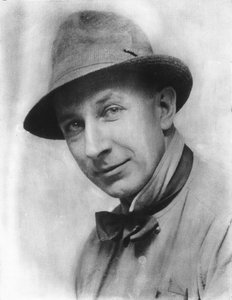
George Wesley Bellows
1882 - 1925 , Stati Uniti d'America
Dettagli rapidi
- Artisti Influenti: ['Robert Henri']
- Data Di Nascita: 12 agosto 1882
- Luogo Di Nascita: Columbus, Stati Uniti
- Movimento Artistico: Ashcan School, Realismo americano
- Nazionalità: Americana
- Nome Completo: George Wesley Bellows
- Opere Notevoli:
- Central Park
- The Germans Arrive
- Margarite
- Uomini del Porto
Articoli correlati

American Realism: Social Commentary & Artistic Representation in Early 20th-Century Painting
Explore the powerful social commentary & artistic representation of American Realism. Discover key artists like Bellows & Sloan, and understand the movement's lasting impact on 20th-century art history.

Grant Wood e il Regionalismo Americano: Identità, Mito e Paesaggio Rurale
Esplora il Regionalismo Americano con Grant Wood e i suoi capolavori. Analisi approfondita di 'American Gothic', contesto storico, influenze artistiche e l'eredità di questo movimento iconico. Scopri la vera essenza dell'arte rurale americana.

The Unvarnished Truth: A Cultural Journey Through the Soul of American Realism
Explore the profound beauty of American Realism. From the Ashcan School's urban grit to intimate portraits, discover how artists captured the authentic soul of a nation through unvarnished truth and masterful observation.

Realismo Americano: 10 Capolavori che Hanno Definito un'Epoca | OriginalUniqueArt
Esplora i 10 capolavori del Realismo Americano con OriginalUniqueArt. Scopri Andrew Wyeth, Edward Hopper e George Bellows. Quadri iconici, storie uniche e riproduzioni di alta qualità per la tua casa. Esplora la collezione online!
American Realism: Capturing the Raw Soul of a Nation Through the Lens of Art History
Explore the profound depth of American Realism. From the gritty Ashcan School to poignant social landscapes, discover how masters captured the raw soul of a nation through evocative oil paintings and timeless art history.