Ritratto Georgiano · 1779
Mrs. Musters (George Romney, 1779)
George Romney (1734–1802) ha realizzato Mrs. Musters. Risale al 1779. Fa parte del movimento Ritratto Georgiano. È realizzato in Olio su tela. È conservata presso il Kenwood House a Londra, Regno Unito.
- 1779
- Olio su tela
- Kenwood House, Londra

 Anteprima in scala reale

 Dipinto a olio fatto a mano
 Invia
 Condividi
 Scheda didattica


 Scarica
 Simili
 Radiografia
 Slideshow
 Domande e risposte

 Statistiche
Mrs. Musters, in breve
- Titolo
- Mrs. Musters
- Artista
- George Romney (1734–1802)
- Artista nato a
- Dalton-in-Furness, Regno Unito
- Date
- 1779
- Tecnica
- Olio su tela
- Dove vederlo
- Kenwood House, Londra, Regno Unito
- Movimento
- Ritratto Georgiano
- Epoca
- XIX secolo
- Soggetto
- ritrattistica, eleganza, femminilità, epoca georgiana, drappeggio, gioielli
Cosa raffigura Mrs. Musters?
A Portrait of Refined Grace: Mrs. Musters by George Romney
George Romney’s “Mrs. Musters,” painted in 1779, offers a captivating glimpse into the world of Georgian portraiture – a realm defined by elegance, social status, and an acute awareness of artistic convention. This exquisite piece, depicting a woman of considerable standing, transcends a simple likeness; it's a carefully constructed tableau of wealth, refinement, and the burgeoning societal expectations surrounding female identity in late 18th-century Britain. The painting’s immediate appeal lies in its subject – Mrs. Musters herself – presented with a serene smile that suggests both composure and an underlying warmth. Her attire, meticulously rendered with a blue hat adorned with white trim, a flowing black dress, and the subtle gleam of a pearl necklace, speaks volumes about her position within the social hierarchy.
The Hand of the Master: Romney’s Technique
Romney's skill as a portraitist is immediately apparent in the delicate handling of light and shadow. He employs a technique known as *sfumato*, subtly blurring edges to create an almost dreamlike quality, particularly around Mrs. Musters’ face and hands. This approach wasn’t merely stylistic; it was integral to Romney's method of capturing not just physical appearance but also the sitter’s personality – their mood, their confidence, even a hint of melancholy. The greenish-yellow background, far from being a mere decorative element, serves to illuminate Mrs. Musters and subtly emphasize her importance within the composition. Note the careful attention to detail in the rendering of the fabric, achieved through layered brushstrokes that convey both texture and movement.
Historical Context: A Society Defined by Portraiture
"Mrs. Musters" was created during a pivotal period in British history – the late 18th century, a time of significant social and political change. Portraiture flourished as a means of solidifying status and demonstrating wealth. Commissioning a portrait was an investment, not just in art but also in one’s reputation. Romney's clientele included prominent figures from across society, reflecting his versatility and ability to capture the nuances of various personalities. The painting’s style—a blend of classical influences with emerging British sensibilities—reflects this dynamic environment.
Symbolism and Emotional Resonance
Beyond its aesthetic qualities, “Mrs. Musters” is laden with symbolic meaning. The woman's posture, the gentle curve of her hand resting on her lap, and her serene expression all contribute to a sense of quiet dignity and self-assurance. The pearl necklace, a timeless symbol of wealth and status, further reinforces this impression. Romney masterfully captures not just a physical likeness but also an emotional state – a feeling of contained grace and perhaps even a touch of wistful contemplation. This is more than just a portrait; it’s a carefully constructed narrative about identity, social standing, and the complexities of human emotion.
In quale museo si trova Mrs. Musters?
Kenwood House
Londra, Regno Unito
Scopri Kenwood House: Un Gioiello Storico a Londra Kenwood House è una splendida dimora nobiliare situata ai margini settentrionali di Hampstead Heath a Londra. Famosa per il suo brillante design architettonico e la sua ricca collezione d'arte , offre ai visitatori uno sguardo unico sul patrimonio culturale e storico dell'Inghilterra. Specializzazioni e Aspetti Notabili Capolavoro Architettonico: Remodellata nel XVIII secolo dall'illustre architetto scozzese Robert Adam , Kenwood House presenta un elegante design neoclassico e interni lussuosi.


Immagini ad alta risoluzione di Mrs. Musters
Pubblico dominio: l'artista è deceduto nel 1802.
George Romney, Mrs. Musters (1779), Kenwood House. Pubblico dominio
Domande su Mrs. Musters, risposte
Dove è esposta oggi l'opera "Mrs. Musters" di George Romney?
"Mrs. Musters" di George Romney è esposta presso Kenwood House, Londra, Regno Unito. La scheda del museo si riferisce all'opera originale e non a riproduzioni.
In che anno è stata realizzata l'opera "Mrs. Musters" di George Romney?
L'opera "Mrs. Musters" di George Romney risale al 1779.
Con quale tecnica è realizzata "Mrs. Musters" di George Romney?
George Romney ha utilizzato la tecnica del Olio su tela per "Mrs. Musters". La tecnica definisce la natura materica dell'opera originale.
Cosa rappresenta "Mrs. Musters" di George Romney?
I soggetti di "Mrs. Musters" sono ritrattistica, eleganza, femminilità, epoca georgiana, drappeggio, gioielli, calma.
L'immagine di "Mrs. Musters" di George Romney può essere riprodotta liberamente?
Per quanto riguarda il copyright, "Mrs. Musters" è di pubblico dominio - il copyright è scaduto.
Chi è l'artista dietro "Mrs. Musters"?
L'artista che ha creato "Mrs. Musters" è George Romney. L'opera è catalogata sotto il nome di George Romney.
A quale corrente artistica appartiene "Mrs. Musters" di George Romney?
"Mrs. Musters" di George Romney appartiene al movimento Ritratto Georgiano. Questo movimento fornisce il contesto stilistico dell'opera.
A quale fase della carriera di George Romney appartiene "Mrs. Musters"?
"Mrs. Musters" appartiene al Periodo Maturo della carriera di George Romney. Questa classificazione riconduce l'opera all'evoluzione dell'artista.
Che età aveva George Romney quando ha realizzato "Mrs. Musters"?
Quando "Mrs. Musters" fu creata nel 1779, George Romney - nato nel 1734 - aveva 45 anni.
Informazioni sull'artista, George Romney

1734–1802, Regno Unito
George Romney
Primi Anni, Famiglia e Formazione Nato il 26 dicembre 1734 a Beckside, Dalton-in-Furness, nel Lancashire, George Romney entrò in un mondo fatto di artigianato pratico e dedizione manuale. Era il terzo di undici figli nati da John Romney, un ebanista, e Anne Simpson. I suoi primi anni furono plasmati dai ritmi domestici di una numerosa famiglia nel nord-ovest dell'Inghilterra. Sebbene frequentasse la scuola nella vicina Dendron, la sua istruzione formale fu breve: all'età di undici anni fu infatti ritirato dagli studi per iniziare un apprendistato nell'attività di ebanisteria del padre.
Altre opere di George Romney
 Lady Hamilton come Circe1782
 Ritratto di Emma Hart [in seguito Lady Hamilton] come Miranda1785
 Ritratto di John Wesley1789
 Ritratto del Viceammiraglio Sir Hyde Parker, 5° Baronet1782
Saggi su Mrs. Musters
 I 25 capolavori di George Romney: l'eleganza senza tempo del ritratto britannicoEsplora i 25 capolavori di George Romney: un viaggio tra l'eleganza georgiana e la maestria del ritratto britannico. Scopri la storia e la …
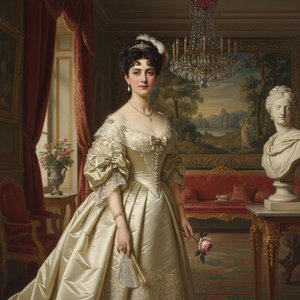 Raimundo de Madrazo: Capturing the Elegance of Spain’s Gilded Age AristocracyExplore the captivating world of Raimundo de Madrazo, master portraitist of Spain’s Gilded Age elite. Discover his artistic evolution, Pari…
 25 Capolavori da non perdere al Smithsonian American Art MuseumScopri i capolavori del Smithsonian American Art Museum, da Hopper a O'Keeffe. Esplora la collezione su OriginalUniqueArt.com.