

 Anteprima in scala reale
 Condividi
 Condividi
 Dettagli
 Guida stampabile

 Scarica
 Articoli simili
 Radiografia
 Slideshow
 Statistiche
Stalingrad
 Acrilico su tela
- Opere da parete
- Cubist
 32.0 x 50.0 cm
 Leggi tutto
Giclée / Stampe d'arte
Stampa giclée o su tela di qualità museale, con produzione rapida e diverse opzioni di finitura. ( Ordina la riproduzione dipinta a mano Passa all'immagine digitale)




P118B €10

P118H €10

P118W €10

P438Z €10

P508JH €12

P508YH €12

P805H €10

P805Z €10

P919BZ €10

P919G €10

P919XJ €10

P959ZH €10

P968JZ €12

W106C €8

W218G €10

W218JH €8

W218Y €10

W307PJ €10

W316G €10

W316PJ €8

W316Y €10

W398PJ €8

W4111J €10

W500HY €15

W500JH €15

W692G €12

W849H €8

W940BG €15

W953PJ €8




Scegli tra le nostre dimensioni predefinite, che rispettano le proporzioni originali dell'opera d'arte.

Inserisci la larghezza e l'altezza desiderate, per adattarle alla tua cornice o alla tua parete. Una stampa può essere solo ritagliata, mai resa più grande dell'immagine originale; pertanto, un formato con una forma differente comporterà la perdita di una parte dell'opera. Ti invieremo un mockup digitale da approvare prima di procedere con la stampa. L'immagine mostrata in questa pagina non rappresenta il ritaglio reale — solo il mockup lo mostra.
Consegna in tutto il mondo () in 2 settimane invece delle normali 4/5 settimane. (22 Ottobre)

Spedizione espressa gratuita in tutto il mondo

Tela in lino di alta qualità

Assicurazione completa sulla spedizione

Garanzia di rimborso dei dazi doganali

Garanzia di perfetta fedeltà cromatica

Politica di reso entro 100 giorni (solo per difetti di fabbricazione)

Garanzia di rimborso al 100%

Sconto per acquisti multipli
 L'opzione vetro è disponibile solo per dimensioni inferiori a 110 cm

Stalingrad
Giclée / Stampe d'arte
Dimensioni della riproduzione
-


Prezzo totale
€ 70
Stalingrad: A Geometric Echo of War
Fernand Léger’s “Stalingrad” stands as a striking testament to Cubism's audacious embrace of modernity, transforming the brutal realities of World War II into a visual language defined by fractured forms and monumental abstraction. Painted circa 1943, during the height of Nazi occupation in France, this artwork transcends mere depiction; it seeks to convey the psychological impact of conflict through a meticulously crafted geometric composition. Léger’s intention wasn't simply to record what he saw but to distill the essence of industrial struggle into an enduring symbol of resilience and determination.Composition and Style: Deconstructing Reality
The canvas explodes with angular shapes—primarily cubes, pyramids, and rectangles—that dominate the scene. These forms aren’t rendered realistically; instead, they overlap and intersect, creating a dynamic interplay that mimics the chaotic energy of wartime production. Léger employs a technique characteristic of Tubism – developed alongside Picasso – where objects are broken down into constituent planes and reconstructed in multiple perspectives simultaneously. This deliberate fragmentation mirrors the shattered landscape of Stalingrad, conveying not just visual information but also an emotional sense of disorientation and upheaval. The absence of traditional perspective forces the viewer to confront the scene from various viewpoints, mirroring the multifaceted experience of confronting war’s devastation.Color Palette and Texture: Stark Minimalism
“Stalingrad” is bathed in a monochrome palette dominated by shades of gray, black, and white—a deliberate choice that amplifies the artwork's solemn mood. Léger eschews vibrant hues, prioritizing tonal variation to emphasize the severity of the subject matter. The surface texture appears smooth, likely achieved through oil paint applied with meticulous care, avoiding visible brushstrokes that would detract from the geometric precision of the composition. This textural restraint contributes to the overall feeling of austerity and reinforces the artwork’s symbolic representation of hardship endured during wartime.Symbolism: Machines as Embodiments of Strength
The prominent machinery – excavators and cranes – depicted within “Stalingrad” aren't merely decorative elements; they represent the tireless effort required for rebuilding society amidst destruction. Léger elevates these industrial tools into symbols of human perseverance, mirroring the spirit of Stalingrad’s defenders. The geometric abstraction itself speaks to a broader philosophical concern: the Cubist impulse to dismantle preconceived notions of representation and explore fundamental visual principles aligns with Léger's belief in the transformative power of art to communicate complex ideas about humanity’s relationship with technology and progress.Historical Context and Legacy
Created during the Second World War, “Stalingrad” reflects the anxieties and aspirations of a generation grappling with unprecedented challenges. Léger’s artwork anticipates the stylistic innovations of Pop Art, demonstrating how abstraction could effectively convey emotional resonance while retaining intellectual rigor. Today, reproductions of “Stalingrad” continue to inspire interior designers seeking bold statements that embody strength and resilience—a timeless reminder of art's ability to capture both the visual drama and profound psychological significance of historical moments.Domande e risposte
Dove e per quale scopo è consigliata "Stalingrad"?
"Stalingrad" di Fernand Léger è consigliato per Accento cromatico, idealmente in un Zona giorno. L'uso e lo spazio aiutano a individuare l'ambiente ideale per una riproduzione.
Chi ha creato "Stalingrad" e in quale stile è realizzato?
Fernand Léger ha creato "Stalingrad" all'interno del movimento Cubist.
Quale formato di stampa di "Stalingrad" di Fernand Léger si adatta alla stanza consigliata?
L'abbinamento consigliato per "Stalingrad" di Fernand Léger: una stampa di dimensioni Formato grande in un/una Zona giorno.
Biografia dell'artista
vitae e formazione
Fernand Léger, pittore, scultore e filmmaker francese, nacque il 4 febbraio 1881 ad Argentan, Orne, nella bassa Normandia. Suo padre allevava bovini e Léger iniziò la sua formazione come architetto nel 1897-1899. Successivamente si trasferì a Parigi nel 1900, sostenendosi con il lavoro di disegnatore architettonico.sviluppo artistico
Le prime opere di Léger furono influenzate dall'impressionismo, come visto in Le jardin de ma mère (Il giardino di mia madre) (1905). Dopo aver frequentato la scuola d'arte decorativa e l'Académie Julian, iniziò a lavorare seriamente come pittore a 25 anni. Il suo stile si evolse in una forma personale di cubismo, che i critici definirono "tubismo" per la sua enfasi su forme cilindriche.Cubismo e il gruppo dei Puteaux
Nel 1910, Léger espose al Salon d'automne insieme a Jean Metzinger e Henri Le Fauconnier. Entrò nel gruppo dei Puteaux, noto anche come la sezione d'or (la sezione aurea), insieme ad altri artisti come Francis Picabia e Marcel Duchamp.Guerra e la sua influenza sull'opera di Léger
Le esperienze di Léger nella Prima Guerra Mondiale ebbero un impatto significativo sulla sua opera. Durante il suo tempo al fronte, produsse schizzi di pezzi d'artiglieria, aerei e soldati. Il suo dipinto Soldier with a Pipe (1916) riflette questo periodo.Lavoro successivo e eredità
Il lavoro post-bellico di Léger, caratterizzato da forme meccaniche lisce, lo legò alla tradizione della pittura figurativa francese. I suoi paesaggi animati del 1921 mostrarono figure e animali in forme armoniose e razionalizzate.- visualizza le opere di Fernand Léger su OriginalUniqueArt
- altro sul Fernand Léger su Wikipedia
- scopri il Musée National Fernand Légère (Francia) con OriginalUniqueArt
- La donna seduta (100 x 81 cm, tubismo)
- Elemento macchina (cubismo)

Fernand Léger
1881 - 1955 , Francia
Informazioni rapide
- Artisti Influenti:
- Cézanne
- Impressionismo
- Artisti Influenzati: ['Pop Art']
- Data Di Nascita: 4 febbraio 1881
- Luogo Di Nascita: Argentan, Francia
- Movimento Artistico: Cubismo, Tubismo
- Nazionalità: Francese
- Nome Completo: Fernand Léger
- Opere Notevoli:
- La Grande Parata
- L'Elemento Macchina
- Donna Seduta
- The City
Articoli correlati
Arte Industriale: 10 Capolavori che Rivoluzionano l'Estetica e Decorano la Casa
Esplora 10 capolavori di Monet, Manet e altri maestri che catturano l'essenza dell'arte industriale. Scopri storie, tecniche e colori unici per decorare la tua casa con stampe su tela di alta qualità. OriginalUniqueArt.com: arte collezione online.

Neo-Abstract Art: The High-Impact Evolution of Modern Visual Energy and Geometric Sophistication
Discover the power of Neo-Abstract art. Explore how bold geometric forms and high-impact visual energy are redefining modern design. Learn to curate sophisticated, high-energy spaces with the latest trends in contemporary abstraction and structural color.

Astrazione Geometrica: 10 Capolavori che Hanno Definito un Movimento Artistico
Esplora i 10 capolavori dell'Astrazione Geometrica: Mondrian, Malevich e Kandinsky rivoluzionano l'arte moderna. Scopri la storia, i colori e le tecniche di questi movimenti iconici. Stampe d'arte di alta qualità su OriginalUniqueArt.com!
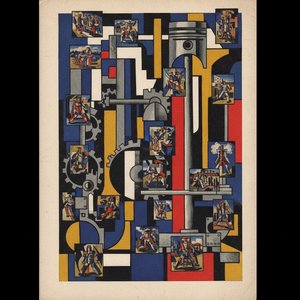
Fernand Léger: I 25 Capolavori che Hanno Definito l'Arte Moderna | OriginalUniqueArt
Esplora i 25 capolavori di Fernand Léger, pioniere del cubismo e del tubismo. Scopri la storia, le tecniche e l'impatto dell'arte moderna francese. Stampe d'arte e riproduzioni su OriginalUniqueArt.com.

Beyond Form & Color: Geometric Abstraction's Evolution in 20th/21st Century Art
Explore the evolution of geometric abstraction from Cubism to contemporary art. Discover key artists like Malevich & Mondrian, investment insights, and expert collecting advice at OriginalUniqueArt.


