Symbolism · 1893
Moonlight (Edvard Munch, 1893)
Edvard Munch (1863–1944) ha realizzato Moonlight. Risale al 1893. Fa parte del movimento Symbolism. È realizzato in Acrilico su tela. È conservata presso il National Museum of Art, Architecture and Design a Oslo, Norvegia. Le dimensioni sono 140 × 135 cm.
- 1893
- Acrilico su tela
- 140 × 135 cm
- National Museum of Art, Architecture and Design, Oslo

 Anteprima in scala reale

 Dipinto a olio fatto a mano
 Invia
 Condividi
 Scheda didattica


 Scarica
 Simili
 Radiografia
 Slideshow
 Domande e risposte

 Statistiche
Moonlight, in breve
- Titolo
- Moonlight
- Artista
- Edvard Munch (1863–1944)
- Artista nato a
- Ådalsbruk, Norvegia
- Date
- 1893
- Tecnica
- Acrilico su tela
- Dimensioni
- 140 × 135 cm
- Dove vederlo
- National Museum of Art, Architecture and Design, Oslo, Norvegia
- Movimento
- Symbolism
- Epoca
- Età Moderna
- Soggetto
- moonlight, woman, porch, window, shadows, symbolism
Cosa raffigura Moonlight?
Moonlight
Edvard Munch, a pivotal figure in modern art, created the captivating painting Moonlight in 1893. This oil on canvas artwork is a quintessential representation of the Symbolism movement, characterized by its emphasis on emotional experience and subjective interpretation. It’s a piece that transcends mere visual depiction, inviting viewers into a realm of feeling and contemplation—a hallmark of Munch's artistic vision.The Painting's Composition
The painting depicts a woman standing on a porch in front of a house, gazing through a window into the interior. The scene is bathed in an eerie moonlight, casting long shadows that add to the sense of mystery and intrigue. A chair near the woman suggests she was sitting before moving to the porch, further enhancing the enigmatic atmosphere. Munch meticulously crafted this composition, prioritizing mood and psychological resonance over strict realism—a deliberate choice reflecting the core tenets of Symbolism. The placement of the chair contributes significantly to the feeling of isolation and vulnerability conveyed by the image.Symbolism and Light
Light plays a crucial role in Moonlight, as it does in many Symbolist works. The moon's glow illuminates the scene, creating a sense of depth and framing the nocturnal panorama. This use of light is not merely technical but also symbolic, often associated with divinity and emotional experience. Munch skillfully employed chiaroscuro—the dramatic contrast between light and dark—to heighten the painting’s expressive power. He understood that light could embody both beauty and terror, mirroring the complexities of human emotion.Artistic Techniques
Munch employed various techniques to capture the essence of light in his painting. The smooth rendering of moonlit clouds contrasts with the more vigorous brushstrokes used for the natural world, emphasizing texture and raw emotion. This blend of styles contributes to the overall mood and place, transcending mere representation. He achieved this effect through layering thin glazes of paint—a technique that allowed him to build up luminous surfaces while maintaining a palpable sense of materiality. The artist’s deliberate brushwork underscores his intention to convey feeling rather than simply documenting visual reality.Expressionism and Influence
Moonlight is also linked to Expressionism, a movement that emerged in the early 20th century. Munch's expressive use of color transitions from vibrant blues to warm earth tones, creating an atmosphere that is both tranquil and charged with potential energy. This stylistic fusion anticipates many developments in subsequent artistic movements—a testament to Munch’s pioneering spirit. The painting embodies a profound preoccupation with psychological states—fear, anxiety, melancholy—themes central to Expressionist art.Other Relevant Works by Edvard Munch
- Moon Light (1895) - A similar work capturing the emotive power of symbolism. - Night in Saint-Cloud (1890) - Another nocturnal scene with a melancholy mood. - The Screaming Man (1893) - A visceral depiction of psychological torment—a cornerstone of Munch’s oeuvre. ## Conclusion Moonlight by Edvard Munch is a masterpiece that encapsulates the essence of Symbolism and Expressionism. Its evocative use of light, color, and composition invites viewers to ponder the deeper meanings and emotions stirred by nightscapes. This painting is a testament to Munch's ability to express emotional experiences through art—a skill that continues to resonate with audiences today. For more information on Edvard Munch and his works, visit /art/list/?Filter=Edvard-Munch. To explore the Symbolism movement further, see https://en.wikipedia.org/wiki/Symbolism_(arts). To own a handmade oil painting reproduction of Moonlight, visit /art/list/?Filter=8YDGL8/$File/Edvard-Munch-Moonlight.JPG.In quale museo si trova Moonlight?
National Museum of Art, Architecture and Design
Oslo, Norvegia
Origini e Storia dell'Istituzione Il National Museum of Art, Architecture and Design custodisce la collezione pubblica dello Stato norvegese, un tesoro che spazia tra arte, architettura e oggetti di design. Situata ad Oslo, in Norvegia, l'istituzione è di proprietà statale e gestita dal Ministero della Cultura norvegese. La sua forma attuale è nata nel 2003 grazie alla fusione di diverse entità distinte, tra cui il Museo di Architettura, il Museo di Arte Industriale, il Museo delle Arti Decorative e del Design, il Museo di Arte Contemporanea e la Galleria Nazionale della Norvegia.


Immagini ad alta risoluzione di Moonlight

Pubblico dominio: l'artista è deceduto nel 1944.
Altre dimensioni, ritagli e citazioni →Edvard Munch, Moonlight (1893).
Edvard Munch (1863–1944), Moonlight, 1893, acrilico su tela, National Museum of Art, Architecture and Design, Oslo, Norvegia. Pubblico dominio Immagine di OriginalUniqueArt.com.
Domande su Moonlight, risposte
Dove è esposta oggi l'opera "Moonlight" di Edvard Munch?
"Moonlight" di Edvard Munch è esposta presso National Museum of Art, Architecture and Design, Oslo, Norvegia. La scheda del museo si riferisce all'opera originale e non a riproduzioni.
In che anno è stata realizzata "Moonlight"?
"Moonlight" risale al 1893. Questa data colloca l'opera all'interno della carriera di Edvard Munch e del suo periodo storico.
Con quale tecnica è realizzato "Moonlight"?
La tecnica utilizzata per "Moonlight" di Edvard Munch è Acrilico su tela. Le riproduzioni mirano a restituire l'aspetto di questa tecnica.
Quali sono le dimensioni dell'originale "Moonlight" di Edvard Munch?
L'originale "Moonlight" di Edvard Munch misura 140 x 135 cm.
Qual è il soggetto di "Moonlight"?
"Moonlight" di Edvard Munch raffigura: moonlight, woman, porch, window, shadows, symbolism, expressionism, nightscape.
"Moonlight" di Edvard Munch è di pubblico dominio?
Stato del copyright per "Moonlight" di Edvard Munch: l'opera è di pubblico dominio - il copyright è scaduto. Ciò determina se sia possibile effettuare liberamente riproduzioni dell'immagine.
A quale artista è attribuito "Moonlight"?
L'artista che ha creato "Moonlight" è Edvard Munch. L'opera è catalogata sotto il nome di Edvard Munch.
A quale stile appartiene "Moonlight"?
"Moonlight" di Edvard Munch appartiene al movimento Symbolism. Questo movimento fornisce il contesto stilistico dell'opera.
A quale periodo della carriera di Edvard Munch appartiene "Moonlight"?
All'interno della carriera di Edvard Munch, "Moonlight" appartiene al Mature Period. Questa fase permette di confrontarla con le altre opere dell'artista.
Informazioni sull'artista, Edvard Munch
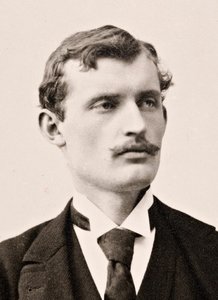
1863–1944, Norvegia
Edvard Munch
La Vita e l'Identità di Edvard Munch Edvard Munch è stato un pittore norvegese la cui esistenza è rimasta profondamente legata ai paesaggi e all'atmosfera densa della sua terra natia. Nato il 12 dicembre 1863, ha trascorso gran parte della sua vita ad esplorare le complessità della psiche umana attraverso il pennello e le tecniche di stampa. La sua opera è apparsa spesso come un'estensione diretta dei suoi tormenti interiori, trasformando emozioni private in qualcosa di visibile e universale. È rimasto una presenza vibrante nel mondo dell'arte fino alla sua morte, avvenuta il 23 gennaio 1944.
Altre opere di Edvard Munch
 Il Grido1893
 Vampyren nasjonalgalleri Oslo
 Pubertà1914
 Anxiety 21894

Saggi su Moonlight
 Impressionismo vs. Espressionismo: Catturare la luce e l'emozioneScopri le differenze tra Impressionismo ed Espressionismo con un'analisi tecnica ed emotiva. Approfondisci la storia dell'arte ora.
 Opere norvegesi degli anni '20Scopri l'espressionismo di Edvard Munch e Nikolai Astrup negli anni '20. Esplora la collezione su OriginalUniqueArt.com.
 Opere norvegesi degli anni '90Scopri l'espressionismo di Edvard Munch e l'arte norvegese degli anni '90. Esplora la collezione su OriginalUniqueArt.com.