School of Paris · 1928
Rita van Leer (André Derain, 1928)
André Derain (1880–1954) ha realizzato Rita van Leer. Risale al 1928. Fa parte del movimento School of Paris. È realizzato in Oil On Panel. Le dimensioni sono 41 × 34 cm.
- 1928
- Oil On Panel
- 41 × 34 cm

 Anteprima in scala reale

 Dipinto a olio fatto a mano
 Invia
 Condividi
 Scheda didattica


 Scarica
 Simili
 Radiografia
 Slideshow
 Domande e risposte

 Statistiche
Rita van Leer, in breve
- Titolo
- Rita van Leer
- Artista
- André Derain (1880–1954)
- Artista nato a
- Chatou, Francia
- Date
- 1928
- Tecnica
- Oil On Panel
- Dimensioni
- 41 × 34 cm
- Movimento
- School of Paris
- Epoca
- Modern
- Soggetto
- woman, portrait, face, shoulders, gray, black
Cosa raffigura Rita van Leer?
The Portrait of Rita van Leer
In this intimate portrait, André Derain turns his attention to Rita van Leer. Created about 1928, the work moves away from the loud colorism of his earlier years, focusing instead on the quiet presence of the sitter. There is a certain stillness here, a moment captured in a way that prioritizes her character over a mere photographic likeness. She meets the viewer with a directness that feels both personal and somewhat guarded.
André Derain captures the subject with an expressive likeness, favoring the essence of her personality over rigid, academic precision. The portrait focuses on the head and shoulders, stripping away unnecessary distractions to ensure the viewer's attention remains fixed upon her gaze. It is a study of a person rather than a mere likeness, offering a glimpse into a specific, fleeting moment of her life.
Composition and Visual Elements
The composition is centered entirely upon the woman’s face, which occupies the majority of the frame. Presented in a close-up view, the subject's head and shoulders emerge from a dark, minimalist background. This lack of environmental detail ensures that the viewer's attention remains fixed on the sitter. Her head is slightly tilted, a subtle movement that introduces a sense of dynamism to an otherwise still moment.
There is a directness in her gaze, as she looks straight toward the viewer. This connection is established through the careful placement of her features and the use of tonal variations rather than sharp, photographic lines. Light and shadow work together to define the contours of her face, creating a sense of three-dimensionality through the layering of different shades.
Technique and Artistic Style
The work is characteristic of early modern art, leaning into the expressive possibilities of Fauvism and Expressionism. Rather than seeking photographic accuracy, the artist employs a loose and gestural application of paint to capture the sitter. There is a palpable sense of immediacy here, driven by the visible brushstrokes that define the form. This approach prioritizes the emotional essence of the subject over a strictly realistic representation.
One notices how the artist uses short, choppy strokes to build up the features of the face and the contours of the hair. This method creates a textured, almost rugged surface. The use of thick impasto is particularly evident, providing a physical depth that makes the paint feel sculptural. These heavy applications of pigment allow the light to catch the ridges of the brushwork, adding a sense of movement to the portrait.
Materials and Physical Properties
This work is executed in oil paint, applied with a deliberate and textured hand. The artist has worked upon a surface of either canvas or panel, a choice that supports the heavy impasto visible throughout the piece. Such tactile application allows the paint to hold its form, creating a physical presence that catches the light in subtle ways. The dimensions of the work are 41 x 34 cm, a scale that invites a close, intimate inspection of the surface.
The palette is notably restrained, eschewing the riotous color often associated with the artist's earlier years. Instead, we find a monochromatic arrangement of gray, black, and white. These tones are layered to build depth and define the contours of the subject. The interplay of light and shadow is achieved through these varying shades, providing a sense of volume without the need for chromatic intensity. It is a quiet, disciplined approach to the medium.
Immagini ad alta risoluzione di Rita van Leer
Pubblico dominio: l'artista è deceduto nel 1954.
André Derain, Rita van Leer (1928). Pubblico dominio
Domande su Rita van Leer, risposte
In che anno è stata realizzata l'opera "Rita van Leer" di André Derain?
L'opera "Rita van Leer" di André Derain risale al 1928.
Con quale tecnica è realizzata "Rita van Leer" di André Derain?
La tecnica utilizzata per "Rita van Leer" di André Derain è Oil On Panel. Le riproduzioni mirano a restituire l'aspetto di questa tecnica.
Quali sono le dimensioni dell'originale "Rita van Leer" di André Derain?
Le dimensioni dell'opera "Rita van Leer" di André Derain sono 41 x 34 cm. È possibile ordinare riproduzioni in altri formati, mantenendo le stesse proporzioni.
Cosa rappresenta "Rita van Leer" di André Derain?
I soggetti di "Rita van Leer" sono woman, portrait, face, shoulders, gray, black, white.
"Rita van Leer" è di pubblico dominio?
Stato del copyright per "Rita van Leer" di André Derain: l'opera è di pubblico dominio - il copyright è scaduto. Ciò determina se sia possibile effettuare liberamente riproduzioni dell'immagine.
Chi ha creato "Rita van Leer"?
L'artista che ha creato "Rita van Leer" è André Derain. L'opera è catalogata sotto il nome di André Derain.
A quale corrente artistica appartiene "Rita van Leer" di André Derain?
Il movimento associato a "Rita van Leer" di André Derain è School of Paris. Questa classificazione colloca l'opera tra artisti e opere d'arte correlati.
A quale periodo della carriera di André Derain appartiene "Rita van Leer"?
"Rita van Leer" rappresenta il Late Period di André Derain.
Quanti anni aveva André Derain quando è stata creata "Rita van Leer"?
André Derain ha realizzato "Rita van Leer" all'età di 48. L'artista è nato nel 1880 e l'opera risale al 1928.
Informazioni sull'artista, André Derain
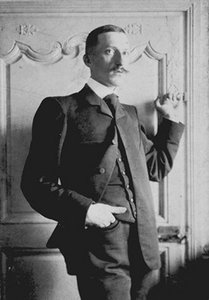
1880–1954, Francia
André Derain
Infanzia, Famiglia e Formazione Nell'anno 1880, André Derain entrò nel mondo a Chatou, un villaggio immerso nella regione francese dell'Yvelines. I suoi primi anni furono plasmati dai paesaggi silenziosi dell'Île-de-France, dove una naturale curiosità per l'ambiente circostante iniziò a mettere radici. Già nel 1895, aveva intrapreso uno studio autodidatta, cercando di comprendere il mondo visivo attraverso i propri occhi piuttosto che attraverso l'istruzione formale. Questo periodo di esplorazione autonoma gli permise di sviluppare un modo personale di vedere prima che i rigori di un'accademia potessero imporgli la propria volontà.
Altre opere di André Derain
 baganti1907
 London Bridge1906
 Charing Cross da SW1906
 Paesaggio a L'Estaque1906
Saggi su Rita van Leer
 Fauvesmo vs Espressionismo tedesco: distinguere colore ed emozioneScopri le differenze tra Fauvesmo ed Espressionismo tedesco con l'analisi dei maestri. Distingui colore ed emozione ora.
 Opere olandesi degli anni 1860Scopri i capolavori olandesi degli anni 1860, da Van Gogh a Krieghoff. Esplora la collezione su OriginalUniqueArt.com.
 The Silent Dialogue: Examining Intimacy and Psychological Depth in Classical PortraitureExplore the psychological depth of classical portraiture through masters like Rembrandt and Vermeer. Discover the power of the gaze today.