Betty Parsons: vita e opera
A Pioneer of the American Avant-Garde
Betty Parsons, born Betty Bierne Pierson in 1900, was more than just an artist; she was a catalyst, a champion of innovation who indelibly shaped the landscape of American art. Emerging from a privileged New York upbringing that afforded her exposure to European culture and artistic movements – most notably through the transformative experience of the 1913 Armory Show – Parsons dedicated her life to both creating and nurturing groundbreaking art. This early encounter ignited within her a passion that would define her trajectory, despite initial parental disapproval and societal expectations for women of her era. Her journey wasn’t simply about personal artistic expression; it was about fostering an environment where radical new ideas could flourish, particularly those emanating from the burgeoning Abstract Expressionist movement. Parsons navigated a world often resistant to change with unwavering conviction, becoming a pivotal figure in recognizing and promoting artists who would come to define postwar American art.
From Paris to New York: Forging an Artistic Identity
Parsons’s path was marked by both artistic exploration and personal independence. A brief marriage in 1919 led her to Paris, a city that became central to her development as an artist. There, she immersed herself in the vibrant art scene of Montparnasse, studying sculpture at the Académie de la Grande Chaumière under Émile-Antoine Bourdelle and Ossip Zadkine. This period was crucial; it provided her with formal training but also exposed her to a community of forward-thinking artists and intellectuals. Her relationship with fellow artist Adge Baker further solidified her commitment to an unconventional life dedicated to creative pursuits. Returning to the United States in 1933, after facing financial hardship during the Great Depression, Parsons continued to paint and sculpt while simultaneously beginning her career as an art dealer – a dual role that would become her signature. Her early exhibitions showcased her own watercolor paintings, which were praised for their “delightful” quality and innovative approach. This experience provided invaluable insight into the mechanics of the art world, laying the foundation for her future success as a gallerist.
The Betty Parsons Gallery: A Haven for Innovation
In 1946, Parsons realized her vision by opening The Betty Parsons Gallery in Manhattan. This wasn’t merely another commercial venture; it was a deliberate act of artistic patronage. At a time when the market for avant-garde American art was virtually nonexistent, Parsons fearlessly championed artists whose work challenged conventional norms. She provided a platform for Jackson Pollock after Peggy Guggenheim closed her gallery, and she became an early advocate for Mark Rothko, Barnett Newman, Clyfford Still, and many others who would become giants of Abstract Expressionism. Her commitment extended beyond these established figures; she actively sought out and supported emerging artists, including women and those from marginalized communities, fostering a diverse and inclusive artistic environment. The gallery’s ethos was one of experimentation and risk-taking, regularly showcasing twelve exhibitions a season in rapid succession, creating a dynamic space for dialogue and discovery. Parsons didn't just display art; she cultivated relationships with her artists, offering guidance, encouragement, and unwavering belief in their vision.
Notable Works & Artistic Style
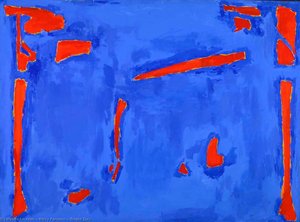
Parsons’s artistic style evolved throughout her career, reflecting her engagement with both color theory and sculptural experimentation. Initially influenced by the Impressionists and Post-Impressionists – notably Monet and Cézanne – she gradually embraced abstraction, prioritizing pure pigment and gesture over representational imagery. Her watercolors, characterized by luminous hues and delicate brushstrokes, captured a sense of ethereal beauty and emotional resonance. Paintings like “Bright Day” exemplify her masterful command of color and texture, conveying an atmosphere of serenity and contemplation. Simultaneously, Parsons pursued sculpture, exploring forms inspired by organic shapes – particularly acorns – reflecting her fascination with the natural world. Her sculptures were notable for their simplicity and elegance, embodying a minimalist aesthetic that aligned with the broader trends of postwar art.
A Legacy Beyond Representation
Betty Parsons’s contribution to American art extended far beyond her own creative output. She established The Betty Parsons Gallery as a beacon of artistic freedom and innovation, fostering an environment where artists could push boundaries and challenge conventions. Her unwavering support for pioneering figures like Pollock, Rothko, and Newman cemented her place in history as one of the foremost champions of Abstract Expressionism. More importantly, Parsons instilled within her gallery – and by extension, within the art world – a belief that artistic integrity should trump commercial considerations. She died peacefully in 1982, leaving behind a legacy of courage, conviction, and an enduring appreciation for the transformative power of art—a testament to her unwavering dedication to fostering creativity and shaping the cultural landscape of her time.



 Smithsonian American Art Museum
 The Phillips Collection
 Parrish Art Museum


