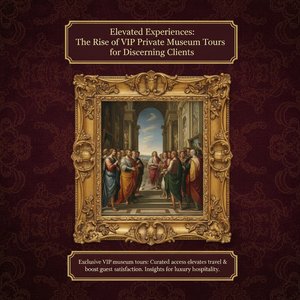


A Pápai Vászon: A Sala Clementina Splendörének Felfedezése
Róma Apostolikus Palota pompás szívében mesélő, a Sala Clementina lélegzetelállító bizonyság a pápai ambíciókról és a művészeti mecénatúra maradamentó erejéről. VIII. Clementius pápa 1596-os megbízásából készült ez a terem sokkal több volt, mint egy egyszerű helyszín a hivatalos fogadásokhoz; mély vizuális kijelentésként jött létre a pápai hatalom iránt, megörökítve a Gegenreformáció monumentális erejét az összhangos proportionok révén. Maga az építészet is, Domenico Fontana és Taddeo Landini mesteri alkotása, egy olyan térbe invitálja a látogatókat, ahol a reneszánsz mérnöki tudomány találkozik a magával ragadó, spirituális eleganciával. Belépni ebbe a szobába olyan birodalomba lép, ahol a történelem monumentális szépséggel együtt lélegzik, olyan hangulatot teremtve, amely évszázadok súlyát hordozza magában.
A Sala Clementina valódi lelke nagyszerű freszkóiban rejlik, amelyek a művészettörténet egyik döntő pillanatát jelzik: az manierista összetettség áttörését a barokk esztétika fejlődő drámaiságát felé. Giovanni Alberti és Cherubino Alberti ügyes kezei által megalkotott ezek a bonyolult ciklusok a bibliai történelemből származó narratívákat szőnek össze, különös tekintettel Szent Péter életére, hogy ünnepeljék a spirituális győzelmeket és a pápai világos hatalom erejét egyaránt. Minden egyes ecsetvonat teológiai szimbolizmussal van átárasztva, célja pedig, hogy awe-t és mély kontemplációt ébresztenjen a nézőben. A vibráló színpaletták és a dinamikus kompozíciók nem csupán díszítenek falakat; egy lüktető vallási korszakról beszélnek, megörökítve az éra lényegét, amelyet a mély hit és a római vezetés hatalmas vágyai határoztak meg.
Festett narratíváin túl a terem a történelem legálsimább és legjelentősebb pillanatainak színpadjaként szolgált. A évszázadok során a Sala Clementina diplomáciai fogadások és megható pápai temetések háttérszínévé vált, megszilárdítva helyét a Vatikán hagyományainak alapköveként. Ez egy olyan tér, amely szorosan összefonódott a pápai sukceszió rituáléival; híresen szolgált a magánlátogatások helyszíneként egy pontifika halála után – egy olyan hagyományt, amelyet II. János Pál pápa utolsó nyugomhelyének kiválasztása is példál ezen falak között. A pápai sorخاذhoz kötött ez az intimitás páratlan reverenciát kölcsönöz a teremnek, átalakítva azt egy múzeumi térből a folytonosság és a hit élő monumentumává.
A megkülönböztető gyűjtő vagy a klasszikus szépség szerelmese számára a Sala Clementina és a környező Pio Clementino Múzeum kiemelkedő darabjai egy összeссérhetetlen utazást kínálnak az olasz mesterség csúcspontjai közé. A terem a pápai udvar kifinomult ízlését tükröző alkotások lenyűgöző gyűjteményét mutatja be, beleértve a legendás Gian Lorenzo Bernini szobrászművészetét is, mint például a hatalmas „Szent Péter trónon.” Presence of influences from titans like Raphael and Michelangelo further enriches this artistic sanctuary, making it an essential destination for those seeking to understand the profound impact of the Renaissance on Western culture. It is a place where art, architecture, and history converge, offering a timeless legacy that continues to inspire wonder in all who wander its halls.