The Musée Magnin: A Sanctuary of Provençal Light and Artistic Legacy
Nestled in the heart of Lyon’s historic Vieux-Lyon district, the Musée Magnin stands as a quietly profound testament to the enduring allure of Provence. More than simply a repository of art, it's an immersive experience—a journey into the soul of a region, meticulously curated by the Magnin family over generations. The museum’s unassuming exterior belies the richness within, offering a serene escape from the bustling city and a profound connection to the artistic traditions that have shaped this corner of France.
The collection's foundation rests upon the remarkable legacy of Louis Magnin, a prominent figure in Lyon’s textile industry. Beginning with his wife, Marguerite’s, passion for Provençal art, particularly paintings by Jean-Hippolyte Flandrin and Paul Millon, the Magnins steadily amassed an extraordinary assemblage reflecting the vibrant colors, light, and landscapes of the region. This wasn't a collection driven by grand ambitions or competitive acquisitions; rather, it was born from a deep love for the spirit of Provence—a desire to capture its essence on canvas and within the walls of their home.
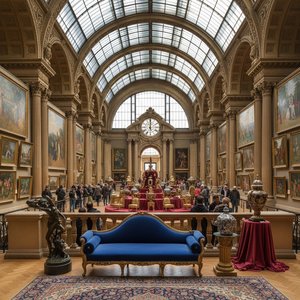
The museum’s architecture itself contributes significantly to this atmosphere. The building, originally a 17th-century merchant's house, has been lovingly restored while retaining its original character. The interior spaces are bathed in natural light, meticulously designed to showcase the paintings with an almost reverent respect. Noticeable is the use of pale ochre walls and exposed stone, echoing the hues found in the very landscapes depicted within the collection. The rooms flow seamlessly into one another, creating a sense of continuity and encouraging visitors to linger, absorbing the quiet beauty of each piece.
A Window into Provençal Painting
The Musée Magnin’s core strength lies in its exceptional representation of Provençal painting from the late 19th and early 20th centuries. The collection is dominated by works from the *École de la Garonne*, a loosely defined group of artists who sought to capture the unique atmosphere and light of the region around Toulouse and Bordeaux. Jean-Hippolyte Flandrin, arguably the museum’s most celebrated artist, holds a prominent place within the collection. His paintings—characterized by their luminous color palettes, delicate brushwork, and evocative depictions of rural life—are particularly renowned for their ability to transport the viewer directly into the heart of Provence. Paul Millon's landscapes, too, are essential viewing, demonstrating a masterful understanding of light and shadow, creating scenes that feel both familiar and dreamlike.
Beyond Flandrin and Millon, the museum boasts significant works by other key figures in the *École de la Garonne*, including Louis Raymond Bordes, Eugène Hardy, and Camille Ruault. These artists shared a common commitment to portraying the beauty of the Provençal countryside—its vineyards, olive groves, lavender fields, and sun-drenched villages. The collection also includes examples of works by artists who were influenced by this regional style, demonstrating its broader impact on French painting.
Beyond the Landscapes: Sculpture and Decorative Arts
While the paintings form the heart of the Musée Magnin’s collection, it's important to note that the museum extends beyond purely visual arts. A significant portion is dedicated to sculpture, primarily featuring works by Auguste Rodin, whose bronzes provide a striking contrast to the delicate landscapes and portraits within the painting galleries. The presence of Rodin highlights the museum’s commitment to showcasing artistic diversity and its recognition of the importance of sculptural forms in capturing human emotion.
Furthermore, the museum houses a remarkable collection of decorative arts—furniture, ceramics, textiles, and jewelry—reflecting the opulent tastes of the Magnin family and offering valuable insights into the material culture of Provence during this period. These objects provide a tangible connection to the lives of those who commissioned and appreciated these works of art, enriching our understanding of the broader cultural context.
A Legacy of Preservation and Engagement
The Musée Magnin’s story is inextricably linked to the Magnin family's dedication to preserving their artistic inheritance. Following Louis Magnin’s death in 1938, his descendants continued this tradition, ensuring that the collection remained accessible to the public. The museum has undergone several renovations and expansions over the years, always prioritizing the preservation of its artworks while enhancing the visitor experience.
Notably, the Musée Magnin regularly hosts temporary exhibitions exploring specific themes or artists within the Provençal art movement. These events draw visitors from across France and beyond, solidifying the museum’s reputation as a vital center for scholarship and artistic appreciation. The museum also offers educational programs and workshops designed to engage audiences of all ages, fostering a deeper understanding and appreciation for the beauty and significance of Provençal art.
For those seeking an authentic encounter with the spirit of Provence, the Musée Magnin represents a truly special destination—a sanctuary of light, color, and artistic legacy. Its understated elegance and profound collection offer a rare opportunity to connect with the heart of French painting and experience the enduring allure of this remarkable region.