

A Journey Through Faith and Florentine History: Exploring the Archbishop’s Palace
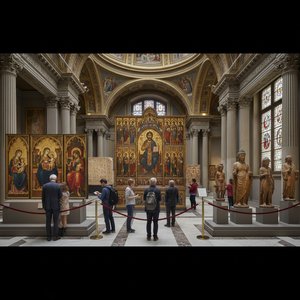
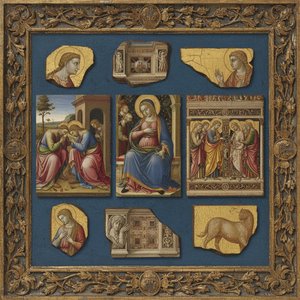
The Archbishop’s Palace in Florence isn't merely a repository of artworks; it’s an immersive experience transporting visitors back to the heart of Renaissance Italy and its profound connection with the Catholic Church. Situated at the crossroads of artistic innovation and ecclesiastical influence, this palace stands as a testament to Florentine cultural grandeur—a place where history whispers through gilded halls and vibrant mosaics illuminate centuries past.- Collection Highlights: The Palace’s collection shines brightest in its devotion to religious art. Dominating the gallery spaces are masterpieces by Filippo di Tommaso Lippii, notably “Man of Sorrows,” a poignant depiction capturing the sorrowful visage of Christ—a cornerstone of Florentine devotional iconography. Alongside this iconic piece reside impressive mosaics crafted during the Renaissance period, showcasing masterful artistry and vibrant hues that continue to captivate audiences today.
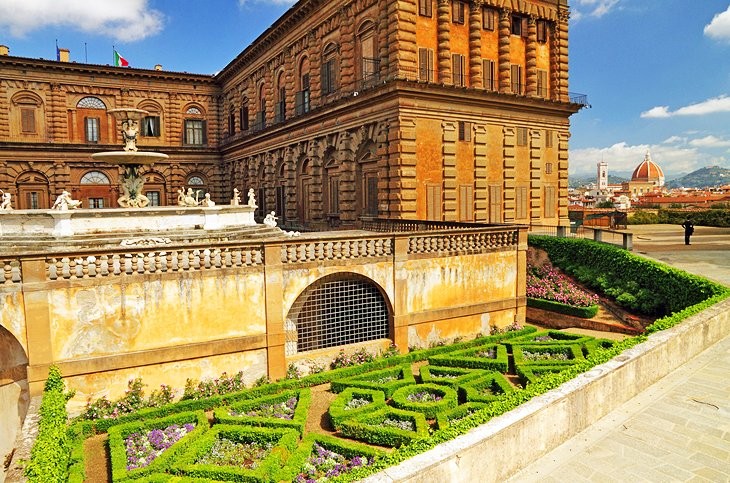
- Architectural Legacy: While precise architectural details remain elusive to public scrutiny, the Palace embodies the evolving styles of Florentine palatial architecture throughout its history. Constructed initially as a residence for Archbishops, it reflects the grandeur and sophistication characteristic of the era—a building that speaks volumes about Florence’s ecclesiastical leadership.
- Epigraphic Treasures: Scattered throughout the palace are ancient epigraphs – invaluable documents offering insights into Florentine linguistic heritage and historical narratives. These inscriptions illuminate the city's past, providing tangible evidence of its scholarly traditions and artistic patronage.
Beyond its visual splendor, the Archbishop’s Palace holds a unique position within Florence’s cultural landscape. Its connection to the Cathedral—Florence’s magnificent religious edifice—is palpable, reflecting the cathedral's influence on civic life and artistic expression. This duality – art interwoven with faith – distinguishes it from many other museums, fostering a holistic understanding of Florentine identity.
- Notable Exhibitions: Throughout its history, the Palace has hosted significant exhibitions showcasing both Florentine religious art and broader Renaissance scholarship. Recent displays have explored themes of humanist thought and artistic patronage, attracting scholars and enthusiasts alike.
For interior designers seeking inspiration, the Archbishop’s Palace offers a captivating study in opulent elegance—a space where rich fabrics, intricate ornamentation, and masterful craftsmanship converge to create an unforgettable atmosphere. Its mosaics, particularly those adorning the cathedral chapel, serve as enduring symbols of Florentine artistic achievement.
- What Sets It Apart: Unlike many museums prioritizing a singular focus, the Archbishop’s Palace presents a multifaceted narrative—a celebration of art and history inextricably linked. Its understated grandeur encourages contemplation and invites visitors to delve deeper into Florence's spiritual heritage.
A visit to the Archbishop’s Palace is more than just sightseeing; it’s an encounter with Florentine soul—a chance to appreciate the enduring legacy of faith, artistry, and intellectual curiosity.