


1


Frissítve: november 2026 · rangsorolva népszerűségi pontszámunk alapján (minden mű keresései, látogatásai és megrendelései alapján) · 23 mű William Hart alkotása a katalógusunkban
Röviden
William Hart hagyatékából a leghíresebb alkotás Hudson River Landscape (1854). Röviddel ezután követik őket Tivoli Falls (1851) és Rocky Coast at Sunset (1860). Katalógusunkban 23 mű található William Hart alkotótól; a galéria megőrizte a világ által leginkább csodált 22 darabot, melyeket a dátummal, a múzeummal és a történetükkel együtt mutatunk be.


 Cows in the Meadow1878
12
 Hudson River Landscape1879
13
 Scene at Napanoch1883 · Metropolitan Művészeti Múzeum
14
 Cattle and Landscape1880 · Centennial One Object Exhibit
15
 Grand manan
16
 New London, Connecticut
17
 Fields in Summer
18
 Near Tappan Zee, New York
19
 View of New Hampshire
20
 Sunset over the Lake
21
 Summer stream
22
 Woodland scene
A négy leggyakorobban előforduló téma ebben az eredeti művekben, mindegyik a legkiválóbb példájával.
A 4 olyan múzeum, amely a legtöbb ezen az oldalon szereplő festményet őrzi.
| Múzeum | Város | William Hart művei | Ebből a listából származó festmények |
|---|---|---|---|
 Albany Institute of History - Art |
Albany | 1 | Tivoli Falls |
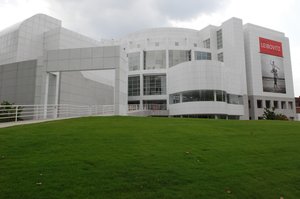 High Museum of Art |
Atlanta | 1 | The Last Gleam |
 Metropolitan Művészeti Múzeum |
New York | 1 | Scene at Napanoch |
 Centennial One Object Exhibit |
Unknown | 1 | Cattle and Landscape |
William Hart dátumozott művei ebben a válogatásban mindössze 6 évet ölelnek fel, 1878től 1883ig: egy rövid karrier, év évre feltárva.
Váasszon egy évet az eredetiek megtekintéséhez.


This painting hangs in the dining room of Thomas Edison

William Hart's "Scene at Napanoch," painted in 1883, isn’t merely a landscape; it’s a carefully constructed tableau of rural life imbued with a profound sense of quiet observation and the subtle melancholy inherent in capturing a fleeting moment. This Hudson River School masterpiece, housed within The Metropolitan Museum of Art in New York City, offers a glimpse into a bygone era – a time when America was still grappling with…
Hudson River Landscape (1854). Ezt követi Tivoli Falls (1851) és Rocky Coast at Sunset (1860).
Hudson River Landscape, Tivoli Falls, Rocky Coast at Sunset, On the Maine Coast, Study for View of the Valley of the White Mountains, New Hampashire, 1857''', Harvest Scene - Valley of the Delaware, Sunset in the Valley, The Last Gleam, The Land, Keene Valley és Deer in the Adirondacks. A fenti rangsor a művek évszamarát és a múzeumát jelzi.
Katalógusunkban 23 mű található William Hart alkotótól, 1878 és 1883 év közötti időszakból.
Leginkább Albany Institute of History - Art (Albany), High Museum of Art (Atlanta) és Metropolitan Művészeti Múzeum (New York) található. A fenti múzeumi táblázatban mindegyik felsorolásra került.
1878 alatt: a jelen laphonon található 22 műből 3 készült ebben az időszakban, köztük The Land, Keene Valley.
Ezen az oldalon a leghitelesebb The Land, Keene Valley (1878), a legutóbbi pedig Scene at Napanoch (1883).
Landscape (4), Sunset (3) és Usa (3), a jelen oldalon található 22 műművészeti alkotás között.
Hudson river school, ezen az oldalon található eredetiek alapján.


