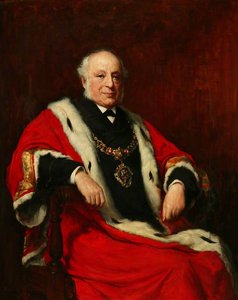
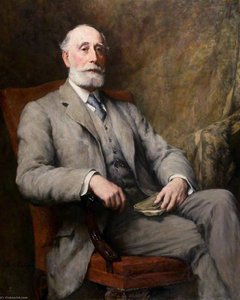
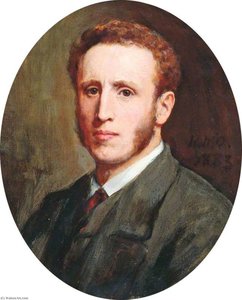
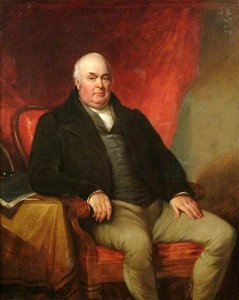
William Eyre Walker portréja

William Eyre Walker festményei: A 85 leghíresebb alkotás, egy galéria szemével

Frissítve: november 2026 · rangsorolva népszerűségi pontszámunk alapján (minden mű keresései, látogatásai és megrendelései alapján) · 86 mű William Eyre Walker alkotása a katalógusunkban

Röviden

A galéria szerint William Eyre Walker leghíresebb festménye a Charles Robert Darwin (1809–1882), Fellow Commoner, Writer of 'The Origin of Species' (1859) and 'The Descent of Man' (1871) (1883), amelynek eredeti példája a Christ's College múzeumában található, Cambridge városában. John Henry, Cardinal Newman és Sir Alexander Matheson (1805–1886) (1879) kiegészítik azt a triót, amelyet minden szem felismer. A katalógusunkban szereplő 86 művész William Eyre Walker alkotásából a galéria az alábbi 85 leghíresebbet mutatja be, amelyek mind egyedi originális művek, a készítés évszámával, a múzeum megnevezésével és a különlegességük leírásával.

1847 – 1930, Manchester Academic realism A legtöbb mű: National Portrait Gallery

A galéria top 10 William Eyre Walker festménye

1
Charles Robert Darwin (1809–1882), Fellow Commoner, Writer of 'The Origin of Species' (1859) and 'The Descent of Man' (1871) (1883) (1889) -ja William Eyre Walker

Charles Robert Darwin (1809–1882), Fellow Commoner, Writer of 'The Origin of Species' (1859) and 'The Descent of Man' (1871)

1883 · Oil On Canvas · Christ's College, Cambridge

In the quiet, shadowed corridors of scientific history, few faces command as much reverence as that of Charles Robert Darwin. In Walter William Ouless’s 1883 masterpiece, we are not merely presented with a likeness of the man who authored The Origin of Species; we are invited into the very crucible of his thought. This oil on canvas portrait serves as a profound psychological study, capturing the weight of discovery and…

2
John Henry, Cardinal Newman (1889) -ja William Eyre Walker

John Henry, Cardinal Newman

Oil · Oriel College, Oxford

The gaze of John Henry, Cardinal Newman, meets the viewer with an intensity that feels immediate, as if he has just turned his attention from a private prayer to acknowledge a guest. He sits enveloped in the heavy, deep red of his cardinal's robes, a color that carries the weight of his ecclesiastical station. The hood of his garment rests upon his shoulders, framing a face marked by a quiet,…

3
Sir Alexander Matheson (1805–1886) (1879) (1889) -ja William Eyre Walker

Sir Alexander Matheson (1805–1886)

1879 · Oil On Canvas · Inverness Town House, Inverness

Introduction to the Artist and his Work Walter William Ouless was a renowned British painter, born in 1848 in Jersey. He studied at the Royal Academy Schools and later in Paris, where he was influenced by the works of French artists such as Jean-Baptiste-Camille Corot and Gustave Courbet. Ouless's work is characterized by his mastery of portraiture, with a particular focus on capturing the individuality and character of his subjects.…

4
John William Dupre (1790–1866), HM Attorney General (1869) (1889) -ja William Eyre Walker

John William Dupre (1790–1866), HM Attorney General

1869 · Oil On Canvas

This painting depicts John William Dupre, who served as the HM Attorney General in 1869. The subject is portrayed with a white beard, dressed in a formal red robe that signifies his professional standing. A tie is visible hanging from his neck, adding to his formal attire. He is positioned in a setting that suggests a museum atmosphere, characterized by a green curtain positioned behind him.

5
Portrait of Lord Wantage, Vice-Chancellor, KCB (1877) (1889) -ja William Eyre Walker

Portrait of Lord Wantage, Vice-Chancellor, KCB

1877 · Oil On Canvas

The Portrait of Lord Wantage, Vice-Chancellor, KCB is a formal oil on canvas painted by William Eyre Walker in 1877. This work captures the likeness of the subject, Robert James Loyd-Lindsay, Baron Wantage of Lockinge, in a manner that reflects his significant social and military standing. The portrait presents the subject in a three-quarter length view, a composition that allows for a detailed study of both his character and his…

6
Henry Stacy Marks (1829–1898) (1877) (1889) -ja William Eyre Walker

Henry Stacy Marks (1829–1898)

1877 · Oil On Canvas

This oil-painted portrait, created in 1877, presents a man in profile, captured with a focus on his likeness and the depth of his expression. The composition is centered on the figure, set against a dark and indistinct background that serves to emphasize the subject. The lighting is dramatic and directional, originating from the upper left to cast strong shadows across the right side of the face, providing a sense of…

7
Portrait of William Fane De Salis (1880) (1889) -ja William Eyre Walker

Portrait of William Fane De Salis

1880 · Oil On Canvas

The Portrait of William Fane De Salis is a formal and dignified 19th-century oil portrait of an elderly man. Executed in 1880, the composition presents a close-up profile view, focusing on the subject's head and upper shoulders against a dark, indistinct background. The perspective is a standard portrait view at eye level, providing an intimate yet respectful distance from the subject. The single male figure is depicted with a sense…

8
John Evan Hodgson (1831–1895) (1884) (1889) -ja William Eyre Walker

John Evan Hodgson (1831–1895)

1884 · Oil On Canvas

The oil on canvas depicts an older man, John Evan Hodgson, seated in a three-quarter pose. He faces slightly toward the viewer, his body positioned within a dark, textured environment that suggests a studio setting. His hands are a central focus, one holding a paintbrush and the other a palette. The subject's facial features and beard are rendered with visible brushstrokes, creating a tactile surface. His expression is steady and…

9
Sir Henry Alfred Pitman (1808–1908) (1885) (1889) -ja William Eyre Walker

Sir Henry Alfred Pitman (1808–1908)

1885 · Oil On Canvas

A single light source strikes the subject from the upper left, carving the deep lines of an aged face from a dark, indistinct void. This is the portrait of Sir Henry Alfred Pitman, a man whose presence fills the frame with the gravity of a long-lived intellect. The skin is rendered with thick, palpable brushstrokes that suggest the texture of parchment. Every wrinkle tells of decades spent in the quiet…

10
John Bright (1879) (1889) -ja William Eyre Walker

John Bright

1879 · Oil On Canvas

William Eyre Walker rendered this portrait of John Bright in 1879. The subject was a prominent British Radical and Liberal statesman who occupied a seat in the House of Commons from 1843 to 1889. Known for his advocacy of free trade policies, Bright was a central figure in the political landscape of the nineteenth century.

William Eyre Walker festményei, 11. helyezéstől 85. helyezésig

11Thomas Sidney Cooper, RA (1891) (1889) -ja William Eyre WalkerThomas Sidney Cooper, RA1891 12Sir Frederick Thorpe Mappin (1821–1910), Bt (1892) (1889) -ja William Eyre WalkerSir Frederick Thorpe Mappin (1821–1910), Bt1892 13John Scott of London and Wetheral (1887) (1889) -ja William Eyre WalkerJohn Scott of London and Wetheral1887 14Alderman Philip Goldschmidt (1887) (1889) -ja William Eyre WalkerAlderman Philip Goldschmidt1887 15Alderman Edward Wood (1839–1917), JP, Mayor of Leicester (1888, 1895, 1901 1906) (1898) (1889) -ja William Eyre WalkerAlderman Edward Wood (1839–1917), JP, Mayor of Leicester (1888, 1895, 1901 1906)1898 · Leicester Town Hall 16Portrait of Alderman Charles Gabriel Beale (1901) (1889) -ja William Eyre WalkerPortrait of Alderman Charles Gabriel Beale1901 · Birmingham Museum and Art Gallery 17Sir George Franklin (d.1916) (1909) (1889) -ja William Eyre WalkerSir George Franklin (d.1916)1909 18Alfred Pope (1842–1934) (1909) (1889) -ja William Eyre WalkerAlfred Pope (1842–1934)1909 19Sir Monier Monier Williams (1819–1899) (1882) (1889) -ja William Eyre WalkerSir Monier Monier Williams (1819–1899)1882 · Bodleian Libraries 20Philip Westlake (1873) (1889) -ja William Eyre WalkerPhilip Westlake1873 21Alderman Charles Williams David, Five Times Mayor of Cardiff (1873) (1889) -ja William Eyre WalkerAlderman Charles Williams David, Five Times Mayor of Cardiff1873 22Henry Stacey Marks (1829–1898) (1875) (1889) -ja William Eyre WalkerHenry Stacey Marks (1829–1898)1875 · Walker Art Gallery 23Andrew George Kurtz (1824–1890) (1877) (1889) -ja William Eyre WalkerAndrew George Kurtz (1824–1890)1877 · Walker Art Gallery 24Robert Needham Philips (1815–1890) (1875) (1889) -ja William Eyre WalkerRobert Needham Philips (1815–1890)1875 25Charles Robert Darwin (1809–1882) (1875) (1889) -ja William Eyre WalkerCharles Robert Darwin (1809–1882)1875 · Darwin College 26Thomas Oldham Barlow (1824–1889), RA (1882) (1889) -ja William Eyre WalkerThomas Oldham Barlow (1824–1889), RA1882 27Evan Evans (1813–1891) (1883) (1889) -ja William Eyre WalkerEvan Evans (1813–1891)1883 · Pembroke College 28Benjamin Hall Kennedy (1804–1889), DD, Regius Professor of Greek, Headmaster of Shrewsbury School (1883) (1889) -ja William Eyre WalkerBenjamin Hall Kennedy (1804–1889), DD, Regius Professor of Greek, Headmaster of Shrewsbury School1883 · St John’s College, Cambridge 29Alderman Thomas Southam (1880) (1889) -ja William Eyre WalkerAlderman Thomas Southam1880 30Admiral Sir Alexander Milne (1808–1896) (1879) (1889) -ja William Eyre WalkerAdmiral Sir Alexander Milne (1808–1896)1879 · National Maritime Museum 31William Wegg (1815–1893) (1883) (1889) -ja William Eyre WalkerWilliam Wegg (1815–1893)1883 32Sir George Scharf (1885) (1889) -ja William Eyre WalkerSir George Scharf1885 · National Portrait Gallery 33Albert Brassey, Esq. (1844–1914), MA, JP, MFH, MP of Heythrop Park (1890) (1889) -ja William Eyre WalkerAlbert Brassey, Esq. (1844–1914), MA, JP, MFH, MP of Heythrop Park1890 34Mark Morris (1818–1895) (1889) (1889) -ja William Eyre WalkerMark Morris (1818–1895)1889 · Szent Bartolomé Kórház Múzeum és Archívum 35John Lloyd Wharton (1837–1912), of Dryburn, Durham (1891) (1889) -ja William Eyre WalkerJohn Lloyd Wharton (1837–1912), of Dryburn, Durham1891 36Thomas Sidney Cooper (1803–1902), RA (1889) (1889) -ja William Eyre WalkerThomas Sidney Cooper (1803–1902), RA1889 37Ewan Christian (1814–1895), PRIBA (1888) (1889) -ja William Eyre WalkerEwan Christian (1814–1895), PRIBA1888 · Royal Institute of British Architects 38Sir John Robert Mowbray (1815–1899) (1886) (1889) -ja William Eyre WalkerSir John Robert Mowbray (1815–1899)1886 · Reading Museum - Town Hall 39Sir Horace Jones (1819–1887), Architect (1886) (1889) -ja William Eyre WalkerSir Horace Jones (1819–1887), Architect1886 · Guildhall Art Gallery 40Thomas Charles Reginald Agar Robartes (1844–1930), 2nd Lord Robartes and 6th Viscount Clifden (1887) (1889) -ja William Eyre WalkerThomas Charles Reginald Agar Robartes (1844–1930), 2nd Lord Robartes and 6th Viscount Clifden1887 · National Trust 41William Aldis Wright (1831–1914), Fellow, Literary and Biblical Scholar (1887) (1889) -ja William Eyre WalkerWilliam Aldis Wright (1831–1914), Fellow, Literary and Biblical Scholar1887 42Professor Sir George Murray Humphrey (1886) (1889) -ja William Eyre WalkerProfessor Sir George Murray Humphrey1886 · Fitzwilliam Múzeum 43John Loughborough Pearson (1889) (1889) -ja William Eyre WalkerJohn Loughborough Pearson1889 · National Portrait Gallery 44George Henry Pope, Treasurer (1876–1901), Master (1904) (1889) (1889) -ja William Eyre WalkerGeorge Henry Pope, Treasurer (1876–1901), Master (1904)1889 · Merchants Hall 45Charles Edward Searle (1828–1902) (1892) (1889) -ja William Eyre WalkerCharles Edward Searle (1828–1902)1892 · Pembroke College 46Sir John Scott Burdon Sanderson, Bt (1886) (1889) -ja William Eyre WalkerSir John Scott Burdon Sanderson, Bt1886 47Edward Armitage (1817–1896), RA (1886) (1889) -ja William Eyre WalkerEdward Armitage (1817–1896), RA1886 48John Morley, 1st Viscount Morley of Blackburn (1891) (1889) -ja William Eyre WalkerJohn Morley, 1st Viscount Morley of Blackburn1891 · National Portrait Gallery 49John James Robert Manners, 7th Duke of Rutland (1886) (1889) -ja William Eyre WalkerJohn James Robert Manners, 7th Duke of Rutland1886 · National Portrait Gallery 50William Scovell Savory (1826–1895), Surgeon at St Bartholomew's Hospital (1893) (1889) -ja William Eyre WalkerWilliam Scovell Savory (1826–1895), Surgeon at St Bartholomew's Hospital1893 · Szent Bartolomé Kórház Múzeum és Archívum 51Colonel Sir Charles Seely (1833–1915), 1st Bt (1897) (1889) -ja William Eyre WalkerColonel Sir Charles Seely (1833–1915), 1st Bt1897 52Sir Horatio Lloyd, Recorder of Chester (1866–1921) (1896) (1889) -ja William Eyre WalkerSir Horatio Lloyd, Recorder of Chester (1866–1921)1896 · Chester Castle 53Charles John Vaughan (1816–1897), Fellow and Classical Scholar, Headmaster and Dean of Llandaff (1895) (1889) -ja William Eyre WalkerCharles John Vaughan (1816–1897), Fellow and Classical Scholar, Headmaster and Dean of Llandaff1895 54William Henry (1856–1905), Lord Leigh, Lord Lieutenant (1898) (1889) -ja William Eyre WalkerWilliam Henry (1856–1905), Lord Leigh, Lord Lieutenant1898 · Warwick Shire Hall 55John Dent Dent, Chairman, North Eastern Railway (copy of an earlier work) (1896) (1889) -ja William Eyre WalkerJohn Dent Dent, Chairman, North Eastern Railway (copy of an earlier work)1896 56The Right Hon. William McEwan MP (1827-1913) (1901) (1889) -ja William Eyre WalkerThe Right Hon. William McEwan MP (1827-1913)1901 · Polesden Lacey 57James Bell Pettigrew (1832–1908) (1902) (1889) -ja William Eyre WalkerJames Bell Pettigrew (1832–1908)1902 58Alderman Charles Gabriel Beale (1901) (1889) -ja William Eyre WalkerAlderman Charles Gabriel Beale1901 59The Right Honourable William McEwan (1827–1913), MP (1901) (1889) -ja William Eyre WalkerThe Right Honourable William McEwan (1827–1913), MP1901 60David with Goliath's Head (1889) -ja William Eyre WalkerDavid with Goliath's Head 61Cecil E. Bewes, Esq. (1818–1903) (1889) -ja William Eyre WalkerCecil E. Bewes, Esq. (1818–1903) 62Sir William Ogilvy Dalgleish of Errol Park (1832–1913) (1911) (1889) -ja William Eyre WalkerSir William Ogilvy Dalgleish of Errol Park (1832–1913)1911 63Alderman George Franklin (d.1916), JP, Lord Mayor of Sheffield (1897–1898) (1909) (1889) -ja William Eyre WalkerAlderman George Franklin (d.1916), JP, Lord Mayor of Sheffield (1897–1898)1909 64Donald Currie (1825–1909) (1907) (1889) -ja William Eyre WalkerDonald Currie (1825–1909)1907 65Edward Liveing (1832–1919) (1910) (1889) -ja William Eyre WalkerEdward Liveing (1832–1919)1910 66Henry Morris (1844–1926) (1910) (1889) -ja William Eyre WalkerHenry Morris (1844–1926)1910 67Edward Atkinson (1819–1915), Master (1856–1915) (1906) (1889) -ja William Eyre WalkerEdward Atkinson (1819–1915), Master (1856–1915)1906 · Clare College 68Sir Donald Currie (1825–1909), Shipping Magnate and Educational Benefactor (1908) (1889) -ja William Eyre WalkerSir Donald Currie (1825–1909), Shipping Magnate and Educational Benefactor1908 · Scottish National Portrait Gallery 69Sir Cyril Jackson (1863–1924), Educationist (1916) (1889) -ja William Eyre WalkerSir Cyril Jackson (1863–1924), Educationist1916 · Guildhall Art Gallery 70Self Portrait (1918) (1889) -ja William Eyre WalkerSelf Portrait1918 71Thomas Hardy (1922) (1889) -ja William Eyre WalkerThomas Hardy1922 · National Portrait Gallery 72Sir Arthur Keith (1866–1955) (1928) (1889) -ja William Eyre WalkerSir Arthur Keith (1866–1955)1928 73Thomas Fletcher Twemlow of Betley (1816–1894) (1925) (1889) -ja William Eyre WalkerThomas Fletcher Twemlow of Betley (1816–1894)1925 · Staffordshire County Buildings 74Landscape - Galloway (1889) -ja William Eyre WalkerLandscape - GallowayThe Suter Te Aratoi o Whakatū 75The Very Reverend William Henderson (1819–1905), First Headmaster of Victoria College (1852–1862) (1889) -ja William Eyre WalkerThe Very Reverend William Henderson (1819–1905), First Headmaster of Victoria College (1852–1862) 76Scene from the French Revolution (1889) -ja William Eyre WalkerScene from the French Revolution 77Sir Donald Currie (1825–1909) (1889) -ja William Eyre WalkerSir Donald Currie (1825–1909) 78The Blind Beggar (1889) -ja William Eyre WalkerThe Blind Beggar 79Sir Mark Wilks Collet (1816–1905), Governor of the Bank of England (1887–1889) (1889) -ja William Eyre WalkerSir Mark Wilks Collet (1816–1905), Governor of the Bank of England (1887–1889) 80Frederick Harrison (1831–1923), Scholar (1848), Fellow (1854), Honorary Fellow (1899), DCL (1889) -ja William Eyre WalkerFrederick Harrison (1831–1923), Scholar (1848), Fellow (1854), Honorary Fellow (1899), DCLWadham College 81Thomas Elliott Harrison, Civil Engineer, North Eastern Railway (1889) -ja William Eyre WalkerThomas Elliott Harrison, Civil Engineer, North Eastern Railway 82Christopher James Thomas, Mayor (1874–1875) (1889) -ja William Eyre WalkerChristopher James Thomas, Mayor (1874–1875)The Mansion House 83Robert W. Darwin (1766–1848), Charles Darwin's Father (1889) -ja William Eyre WalkerRobert W. Darwin (1766–1848), Charles Darwin's Father 84James Porter, DD, Master (1876–1900) – Ez egy nagy művész név, melyet Walter William Ouless festett meg 1896-ban Peterhouse Egyetem Egyetemi Társaságában. (1896) (1889) -ja William Eyre WalkerJames Porter, DD, Master (1876–1900) – Ez egy nagy művész név, melyet Walter William Ouless festett meg 1896-ban Peterhouse Egyetem Egyetemi Társaságában.1896 · Peterhouse 85Roundell Palmer (1812–1895), Earl of Selborne, Fellow (1834–1848), Lord Chancellor (1872) (1889) -ja William Eyre WalkerRoundell Palmer (1812–1895), Earl of Selborne, Fellow (1834–1848), Lord Chancellor (1872)Magdalen College

A témák, amelyek William Eyre Walker figyelmét meghúzták

A négy leggyakorobban előforduló téma ebben az eredeti művekben, mindegyik a legkiválóbb példájával.

A műemlékek, amelyek William Eyre Walker eredeti műveit őrzik

A 8 olyan múzeum, amely a legtöbb ezen az oldalon szereplő festményet őrzi.

Múzeum Város William Eyre Walker művei Ebből a listából származó festmények
National Portrait Gallery, LondonNational Portrait Gallery London 5 Sir George Scharf, John Loughborough Pearson, John Morley, 1st Viscount Morley of Blackburn
Walker Art Gallery, LiverpoolWalker Art Gallery Liverpool 2 Henry Stacey Marks (1829–1898), Andrew George Kurtz (1824–1890)
Szent Bartolomé Kórház Múzeum és Archívum, LondonSzent Bartolomé Kórház Múzeum és Archívum London 2 Mark Morris (1818–1895), William Scovell Savory (1826–1895), Surgeon at St Bartholomew's Hospital
Guildhall Art Gallery, LondonGuildhall Art Gallery London 2 Sir Horace Jones (1819–1887), Architect, Sir Cyril Jackson (1863–1924), Educationist
Christ's College, CambridgeChrist's College Cambridge 1 Charles Robert Darwin (1809–1882), Fellow Commoner, Writer of 'The Origin of Species' (1859) and 'The Descent of Man' (1871)
Oriel College, OxfordOriel College Oxford 1 John Henry, Cardinal Newman
Inverness Town House, InvernessInverness Town House Inverness 1 Sir Alexander Matheson (1805–1886)
Leicester Town Hall, LeicesterLeicester Town Hall Leicester 1 Alderman Edward Wood (1839–1917), JP, Mayor of Leicester (1888, 1895, 1901 1906)

William Eyre Walker, egy aláírott festmény évtizedenként

Művek évtizedenként

Váassz ki egy évtizedet, hogy megnézhesd az azt meghatározó eredetiműveket.

William Eyre Walker festményei: a galéria válaszai

Melyik William Eyre Walker festmény a leghíresebb?Fedje fel a választ

Charles Robert Darwin (1809–1882), Fellow Commoner, Writer of 'The Origin of Species' (1859) and 'The Descent of Man' (1871) (1883), Christ's College, Cambridge. Ezután John Henry, Cardinal Newman és Sir Alexander Matheson (1805–1886) (1879) következik.

Hány éves volt William Eyre Walker, amikor elkészítette a(t): Charles Robert Darwin (1809–1882), Fellow Commoner, Writer of 'The Origin of Species' (1859) and 'The Descent of Man' (1871)?Fedje fel a választ

36 éves: Charles Robert Darwin (1809–1882), Fellow Commoner, Writer of 'The Origin of Species' (1859) and 'The Descent of Man' (1871) 1883-ből származik, William Eyre Walker pedig 1847-ben született.

Melyek William Eyre Walker top 10 festménye?Fedje fel a választ

Charles Robert Darwin (1809–1882), Fellow Commoner, Writer of 'The Origin of Species' (1859) and 'The Descent of Man' (1871), John Henry, Cardinal Newman, Sir Alexander Matheson (1805–1886), John William Dupre (1790–1866), HM Attorney General, Portrait of Lord Wantage, Vice-Chancellor, KCB, Henry Stacy Marks (1829–1898), Portrait of William Fane De Salis, John Evan Hodgson (1831–1895), Sir Henry Alfred Pitman (1808–1908) és John Bright. A fenti rangsor a művek évszamarát és a múzeumát jelzi.

Hány műve született William Eyre Walker nevére?Fedje fel a választ

Katalógusunkban 86 mű található William Eyre Walker alkotótól, 1869 és 1928 év közötti időszakból.

Hol találhatóak William Eyre Walker leghíresebb eredeti művei?Fedje fel a választ

Leginkább National Portrait Gallery (London), Walker Art Gallery (Liverpool) és Szent Bartolomé Kórház Múzeum és Archívum (London) található. A fenti múzeumi táblázatban mindegyik felsorolásra került.

Mikor festette William Eyre Walker le leghíresebb műveit?Fedje fel a választ

1880s alatt: a jelen laphonon található 85 műből 26 készült ebben az időszakban, köztük Charles Robert Darwin (1809–1882), Fellow Commoner, Writer of 'The Origin of Species' (1859) and 'The Descent of Man' (1871).

Melyek William Eyre Walker legkorábbi és legutóbbi híres művei?Fedje fel a választ

Ezen az oldalon a leghitelesebb John William Dupre (1790–1866), HM Attorney General (1869), a legutóbbi pedig Sir Arthur Keith (1866–1955) (1928).

Mely témakörökkel foglaltaszkodott a legtöbbször William Eyre Walker?Fedje fel a választ

Man (13), Men (12) és Victorian era (9), a jelen oldalon található 85 műművészeti alkotás között.

Melyik technikával foglalt leginkább William Eyre Walker?Fedje fel a választ

Oil On Canvas, a jelen oldalon található 85 műből 18 darab esetén.

Mely művészeti irányhoz tartozik William Eyre Walker?Fedje fel a választ

Academic realism és Romantic realism, ezen az oldalon található eredetiek alapján.

Mely William Eyre Walker eredeti műveit őrzi a National Portrait Gallery?Fedje fel a választ

Sir George Scharf, John Loughborough Pearson és John Morley, 1st Viscount Morley of Blackburn: a National Portrait Gallery, London 5 művet őrzi ezen az oldalon.

William Eyre Walker: a művész

A hasonlóság öröksége: Walter William Ouless élete

Saint Helier tengerparti bocsánatos charmeja között született Walter William Ouless, aki egy olyan családi hagyományból származott, amely mélyen gyökerezett a vizuális művészetekben. Tengerészművész apa, Philip John Ouless fiaként korai éveket egy aktív műterem légisegében töltötte, ez a nềnak később arra késztette, hogy a brit művészeti élet központjába törjön fel. A Victoria College-ben szerzett oktatása után Ouless 1864-ben Londonba költözött, hogy a tekintélyes Royal Academy iskoláiban csiszolja fejlődő tehetségét. Bár kezdeti kreatív ösztönei a műfaji festészet narratív charmeja felé tereltek, egy meghatározó mentorálás változtatta meg az irányvonalát; a híres művész, Millais tanácsa szerint kezdte el tekintetét az emberi arcra összpontosítani, ezzel elindítva őt az egyik legkiemelkedőbb portréfestő útján a korában.

A portré mesteri tudása és akadémiai ragadozatosság

Ouless pályafutása a pszichológiai mélység és a technikai precizitás erejének élő bizonyítéka. Emelkedése a Royal Academy-n jelentős mérföldkövekkel volt megváltva: 1877-ben megkapta a Royal Academy Asszociáltának címét, majd 1881-ben teljes taggá, Royal Academicianná vált. Ez a elismerés megszilárdította helyzetét a brit akadémiai realizmus elit művészei között. Ouless egy ritka képességgel rendelkezett: képes volt túlmutatni a puszta fizikai hasonlóságon, és helyette megörökíteni pillantásaiyla alanyai lényegét és intellektuális súlyát. Legyen szó Charles Robert Darwin tudományos zsenialitásáról vagy Sir Monier Monier Williams tudományos elszántottságáról, ecsettel végzett munkája életet lehűsített a alakokban, gyakran alkalmazva a drámai chiaroscuro technikát és a apró részleteket a karakter és a társadalmi státusz érzékeltetésére.

Technikáját a szigorú akadémiai fegyelem és a fény iránti kifinomult érzékenység közötti kifogástalan egyensúly jellemezte. Legszaküztebb műveiben finom textúrák és tónusok játszadozása figyelhető meg, amely az impresszionizmus feltörekvő mozgásának sejtelmre is utal, miközben ő továbbra is a portréfestés hagyományaihoz ragaszkodott. Portréjai abban az időszakában szolgáltak ablakként a viktoriánus lélekbe, dokumentálva az év korának legprominensebb alakjainak méltóságát, ambícióját és kontemplatív természetét.

Művészeti hatás és családi örökség

Ouless művészeti világa nem volt sziget, hanem inkább családi kapcsolatokból és szakmai tiszteletből szőtt tapísztria. Hatása évtizedeken keresztül átszövette a művészetet, amit különösen láthatunk lánya, Catherine Ouless munkálatain keresztül is, aki édesapja által alapozott precíz realizmus hagyományát viselte tovább. Munkájához való odaigaztatottságával Ouless meghatározta a brit művészet egy olyan korszakát, amelyben a portré egyszerre funkcionált történelmi dokumentumként és mély pszichológiai tanulmányként. Képesége, hogy megörökítse a felfedezések súlyát egy tudós szemében, vagy egy államférfi jelenlétének csendes tekintélyét, biztosítva, hogy hozzájárulása a brit portréfestészet történetéhez fények, árnyékok és az emberi karakter maradandó öröksége maradjon.