William Dyce portréja

A 69 legnevesebbebb William Dyce festmény, mindegyik egyedistens

Frissítve: november 2026 · rangsorolva népszerűségi pontszámunk alapján (minden mű keresései, látogatásai és megrendelései alapján) · 69 mű William Dyce alkotása a katalógusunkban

Röviden

Piety: The Knights of the Round Table about to Depart in Quest of the Holy Grail (1849) az a William Dyce festmény, amely a legtöbb tekintetet felvonja; az eredeti mű a Scottish National Gallery gyűjteményében található, Edinburgh. Ezután a tekintet James Hamilton, 1749 - 1835. Physician (1832) és The meeting of Jacob and Rachel (1853) elemre irányul. A William Dyce 69 műve közül a katalógusunkban megtalálható 69 legnépesebb alkotás, melyeket az év, a múzeum és az örökévalóságának okai kísérnek.

1806 – 1864, Aberdeen A legtöbb mű: Scottish National Gallery

A galéria szemével: William Dyce legjobb 10 festménye

1
Piety: The Knights of the Round Table about to Depart in Quest of the Holy Grail (1849) (1889) -ja William Dyce

Piety: The Knights of the Round Table about to Depart in Quest of the Holy Grail

1849 · Oil On Canvas · Scottish National Gallery, Edinburgh

In the grand tapestry of Victorian Romanticism, few works capture the intersection of myth and morality as profoundly as William Dyce’s 1849 masterpiece, Piety: The Knights of the Round Table about to Depart in Quest of the Holy Grail. This monumental canvas is far more than a mere historical tableau; it is an evocative meditation on the spiritual yearning that pulsed through the heart of the nineteenth century. As the…

2
James Hamilton, 1749 - 1835. Physician (1832) (1889) -ja William Dyce

James Hamilton, 1749 - 1835. Physician

1832 · Oil On Canvas · Scottish National Portrait Gallery, Edinburgh

A single figure occupies the vertical composition of this oil on canvas, rendered in a formal 19th-century academic style. James Hamilton stands slightly off-center, his body oriented toward the viewer. He is dressed in period attire consisting of a dark, textured frock coat, breeches, and a dark tricorne-style hat. A light cream cravat provides a sharp tonal contrast against the darker elements of his clothing and the skin tones of…

3
The meeting of Jacob and Rachel (1853) (1889) -ja William Dyce

The meeting of Jacob and Rachel

1853 · Oil On Canvas · New Walk Museum - Art Gallery, Leicester

The scene captures the instant of profound emotional contact between Jacob and Rachel, drawn from the Book of Genesis. A muscular man, lunging forward with urgent intensity, reaches toward a woman standing by a stone structure. He is draped in heavy animal furs and a red patterned sash, his hands grasping a large clay vessel. She stands with a graceful, upright posture, her expression demure and eyes cast downward. The…

4
Eliezer of Damascus (1860) (1889) -ja William Dyce

Eliezer of Damascus

1860 · Oil · Minneapolis Institute of Art, Minneapolis

Painted in 1860, Eliezer of Damascus is an oil portrait by the Scottish artist William Dyce. The work captures a man whose identity is rooted in ancient lineage. According to the Targum Jonathan Bereishit, this figure is the son of Nimrod. He is depicted as the steward and head of the household belonging to the patriarch Abraham.

5
Portrait of a Lady (The Artist's Wife) (1856) (1889) -ja William Dyce

Portrait of a Lady (The Artist's Wife)

1856 · Oil On Canvas · Aberdeen Art Gallery

This work is titled Portrait of a Lady (The Artist's Wife), a quiet and formal study by the Scottish painter William Dyce. Created in 1856, the painting presents a woman dressed in fine attire, captured with a sense of poise and high social standing. There is a certain stillness to the subject that suggests an intimate connection between the painter and the sitter.

6
Design For A Stained Glass Window In Ely Cathedral by William Dyce - William Dyce (1856) (1889) -ja William Dyce

Design For A Stained Glass Window In Ely Cathedral by William Dyce - William Dyce

1856 · Watercolor

Design For A Stained Glass Window In Ely Cathedral by William Dyce - William Dyce is a preparatory work by the artist William Dyce. Created about 1856, the piece functions as a detailed design for a liturgical installation. The composition is organized within a vertical, arched framework, intended to translate two-dimensional planning into the medium of glass.

7
Scene in Arran (1859) (1889) -ja William Dyce

Scene in Arran

1859 · Oil On Canvas

In Scene in Arran, William Dyce organizes a pastoral valley through a balanced arrangement of natural and man-made forms. A prominent hill and a central river dictate the structural flow of the landscape, creating a sense of depth that recedes toward distant mountains. Trees and buildings flank the composition, framing the riverbank where the primary activity occurs. The arrangement emphasizes a harmonious relationship between the terrain and the inhabitants of…

8
The Virgin and Child (1845) (1889) -ja William Dyce

The Virgin and Child

1845 · Oil On Canvas · Royal Collection, London

This evocative painting, depicting The Virgin and Child, immediately draws the viewer into a moment of profound intimacy. At its heart lies the tender connection between mother and son; Mary cradles her young boy with palpable love and exquisite care. Her face, veiled in delicate fabric, speaks volumes of purity and modesty, lending an air of timeless grace to the sacred subject matter. The composition is masterfully balanced, guiding the…

William Dyce híres festményei, 11 és 69 között

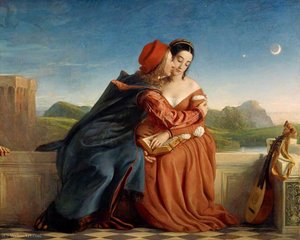
11Westburn (1827) (1889) -ja William DyceWestburn1827 12Portrait of Alexander Jardine (1834) (1889) -ja William DycePortrait of Alexander Jardine1834 13The Descent of Venus (2nd Version) (1889) -ja William DyceThe Descent of Venus (2nd Version) 14Life study (1889) -ja William DyceLife study 15The Judgement of Solomon (1889) -ja William DyceThe Judgement of SolomonScottish National Gallery 16Nicholson bain (1889) -ja William DyceNicholson bain 17Saint catherine (1889) -ja William DyceSaint catherineScottish National Gallery 18The honourable charlotte noel (1889) -ja William DyceThe honourable charlotte noel 19The Descent of Venus (1889) -ja William DyceThe Descent of Venus 20Beatrice (1889) -ja William DyceBeatrice 21Head of a Man (1889) -ja William DyceHead of a ManBirmingham Museum and Art Gallery 22Bacchus Nursed by the Nymphs of Nyssa (1889) -ja William DyceBacchus Nursed by the Nymphs of Nyssa 23Miss hannah carnegie (1889) -ja William DyceMiss hannah carnegie 24King Lear and the Fool in the Storm (1889) -ja William DyceKing Lear and the Fool in the StormScottish National Gallery 25St Joseph (1847) (1889) -ja William DyceSt Joseph1847 · Royal Collection 26Rosslyn Chapel, South Aisle (1889) -ja William DyceRosslyn Chapel, South AisleScottish National Gallery 27Westburn (1889) -ja William DyceWestburn 28Recollection of Pegwell Bay (1889) -ja William DyceRecollection of Pegwell Bay 29Isabella cay (1889) -ja William DyceIsabella cay 30View of Loch Lomond (1889) -ja William DyceView of Loch LomondScottish National Gallery 31Madonna and Child (1889) -ja William DyceMadonna and Child 32Motherhood (1889) -ja William DyceMotherhood 33John Small and His Son (1889) -ja William DyceJohn Small and His Son 34The Woman of Samaria (1889) -ja William DyceThe Woman of SamariaBirmingham Museum and Art Gallery 35The highland ferryman (1889) -ja William DyceThe highland ferryman 36Christ Enthroned with Saints (1889) -ja William DyceChrist Enthroned with Saints 37Pegwell Bay, Kent - a Recollection of October 5th (1858) (1889) -ja William DycePegwell Bay, Kent - a Recollection of October 5th (1858) 38Mrs william crombie (1889) -ja William DyceMrs william crombie 39Welsh Landscape with Two Women Knitting (1889) -ja William DyceWelsh Landscape with Two Women Knitting 40Virgin and Child (1889) -ja William DyceVirgin and Child 41The Garden of Gethsemane (1889) -ja William DyceThe Garden of Gethsemane 42Man of Sorrows (1889) -ja William DyceMan of SorrowsScottish National Gallery 43Christabel (1889) -ja William DyceChristabel 44Dante and Beatrice (1889) -ja William DyceDante and Beatrice 45Francis humberston (1889) -ja William DyceFrancis humberston 46Henry VI at Towton, North Yorkshire (1889) -ja William DyceHenry VI at Towton, North Yorkshire 47Alexander webster (1889) -ja William DyceAlexander webster 48Study for 'Cain' (1889) -ja William DyceStudy for 'Cain' 49The Daughters of Jethro Defended by Moses (1889) -ja William DyceThe Daughters of Jethro Defended by Moses 50Lowry william frederick dyce (1889) -ja William DyceLowry william frederick dyce 51Mrs John Clerk Maxwell and Her Son, James (1889) -ja William DyceMrs John Clerk Maxwell and Her Son, JamesBirmingham Museum and Art Gallery 52Sir James McGrigor (1889) -ja William DyceSir James McGrigor 53Omnia vanitas (1889) -ja William DyceOmnia vanitas 54John Knox Dispensing the Sacrament (1889) -ja William DyceJohn Knox Dispensing the Sacrament 55Francesca da Rimini (1889) -ja William DyceFrancesca da RiminiScottish National Gallery 56The goatherd (1889) -ja William DyceThe goatherd 57Christ's Entry into Jerusalem (1889) -ja William DyceChrist's Entry into Jerusalem 58Lamentation over the Dead Christ (1889) -ja William DyceLamentation over the Dead Christ 59Titian Preparing to Make His First Essay in Colouring (1889) -ja William DyceTitian Preparing to Make His First Essay in Colouring 60James chalmers (1889) -ja William DyceJames chalmers 61George Herbert at Bemerton, Salisbury (1889) -ja William DyceGeorge Herbert at Bemerton, Salisbury 62Portrait of a Lady (1889) -ja William DycePortrait of a Lady 63The Meeting of Jacob and Rachel (1889) -ja William DyceThe Meeting of Jacob and Rachel 64The infant hercules (1889) -ja William DyceThe infant herculesScottish National Gallery 65Sir galbraith lowry cole (1889) -ja William DyceSir galbraith lowry coleNational Portrait Gallery 66Titian's first painting (1889) -ja William DyceTitian's first painting 67Sketch of a Doorway with a Water Barrel (1889) -ja William DyceSketch of a Doorway with a Water Barrel 68Amongst the Trees (1889) -ja William DyceAmongst the Trees 69Pegwell Bay, Kent - a Recollection of October 5th 1858 (1858) (1889) -ja William DycePegwell Bay, Kent - a Recollection of October 5th 18581858 · Tate Britain

A témák, amelyek William Dyce figyelmét meghúzták

A négy leggyakorobban előforduló téma ebben az eredeti művekben, mindegyik a legkiválóbb példájával.

A műemlékek, amelyek William Dyce eredeti műveit őrzik

A 8 olyan múzeum, amely a legtöbb ezen az oldalon szereplő festményet őrzi.

Múzeum Város William Dyce művei Ebből a listából származó festmények
Scottish National Gallery, EdinburghScottish National Gallery Edinburgh 10 Piety: The Knights of the Round Table about to Depart in Quest of the Holy Grail, David in the Wilderness, The Judgement of Solomon
Birmingham Museum and Art Gallery, BirminghamBirmingham Museum and Art Gallery Birmingham 3 Head of a Man, The Woman of Samaria, Mrs John Clerk Maxwell and Her Son, James
Royal Collection, LondonRoyal Collection London 2 The Virgin and Child, St Joseph
Scottish National Portrait Gallery, EdinburghScottish National Portrait Gallery Edinburgh 1 James Hamilton, 1749 - 1835. Physician
New Walk Museum - Art Gallery, LeicesterNew Walk Museum - Art Gallery Leicester 1 The meeting of Jacob and Rachel
Minneapolis Institute of Art, MinneapolisMinneapolis Institute of Art Minneapolis 1 Eliezer of Damascus
Aberdeen Art GalleryAberdeen Art Gallery 1 Portrait of a Lady (The Artist's Wife)
National Portrait Gallery, LondonNational Portrait Gallery London 1 Sir galbraith lowry cole

William Dyce évtizedekig: egy egyedi eredeti mű minden évtizedben

Művek évtizedenként

Váassz ki egy évtizedet, hogy megnézhesd az azt meghatározó eredetiműveket.

William Dyce festményei: kérdések a galériának

Mi a leghíresebb műve William Dycenek?Fedje fel a választ

Piety: The Knights of the Round Table about to Depart in Quest of the Holy Grail (1849), Scottish National Gallery, Edinburgh. Ezután James Hamilton, 1749 - 1835. Physician (1832) és The meeting of Jacob and Rachel (1853) következik.

Milyen életkorában alkotta meg William Dyce a(z) Piety: The Knights of the Round Table about to Depart in Quest of the Holy Grail műszt?Fedje fel a választ

43 éves: Piety: The Knights of the Round Table about to Depart in Quest of the Holy Grail 1849-ből származik, William Dyce pedig 1806-ben született.

Melyik tíz festménye William Dyce a leghíresebb?Fedje fel a választ

Piety: The Knights of the Round Table about to Depart in Quest of the Holy Grail, James Hamilton, 1749 - 1835. Physician, The meeting of Jacob and Rachel, Eliezer of Damascus, Portrait of a Lady (The Artist's Wife), Design For A Stained Glass Window In Ely Cathedral by William Dyce - William Dyce, Scene in Arran, The Virgin and Child, Saint john leading home his adopted mother és David in the Wilderness. A fenti rangsor a művek évszamarát és a múzeumát jelzi.

Hány mű alkotása ismert William Dyce nevében?Fedje fel a választ

Katalógusunkban 69 mű található William Dyce alkotótól, 1827 és 1860 év közötti időszakból.

Hol tekinthetők meg a leghíresebb William Dyce eredetijeit?Fedje fel a választ

Leginkább Scottish National Gallery (Edinburgh), Birmingham Museum and Art Gallery (Birmingham) és Royal Collection (London) található. A fenti múzeumi táblázatban mindegyik felsorolásra került.

Melyik időszakban alkotta William Dyce a leghíresebb festményeit?Fedje fel a választ

1850s alatt: a jelen laphonon található 69 műből 5 készült ebben az időszakban, köztük The meeting of Jacob and Rachel.

Melyik híres William Dyce festmény a legkorábbi, és melyik a legutóbb készült?Fedje fel a választ

Ezen az oldalon a leghitelesebb Westburn (1827), a legutóbbi pedig Eliezer of Damascus (1860).

Milyen témakörket kedvelt William Dyce?Fedje fel a választ

Landscape (7), Women (6) és Victorian era (5), a jelen oldalon található 69 műművészeti alkotás között.

Milyen anyagokkal festett leggyakrabban William Dyce?Fedje fel a választ

Oil On Canvas, a jelen oldalon található 69 műből 8 darab esetén.

Milyen William Dyce eredeti műveket láthatok a Scottish National Gallery kiállításaiban?Fedje fel a választ

Piety: The Knights of the Round Table about to Depart in Quest of the Holy Grail, David in the Wilderness és The Judgement of Solomon: a Scottish National Gallery, Edinburgh 10 művet őrzi ezen az oldalon.

William Dyce: a művész portréja

Early Life and Artistic Training

William Dyce (1806–1864) született Szkóziában, Aberdeenben, Dr William Dyce FRSE, egy orvos és a Royal Society tagja, valamint Margaret Chalmers, a gazdag bankár családjának lánya gyermekeként. Családja kedvelte tanulást és kultúrát, erős alapokat biztosítva számára a jövőbeni művészi törekvéseihez. Marischal College-en, Aberdeen egyetemen, mindössze 16 éves korában szerezte diplomáját – ez az időszakban rendkívül különleges teljesítmény volt. Dyce tehetségét a tervezésben felismerve formális képzést kapott a Royal Academy Schools-ban Edinburghban és Londonban, merítve magát a klasszikus művészet tanulmányozásába és elsajátítva azokat a technikákat, amelyek későbbi karrierjében kulcsfontosságúak lettek. Formáló évei érintették a Skócia és Anglia belső művészi gondolkodását formáló befolyásoló művészeti elképzelésekkel, ezzel is megalapozva őt egy olyan tanulóként, aki elkötelezetten volt a művészi excelencia iránt.

Olasz Nyomok és Művészi Fejlődés

Dyce első jelentős külföldi utazása 1825-ben kezdődött Róma városban – egy olyan fordulópont, amely végérvényesen megváltoztatta művész életének menetét. A reneszánsz művészet pompájára lelközött és a Nazareni festők szellemére csábult, Dyce kilenc hónapig szorgalmasan tanulta Titian és Poussin műveit, elsajátítva kompozíciós elveiket és mesterségüket a szín használatában. Ez az olasz művészi hagyományba való bemerülés mélyen befolyásolta stílusát, elősegítette a részletes megfigyelés és a mély spirituális kontempláció kifejezését – olyan vonások, amelyek meghatározóvá váltak oeuvre-jében. 1826-ban tért vissza Aberdeenihez, ahol tovább finomította képességeitüket mint festő, és több kiemelkedő művet alkotott, köztük a Bacchus Nursed by the Nymphs of Nysa, amely jelentős elismerést szerzett neki.

Edinburgh Évek és Portréfestészet

Dyce megteremtette magát Edinburghban portréfestőként az 1830-as években, ahol megbizatókat szerzett a skót társadalom vezető szereplőinek. Azonosította részleteit – különösen képességét a finom kifejezések és pszichológiai nüanszok megörökítésére – jelentős hírnevet szerezte neki. Klasszikus befolyásokat ötvözött romantikus érzékenységekkel, így portréit festett, amelyek egyszerre esztétikailag kifinomultak és érzelmileg mélyek voltak. Ugyanakkor támogatta művészeti oktatás ügyét, a design iskola létrehozásának szorgalmazását Edinburghban – ahol 1837-ben töltött időt, amikor is igazgató lett.

London Eső és Építészeti Patronázs

1837-ben Dyce költözött Londonba, elfogadva a Somerset House-on létrehozott Design School igazgatói pozícióját. Ez jelentős fordulópontot jelentett karrierjében, amely bevezette őt a 19. századi művészi viták középpontjába és hozzáférést biztosított befolyásos patrónusokhoz – elsősorban Prince Alberthez. Kiterjedt kutatásokat folytatott a művészeti oktatási gyakorlatokról külföldön, amely megalapozta a „South Kensington System” létrehozását, ami meghatározta az angol oktatási rendszerét évadokra. Dyce tevékenysége nem korlátozódott pedagógiai erőfeszítésekre; ő volt tanácsadó aépítészeti projektekben is, beleértve a Parlament új épületének tervviselését – egy olyan projektet, amely bemutatta mesterségét a freskópintásban és megerősítette őt mint Nagy-Britannia egyik vezető festőjévé.

Fontos eredmények és örökség

Dyce művészi öröksége elsősorban két monumentális vállalkozáson nyugszik: Westminster Abbey díszítésén és a Parlament épületének megalkotásán. A Westminster Abbey freskóinak alkotásai – különösen Neptune Resigning to Britannia – egy 19. századi brit ambíció és művészi látomás diadala, amely tükrözi Nagy-Britannia birodalmi hatalmát és Dyce kivételes képességét a freskópintásban. Azonban legismertebb munkája a Pegwell Bay, Kent – egy tájkép, amely bemutatja Dyce részletes megfigyelését a természettel és képessége a mély érzelmek kifejezésére. Ezen túlmenően Dyce hozzájárulásai a művészeti oktatáshoz – a Royal College of Art létrehozása és a innovatív pedagógiai megközelítések szorgalmazása – egyértelműen bizonyítják elkötelezettségét az esztétikai képzések átalakító ereje iránt. William Dyce maradandó értéke, aki művészetének ábrázolásával a 19. század brit szellemet tükrözi – amely az intellektuális kívülállottságra, a morális őszinteségre és a human kultúra emelésére irányuló szenvedélyes elkötelezettséggel volt jellemző.