William Aikman portréja

A 65 legnevesebbebb William Aikman festmény, mindegyik egyedistens

Frissítve: november 2026 · rangsorolva népszerűségi pontszámunk alapján (minden mű keresései, látogatásai és megrendelései alapján) · 73 mű William Aikman alkotása a katalógusunkban

Röviden

John Campbell, Second Duke of Argyll and Duke of Greenwich (1680-1743) (1709) az a William Aikman festmény, amely a legtöbb tekintetet felvonja; az eredeti mű a Royal Collection gyűjteményében található, London. Ezután a tekintet Anne Dalrymple, Lady Steuart, d. 1736 (1710) és James Gibbs (1682-1754) holding a Plan of St Mary le Strand, London (1713) elemre irányul. A William Aikman 73 műve közül a katalógusunkban megtalálható 65 legnépesebb alkotás, melyeket az év, a múzeum és az örökévalóságának okai kísérnek.

1682 – 1731, Aberdeenshire Neoclassicism A legtöbb mű: Scottish National Portrait Gallery

A galéria szemével: William Aikman legjobb 10 festménye

1
John Campbell, Second Duke of Argyll and Duke of Greenwich (1680-1743) (1709) (1889) -ja William Aikman

John Campbell, Second Duke of Argyll and Duke of Greenwich (1680-1743)

1709 · Oil On Canvas · Royal Collection, London

The subject of this oil on canvas is John Campbell, Second Duke of Argyll and Duke of Greenwich. He is depicted in a vertical, three-quarter length pose, positioned slightly off-center against a background of heavy dark drapery and a distant, hazy landscape. The sitter wears a deep crimson coat accented by metallic silver and gold details, paired with a bright blue sash. His posture is upright, conveying a sense of…

2
Anne Dalrymple, Lady Steuart, d. 1736 (1710) (1889) -ja William Aikman

Anne Dalrymple, Lady Steuart, d. 1736

1710 · Oil On Canvas · Scottish National Portrait Gallery, Edinburgh

This three-quarter length portrait presents Anne Dalrymple, Lady Steuart, d. 1736, captured by the hand of William Aikman. Painted about 1710, the work fixes the subject in a moment of quietude. She exists within a space of soft light and deep shadow, her presence defined by the stillness of her posture. The artist, William Aikman, focuses on the steady gaze of the sitter, anchoring the composition with her steady, pale…

3
James Gibbs (1682-1754) holding a Plan of St Mary le Strand, London (1713) (1889) -ja William Aikman

James Gibbs (1682-1754) holding a Plan of St Mary le Strand, London

1713 · Oil On Canvas · Wimpole Hall

The air in the studio feels heavy and still as the light catches the fine, white powder of a meticulously styled wig. We find ourselves in the presence of an older man, his gaze fixed forward with a quiet, steady intensity that suggests a mind preoccupied with geometry and stone. He sits in a three-quarter pose, his dark brown coat absorbing the shadows of the room, while a crisp white…

4
Archibald Campbell, Earl of Ilay, later 3rd Duke of Argyll (1682-1761) (1715) (1889) -ja William Aikman

Archibald Campbell, Earl of Ilay, later 3rd Duke of Argyll (1682-1761)

1715 · Oil On Canvas · Royal Collection, London

Archibald Campbell, Earl of Ilay, later 3rd Duke of Argyll, occupies the space with a commanding stillness that demands immediate recognition. He stands in a vertical three-quarter length pose, his figure cutting a sharp silhouette against a dark, muted background of umber and black. A single light source from the upper left sweeps across the scene, catching the pale sheen of his wig and the luminous texture of his skin.…

5
Patie Birnie, the Fiddler of Kinghorn (1721) (1889) -ja William Aikman

Patie Birnie, the Fiddler of Kinghorn

1721 · Oil On Canvas · Scottish National Portrait Gallery, Edinburgh

The air feels heavy with the scent of aged wood and wool as Patie Birnie, the Fiddler of Kinghorn, meets our gaze. He sits in a three-quarter pose, his body angled slightly away while his eyes lock onto ours with a warmth that suggests a shared joke or a song just about to begin. A gentle smile creases his weathered face, softening the deep lines carved by years of laughter…

6
Sir Thomas Saunders Sebright, 4th Bt (1692-1736) or Mr Crawley (1730) (1889) -ja William Aikman

Sir Thomas Saunders Sebright, 4th Bt (1692-1736) or Mr Crawley

1730 · Oil On Canvas · Blickling Hall

A single figure occupies the center of this vertical landscape, a man caught in a moment of poised stillness. He wears a grey frock coat, its surface punctuated by the hard glint of silver buttons. Beneath the coat, a blue tunic reveals a pattern of brown damask braid, a subtle detail against the pale skin of his neck. A white cravat is knotted precisely, leading the eye upward to a…

7
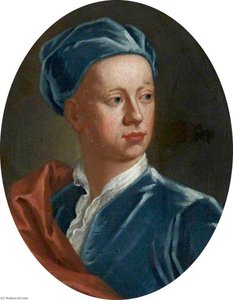
An Unfinished Study of the Head of James Thomson (1725) (1889) -ja William Aikman

An Unfinished Study of the Head of James Thomson

1725 · Oil · Yale Center for British Art, New Haven

In this unfinished oil study, the young man James Thomson emerges from a haze of muted tones. William Aikman captures a fleeting moment of quietude, freezing the subject in a three-quarter view as he gazes toward the right. The portrait feels immediate, as if the artist has just stepped back to observe the play of light across a face that is still being brought into being. It is a glimpse…

8
Henry Kelsall (1692–1762) (1729) (1889) -ja William Aikman

Henry Kelsall (1692–1762)

1729 · Oil On Canvas · National Trust, Norwich

In this 1729 portrait, we encounter Henry Kelsall, a man whose presence commands the space he occupies. He is depicted in a full-length pose, standing with a quiet authority that suggests a life of significant social standing. The composition is traditional, placing him centrally against a backdrop that hints at a stately interior. A heavy red curtain drapes to one side, providing a deep, saturated contrast to the cool tones…

9
Sir Robert Walpole (1676–1745), 1st Earl of Orford, KG (1730) (1889) -ja William Aikman

Sir Robert Walpole (1676–1745), 1st Earl of Orford, KG

1730 · Oil On Canvas · National Trust, Norwich

This oil on canvas portrait, dating to 1730, depicts Sir Robert Walpole, 1st Earl of Orford, KG. The subject is presented in a three-quarter pose, facing slightly to the left, and occupies most of the frame. He is dressed in elaborate robes that signify wealth, power, and rank. The composition is centered, with the figure set against a dark and indistinct background that serves to highlight the subject. The lighting…

10
Dorothy Boyle (1699–1758), Countess of Burlington (1728) (1889) -ja William Aikman

Dorothy Boyle (1699–1758), Countess of Burlington

1728 · Oil On Canvas

In this 1728 oil on canvas, we encounter Dorothy Boyle, Countess of Burlington, presented in a formal, waist-up portrait. She gazes toward the viewer with a composure that suggests a life lived within the highest circles of British nobility. The composition is intimate, utilizing an oval frame to focus our attention entirely upon her figure against a muted, neutral brown background. There is a quietude in her expression, a seriousness…

William Aikman híres festményei, 11 és 65 között

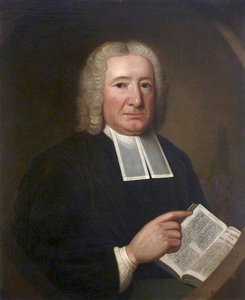
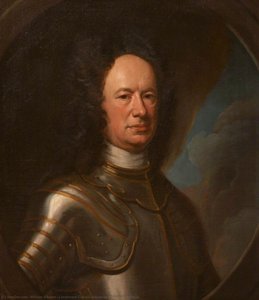
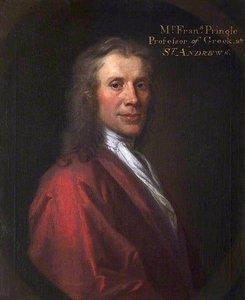
11Caroline of Brandenburg Ansbach (1683–1737), and Her Son Prince William Augustus (1721–1765), Duke of Cumberland (1730) (1889) -ja William AikmanCaroline of Brandenburg Ansbach (1683–1737), and Her Son Prince William Augustus (1721–1765), Duke of Cumberland1730 · National Trust 12James Hadow (1889) -ja William AikmanJames HadowUniversity of St Andrews 13George Alexander (1704) (1889) -ja William AikmanGeorge Alexander1704 14Robert Geddes, FRCSEd (1709) (1709) (1889) -ja William AikmanRobert Geddes, FRCSEd (1709)1709 · The Royal College of Surgeons of Edinburgh 15John Lauder (c.1680–1737), FRCSEd (1709) (1700) (1889) -ja William AikmanJohn Lauder (c.1680–1737), FRCSEd (1709)1700 · The Royal College of Surgeons of Edinburgh 16Robert Clerk (1664–1720), FRCSEd (1689) (1700) (1889) -ja William AikmanRobert Clerk (1664–1720), FRCSEd (1689)1700 · The Royal College of Surgeons of Edinburgh 17John Gay, Poet and Dramatist (1720) (1889) -ja William AikmanJohn Gay, Poet and Dramatist1720 18James Thomson, Poet (1720) (1889) -ja William AikmanJames Thomson, Poet1720 19John Campbell, 2nd Duke of Argyll and Greenwich, Soldier and Statesman (1720) (1889) -ja William AikmanJohn Campbell, 2nd Duke of Argyll and Greenwich, Soldier and Statesman1720 20James Thomson (1700–1748), Poet (1720) (1889) -ja William AikmanJames Thomson (1700–1748), Poet1720 · Scottish National Portrait Gallery 21Allan Ramsay (1684–1758), Poet (1722) (1889) -ja William AikmanAllan Ramsay (1684–1758), Poet1722 · Scottish National Portrait Gallery 22John Gay (1685–1732), Poet and Dramatist (1720) (1889) -ja William AikmanJohn Gay (1685–1732), Poet and Dramatist1720 · Scottish National Portrait Gallery 23John McGill (d.1735), FRCSEd (1710) (1711) (1889) -ja William AikmanJohn McGill (d.1735), FRCSEd (1710)1711 · The Royal College of Surgeons of Edinburgh 24Sir Patrick Hume (1641–1724), 1st Earl of Marchmont, Statesman (1720) (1889) -ja William AikmanSir Patrick Hume (1641–1724), 1st Earl of Marchmont, Statesman1720 · Varsói Nemzeti Múzeum 25William Aikman (1682–1731), Artist, Self Portrait (1711) (1889) -ja William AikmanWilliam Aikman (1682–1731), Artist, Self Portrait1711 · Scottish National Portrait Gallery 26John Campbell (1680–1743), 2nd Duke of Argyll and Greenwich, Soldier and Statesman (1720) (1889) -ja William AikmanJohn Campbell (1680–1743), 2nd Duke of Argyll and Greenwich, Soldier and Statesman1720 · Scottish National Portrait Gallery 27John Monro (1670–1740), FRCSEd (1703) (1715) (1889) -ja William AikmanJohn Monro (1670–1740), FRCSEd (1703)1715 · The Royal College of Surgeons of Edinburgh 28Lieutenant Colonel Alexander Campbell of Finab (1715) (1889) -ja William AikmanLieutenant Colonel Alexander Campbell of Finab1715 · The Black Watch Castle - Museum 29Field Marshal Sir Robert Rich (1685–1768), 4th Bt (1729) (1889) -ja William AikmanField Marshal Sir Robert Rich (1685–1768), 4th Bt1729 · National Trust 30Francis Pringle, Professor of Greek at St Andrews (1723) (1889) -ja William AikmanFrancis Pringle, Professor of Greek at St Andrews1723 · University of St Andrews 31Sir Thomas Saunders Sebright (1692–1736), 4th Bt (or 'Mr Crawley') (1730) (1889) -ja William AikmanSir Thomas Saunders Sebright (1692–1736), 4th Bt (or 'Mr Crawley')1730 · National Trust 32Colonel Harbord Harbord (1675 –1742) (Harbord Cropley) (1732) (1889) -ja William AikmanColonel Harbord Harbord (1675 –1742) (Harbord Cropley)1732 · National Trust 33Sir John Cope (1690–1760) (1730) (1889) -ja William AikmanSir John Cope (1690–1760)1730 · National Trust 34Edmund Prideaux (1693–1745) (detail) (1730) (1889) -ja William AikmanEdmund Prideaux (1693–1745) (detail)1730 · National Trust 35Sir William Harbord (1696 –1770), MP, KB (1729) (1889) -ja William AikmanSir William Harbord (1696 –1770), MP, KB1729 · National Trust 36Thomas Coke (1697–1759), 1st Earl of Leicester (1731) (1889) -ja William AikmanThomas Coke (1697–1759), 1st Earl of Leicester1731 · National Trust 37Sir William Leman (d.1741), 2nd Bt of Northaw, Hertfordshire (1729) (1889) -ja William AikmanSir William Leman (d.1741), 2nd Bt of Northaw, Hertfordshire1729 · National Trust 38William Kent (1725) (1889) -ja William AikmanWilliam Kent1725 · National Portrait Gallery 39Sir Charles Blois (1657–1738), 1st Bt, MP for Ipswich and Dunwich (1725) (1889) -ja William AikmanSir Charles Blois (1657–1738), 1st Bt, MP for Ipswich and Dunwich1725 40John Hay, 4th Marquess of Tweeddale, Lord Justice General for Scotland (1728) (1889) -ja William AikmanJohn Hay, 4th Marquess of Tweeddale, Lord Justice General for Scotland1728 41Sir Gilbert Elliot (1693–1766), 1st Lord Minto (1726) (1889) -ja William AikmanSir Gilbert Elliot (1693–1766), 1st Lord Minto1726 · Scottish National Portrait Gallery 42Sir Henry Harpur (1708–1748), 5th Bt (1728) (1889) -ja William AikmanSir Henry Harpur (1708–1748), 5th Bt1728 · National Trust 43Mary Savile (1700–1751), Countess of Thanet (1728) (1889) -ja William AikmanMary Savile (1700–1751), Countess of Thanet1728 44John St John (1702–1748), 2nd Viscount St John (1742) (1889) -ja William AikmanJohn St John (1702–1748), 2nd Viscount St John1742 · Lydiard House 45Adam Cockburn, Lord Ormiston, 1656 - 1735. Lord Justice-Clerk (1889) -ja William AikmanAdam Cockburn, Lord Ormiston, 1656 - 1735. Lord Justice-ClerkScottish National Portrait Gallery 46Sir James Steuart, 1st Baronet, of Goodtrees and Coltness, 1681 - 1727 (1889) -ja William AikmanSir James Steuart, 1st Baronet, of Goodtrees and Coltness, 1681 - 1727Scottish National Portrait Gallery 47John Dalrymple (1673–1747), 2nd Earl of Stair or John Campbell (1680–1743), Duke of Argyll and Greenwich (1889) -ja William AikmanJohn Dalrymple (1673–1747), 2nd Earl of Stair or John Campbell (1680–1743), Duke of Argyll and Greenwich 48Lady Anne Maxwell (1889) -ja William AikmanLady Anne Maxwell 49John Erskine, 14th of Dun, Son of Lord Dun, Aged 10 (1889) -ja William AikmanJohn Erskine, 14th of Dun, Son of Lord Dun, Aged 10 50Landscape with a River (1889) -ja William AikmanLandscape with a River 51Katherine Erskine, Daughter of Sir Charles Erskine of Alva, Wife of Patrick Campbell of Monzie (1889) -ja William AikmanKatherine Erskine, Daughter of Sir Charles Erskine of Alva, Wife of Patrick Campbell of Monzie 52Elizabeth Graham of Airth (1889) -ja William AikmanElizabeth Graham of AirthThe National Trust For Scotland 53John Erskine (1712–1787), 14th of Dun, Son of Lord Dun, Aged 10 (1889) -ja William AikmanJohn Erskine (1712–1787), 14th of Dun, Son of Lord Dun, Aged 10National Trust of Scotland 54Self Portrait (1889) -ja William AikmanSelf PortraitScottish National Gallery 55Elizabeth Ogilvy, Countess of Lauderdale (1889) -ja William AikmanElizabeth Ogilvy, Countess of Lauderdale 56John Lumsden of Blanearn (1889) -ja William AikmanJohn Lumsden of BlanearnThe National Trust For Scotland 57Charles Maitland (1688–1744), 6th Earl of Lauderdale (1889) -ja William AikmanCharles Maitland (1688–1744), 6th Earl of Lauderdale 58Rachel Graham, Wife of John Lumsden of Blanearn (1889) -ja William AikmanRachel Graham, Wife of John Lumsden of BlanearnThe National Trust For Scotland 59David Erskine (1672–1758), 13th of Dun, in the Robes of the Court of Session (1889) -ja William AikmanDavid Erskine (1672–1758), 13th of Dun, in the Robes of the Court of SessionNational Trust of Scotland 60Anne Erskine (1709–1735), Daughter of Lord Dun and Wife Successively of James, 9th Earl of Airlie and Sir Alexander Macdonald (1889) -ja William AikmanAnne Erskine (1709–1735), Daughter of Lord Dun and Wife Successively of James, 9th Earl of Airlie and Sir Alexander MacdonaldNational Trust of Scotland 61George Watson (1654–1723) (1889) -ja William AikmanGeorge Watson (1654–1723)The Merchant's Hall 62Walter Scott, 'Beardie' (1679–1729), Great Grandfather of Sir Walter Scott (1889) -ja William AikmanWalter Scott, 'Beardie' (1679–1729), Great Grandfather of Sir Walter ScottAbbotsford House 63Susanna Kennedy (1689–1780), Countess of Eglinton, Third Wife of the 9th Earl of Eglinton, Patroness of Letters (1889) -ja William AikmanSusanna Kennedy (1689–1780), Countess of Eglinton, Third Wife of the 9th Earl of Eglinton, Patroness of LettersScottish National Portrait Gallery 64Sir James Campbell of Lawers and Rowallan (1667–1745), Soldier (1889) -ja William AikmanSir James Campbell of Lawers and Rowallan (1667–1745), SoldierScottish National Portrait Gallery 65John Campbell, 2nd Duke of Argyll and Duke of Greenwich (1725) (1889) -ja William AikmanJohn Campbell, 2nd Duke of Argyll and Duke of Greenwich1725 · National Portrait Gallery

William Aikman híres festményei, korszakonként

A témák, amelyek William Aikman figyelmét meghúzták

A négy leggyakorobban előforduló téma ebben az eredeti művekben, mindegyik a legkiválóbb példájával.

A műemlékek, amelyek William Aikman eredeti műveit őrzik

A 8 olyan múzeum, amely a legtöbb ezen az oldalon szereplő festményet őrzi.

Múzeum Város William Aikman művei Ebből a listából származó festmények
Scottish National Portrait Gallery, EdinburghScottish National Portrait Gallery Edinburgh 12 Anne Dalrymple, Lady Steuart, d. 1736, Patie Birnie, the Fiddler of Kinghorn, James Thomson (1700–1748), Poet
National Trust, NorwichNational Trust Norwich 10 Henry Kelsall (1692–1762), Sir Robert Walpole (1676–1745), 1st Earl of Orford, KG, Field Marshal Sir Robert Rich (1685–1768), 4th Bt
The Royal College of Surgeons of Edinburgh, EdinburghThe Royal College of Surgeons of Edinburgh Edinburgh 5 Robert Geddes, FRCSEd (1709), John Lauder (c.1680–1737), FRCSEd (1709), Robert Clerk (1664–1720), FRCSEd (1689)
The National Trust For Scotland, EdinburghThe National Trust For Scotland Edinburgh 3 Elizabeth Graham of Airth, John Lumsden of Blanearn, Rachel Graham, Wife of John Lumsden of Blanearn
National Trust of Scotland, MontroseNational Trust of Scotland Montrose 3 John Erskine (1712–1787), 14th of Dun, Son of Lord Dun, Aged 10, David Erskine (1672–1758), 13th of Dun, in the Robes of the Court of Session, Anne Erskine (1709–1735), Daughter of Lord Dun and Wife Successively of James, 9th Earl of Airlie and Sir Alexander Macdonald
Royal Collection, LondonRoyal Collection London 2 John Campbell, Second Duke of Argyll and Duke of Greenwich (1680-1743), Archibald Campbell, Earl of Ilay, later 3rd Duke of Argyll (1682-1761)
University of St Andrews, St AndrewsUniversity of St Andrews St Andrews 2 James Hadow, Francis Pringle, Professor of Greek at St Andrews
National Portrait Gallery, LondonNational Portrait Gallery London 2 William Kent, John Campbell, 2nd Duke of Argyll and Duke of Greenwich

William Aikman évtizedekig: egy egyedi eredeti mű minden évtizedben

Művek évtizedenként

Váassz ki egy évtizedet, hogy megnézhesd az azt meghatározó eredetiműveket.

William Aikman festményei: kérdések a galériának

Mi a leghíresebb műve William Aikmannek?Fedje fel a választ

John Campbell, Second Duke of Argyll and Duke of Greenwich (1680-1743) (1709), Royal Collection, London. Ezután Anne Dalrymple, Lady Steuart, d. 1736 (1710) és James Gibbs (1682-1754) holding a Plan of St Mary le Strand, London (1713) következik.

Milyen életkorában alkotta meg William Aikman a(z) John Campbell, Second Duke of Argyll and Duke of Greenwich (1680-1743) műszt?Fedje fel a választ

27 éves: John Campbell, Second Duke of Argyll and Duke of Greenwich (1680-1743) 1709-ből származik, William Aikman pedig 1682-ben született.

Melyik tíz festménye William Aikman a leghíresebb?Fedje fel a választ

John Campbell, Second Duke of Argyll and Duke of Greenwich (1680-1743), Anne Dalrymple, Lady Steuart, d. 1736, James Gibbs (1682-1754) holding a Plan of St Mary le Strand, London, Archibald Campbell, Earl of Ilay, later 3rd Duke of Argyll (1682-1761), Patie Birnie, the Fiddler of Kinghorn, Sir Thomas Saunders Sebright, 4th Bt (1692-1736) or Mr Crawley, An Unfinished Study of the Head of James Thomson, Henry Kelsall (1692–1762), Sir Robert Walpole (1676–1745), 1st Earl of Orford, KG és Dorothy Boyle (1699–1758), Countess of Burlington. A fenti rangsor a művek évszamarát és a múzeumát jelzi.

Hány mű alkotása ismert William Aikman nevében?Fedje fel a választ

Katalógusunkban 73 mű található William Aikman alkotótól, 1700 és 1731 év közötti időszakból.

Hol tekinthetők meg a leghíresebb William Aikman eredetijeit?Fedje fel a választ

Leginkább Scottish National Portrait Gallery (Edinburgh), National Trust (Norwich) és The Royal College of Surgeons of Edinburgh (Edinburgh) található. A fenti múzeumi táblázatban mindegyik felsorolásra került.

Melyik időszakban alkotta William Aikman a leghíresebb festményeit?Fedje fel a választ

1720s alatt: a jelen laphonon található 65 műből 23 készült ebben az időszakban, köztük Patie Birnie, the Fiddler of Kinghorn.

Melyik híres William Aikman festmény a legkorábbi, és melyik a legutóbb készült?Fedje fel a választ

Ezen az oldalon a leghitelesebb John Lauder (c.1680–1737), FRCSEd (1709) (1700), a legutóbbi pedig Thomas Coke (1697–1759), 1st Earl of Leicester (1731).

Milyen témakörket kedvelt William Aikman?Fedje fel a választ

Man (46), Portrait (17) és Wig (12), a jelen oldalon található 65 műművészeti alkotás között.

Milyen anyagokkal festett leggyakrabban William Aikman?Fedje fel a választ

Oil On Canvas, a jelen oldalon található 65 műből 44 darab esetén.

Mely művészeti irányba tartozik William Aikman műve?Fedje fel a választ

Neoclassicism, ezen az oldalon található eredetiek alapján.

Milyen William Aikman eredeti műveket láthatok a Scottish National Portrait Gallery kiállításaiban?Fedje fel a választ

Anne Dalrymple, Lady Steuart, d. 1736, Patie Birnie, the Fiddler of Kinghorn és James Thomson (1700–1748), Poet: a Scottish National Portrait Gallery, Edinburgh 12 művet őrzi ezen az oldalon.

William Aikman: a művész portréja

A skót felmajądás lelke: William Aikman élete és művészete

A tizenkilencedik század skóti, vibráló intellektuális tájában kevés olyan alak alakított testet a vizuális művészet és a irodalmi mélység harmonikus egységének, mint William Aikman. 1682-ben született egy olyan családba, amely a jogtudomány szigorú terméken tervezte jövőjét, azonban Aikman végül egy sokkal inkább megidézőbb és éterebb utat választott. A jog száraz összetettsége insteade a pincéjének megadta magát a ecsettnek, és olyan portretista lett, whose művei megörökítették a skót felmajądás lényegét. Élete nem csupán a technikai kiválóság elnyeréséről szóló törekvés volt, hanem a humanista idealisták iránti mély elköteleződés, amelyek éppen az európai tudatállapotot formálták át.

Aikman művészeti identitásának alapjait az Edinburghi Egyetem megalapozott évei alatt fektették le. Itt alakult ki tartós és átalakító kapcsolata Allan Ramsay-val, a Doriment hagyomány ünnepelt költőjével. Ez a barátság messze túlmutatott a társasági kapcsolaton; ez egy közös intellektuális utazás volt. Ramsay révén Aikman mélyen elmerült egy olyan költői etoszkban, amelyet az őszinteség, az érzelmi rezonancia és a természet iránti finom csodaszállás jellemzett. Ez a literári érzékenység később a festményeiben is megnyilvánult, olyan pszichológiai mélységet és csendes méltóságot kölcsönözve alanyainak, amely túlmutatott a puszta fizikai hasonlóság rögzítésén.

Utazás az antiktikus pompán keresztül

Felszülető tehetségét az Londonban elérhető szigorú képzés segítette a finomításban, ahol találkozott az olasz neoklasszicizmus feltöbbogó hatásaival. Azonban valódi művészi metamorfózisa az olaszországi széles körű utazások során következett be. A reneszánsz bölcsója, amelyben elmerült, Aikman apró részletekig tanulmányozta a mestereket, mély inspirációt találva Raphael és Michelangelo kiegyensúlyozott kompozícióiban és idealizált formáiban. Ez a zarándoklatos időszak lehetővé tette számára, hogy befogadja az antikvitás elveit, integrálva a strukturális állandóság és a klasszikus elegancia érzését portretái közé.

Skótiában való visszatérése után Aikman stílusa a északi érzékenység és a déli pompás ragamosságának kifinomult ötvözeteként emelkedett ki. Művészetét a nyugodt elegancia jellemezte, elkerülve a barokk túlzott drámai díszítését a komponáltabb és gondosabb prezentáció javára. Kivételes képességgel rendelkezett a textúrák ábrázolásában – a selyem finom csillogása, a bársony súlya és a bőr puha textúrája – olyan precizitással, amely egyszerre életszerű és művészi ideálral emelt. Portréi nem csupán tükörími képek voltak, hanem karakter és intellektuális jelenlét felerősítésével áraszkodtak.

Mecenatlus, örökség és történelmi jelentőség

Egyéni technikai eredményein túl Aikman kulcsfontosságú szerepet játszott korabeli kulturális ökoszisztémájában. Fontos hidat képezett a finomművészet és az irodalom világai között, korai pártfogóként szolgálva olyan alakok számára, mint James Thomson. Társadalmi kapcsolatai révén, kihasználva a Robert Walpole gibi befolyásos személyek megbízottságát, Aikman segített olyan környezetet kialakítani, ahol a skót intellektuálisok szélesebb európai színpadon virágzhattak. Képessége a hatalmi korridórok navigálására a művészi integritásának megőrzése mellett, központi alakká tette őt Edinburgh felfelé robbanó kulturális reneszánszában.

William Aikman öröksége portréinak csendes erejében rejlik, amelyek továbbra is ablakként szolgálnak egy olyan korszak szellemiségébe, amelyet az értelem és a kifinomatottság határoz meg. Pályaművének főbb pilléreit az alábbiakban foglalhatjuk össze:

  • A művészetek szintézise: Sikeresen ötvözte az olasz neoklasszicizmus vizuális nyelvét a skót költészet érzelmi őszinteségével.
  • Kulturális megbízott: Mecenatussága és kapcsolatai révén segített nângva a brit szigeteken élő skót intellektuálisok státuszát.
  • Technikai mesterség: Az óriásmesterek tanulmányozásába való elkötelezettsége lehetővé tette számára, hogy egy olyan klasszikus kifinomultságot vezessen be a skót portretművészetbe, amely addig ismeretlen volt.
  • Tartós hatás: Művészete elengedhetetlen kiindulópont a tizenkilencedik század felmajądásának esztétikai és intellektuális áramlatainak megértéséhez.

Bár élete viszonylag rövid volt, és 1731-ben véget ért, William Aikman hatása mélyen megmaradt a brit művészet történetében. Szolgáltatja az igazi hivatás követésének erejének bizonyítékaként, bebizonyítva, hogy amikor az ecsetet az eszmélet és a szív irányítja, az nemcsak egy arcot, hanem egy korszak lelkét is képes megörökíteni.