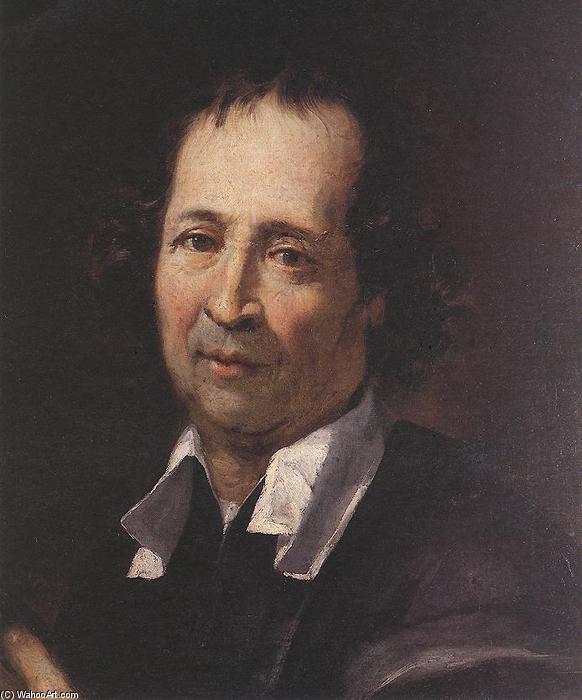
Pierre Puget portréja

A 70 legnevezesebb Pierre Puget festmény, egy galériaválaszték

Frissítve: november 2026 · rangsorolva népszerűségi pontszámunk alapján (minden mű keresései, látogatásai és megrendelései alapján) · 77 mű Pierre Puget alkotása a katalógusunkban

Röviden

Pierre Puget hagyatékából a leghíresebb alkotás The Meeting of Alexander the Great and Diogenes (1671), amely a Párizs városi Louvre Múzeum gyűjteményében található. Röviddel ezután követik őket Milo of Croton (1671) és The Meeting of Alexander the Great and Diogenes (1671). Katalógusunkban 77 mű található Pierre Puget alkotótól; a galéria megőrizte a világ által leginkább csodált 70 darabot, melyeket a dátummal, a múzeummal és a történetükkel együtt mutatunk be.

1620 – 1694, Marseille Baroque époque A legtöbb mű: Louvre Múzeum

Pierre Puget legjobb 10 festménye: a galéria válogatása

1
The Meeting of Alexander the Great and Diogenes (1671) (1889) -ja Pierre Puget

The Meeting of Alexander the Great and Diogenes

1671 · Marble · Louvre Múzeum, Párizs

In the hallowed halls of art history, few encounters possess the dramatic tension found in Pierre Puget’s 1671 masterpiece, The Meeting of Alexander the Great and Diogenes. This monumental sculpture is far more than a mere historical reconstruction; it is a breathtaking theatrical performance frozen in marble. At its heart lies a profound confrontation between two opposing worlds: the boundless, imperial ambition of Alexander the Great and the radical, ascetic…

2
Milo of Croton (1671) (1889) -ja Pierre Puget

Milo of Croton

1671 · Marble · Louvre Múzeum, Párizs

In the hallowed halls of the Louvre Museum, one figure commands the space with a visceral, breathtaking intensity that transcends the cold stillness of marble. Pierre Puget’s Milo of Croton is not merely a sculpture; it is a profound psychological drama frozen in time. Completed between 1671 and 1682, this monumental work serves as a cornerstone of the Baroque era, capturing a moment where physical prowess meets unbearable suffering. The…

3
The Meeting of Alexander the Great and Diogenes (1671) (1889) -ja Pierre Puget

The Meeting of Alexander the Great and Diogenes

1671 · Sculpture · Louvre Múzeum, Párizs

In the hallowed halls of the Musée du Louvre, there exists a moment frozen in time, a theatrical confrontation that transcends the boundaries of mere sculpture to become a profound meditation on human existence. Pierre Puget’s 1671 masterpiece, The Meeting of Alexander the Great and Diogenes, is not simply a depiction of two historical figures; it is a breathtaking performance captured in alabaster. The work brings us face-to-face with the…

4
Öniségét ábrázoló önportrét (1668) (1889) -ja Pierre Puget

Öniségét ábrázoló önportrét

1668 · Olajfestmény vászonon · Musée Granet, Aix-en-Provence

Pierre Paul Puget (16 október 1620 – 2 december 1694) francia bárokói festő, szobrász, építőmérnök és műszakkal foglalkozó személyiség volt. Szobra kifejezett érzelmet, szomorúságot és drámát tükrözött meg, ami különbséget tett a klasszikus és akadémiai szobrászathoz képest az új francia stílusban.

5
View on the Sea (1670) (1889) -ja Pierre Puget

View on the Sea

1670 · Acrylic On Canvas · Louvre Múzeum, Párizs

Pierre Puget's "View on the Sea," created around 1670, isn’t merely a depiction of three ships navigating a hazy horizon; it’s a meticulously crafted tableau brimming with Baroque drama and an intimate understanding of human scale. Born in Marseille during a period of intense maritime activity, Puget’s life was inextricably linked to the sea – initially as a craftsman shaping the hulls of galleys, later as a celebrated sculptor, architect,…

6
Büst fiatal augusztusról (1889) -ja Pierre Puget

Büst fiatal augusztusról

Márvány · Museo di Sant'Agostino, Genova

Pierre Puget és Az Érdekes Szellemű „Fiatal Örömteli” Ünnepélyes Marmorszobor A francia barokk művész Pierre Puget (1620–1694) egy igaz nagyjátékos volt, aki egyszerre tudott realista és szenvedélyesen kifejező alkotásokra térődni. Az ő életét és művészi pályáját számos jelentős esemény befolyásolta, melyeket azonban elsősorban az ő művészetének köszönhetünk. Egy különösen szép és ikonikus alkotása a „Fiatal Örömteli” című marmorszobor, melyet Puget körülbelül 1689-ben készített Itália Szászvárosi Múzeumába helyezett el. Ez az…

7
Hercules Standing (1660) (1889) -ja Pierre Puget

Hercules Standing

1660 · Terracotta · Berlin Állami Múzeumai, Berlin

In Hercules Standing, Pierre Puget presents the legendary hero of Greek mythology through a lens of physical power and controlled movement. Created about 1660, the sculpture focuses on the attributes for which the figure is most recognized: immense strength and prowess. Rather than a static representation, the subject is captured in a dynamic contrapposto pose, where the weight shifts onto one leg while the other remains relaxed, creating a sense…

8
David Gazing at Goliath's Head (1671) (1889) -ja Pierre Puget

David Gazing at Goliath's Head

1671 · Oil · Musée de la civilisation, Quebec City

In this Baroque oil painting from 1671, a youthful, muscular man sits on the left side of the composition. He is draped in heavy blue fabric that falls in deep folds across his lap, where a layer of fur provides a textural contrast to his skin. His body is positioned in a way that emphasizes anatomical detail, particularly in the torso and limbs. To his right, resting upon a rough…

9
Great Vessel of War (1670) (1889) -ja Pierre Puget

Great Vessel of War

1670 · Ink On Paper · Musée Bonnat, Bayonne

The Great Vessel of War emerges from the shadows of history, a detailed illustration that captures a massive 17th-century warship amidst the churning sea. Created by Pierre Puget in 1670, this work presents a moment of maritime power and intricate naval architecture. The ship dominates the view, its complex rigging and heavy wooden hull rendered with a precision that brings the vessel to life. It exists as a silent witness…

10
Two Vessels under Sail (1674) (1889) -ja Pierre Puget

Two Vessels under Sail

1674 · Ink On Paper · Musée Bonnat, Bayonne

A monochrome study of maritime movement, this work captures two sailing vessels navigating a choppy sea. The composition is oriented horizontally, emphasizing the length of the hulls as they cut through the water. A primary ship dominates the central foreground, its rigging and sails rendered with meticulous detail, while a second vessel trails behind to the left. In the lower right corner, a smaller boat with figures provides a sense…

A Pierre Puget válogatás folytatódik: 11 – 70

11Perseus and Andromeda (1678) (1889) -ja Pierre PugetPerseus and Andromeda1678 · Louvre Múzeum 12Christ Dying on the Cross (1889) -ja Pierre PugetChrist Dying on the CrossLouvre Múzeum 13La Ravissement d (1889) -ja Pierre PugetLa Ravissement dDetroit Institute of Arts 14Door of the Hôtel de Ville at Toulon (1656) (1889) -ja Pierre PugetDoor of the Hôtel de Ville at Toulon1656 · Musée Navale 15Ship at Marseille (1651) (1889) -ja Pierre PugetShip at Marseille1651 · Musée des Beaux-Arts de Marseille 16Portrait of the Artist's Mother (1651) (1889) -ja Pierre PugetPortrait of the Artist's Mother1651 · Private collection 17The Visitation (1659) (1889) -ja Pierre PugetThe Visitation1659 · Musée Granet 18The Holy Family at the Palm-tree (1662) (1889) -ja Pierre PugetThe Holy Family at the Palm-tree1662 · Private collection 19Navigation before a Promontory (1680) (1889) -ja Pierre PugetNavigation before a Promontory1680 · Musée des Beaux-Arts 20Perseus and Andromeda (1678) (1889) -ja Pierre PugetPerseus and Andromeda1678 · Louvre Múzeum 21Szent Péter kivégetése (1654) (1889) -ja Pierre PugetSzent Péter kivégetése1654 · Musée des Beaux-Arts de Marseille 22Achilles és Kirjon oktatása (1690) (1889) -ja Pierre PugetAchilles és Kirjon oktatása1690 · Musée des Beaux-Arts de Marseille 23St Sebastian (1889) -ja Pierre PugetSt Sebastian 24Homer (1889) -ja Pierre PugetHomer 25Blessed Alessandro Sauli (1889) -ja Pierre PugetBlessed Alessandro Sauli 26Self portrait Marble (1889) -ja Pierre PugetSelf portrait Marble 27Philosopher (1889) -ja Pierre PugetPhilosopherBavári Állami Festırménygyűjtemények 28Immaculate Conception (1889) -ja Pierre PugetImmaculate Conception 29Milon de Crotone detail (1889) -ja Pierre PugetMilon de Crotone detail 30The Rape of Helen of Troy (1889) -ja Pierre PugetThe Rape of Helen of Troy 31Atlas from the door of the Hôtel de Ville at Toulon (1889) -ja Pierre PugetAtlas from the door of the Hôtel de Ville at Toulon 32View of the harbor of Toulon (1889) -ja Pierre PugetView of the harbor of Toulon 33Virgin of the Immaculate Conception (1889) -ja Pierre PugetVirgin of the Immaculate Conception 34Milo of Croton (detail) (1889) -ja Pierre PugetMilo of Croton (detail) 35Assumption of the Virgin (1889) -ja Pierre PugetAssumption of the Virgin 36Design for the decoration of a Warship (1889) -ja Pierre PugetDesign for the decoration of a Warship 37Louis XIV (1889) -ja Pierre PugetLouis XIV 38Hercules at Rest (detail) (1889) -ja Pierre PugetHercules at Rest (detail) 39Le baptême de Clovis (1889) -ja Pierre PugetLe baptême de Clovis 40LE BAPTEME DE CONSTANTIN (1889) -ja Pierre PugetLE BAPTEME DE CONSTANTIN 41LE SOMMEIL DE L'ENFANT JESUS (1889) -ja Pierre PugetLE SOMMEIL DE L'ENFANT JESUS 42LA VIERGE APPRENANT A LIRE A L'ENFANT JESUS (1889) -ja Pierre PugetLA VIERGE APPRENANT A LIRE A L'ENFANT JESUS 43Milo of Croton (1889) -ja Pierre PugetMilo of Croton 44View of a port with a facade and a trophy of arms (1889) -ja Pierre PugetView of a port with a facade and a trophy of arms 45Galley and two ships sailing on (1889) -ja Pierre PugetGalley and two ships sailing on 46Cannon fire at the port of Antibes (1889) -ja Pierre PugetCannon fire at the port of Antibes 47A Frigate at Sea (1889) -ja Pierre PugetA Frigate at SeaHet Scheepvaartmuseum 48Design for a Tabernacle (1889) -ja Pierre PugetDesign for a Tabernacle 49Hercules at Rest (1661) (1889) -ja Pierre PugetHercules at Rest1661 · Louvre Múzeum 50Mediterranean Port with Men o' War (1889) -ja Pierre PugetMediterranean Port with Men o' WarGovernment Art Collection 51Arm (1889) -ja Pierre PugetArm 52Virgin and Child (1889) -ja Pierre PugetVirgin and Child 53Vessel Firing a Salvo (1889) -ja Pierre PugetVessel Firing a Salvo 54Sea view (1889) -ja Pierre PugetSea view 55Alessandro Sauli (1889) -ja Pierre PugetAlessandro Sauli 56A big storm on the sea (1889) -ja Pierre PugetA big storm on the sea 57The Sacrifice of Noah (1889) -ja Pierre PugetThe Sacrifice of Noah 58St Peter Holding the Key of the Paradise (1889) -ja Pierre PugetSt Peter Holding the Key of the Paradise 59The faun terracotta (1889) -ja Pierre PugetThe faun terracotta 60Hercules at Rest (1889) -ja Pierre PugetHercules at Rest 61Three vessels with the brands of their dignity (1889) -ja Pierre PugetThree vessels with the brands of their dignity 62The Faun (detail) (1889) -ja Pierre PugetThe Faun (detail)Musée des Beaux-Arts de Marseille 63Door of the Hôtel de Ville at Toulon (1889) -ja Pierre PugetDoor of the Hôtel de Ville at Toulon 64Salvator Mundi (1889) -ja Pierre PugetSalvator Mundi 65The Visitation (detail) (1889) -ja Pierre PugetThe Visitation (detail) 66The Faun (1889) -ja Pierre PugetThe FaunMusée des Beaux-Arts de Marseille 67Self-portrait in Old Age (1889) -ja Pierre PugetSelf-portrait in Old Age 68Study of a Horse (1889) -ja Pierre PugetStudy of a HorseMusée des Beaux-Arts de Marseille 69Virgin Giving the Scapular to St Simon Stock (1889) -ja Pierre PugetVirgin Giving the Scapular to St Simon StockMusée des Beaux-Arts de Marseille 70Bust of Marcus Aurelius (1889) -ja Pierre PugetBust of Marcus AureliusMuseo di Sant'Agostino

Pierre Puget híres festményei, korszakonként

A témák, amelyek Pierre Puget figyelmét meghúzták

A négy leggyakorobban előforduló téma ebben az eredeti művekben, mindegyik a legkiválóbb példájával.

A műemlékek, amelyek Pierre Puget eredeti műveit őrzik

A 8 olyan múzeum, amely a legtöbb ezen az oldalon szereplő festményet őrzi.

Múzeum Város Pierre Puget művei Ebből a listából származó festmények
Louvre Múzeum, PárizsLouvre Múzeum Párizs 8 The Meeting of Alexander the Great and Diogenes, Milo of Croton, The Meeting of Alexander the Great and Diogenes
Musée des Beaux-Arts de Marseille, MarseilleMusée des Beaux-Arts de Marseille Marseille 7 Ship at Marseille, Szent Péter kivégetése, Achilles és Kirjon oktatása
Musée Granet, Aix-en-ProvenceMusée Granet Aix-en-Provence 2 Öniségét ábrázoló önportrét, The Visitation
Museo di Sant'Agostino, GenovaMuseo di Sant'Agostino Genova 2 Büst fiatal augusztusról, Bust of Marcus Aurelius
Musée Bonnat, BayonneMusée Bonnat Bayonne 2 Great Vessel of War, Two Vessels under Sail
Berlin Állami Múzeumai, BerlinBerlin Állami Múzeumai Berlin 1 Hercules Standing
Musée de la civilisation, Quebec CityMusée de la civilisation Quebec City 1 David Gazing at Goliath's Head
Detroit Institute of Arts, DetroitDetroit Institute of Arts Detroit 1 La Ravissement d

Pierre Puget évtizede folgtva: az eredeti művek, amelyek meghatározzák az egyes korzakot

Művek évtizedenként

Váassz ki egy évtizedet, hogy megnézhesd az azt meghatározó eredetiműveket.

Gyűjtői kérdések Pierre Puget festményeivel kapcsolatban

Melyik művel a(z) Pierre Puget a leghíresebb?Fedje fel a választ

The Meeting of Alexander the Great and Diogenes (1671), Louvre Múzeum, Párizs. Ezután Milo of Croton (1671) és The Meeting of Alexander the Great and Diogenes (1671) következik.

Hány éves volt Pierre Puget, amikor a The Meeting of Alexander the Great and Diogenes készült?Fedje fel a választ

51 éves: The Meeting of Alexander the Great and Diogenes 1671-ből származik, Pierre Puget pedig 1620-ben született.

Melyek a tíz leghíresebb Pierre Puget festmény?Fedje fel a választ

The Meeting of Alexander the Great and Diogenes, Milo of Croton, The Meeting of Alexander the Great and Diogenes, Öniségét ábrázoló önportrét, View on the Sea, Büst fiatal augusztusról, Hercules Standing, David Gazing at Goliath's Head, Great Vessel of War és Two Vessels under Sail. A fenti rangsor a művek évszamarát és a múzeumát jelzi.

Hány festményet hagyott hátra Pierre Puget?Fedje fel a választ

Katalógusunkban 77 mű található Pierre Puget alkotótól, 1651 és 1690 év közötti időszakból.

Mely múzeumokban állnak Pierre Puget remekművei?Fedje fel a választ

Leginkább Louvre Múzeum (Párizs), Musée des Beaux-Arts de Marseille (Marseille) és Musée Granet (Aix-en-Provence) található. A fenti múzeumi táblázatban mindegyik felsorolásra került.

Mely években festette Pierre Puget leghíresebb műveit?Fedje fel a választ

1670s alatt: a jelen laphonon található 70 műből 9 készült ebben az időszakban, köztük The Meeting of Alexander the Great and Diogenes.

Mikszétek az első és az utolsó híres eredeti műve a(z) Pierre Puget alkotótól?Fedje fel a választ

Ezen az oldalon a leghitelesebb Ship at Marseille (1651), a legutóbbi pedig Achilles és Kirjon oktatása (1690).

Milyen témaköröket választott leggyakrabban Pierre Puget?Fedje fel a választ

Sculpture (7), Mythology (5) és Sea (5), a jelen oldalon található 70 műművészeti alkotás között.

Melyik technikát alkalmazta leggyakrabban Pierre Puget?Fedje fel a választ

Marble, a jelen oldalon található 70 műből 5 darab esetén.

Mely művészeti irányba tartozik Pierre Puget?Fedje fel a választ

Baroque époque, ezen az oldalon található eredetiek alapján.

Mely Pierre Puget művei láthatóak a Louvre Múzeum kiállتításán?Fedje fel a választ

The Meeting of Alexander the Great and Diogenes, Milo of Croton és The Meeting of Alexander the Great and Diogenes: a Louvre Múzeum, Párizs 8 művet őrzi ezen az oldalon.

Pierre Puget: életmű és életút

Pierre Puget: Életút a művészet és a mérnöki tudomány világában

  • Született: Marseille, Franciaország (1620)
  • Hunyt el: 1694

Korai évek és az olasz hatások

  • Tanulmányok: Puget pályafutása már czertánéven megkezdődött, amikor Marseille-ben épülő gáléknak faragott díszítéseket készített. Ez a korai mesterséges tapasztalat fektette le az alapokat későbbi művészeti törekvéseihez.
  • Utazás Itália: Az új lehetőségek keresésében Olaszországba indult, először Livornóba, majd Firenzébe, ahol tovább finomította fafaragói és festői készségeit.
  • Róma és Pietro da Cortona: Élete fordulópontját akkor érte, amikor Rómában Pietro da Cortona mentoráltja lett. Puget asszisztált a Palazzo Barberini és a Palazzo Pitti díszes mennyezeteinek festésében, miközben magába szívta a római barokk művészet dinamizmusát és monumentális pompáját.
  • Visszatérés Marseille-be (1643): Az olaszországi három év után visszatért hazájába, magával hozva az olasz mesterek által formált kifinomult művészeti érzékiséget.

Főbb alkotások és művészi fejlődés

  • Korai megbízások: Hazatérése után festményeket és oltárisztolyokat kapott meg, melyekben egyre inkább megjelenik Annibale Carracci és Rubens hatása, tükrözve fejlődő stílusát.
  • Szobrászati áttörések: Egyre inkább a szobrászművészet felé fordult, olyan alkotásokkal, mint a francia perangyhók sternjén található medallionok, amelyek formájának és részletgazdagságának mesteri szintű fejlődését mutatták be.
  • Vaux-le-Vicomte (1660-as évek): Nicolas Fouquet felbízta Pugetet, hogy alakítsa ki a Hercules szobrát a Vaux-le-Vicomte kastélyába, ami jelentős pillanat volt pályáján, és a hatalmas személyiségek meglévő mecénatoltságát bizonyította.
  • Genovai időszak: Fouquet bukása után Puget Genovába költözött, ahol olyan jelentős műveket alkotott, mint a „Hercule Gaulois” (Louvre) és szobrok olyan templomokba, mint a Santa Maria di Carignano.
  • Versailles-i megbízások: Colbert visszahozta Pugetet Franciaországba, ami Versailles számára kapott megbízásokhoz vezetett, beleértve a híres „Milo Krótóni” és a „Perseus és Andromeda” csoportokat is. Ezek az alkotások drámai intenzitásukról és kifejeendezett realizmusukról ismerték.

Stílus és hatások

  • Barokk dráma: Puget stílusa szilárdan gyökerezik a barokk hagyományban, hangsúlyozva a mozgást, az érzelmeket és a teatralitást.
  • Klasszikus inspiráció: Miközben befogadta a barokk dinamizmusát, művészete klasszikus formákat és ideálokat is értékel.
  • Michelangelo és Bernini: Szobrainkban megjelennek Michelangelo erőteljes alakjai és Bernini dinamikus kompozícióinak hatásai.
  • Egyedi kifejezésmód: Ezen hatások ellenére Puget egy olyan sajátos stílust fejlesztett ki, amelyet nyers energiája és kifejezettségének intenzitása határoz meg, elkülönítve őt a hagyományosabb barokk művészektől.

Örökség és történelmi jelentőség

  • A művészet és a mérnöki tudomány összekapcsolása: Puget képessége, hogy zökkenőmentesen ötvözze művészi tehetségét mérnöki készségeivel, egyedülálló volt. Tengerészeti építészetben és erődítmények kialakításában végzett munkája a gyakorlati találékonyságot mutatja be művészeti eredményei mellett.
  • Egy szenvedő zseni: Théophile Gautier ősi módon nevezte őt a „bűnözők melankolikus császarájának”, ami tükrözi a kreatív folyamatában rejlő intenzitást és talán a benne lévő küzdelmeket is.
  • Tartós hatás: Puget szobrainak, különösen a „Milo Krótóni”-nak és a „Perseus és Andromeda”-nak marad a francia barokk szobrászat ikonikus példái, melyeket kifejező erejükről és technikai virtuozitásukról csodálnak.
  • Elismertség napjainkban: Műveit világszerte ünnepelik a múzeumokban, beleértve a Louvre-t és a Marseille-i Beaux-Arts Múzeumot is, megerősítve helyét a művészettörténet jelentős alakjaként.