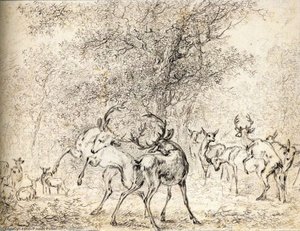
Paulus Potter portréja

Paulus Potter festményei: A 100 leghíresebb alkotás, egy galéria szemével

Frissítve: november 2026 · rangsorolva népszerűségi pontszámunk alapján (minden mű keresései, látogatásai és megrendelései alapján) · 133 mű Paulus Potter alkotása a katalógusunkban

Röviden

A galéria szerint Paulus Potter leghíresebb festménye a The Farm (1649), amelynek eredeti példája a Hermitaeus-múzeum múzeumában található, Szentpétervár városában. Two Cows and a Young Bull beside a Fence in a Meadow (1647) és Orpheus and the Animals (1650) kiegészítik azt a triót, amelyet minden szem felismer. A katalógusunkban szereplő 133 művész Paulus Potter alkotásából a galéria az alábbi 100 leghíresebbet mutatja be, amelyek mind egyedi originális művek, a készítés évszámával, a múzeum megnevezésével és a különlegességük leírásával.

1625 – 1654, Enkhuizen Dutch golden age A legtöbb mű: Hermitaeus-múzeum

A galéria top 10 Paulus Potter festménye

1
The Farm (1649) (1889) -ja Paulus Potter

The Farm

1649 · Oil On Panel · Hermitaeus-múzeum, Szentpétervár

A Window into Rural Life: Paulus Potter’s “The Farm” Paulus Potter's "The Farm," painted in 1649, isn’t merely a depiction of livestock; it’s a meticulously crafted window into the heart of 17th-century Dutch rural life. Housed within The Hermitage Museum in St. Petersburg, this oil on panel masterpiece offers an intimate glimpse into a world where human activity and animal husbandry were inextricably linked – a world rendered with astonishing…

2
Two Cows and a Young Bull beside a Fence in a Meadow (1647) (1889) -ja Paulus Potter

Two Cows and a Young Bull beside a Fence in a Meadow

1647 · Oil On Panel · Art Institute of Chicago, Chicago

In this oil on panel work, titled Two Cows and a Young Bull beside a Fence in a Meadow, the artist Paulus Potter presents a quiet moment from the Dutch countryside. Painted in 1647, the work captures a specific stillness within a pastoral setting. It measures 49.5 x 37.2 cm, a scale that invites a close, intimate examination of the subjects and the atmosphere surrounding them.

3
Orpheus and the Animals (1650) (1889) -ja Paulus Potter

Orpheus and the Animals

1650 · Oil On Canvas · Rijksmuseum, Amsterdam

Paulus Potter painted Orpheus and the Animals in 1650. The work draws upon the classical descriptions of the poet Ovid, who recounted how Orpheus used his music to enchant the natural world. In this composition, the central figure is positioned amidst a diverse assembly of creatures, strumming a harp to command their attention.

4
The Bull (1649) (1889) -ja Paulus Potter

The Bull

1649 · Oil · Berlin Állami Múzeumai, Berlin

Paulus Potter’s “The Bull,” completed around 1647, stands as an emblem of the Dutch Golden Age's unwavering fascination with the natural world. More than just a depiction of livestock—though undeniably masterful in its anatomical precision—the painting embodies a profound philosophical stance on life and death, reflecting the burgeoning humanist ideals that characterized the era.

5
Szilárd lókkal álló férfiatok képe (1647) (1889) -ja Paulus Potter

Szilárd lókkal álló férfiatok képe

1647 · Olajfestmény panelen · Philadelphia Művészeti Múzeum, Philadelphia

Paulus Potter és „A stabil előtt álló lovasokkal együtt” című alkotás részlete Paulus Potter, egy név szinte azonnal az holland ősi időszak mély kapcsolatát természethez kötheti össze – aki pedig igazán nagy tudással rendelkezett –, egy tragikus rövid pályával és lenyűgöző művészi eredményekkel büszkélkedik meg. Született Enkhuizenben 1625 novemberében, és ugyanazon nap keresztelték meg; művészi útja Pieter Symonsz Potter festő apa irányítása alatt kezdődött, aki kiválóan ügyelte fel a fényűző…

6
Bellowing Bull (1650) (1889) -ja Paulus Potter

Bellowing Bull

1650 · Oil On Canvas · Philadelphia Művészeti Múzeum, Philadelphia

A large bull's head and neck dominate the left side of the frame, captured in a profile view facing left. The animal's mouth is open, revealing a strained expression and a wet nose. Sharp, upward-curving horns rise from the skull, their rugged surfaces catching a strong light source from the upper left. This lighting creates a chiaroscuro effect, casting deep, heavy shadows across the muscular contours of the neck and…

7
Deer in the Wood (1647) (1889) -ja Paulus Potter

Deer in the Wood

1647 · Acrylic On Canvas · Rijksmuseum, Amsterdam

A Woodland Reverie: Paulus Potter’s “Deer in the Wood” Paulus Potter's "Deer in the Wood," painted in 1647, isn’t merely a depiction of animals; it’s a profound meditation on nature’s beauty and the delicate balance within a wild landscape. This remarkable work, now available as a meticulously hand-painted reproduction from WahooArt.com, transports us to a serene forest scene teeming with life – a testament to Potter's revolutionary approach to animal…

9
Landscape with Cows, Sheep and Horses by a Barn (1651) (1889) -ja Paulus Potter

Landscape with Cows, Sheep and Horses by a Barn

1651 · Oil

We are looking at A Landscape with Cows, Sheep and Horses by a Barn, a work executed by Paulus Potter in 1651. This piece captures a quiet moment of rural life, focusing on the presence of livestock within a pastoral setting. The artist has a particular way of observing the natural world, and in this instance, he places the viewer directly into the scene, amidst the animals and the structures…

10
LE BOIS DE LA HAYE (1889) -ja Paulus Potter

LE BOIS DE LA HAYE

Oil On Canvas · Louvre Múzeum, Párizs

In the heart of the Dutch Golden Age, few artists captured the quiet dignity of the natural world as profoundly as Paulus Potter. His masterpiece, "Le Bois de La Haye," serves as more than a mere landscape; it is an immersive window into a bygone era of pastoral serenity. Painted around 1650, during a pivotal period of his short but brilliant career, this work transports the viewer to the edge…

Paulus Potter festményei, 11. helyezéstől 100. helyezésig

11The Spotted Horse (1653) (1889) -ja Paulus PotterThe Spotted Horse1653 · Louvre Múzeum 12LE CHEVAL PIE (1889) -ja Paulus PotterLE CHEVAL PIELouvre Múzeum 13A herdsman's hut (1645) (1889) -ja Paulus PotterA herdsman's hut1645 · Rijksmuseum 14Four Bulls (1889) -ja Paulus PotterFour BullsGalleria Sabauda 15Woman washing a pail, with cattle, a man, and a dog (1647) (1889) -ja Paulus PotterWoman washing a pail, with cattle, a man, and a dog1647 16Pigs Being Fed (1646) (1889) -ja Paulus PotterPigs Being Fed1646 17The Milkmaid (1648) (1889) -ja Paulus PotterThe Milkmaid1648 · Staatliches Museum Schwerin 18Landscape with Cattle and a Milkmaid (1646) (1889) -ja Paulus PotterLandscape with Cattle and a Milkmaid1646 19Four Cattle (1644) (1889) -ja Paulus PotterFour Cattle1644 · Gemäldegalerie Alte Meister im Schloss Wilhelmshöhe 20Cattle with a Milkmaid (1643) (1889) -ja Paulus PotterCattle with a Milkmaid1643 · Fondation Custodia 21Farm near The Hague (1647) (1889) -ja Paulus PotterFarm near The Hague1647 22Landscape with Shepherdess and Shepherd Playing Flute (1643) (1889) -ja Paulus PotterLandscape with Shepherdess and Shepherd Playing Flute1643 · Szépművészeti Múzeum 23God Appearing to Abraham at Sichem (1642) (1889) -ja Paulus PotterGod Appearing to Abraham at Sichem1642 24A shepherd with cows. (1647) (1889) -ja Paulus PotterA shepherd with cows.1647 · Varsói Nemzeti Múzeum 25Cows reflected in the water (1648) (1889) -ja Paulus PotterCows reflected in the water1648 · Mauritshuis 26A Landscape with a Herd of Pigs, The Swineherd Conversing with Another Man (1645) (1889) -ja Paulus PotterA Landscape with a Herd of Pigs, The Swineherd Conversing with Another Man1645 · Minneapolis Institute of Art 27milking-scene (1642) (1889) -ja Paulus Pottermilking-scene1642 28Bridge Landscape (1649) (1889) -ja Paulus PotterBridge Landscape1649 29The Stadhouder’s Horses (1653) (1889) -ja Paulus PotterThe Stadhouder’s Horses1653 30Cattle, Sheep, and Goats at Pasture near an Over-shot Watermill (1653) (1889) -ja Paulus PotterCattle, Sheep, and Goats at Pasture near an Over-shot Watermill1653 31Cattle and Sheep with a Herdsman (1652) (1889) -ja Paulus PotterCattle and Sheep with a Herdsman1652 32Hunter and Hounds being Judged (1650) (1889) -ja Paulus PotterHunter and Hounds being Judged1650 · Hermitaeus-múzeum 33The Boar Hunt (1650) (1889) -ja Paulus PotterThe Boar Hunt1650 · Hermitaeus-múzeum 34The Lion Hunt (1650) (1889) -ja Paulus PotterThe Lion Hunt1650 · Hermitaeus-múzeum 35The Wolf Hunt (1650) (1889) -ja Paulus PotterThe Wolf Hunt1650 · Hermitaeus-múzeum 36Hunting Hare with a Ferret and Hound (1650) (1889) -ja Paulus PotterHunting Hare with a Ferret and Hound1650 · Hermitaeus-múzeum 37Hunter and Hounds with Dead Hare (1650) (1889) -ja Paulus PotterHunter and Hounds with Dead Hare1650 · Hermitaeus-múzeum 38Vision of Saint Hubert (1650) (1889) -ja Paulus PotterVision of Saint Hubert1650 · Hermitaeus-múzeum 39The Bear Hunt (1650) (1889) -ja Paulus PotterThe Bear Hunt1650 · Hermitaeus-múzeum 40The Bull Hunt (1650) (1889) -ja Paulus PotterThe Bull Hunt1650 · Hermitaeus-múzeum 41Man Outside a Stable (1651) (1889) -ja Paulus PotterMan Outside a Stable1651 · Staatliches Museum Schwerin 42Horseman at an Inn (1650) (1889) -ja Paulus PotterHorseman at an Inn1650 · Staatliches Museum Schwerin 43Hunters near an Inn (1650) (1889) -ja Paulus PotterHunters near an Inn1650 · Pushkin állami művészeti múzeum 44The Hunting Party (1653) (1889) -ja Paulus PotterThe Hunting Party1653 · Woburn Abbey 45Two Pigs in a Sty (1649) (1889) -ja Paulus PotterTwo Pigs in a Sty1649 · Museum of Fine Arts, Houston 46Two Sportsmen Outside an Inn (1651) (1889) -ja Paulus PotterTwo Sportsmen Outside an Inn1651 · Royal Collection 47A Young Bull and two Cows in a Meadow (1649) (1889) -ja Paulus PotterA Young Bull and two Cows in a Meadow1649 · Buckingham-palota 48The Young Thief (1649) (1889) -ja Paulus PotterThe Young Thief1649 · Royal Collection 49Rider on a Brown Horse (1650) (1889) -ja Paulus PotterRider on a Brown Horse1650 · Museum Boijmans Van Beuningen 50Halt at the Inn (1650) (1889) -ja Paulus PotterHalt at the Inn1650 · Staatliches Museum Schwerin 51A Farrier's Shop (1648) (1889) -ja Paulus PotterA Farrier's Shop1648 · National Gallery of Art 52Herdsmen with their cattle (1651) (1889) -ja Paulus PotterHerdsmen with their cattle1651 · Rijksmuseum 53Cat Playing with Two Dogs (1652) (1889) -ja Paulus PotterCat Playing with Two Dogs1652 · Philadelphia Művészeti Múzeum 54Landscape with Shepherdess and Shepherd Playing Flute (1642) (1889) -ja Paulus PotterLandscape with Shepherdess and Shepherd Playing Flute1642 · Szépművészeti Múzeum 55A Red Ox Standing (1650) (1889) -ja Paulus PotterA Red Ox Standing1650 · Hermitaeus-múzeum 56Landscape with Shepherdess and Shepherd Playing Flute (detail) (1642) (1889) -ja Paulus PotterLandscape with Shepherdess and Shepherd Playing Flute (detail)1642 · Szépművészeti Múzeum 57A Husbandman with His Herd (1648) (1889) -ja Paulus PotterA Husbandman with His Herd1648 · Staatliche Museen 58Horses in a Field (1649) (1889) -ja Paulus PotterHorses in a Field1649 · Rijksmuseum 59La prairie (1889) -ja Paulus PotterLa prairieLouvre Múzeum 60Two Cows beside a Stream (1645) (1889) -ja Paulus PotterTwo Cows beside a Stream1645 61Three Cows on a Pasture (1646) (1889) -ja Paulus PotterThree Cows on a Pasture1646 · Kunstmuseum Basel 62Cows and Sheep in a Meadow (1647) (1889) -ja Paulus PotterCows and Sheep in a Meadow1647 63A Young Bull in a Landscape (1647) (1889) -ja Paulus PotterA Young Bull in a Landscape1647 64Three Cows in a Meadow (1648) (1889) -ja Paulus PotterThree Cows in a Meadow1648 · Musée Fabre 65The Rabbit Warren (“Spring Landscape with Donkeys and Goats”) (1647) (1889) -ja Paulus PotterThe Rabbit Warren (“Spring Landscape with Donkeys and Goats”)1647 · Yale University Art Gallery 66Landscape with Resting Cows and Goats (1643) (1889) -ja Paulus PotterLandscape with Resting Cows and Goats1643 · Bavári Állami Festırménygyűjtemények 67Two Cows on a Hill (1648) (1889) -ja Paulus PotterTwo Cows on a Hill1648 · Statens Museum for Kunst 68A Cow (1647) (1889) -ja Paulus PotterA Cow1647 · Statens Museum for Kunst 69Horsemen near a Barn (1646) (1889) -ja Paulus PotterHorsemen near a Barn1646 · Städel Múzeum 70Driving the Cattle to Pasture in the Morning (1647) (1889) -ja Paulus PotterDriving the Cattle to Pasture in the Morning1647 · Residenzgalerie 71Two Cows Fighting, with a third cow lying down (1655) (1889) -ja Paulus PotterTwo Cows Fighting, with a third cow lying down1655 · Schloss Weißenstein 72Cows and Pigs in a Meadow (1652) (1889) -ja Paulus PotterCows and Pigs in a Meadow1652 73Two Cows and a Goat (1649) (1889) -ja Paulus PotterTwo Cows and a Goat1649 74Execution of Hunter and Hounds (1650) (1889) -ja Paulus PotterExecution of Hunter and Hounds1650 · Hermitaeus-múzeum 75Hunting a Goat (1650) (1889) -ja Paulus PotterHunting a Goat1650 · Hermitaeus-múzeum 76Catching Monkeys (1650) (1889) -ja Paulus PotterCatching Monkeys1650 · Hermitaeus-múzeum 77Trapping a Leopard (1650) (1889) -ja Paulus PotterTrapping a Leopard1650 · Hermitaeus-múzeum 78A White Bull (1650) (1889) -ja Paulus PotterA White Bull1650 · Museum Boijmans Van Beuningen 79Animals Resting in the Pasture (1650) (1889) -ja Paulus PotterAnimals Resting in the Pasture1650 · Staatliches Museum Schwerin 80A Wild Boar in a Landscape (1650) (1889) -ja Paulus PotterA Wild Boar in a Landscape1650 81Fighting Bulls (1653) (1889) -ja Paulus PotterFighting Bulls1653 82Cattle Driver with Herd (1652) (1889) -ja Paulus PotterCattle Driver with Herd1652 · Gemäldegalerie Alte Meister 83The Spotted Horse (1649) (1889) -ja Paulus PotterThe Spotted Horse1649 · Staatliches Museum Schwerin 84Departure to the Hunt (1652) (1889) -ja Paulus PotterDeparture to the Hunt1652 · Gemäldegalerie 85Cattle in a Field (1652) (1889) -ja Paulus PotterCattle in a Field1652 86Head of a Sheep (1654) (1889) -ja Paulus PotterHead of a Sheep1654 · Musée des Beaux-Arts de Dijon 87Two Pigs in a Sty (1650) (1889) -ja Paulus PotterTwo Pigs in a Sty1650 · Belgiai Képzőművészeti Múzeumok 88Cattle in Stormy Weather (1653) (1889) -ja Paulus PotterCattle in Stormy Weather1653 · Wallace Collection 89Cattle in a Meadow (1652) (1889) -ja Paulus PotterCattle in a Meadow1652 · Mauritshuis 90Cows on the pasture (1650) (1889) -ja Paulus PotterCows on the pasture1650 91cows on the meadows (1650) (1889) -ja Paulus Pottercows on the meadows1650 92cows (1650) (1889) -ja Paulus Pottercows1650 93Four Oxen in a Meadow (1653) (1889) -ja Paulus PotterFour Oxen in a Meadow1653 94A spaniel, Paulus Potter, 1653 (1653) (1889) -ja Paulus PotterA spaniel, Paulus Potter, 16531653 · Rijksmuseum 95Cows in a Meadow near a Farm, Paulus Potter, 1653 (1653) (1889) -ja Paulus PotterCows in a Meadow near a Farm, Paulus Potter, 16531653 · Rijksmuseum 96Diederik Tulp (1653) (1889) -ja Paulus PotterDiederik Tulp1653 · Collection Six 97Evening Landscape with Cattle and Peasants Dancing to the Sound of a Pipe (1649) (1889) -ja Paulus PotterEvening Landscape with Cattle and Peasants Dancing to the Sound of a Pipe1649 · Manchester Art Gallery 98A Landscape with Cows, Sheep and Horses by a Barn (1651) (1889) -ja Paulus PotterA Landscape with Cows, Sheep and Horses by a Barn1651 · National Gallery 99Cows in a Meadow by a Farm (1653) (1889) -ja Paulus PotterCows in a Meadow by a Farm1653 · Rijksmuseum 100Wolf-Hound (1650) (1889) -ja Paulus PotterWolf-Hound1650 · Hermitaeus-múzeum

Paulus Potter híres festményei, korszakonként

A témák, amelyek Paulus Potter figyelmét meghúzták

A négy leggyakorobban előforduló téma ebben az eredeti művekben, mindegyik a legkiválóbb példájával.

A műemlékek, amelyek Paulus Potter eredeti műveit őrzik

A 8 olyan múzeum, amely a legtöbb ezen az oldalon szereplő festményet őrzi.

Múzeum Város Paulus Potter művei Ebből a listából származó festmények
Hermitaeus-múzeum, SzentpétervárHermitaeus-múzeum Szentpétervár 17 The Farm, Hunter and Hounds being Judged, The Boar Hunt
Rijksmuseum, AmsterdamRijksmuseum Amsterdam 10 Orpheus and the Animals, Deer in the Wood, A herdsman's hut
Staatliches Museum Schwerin, SchwerinStaatliches Museum Schwerin Schwerin 6 The Milkmaid, Man Outside a Stable, Horseman at an Inn
Louvre Múzeum, PárizsLouvre Múzeum Párizs 5 LE BOIS DE LA HAYE, The Spotted Horse, LE CHEVAL PIE
Philadelphia Művészeti Múzeum, PhiladelphiaPhiladelphia Művészeti Múzeum Philadelphia 4 Szilárd lókkal álló férfiatok képe, Bellowing Bull, Figures with Horses by a Stable
Szépművészeti Múzeum, BudapestSzépművészeti Múzeum Budapest 3 Landscape with Shepherdess and Shepherd Playing Flute, Landscape with Shepherdess and Shepherd Playing Flute, Landscape with Shepherdess and Shepherd Playing Flute (detail)
Mauritshuis, HaagMauritshuis Haag 5 Cows reflected in the water, Cattle in a Meadow
Royal Collection, LondonRoyal Collection London 2 Two Sportsmen Outside an Inn, The Young Thief

Paulus Potter, az év meghatározó festményei

Paulus Potter pályaművei ezen az oldalon 13 éves múltat mutatnak, 1642től 1654ig: az egyes évek legnevezesebb eredeti alkotásaival jelennek meg.

Művek évszáma szerint

Váasszon egy évet az eredetiek megtekintéséhez.

Paulus Potter festményei: a galéria válaszai

Melyik Paulus Potter festmény a leghíresebb?Fedje fel a választ

The Farm (1649), Hermitaeus-múzeum, Szentpétervár. Ezután Two Cows and a Young Bull beside a Fence in a Meadow (1647) és Orpheus and the Animals (1650) következik.

Hány éves volt Paulus Potter, amikor elkészítette a(t): The Farm?Fedje fel a választ

24 éves: The Farm 1649-ből származik, Paulus Potter pedig 1625-ben született.

Melyek Paulus Potter top 10 festménye?Fedje fel a választ

The Farm, Two Cows and a Young Bull beside a Fence in a Meadow, Orpheus and the Animals, The Bull, Szilárd lókkal álló férfiatok képe, Bellowing Bull, Deer in the Wood, Figures with Horses by a Stable, Landscape with Cows, Sheep and Horses by a Barn és LE BOIS DE LA HAYE. A fenti rangsor a művek évszamarát és a múzeumát jelzi.

Hány műve született Paulus Potter nevére?Fedje fel a választ

Katalógusunkban 133 mű található Paulus Potter alkotótól, 1642 és 1654 év közötti időszakból.

Hol találhatóak Paulus Potter leghíresebb eredeti művei?Fedje fel a választ

Leginkább Hermitaeus-múzeum (Szentpétervár), Rijksmuseum (Amsterdam) és Staatliches Museum Schwerin (Schwerin) található. A fenti múzeumi táblázatban mindegyik felsorolásra került.

Mikor festette Paulus Potter le leghíresebb műveit?Fedje fel a választ

1650 alatt: a jelen laphonon található 100 műből 28 készült ebben az időszakban, köztük Orpheus and the Animals.

Melyek Paulus Potter legkorábbi és legutóbbi híres művei?Fedje fel a választ

Ezen az oldalon a leghitelesebb God Appearing to Abraham at Sichem (1642), a legutóbbi pedig Head of a Sheep (1654).

Mely témakörökkel foglaltaszkodott a legtöbbször Paulus Potter?Fedje fel a választ

Landscape (60), Sky (52) és Grass (46), a jelen oldalon található 100 műművészeti alkotás között.

Melyik technikával foglalt leginkább Paulus Potter?Fedje fel a választ

Oil On Canvas, a jelen oldalon található 100 műből 32 darab esetén.

Mely művészeti irányhoz tartozik Paulus Potter?Fedje fel a választ

Dutch golden age, ezen az oldalon található eredetiek alapján.

Mely Paulus Potter eredeti műveit őrzi a Hermitaeus-múzeum?Fedje fel a választ

The Farm, Hunter and Hounds being Judged és The Boar Hunt: a Hermitaeus-múzeum, Szentpétervár 16 művet őrzi ezen az oldalon.

Paulus Potter: a művész

A Brief Life Illuminated: The World of Paulus Potter

Paulus Potter, a name inextricably linked to the Dutch Golden Age’s profound connection to nature, lived a life tragically short yet remarkably impactful. Born in Enkhuizen on November 20, 1625, and baptized that very same day, his artistic journey began within a family already steeped in creative tradition. His father, Pieter Symonsz Potter, was a highly respected painter specializing in the intricate craft of gilded leather hangings and charming genre scenes – capturing everyday life with remarkable detail and warmth. His mother, Aaltje Paulusdr Bartsius, held a significant familial connection to Willem Bartsius, another esteemed painter of the era, further enriching the artistic atmosphere of their household. This nurturing environment, combined with the family’s relocation first to Leiden in 1628, and then to the bustling metropolis of Amsterdam in 1631 – providing access to a wider world of artistic influence and opportunity – undoubtedly laid the foundation for young Paulus’s burgeoning artistic sensibilities. It was in Amsterdam that he began his formal training under his father’s guidance, though some scholars suggest potential influences from Claes Moeyaert, a prominent painter known for his atmospheric landscapes, may have subtly shaped his early development as well.

From Delft Guilds to Hague Landscapes

Potter's ambition quickly propelled him towards recognition within the established artistic circles of the Dutch Republic. He joined the prestigious Guild of Saint Luke in Delft – a crucial step for any aspiring artist seeking legitimacy and professional standing – around 1646. However, it was his move to The Hague around 1649 that truly marked a turning point in his career and allowed him to establish himself within a particularly fertile artistic environment. The Hague, at this time, was home to numerous influential painters, most notably Jan van Goyen, whose mastery of atmospheric effects and realistic depictions of nature would profoundly influence Potter’s own style. This period also witnessed a significant shift in Potter's personal life. In July 1650, he married Adriana van Balckeneynde – a union that opened doors to influential circles thanks to her father, a prominent building contractor involved in numerous prestigious projects throughout the region. Through this connection, Potter found himself introduced to members of Dutch high society, including Amalia of Solms-Braunfels, a member of the Stadholder’s family and an avid patron of the arts – she would become a significant supporter of his work. A brief return to Amsterdam in May 1652, at the invitation of physician and art enthusiast Nicolaes Tulp – who commissioned a portrait of his son Dirck – offered further recognition and solidified his position within the artistic community. Sadly, this period of burgeoning success was tragically cut short by illness; Paulus Potter succumbed to tuberculosis on January 17, 1654, at the young age of twenty-eight, leaving behind a legacy of breathtaking artistry.

The Pastoral Vision: Style and Major Works

Paulus Potter carved a unique and instantly recognizable niche for himself within the vibrant landscape of Dutch Golden Age painting. He is most celebrated for his captivating depictions of animals – particularly cattle – seamlessly integrated into expansive, meticulously rendered landscapes. His compositions are often characterized by a strikingly low vantage point, an artistic choice that dramatically emphasizes the scale and grandeur of nature, dwarfing even the majestic beasts he portrayed. *The Young Bull*, created around 1647, remains his most iconic work – now housed in the Mauritshuis in The Hague – and is considered a pioneering example of Romanticism’s nascent sensibility. It captures a moment of intense energy and raw power, portraying the young bull with an almost palpable sense of vitality. Beyond this masterpiece, Potter produced other notable paintings such as *Figures with Horses by a Stable* (circa 1647), depicting a group of figures interacting with horses in a rustic setting; *Punishment of a Hunter* (around the same period), illustrating a dramatic scene of a hunter confronting his quarry; *Two Pigs in a Sty* (1649), offering a charming glimpse into rural life; and *Wolf-hound* (approximately 1650–1652), showcasing a powerful canine subject against a backdrop of rolling hills. He also demonstrated his versatility through numerous etchings, often focusing on the detailed portrayal of cattle and other animals – capturing their anatomy and behavior with remarkable precision.

Influences and Artistic Development

While Potter’s style is undeniably unique, it's clear that he drew inspiration from a variety of sources. The influence of Jan van Goyen is readily apparent in his landscapes – particularly in the subtle atmospheric effects and commitment to realistic representation. Van Goyen’s mastery of light and shadow, combined with his ability to convey a sense of depth and perspective, undoubtedly shaped Potter's approach to landscape painting. However, Potter transcended mere imitation; he infused his scenes with an emotional depth that resonated deeply with viewers then, and continues to do so today. He wasn’t simply replicating nature; he was capturing its essence – its power, beauty, and inherent drama. The family’s artistic heritage also played a significant role in his development, providing him with a foundation of technical skill and an appreciation for the expressive potential of color and form. Furthermore, some scholars suggest that his early exposure to Claes Moeyaert's work may have contributed to his understanding of composition and atmospheric perspective.

Legacy and Lasting Influence

Despite his tragically brief life, Paulus Potter’s artistic legacy endures as a testament to his exceptional talent and unique vision. His work stands as a powerful symbol of the Dutch Golden Age’s fascination with nature and its ability to evoke profound emotional responses. The influence of Jan van Goyen is readily apparent in Potter's landscapes, particularly in the subtle atmospheric effects and commitment to realistic representation. However, Potter transcended mere imitation; he infused his scenes with an emotional depth that resonated deeply with viewers then, and continues to do so today. He is now recognized as a precursor to the Romantic movement – anticipating its emphasis on the sublime power of nature and the emotional response it evokes. His paintings continue to be admired for their technical brilliance, their evocative atmosphere, and their profound sense of connection to the natural world. Even today, Potter is honored with a statue in his birthplace of Enkhuizen, depicting him sketching a goat – a fitting tribute to an artist who dedicated his life to capturing the beauty and majesty of the natural world.