Paula Modersohn-Becker portréja

Paula Modersohn-Becker festményei: A 100 leghíresebb alkotás, egy galéria szemével

Frissítve: november 2026 · rangsorolva népszerűségi pontszámunk alapján (minden mű keresései, látogatásai és megrendelései alapján) · 245 mű Paula Modersohn-Becker alkotása a katalógusunkban

Röviden

A galéria szerint Paula Modersohn-Becker leghíresebb festménye a Portrait of a young woman with red hat (1900), amelynek eredeti példája a Kunsthalle Bremen múzeumában található, Brema városában. Half-length portrait of an old farmer (1903) és View from the studio window of the artist in Paris (1900) kiegészítik azt a triót, amelyet minden szem felismer. A katalógusunkban szereplő 245 művész Paula Modersohn-Becker alkotásából a galéria az alábbi 100 leghíresebbet mutatja be, amelyek mind egyedi originális művek, a készítés évszámával, a múzeum megnevezésével és a különlegességük leírásával.

1876 – 1907, Drezda Expressionism A legtöbb mű: Böttcherstraße Múzeumok

A galéria top 10 Paula Modersohn-Becker festménye

1
Portrait of a young woman with red hat (1900) (1889) -ja Paula Modersohn-Becker

Portrait of a young woman with red hat

1900 · Oil On Canvas · Kunsthalle Bremen, Brema

This arresting portrait, rendered in 1900 and measuring 68 x 45 cm, offers a poignant glimpse into the world of Paula Modersohn-Becker, a pivotal figure at the dawn of modern art. More than just a likeness, it's an intensely personal exploration of identity and emotion, characteristic of her groundbreaking work. The subject, a young woman with a striking red hat – a bold statement against the muted tones of the…

2
Half-length portrait of an old farmer (1903) (1889) -ja Paula Modersohn-Becker

Half-length portrait of an old farmer

1903 · Acrylic On Canvas · Kunsthalle Bremen, Brema

Paula Modersohn-Becker's 1903 painting, “Half-Length Portrait of an Old Farmer,” isn’t merely a depiction of a weathered face; it’s a profound meditation on aging, memory, and the quiet dignity of rural life. Painted in tempera on canvas with a remarkable intimacy, the work immediately draws you into the subject's world – a world etched with lines of experience and imbued with an almost palpable sense of melancholy. The painting transcends…

3
View from the studio window of the artist in Paris (1900) (1889) -ja Paula Modersohn-Becker

View from the studio window of the artist in Paris

1900 · Oil On Canvas · Kunsthalle Bremen, Brema

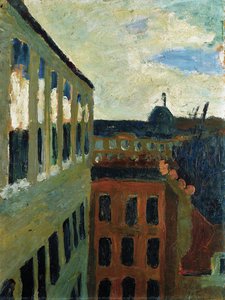
Painted in 1900, during a pivotal period in her artistic development, Paula Modersohn-Becker's "View from the Studio Window of the Artist in Paris" is more than just a landscape; it’s a profound meditation on selfhood, observation, and the burgeoning currents of early Expressionism. The painting captures a hazy Parisian vista seen through the open window of her studio – a space that served as both sanctuary and crucible for her…

4
Still life with plant, lemon and orange (1906) (1889) -ja Paula Modersohn-Becker

Still life with plant, lemon and orange

1906 · Tempera

In this 1906 tempera on canvas, a collection of objects is arranged within a shallow space. A plant with dark green foliage rises in the background, its leaves partially contained by a red pot. In the foreground, the composition centers on the textures of fruit and vessels. A bright yellow lemon and a saturated orange sit near the center, their skins providing a sharp contrast to the surrounding tones. To…

5
Self Portrait with Camellia Branch (1889) -ja Paula Modersohn-Becker

Self Portrait with Camellia Branch

Oil · Museum Folkwang, Essen

In the intimate realm of early twentieth-century modernism, few works possess the haunting, quiet power of Paula Modersohn-Becker’s Self Portrait with Camellia Branch. Painted between 1906 and 1907, this masterpiece serves as a profound meditation on the intersection of femininity, mortality, and the natural world. As one gazes upon the artist's likeness, there is an immediate sense of encountering a private moment of introspection. The painting does not merely capture…

6
Old poor woman, sitting in the garden (1905) (1889) -ja Paula Modersohn-Becker

Old poor woman, sitting in the garden

1905 · Oil · Von der Heydt Museum, Wuppertal

The canvas presents "Old poor woman, sitting in the garden," a work painted by Paula Modersohn-Becker about 1905. The figure before us is Mother Schröder, a woman known to the local community by the name Dreebeen. She exists here as an Almshäuslerin, a resident of the local almshouse, captured in a moment of stillness. The artist finds her subject through regular visits to the Worpswede Almshouse, a practice she has…

7
Bust of a Seated Old Peasant Woman (1903) (1889) -ja Paula Modersohn-Becker

Bust of a Seated Old Peasant Woman

1903 · Oil · Kunstmuseum Basel, Bázl

This oil portrait presents a somber and intimate bust-length view of an elderly woman, captured in profile as she faces toward the left. The composition positions the subject slightly off-center, creating a direct emotional connection through an eye-level perspective. The color palette is defined by muted, earthy, and desaturated tones, featuring dark forest green in the subject's clothing and a background of charcoal and slate grey. Warm, weathered flesh tones…

8
Title in Original Language: Blinde Frau im Walde (1902) (1889) -ja Paula Modersohn-Becker

Title in Original Language: Blinde Frau im Walde

1902 · Etching · Oklahoma City Museum of Art, Oklahoma City

This monochrome etching depicts a blind woman standing within a forest. The composition is vertically oriented, focusing on the woman positioned slightly off-center to the right. She stands before a large tree trunk, reaching out with her hands as if to feel its texture. The background consists of a dense forest with numerous slender trees that create a layered effect, receding into the distance. Two birds are incorporated into the…

9
Old Peasant Woman (1903) (1889) -ja Paula Modersohn-Becker

Old Peasant Woman

1903 · Oil On Canvas · Hamburger Kunsthalle, Hamburg

is an oil on canvas created by Paula Modersohn-Becker in 1903. The portrait focuses on an elderly subject who rests her face in her hand, a posture suggesting weariness. Her hair is tied back with a headscarf, framing a face marked by large, unadorned eyes. The work is held in the collection of the Kunsthalle Hamburg.

10
Self-portrait With Two Flowers (1889) -ja Paula Modersohn-Becker

Self-portrait With Two Flowers

Oil

The woman stares out from the canvas, her expression caught in a moment of quiet contemplation. She wears a blue dress that holds its color with a certain weight, grounding her presence against the background. In her hands, she cradles two flowers, their delicate forms held with a gentle, deliberate intention. There is a stillness here, a sense of a person pausing to acknowledge her own existence. Her eyes do…

Paula Modersohn-Becker festményei, 11. helyezéstől 100. helyezésig

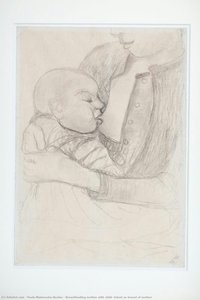
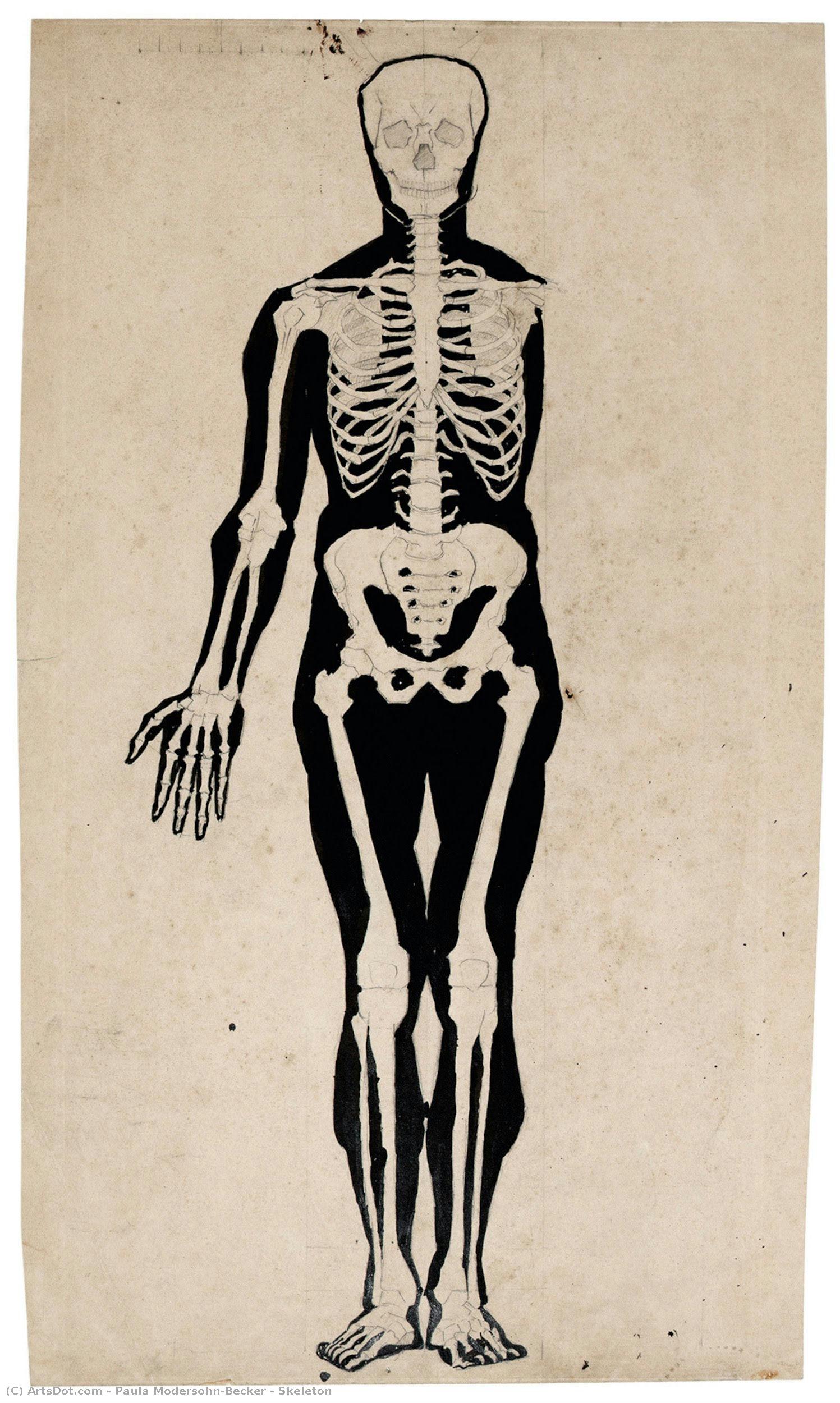
11Mother with baby at her breast, and child in landscape (1905) (1889) -ja Paula Modersohn-BeckerMother with baby at her breast, and child in landscape1905 12Self portrait in front of flowering trees (1902) (1889) -ja Paula Modersohn-BeckerSelf portrait in front of flowering trees1902 13Self-portrait (1889) -ja Paula Modersohn-BeckerSelf-portraitPaula Modersohn-Becker Museum 14Boy with Cat (1903) (1889) -ja Paula Modersohn-BeckerBoy with Cat1903 · Kunstmuseum Basel 15Mother and Child (1903) (1889) -ja Paula Modersohn-BeckerMother and Child1903 · Hamburger Kunsthalle 16Girl With Tiger Lilies (1889) -ja Paula Modersohn-BeckerGirl With Tiger Lilies 17Seated girl with a green chain (1904) (1889) -ja Paula Modersohn-BeckerSeated girl with a green chain1904 · Kunsthalle Mannheim 18Girl with Flower Wreath in Her Hair (1901) (1889) -ja Paula Modersohn-BeckerGirl with Flower Wreath in Her Hair1901 19The Old von Bredow (1902) (1889) -ja Paula Modersohn-BeckerThe Old von Bredow1902 · Bavári Állami Festırménygyűjtemények 20East Frisian girl in the dunes, Frisian woman sitting in the dunes with windmill, (1903) (1889) -ja Paula Modersohn-BeckerEast Frisian girl in the dunes, Frisian woman sitting in the dunes with windmill,1903 · Groninger Museum 21Child in the Cradle (1904) (1889) -ja Paula Modersohn-BeckerChild in the Cradle1904 · Von der Heydt Museum 22Worpswede Girl (1900) (1889) -ja Paula Modersohn-BeckerWorpswede Girl1900 23Three Bathing Boys by the Canal (1901) (1889) -ja Paula Modersohn-BeckerThree Bathing Boys by the Canal1901 · Worcester Art Museum 24Two Girls in Front of Birch Trees (1905) (1889) -ja Paula Modersohn-BeckerTwo Girls in Front of Birch Trees1905 · Saint Louis Art Museum 25Girl sitting on a chair with child on lap in front of countryside (1904) (1889) -ja Paula Modersohn-BeckerGirl sitting on a chair with child on lap in front of countryside1904 26Girl with flower wreath (1901) (1889) -ja Paula Modersohn-BeckerGirl with flower wreath1901 27Girl between the Birch Trees (1904) (1889) -ja Paula Modersohn-BeckerGirl between the Birch Trees1904 28Girl with Rabbit (1904) (1889) -ja Paula Modersohn-BeckerGirl with Rabbit1904 29Worpswede Farmer's Child, sitting in a Chair (1905) (1889) -ja Paula Modersohn-BeckerWorpswede Farmer's Child, sitting in a Chair1905 30Girl with Lamb (1904) (1889) -ja Paula Modersohn-BeckerGirl with Lamb1904 31Self-portrait with red Rose (1905) (1889) -ja Paula Modersohn-BeckerSelf-portrait with red Rose1905 32Head of a Girl (1905) (1889) -ja Paula Modersohn-BeckerHead of a Girl1905 · Kunsthaus Zürich 33Sitting child in an armchair (1903) (1889) -ja Paula Modersohn-BeckerSitting child in an armchair1903 · Böttcherstraße Múzeumok 34Portrait of Hedwig Hagemann (1903) (1889) -ja Paula Modersohn-BeckerPortrait of Hedwig Hagemann1903 · Böttcherstraße Múzeumok 35Nursing Mother and Child (1902) (1889) -ja Paula Modersohn-BeckerNursing Mother and Child1902 36Study for Portrait of Clara Rilke-Westhoff (1905) (1889) -ja Paula Modersohn-BeckerStudy for Portrait of Clara Rilke-Westhoff1905 37Two women in the garden with fountain (1905) (1889) -ja Paula Modersohn-BeckerTwo women in the garden with fountain1905 38Nude Girl Standing, arms folded behind his head (1899) (1889) -ja Paula Modersohn-BeckerNude Girl Standing, arms folded behind his head1899 39Male nude standing (1899) (1889) -ja Paula Modersohn-BeckerMale nude standing1899 40Cowshed (1901) (1889) -ja Paula Modersohn-BeckerCowshed1901 41Seated girl in a landscape, to the right (1902) (1889) -ja Paula Modersohn-BeckerSeated girl in a landscape, to the right1902 42Portrait of a Woman with pitcher (1902) (1889) -ja Paula Modersohn-BeckerPortrait of a Woman with pitcher1902 43Portrait of Clara Rilke-Westhoff (1902) (1889) -ja Paula Modersohn-BeckerPortrait of Clara Rilke-Westhoff1902 44Infant in seat (1902) (1889) -ja Paula Modersohn-BeckerInfant in seat1902 45Self-Portrait as Standing Nude with Hat (1906) (1889) -ja Paula Modersohn-BeckerSelf-Portrait as Standing Nude with Hat1906 46Self-Portrait Turned Halfway Left (1906) (1889) -ja Paula Modersohn-BeckerSelf-Portrait Turned Halfway Left1906 47Sitting Girl and Nude (1906) (1889) -ja Paula Modersohn-BeckerSitting Girl and Nude1906 48Portrait of Lee Hoetger with Flowers (1906) (1889) -ja Paula Modersohn-BeckerPortrait of Lee Hoetger with Flowers1906 49Italian woman with a plate in her raised hand (1906) (1889) -ja Paula Modersohn-BeckerItalian woman with a plate in her raised hand1906 50Two Nude, Seated Children (1906) (1889) -ja Paula Modersohn-BeckerTwo Nude, Seated Children1906 51Self-Portrait as a Half-Length Nude with Amber Necklace II (1906) (1889) -ja Paula Modersohn-BeckerSelf-Portrait as a Half-Length Nude with Amber Necklace II1906 · Kunstmuseum Basel 52Nude Girl standing (1906) (1889) -ja Paula Modersohn-BeckerNude Girl standing1906 53Girl act on the ground (1906) (1889) -ja Paula Modersohn-BeckerGirl act on the ground1906 · Böttcherstraße Múzeumok 54Three women at a market stall (1906) (1889) -ja Paula Modersohn-BeckerThree women at a market stall1906 55Reclining Mother and Child (1906) (1889) -ja Paula Modersohn-BeckerReclining Mother and Child1906 56Figures with his dog on a bridge in Paris (1906) (1889) -ja Paula Modersohn-BeckerFigures with his dog on a bridge in Paris1906 57The Good Samaritan (1889) -ja Paula Modersohn-BeckerThe Good Samaritan 58Landschaft mit drei Kindern und Ziege (1902) (1889) -ja Paula Modersohn-BeckerLandschaft mit drei Kindern und Ziege1902 · Lentos Kunstmuseum Linz 59Young girl with yellow flowers in the glass (1902) (1889) -ja Paula Modersohn-BeckerYoung girl with yellow flowers in the glass1902 · Kunsthalle Bremen 60Head of a Girl (1906) (1889) -ja Paula Modersohn-BeckerHead of a Girl1906 · Städel Múzeum 61Children Playing Horseriders in the Jardin du Luxembourg (1905) (1889) -ja Paula Modersohn-BeckerChildren Playing Horseriders in the Jardin du Luxembourg1905 · Böttcherstraße Múzeumok 62Mother And Child (1889) -ja Paula Modersohn-BeckerMother And Child 63Self-portrait (1889) -ja Paula Modersohn-BeckerSelf-portrait 64Still-life With Flowers In A Landscape (1889) -ja Paula Modersohn-BeckerStill-life With Flowers In A Landscape 65Still life with sunflowers, hollyhocks and georgines (1907) (1889) -ja Paula Modersohn-BeckerStill life with sunflowers, hollyhocks and georgines1907 · Kunsthalle Bremen 66Reclining Mother And Child (1889) -ja Paula Modersohn-BeckerReclining Mother And Child 67Self-portrait (1889) -ja Paula Modersohn-BeckerSelf-portrait 68Child In The Cradle (1889) -ja Paula Modersohn-BeckerChild In The Cradle 69Elsbeth between Fire Lilies (1907) (1889) -ja Paula Modersohn-BeckerElsbeth between Fire Lilies1907 · Böttcherstraße Múzeumok 70Girl with a Baby Among Birch Trees (1905) (1889) -ja Paula Modersohn-BeckerGirl with a Baby Among Birch Trees1905 · Chrysler Museum of Art 71Old Factory (1900) (1889) -ja Paula Modersohn-BeckerOld Factory1900 · National Gallery of Art 72Skeleton (1898) (1889) -ja Paula Modersohn-BeckerSkeleton1898 · Böttcherstraße Múzeumok 73Female head, self portrait (1905) (1889) -ja Paula Modersohn-BeckerFemale head, self portrait1905 · Kunsthalle Bremen 74Man lying beneath a Blossoming Tree (1903) (1889) -ja Paula Modersohn-BeckerMan lying beneath a Blossoming Tree1903 · Städel Múzeum 75Children with Lanterns (1901) (1889) -ja Paula Modersohn-BeckerChildren with Lanterns1901 76Still life with Apples (1903) (1889) -ja Paula Modersohn-BeckerStill life with Apples1903 77Birches (1904) (1889) -ja Paula Modersohn-BeckerBirches1904 · Carnegie Museum of Art 78Cow in the meadow (1904) (1889) -ja Paula Modersohn-BeckerCow in the meadow1904 · Groninger Museum 79Shooting festival with carousel II (Schützenfest mit Karussell II) (1904) (1889) -ja Paula Modersohn-BeckerShooting festival with carousel II (Schützenfest mit Karussell II)1904 · Paula Modersohn-Becker Museum 80Still Life with Fried Eggs in a Pan (1905) (1889) -ja Paula Modersohn-BeckerStill Life with Fried Eggs in a Pan1905 81Birch Tree in a Landscape (1899) (1889) -ja Paula Modersohn-BeckerBirch Tree in a Landscape1899 · Harvard Art Museums 82Seated Female Nude (1905) (1889) -ja Paula Modersohn-BeckerSeated Female Nude1905 83Two boys on Moorkanal (1900) (1889) -ja Paula Modersohn-BeckerTwo boys on Moorkanal1900 84Head of a little girl (Elsbeth) (1902) (1889) -ja Paula Modersohn-BeckerHead of a little girl (Elsbeth)1902 85Two girls seated in the birch forest (1905) (1889) -ja Paula Modersohn-BeckerTwo girls seated in the birch forest1905 86Five children on the edge of the meadow (1903) (1889) -ja Paula Modersohn-BeckerFive children on the edge of the meadow1903 87Still life with sugar bowl and hyacinth in a glass (1905) (1889) -ja Paula Modersohn-BeckerStill life with sugar bowl and hyacinth in a glass1905 88Breastfeeding mother with child, infant on breast of mother (1902) (1889) -ja Paula Modersohn-BeckerBreastfeeding mother with child, infant on breast of mother1902 · Böttcherstraße Múzeumok 89Parisian Street Scene (1905) (1889) -ja Paula Modersohn-BeckerParisian Street Scene1905 · Böttcherstraße Múzeumok 90Sitting Old Woman with Fire Grill (1902) (1889) -ja Paula Modersohn-BeckerSitting Old Woman with Fire Grill1902 · Böttcherstraße Múzeumok 91Still Life with Oranges, Bananas, Lemon and Tomato (1906) (1889) -ja Paula Modersohn-BeckerStill Life with Oranges, Bananas, Lemon and Tomato1906 · Staatliche Kunsthalle Karlsruhe 92Still-Life with Yellow Bowl and Earthenware Pitcher (1906) (1889) -ja Paula Modersohn-BeckerStill-Life with Yellow Bowl and Earthenware Pitcher1906 93Mieke Vogeler With Pearl Necklace (1889) -ja Paula Modersohn-BeckerMieke Vogeler With Pearl Necklace 94Breast Feeding Mother (1889) -ja Paula Modersohn-BeckerBreast Feeding Mother 95Self-portrait (1889) -ja Paula Modersohn-BeckerSelf-portrait 96Children In The Sun (1889) -ja Paula Modersohn-BeckerChildren In The Sun 97Back View of a Standing Male Nude, Hands on Hips (1906) (1889) -ja Paula Modersohn-BeckerBack View of a Standing Male Nude, Hands on Hips1906 · Böttcherstraße Múzeumok 98Reclining Female Nude with a Seated Child (1906) (1889) -ja Paula Modersohn-BeckerReclining Female Nude with a Seated Child1906 · Böttcherstraße Múzeumok 99Woman Sitting on Stool, Wrapped in a Cloak (1896) (1889) -ja Paula Modersohn-BeckerWoman Sitting on Stool, Wrapped in a Cloak1896 · Böttcherstraße Múzeumok 100Otto Modersohn with straw hat in profile to the right (1905) (1889) -ja Paula Modersohn-BeckerOtto Modersohn with straw hat in profile to the right1905 · Kunsthalle Bremen

Paula Modersohn-Becker híres festményei, korszakonként

A témák, amelyek Paula Modersohn-Becker figyelmét meghúzták

A négy leggyakorobban előforduló téma ebben az eredeti művekben, mindegyik a legkiválóbb példájával.

A műemlékek, amelyek Paula Modersohn-Becker eredeti műveit őrzik

A 8 olyan múzeum, amely a legtöbb ezen az oldalon szereplő festményet őrzi.

Múzeum Város Paula Modersohn-Becker művei Ebből a listából származó festmények
Böttcherstraße Múzeumok, BremaBöttcherstraße Múzeumok Brema 27 Sitting child in an armchair, Portrait of Hedwig Hagemann, Girl act on the ground
Kunsthalle Bremen, BremaKunsthalle Bremen Brema 28 Portrait of a young woman with red hat, Half-length portrait of an old farmer, View from the studio window of the artist in Paris
Kunstmuseum Basel, BázlKunstmuseum Basel Bázl 3 Bust of a Seated Old Peasant Woman, Boy with Cat, Self-Portrait as a Half-Length Nude with Amber Necklace II
Paula Modersohn-Becker Museum, BremenPaula Modersohn-Becker Museum Bremen 6 Self-portrait, Shooting festival with carousel II (Schützenfest mit Karussell II)
Von der Heydt Museum, WuppertalVon der Heydt Museum Wuppertal 4 Old poor woman, sitting in the garden, Child in the Cradle
Hamburger Kunsthalle, HamburgHamburger Kunsthalle Hamburg 2 Old Peasant Woman, Mother and Child
Groninger Museum, GroningenGroninger Museum Groningen 2 East Frisian girl in the dunes, Frisian woman sitting in the dunes with windmill,, Cow in the meadow
Städel Múzeum, FrankfurtStädel Múzeum Frankfurt 2 Head of a Girl, Man lying beneath a Blossoming Tree

Paula Modersohn-Becker, az év meghatározó festményei

Paula Modersohn-Becker pályaművei ezen az oldalon 12 éves múltat mutatnak, 1896től 1907ig: az egyes évek legnevezesebb eredeti alkotásaival jelennek meg.

Művek évszáma szerint

Váasszon egy évet az eredetiek megtekintéséhez.

Paula Modersohn-Becker festményei: a galéria válaszai

Melyik Paula Modersohn-Becker festmény a leghíresebb?Fedje fel a választ

Portrait of a young woman with red hat (1900), Kunsthalle Bremen, Brema. Ezután Half-length portrait of an old farmer (1903) és View from the studio window of the artist in Paris (1900) következik.

Hány éves volt Paula Modersohn-Becker, amikor elkészítette a(t): Portrait of a young woman with red hat?Fedje fel a választ

24 éves: Portrait of a young woman with red hat 1900-ből származik, Paula Modersohn-Becker pedig 1876-ben született.

Melyek Paula Modersohn-Becker top 10 festménye?Fedje fel a választ

Portrait of a young woman with red hat, Half-length portrait of an old farmer, View from the studio window of the artist in Paris, Still life with plant, lemon and orange, Self Portrait with Camellia Branch, Old poor woman, sitting in the garden, Bust of a Seated Old Peasant Woman, Title in Original Language: Blinde Frau im Walde, Old Peasant Woman és Self-portrait With Two Flowers. A fenti rangsor a művek évszamarát és a múzeumát jelzi.

Hány műve született Paula Modersohn-Becker nevére?Fedje fel a választ

Katalógusunkban 245 mű található Paula Modersohn-Becker alkotótól, 1896 és 1907 év közötti időszakból.

Hol találhatóak Paula Modersohn-Becker leghíresebb eredeti művei?Fedje fel a választ

Leginkább Böttcherstraße Múzeumok (Brema), Kunsthalle Bremen (Brema) és Kunstmuseum Basel (Bázl) található. A fenti múzeumi táblázatban mindegyik felsorolásra került.

Mikor festette Paula Modersohn-Becker le leghíresebb műveit?Fedje fel a választ

1906 alatt: a jelen laphonon található 100 műből 18 készült ebben az időszakban, köztük Still life with plant, lemon and orange.

Melyek Paula Modersohn-Becker legkorábbi és legutóbbi híres művei?Fedje fel a választ

Ezen az oldalon a leghitelesebb Woman Sitting on Stool, Wrapped in a Cloak (1896), a legutóbbi pedig Still life with sunflowers, hollyhocks and georgines (1907).

Mely témakörökkel foglaltaszkodott a legtöbbször Paula Modersohn-Becker?Fedje fel a választ

Woman (25), Portrait (12) és Child (12), a jelen oldalon található 100 műművészeti alkotás között.

Melyik technikával foglalt leginkább Paula Modersohn-Becker?Fedje fel a választ

Oil On Canvas, a jelen oldalon található 100 műből 29 darab esetén.

Mely művészeti irányhoz tartozik Paula Modersohn-Becker?Fedje fel a választ

Expressionism, ezen az oldalon található eredetiek alapján.

Mely Paula Modersohn-Becker eredeti műveit őrzi a Böttcherstraße Múzeumok?Fedje fel a választ

Sitting child in an armchair, Portrait of Hedwig Hagemann és Girl act on the ground: a Böttcherstraße Múzeumok, Brema 12 művet őrzi ezen az oldalon.

Paula Modersohn-Becker: a művész

Paula Modersohn-Becker: A belső látás úttörője

Paula Modersohn-Becker neve csendes erővel rezonál a modern művészet korai évszázadainak történetében, egy olyan művész, aki merte befelé tekinteni. Minna Hermine Paula Becker néven született 1876. február 8-án Drezdában, Németországban, élete tragikusan rövid volt – 1907. november 30-án hunyt el Worpswedében –, de ezekben a három évtizedben is egy figyelemreméltó művészi innováció és személyes bátorság útját járta be. Története nem az azonnali elismerésről vagy széles körű elismertségről szól élete során, hanem egyéni hang erejének a bizonyítéka, amely szembeszállt a konvenciókkal és őszinte bátorsággal tárta fel az emberi létezés mélységeit. Egy viszonylag előkelő családi háttérből származott – családját árnyék fedte, nagybátyja megkísérelt gyilkosságot a porosz király ellen –, művészi hajlamait ápolták, bár a társadalmi elvárások nyomása is érezhető volt. Kezdeti tanulmányokat folytatott Londonban és Berlinben, de Worpswede légköre, egy festőművésztelep Bréma északján, igazán fellobbantotta kreatív szellemét. Itt, hasonló gondolkodású emberek között kezdte elvetni az akadémiai hagyományok korlátait, és útra indult egy egyedülálló művészi nyelv felé.

Az önkifejezés útja: Hatások és művészeti fejlődés

Modersohn-Becker művészeti fejlődése nem lineáris volt; állandó kérdezés, kísérletezés és finomítás folyamata volt. Kezdetben az impresszionizmus hatása érvényesült munkáin, korai tájképei és portréi érzékenységet mutattak a fényre és a légkörre, de hamarosan úgy érezte, hogy ezek a határok szűkítik. A sorsfordító pillanat 1899-ben bekövetkezett, amikor Párizsba utazott, majd 1903-ban és 1905-ben is visszatért. Elmerülve a francia főváros vibráló művészeti életébe, találkozott Paul Cézanne, Paul Gauguin, Vincent van Gogh és más posztimpresszionista mesterek munkáival. Ezek a művészek felszabadították az egyszerű ábrázolás utáni törekvéstől, ösztönözve őt arra, hogy felfedezze a szín, a forma és a kompozíció kifejező erejét. A festők hatása egyre merészebb ecsetkezelésben és leegyszerűsített formákban mutatkozott meg. Modersohn-Becker azonban nem csupán utánozott; szintézizálta ezeket a befolyásokat saját mélyen érzett érzelmeivel és megfigyeléseivel. A Worpswedei körben Emil Nolde és Franz Crumbach művészeivel való találkozása tovább lendítette el egy emocionálisabb és szubjektívebb stílus felé. Intenzíven portrékkal kezdett foglalkozni, különösen nőkkel és anyákkal, arra törekedve, hogy ne csupán fizikai hasonlóságukat rögzítse, hanem belső életüket is megragadja – sérülékenységüket, erejüket és összetettségüket. Arra törekedett, hogy a tárgyak lényegét ábrázolja, túlmutatva a felszínes megjelenésen, feltárva a mélyben rejlő pszichológiai tartalmat.

Korlátok átlépése: Önarcképek és az identitás kutatása

Modersohn-Becker életművének talán legjelentősebb aspektusa önarckép-sorozata, különösen azok a képek, amelyek meztelenül vagy terhesen ábrázolják. Ezek a művek forradalmiak voltak korukban, szembeszállva a társadalmi normákkal és művészeti konvenciókkal, amelyek meghatározták, hogyan kell ábrázolni a nőket – vagy inkább *hogyan nem* szabad őket ilyen közvetlen és kompromisszummentes módon bemutatni. Nem mint vágy tárgyát mutatta magát, hanem saját testét használta az identitás, a nőiség, az anyaság és az emberi lét témáinak feltárására. Az Önarckép nyaklánccal, az Önarckép hatodik házassági évfordulóján és számos más önarckép nem csupán forma- és színtanulmányok; mély pszichológiai vizsgálódások. Egy olyan nőt ábrázolnak, aki saját énjével küzd, megkérdőjelezi a társadalmi elvárásokat, és művészi autonómiáját érvényesíti. Ezek a képek merész önkifejezési aktusok voltak, utat nyitva a jövő generációinak női művészei számára, hogy saját identitásukat és tapasztalataikat fejezzék ki a művészetben. Készenlétével szembeszállni a tabutémákkal és megkérdőjelezni a szépség hagyományos fogalmait megerősítette pozícióját egy igazi úttörőként. Ritka őszinteséggel tekintett magára, különösen női művész szemszögéből, olyan képeket teremtve, amelyek egyszerre voltak sérülékenyek és erőteljesen önállóak.

Hagyaték és tartós hatás

Paula Modersohn-Becker tragikusan rövid pályafutása során lenyűgöző életmű született – több mint 700 festmény és 1000 rajz. Élete során korlátozott elismerést kapott, de a német expresszionizmus fejlődésére gyakorolt hatását ma széles körben elismerik. Kulcsfontosságú alaknak tartják az impresszionizmus és az expresszionizmus közötti kapcsolatban, megalapozva Ernst Ludwig Kirchner és Emil Nolde művészek útját. 1927-ben egy mérföldkő esemény szilárdította meg helyét a művészettörténetben: a Paula Modersohn-Becker Múzeum alapítása Brémában – az első múzeum, amely kizárólag egy női művész munkásságának szentelt. Ez a tett nem csupán elismerése volt művészi teljesítményének; hanem jelentőségének felismerése is mint női művésznek és a művészetben a nők haladásának szimbólumaként. Képei ma is rezonálnak a közönséggel, örök betekintést nyújtva az emberi létezésbe, az anyaságba, az identitásba és a jelentés keresésébe. Hagyatéka túlmutat a művészettörténet határain; inspirációt nyújt azoknak a művészeknek és egyéneknek is, akik arra törekszenek, hogy autentikusan éljenek és félelem nélkül fejezzék ki magukat. Korát megelőző nő volt, akinek művészeti látásmódja továbbra is kihívást jelent és inspirál bennünket.

Főbb témák munkáiban

  • Anyaság: Modersohn-Becker anya és gyermek ábrázolása különösen megindító, megragadva az anyai szeretet, a sérülékenység és a társadalmi elvárások összetettségét.
  • Önarckép: Önarcképei egy radikális önfeltárás aktusát jelentik, és szembeszállnak a művészetben a nők ábrázolásának hagyományos módozataival.
  • Identitás: A művész élete során az identitás kérdéseivel foglalkozott, feltárva a nőiség, a házasság és a mű