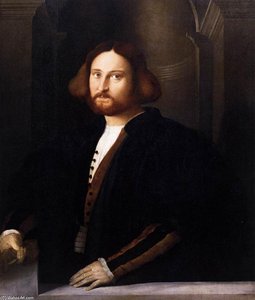
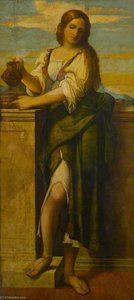
Palma Vecchio portréja

Palma Vecchio festményei: A 97 leghíresebb alkotás, egy galéria szemével

Frissítve: október 2026 · rangsorolva népszerűségi pontszámunk alapján (minden mű keresései, látogatásai és megrendelései alapján) · 107 mű Palma Vecchio alkotása a katalógusunkban

Röviden

A galéria szerint Palma Vecchio leghíresebb festménye a Madonna and Child (1515), amelynek eredeti példája a Hermitaeus-múzeum múzeumában található, Szentpétervár városában. Judith (1525) és The Adoration of the Shepherds with a Donor kiegészítik azt a triót, amelyet minden szem felismer. A katalógusunkban szereplő 107 művész Palma Vecchio alkotásából a galéria az alábbi 97 leghíresebbet mutatja be, amelyek mind egyedi originális művek, a készítés évszámával, a múzeum megnevezésével és a különlegességük leírásával.

1480 – 1528, Serina High renaissance A legtöbb mű: Kunsthistorisches Museum

A galéria top 10 Palma Vecchio festménye

1
Madonna and Child (1515) (1889) -ja Palma Vecchio

Madonna and Child

1515 · Oil On Canvas · Hermitaeus-múzeum, Szentpétervár

To stand before this depiction of the Madonna and Child is to be drawn into a moment suspended outside the rush of time—a sanctuary painted by the masterful hand of Palma Vecchio. This work, dating from 1515, transcends mere portraiture; it is an eloquent meditation on maternal love, divine connection, and the profound mystery of creation. The composition centers on the Virgin Mary, portrayed with a tender intimacy as she…

2
Judith (1525) (1889) -ja Palma Vecchio

Judith

1525 · Oil On Panel · Galleria degli Uffizi, Taruna

The painting titled Judith is a significant oil on panel work by the Venetian painter Palma Vecchio. Created between 1525 and 1528, this piece emerged during a period when the artist was establishing his presence within the artistic landscape of the Republic of Venice. The work reflects the specific technical approach of a painter who bridged the transition from the High Renaissance toward the burgeoning Mannerist style.

3
The Adoration of the Shepherds with a Donor (1889) -ja Palma Vecchio

The Adoration of the Shepherds with a Donor

Oil On Canvas

The air in the painting feels heavy with the scent of damp earth and hay. In a rural landscape of rolling hills and distant, pale buildings, a small light gathers around the Holy Family. Mary holds the infant Jesus close, her form a soft curve against the shadows. Beside them, Joseph stands as a steady presence. A shepherd boy kneels in the dirt, his posture a study in humility before…

4
Lucretia (1520) (1889) -ja Palma Vecchio

Lucretia

1520 · Oil · Kunsthistorisches Museum, Bécs

The air feels heavy, thick with the scent of velvet and the silent weight of an impending end. Lucretia sits before us, her pale skin luminous against a backdrop of deep, swallowing shadows. A sharp, diagonal line of a dagger presses against her chest, creating a point of tension that vibrates through the stillness. Her reddish-blonde hair flows in soft, organic waves, framing a face caught in a moment of…

5
Portrait of a Gentleman (1520) (1889) -ja Palma Vecchio

Portrait of a Gentleman

1520 · Oil On Panel · Philadelphia Művészeti Múzeum, Philadelphia

In this 1520 portrait, we are met with a man whose steady gaze bridges the distance between his era and our own. He is positioned slightly off-center, a choice that lends a sense of naturalism to his posture, as if he has just paused in thought to acknowledge our presence. The composition is a medium close-up, focusing our attention on the quiet dignity of his features. His long, flowing brown…

6
John the Baptist (1527) (1889) -ja Palma Vecchio

John the Baptist

1527 · Oil On Panel · Kunsthistorisches Museum, Bécs

A single light source enters from the upper left, carving a face out of the heavy darkness. This is the world of Palma Vecchio, where deep browns and muted greens emerge from a nearly black background. The man, identified as John the Baptist, looks directly at the viewer with a piercing, steady gaze. His reddish-brown hair falls in soft, organic waves around a face marked by contemplation. A thin, dark…

7
John the Evangelist (1528) (1889) -ja Palma Vecchio

John the Evangelist

1528 · Oil On Canvas · Kunsthistorisches Museum, Bécs

An elderly man sits within a heavy shadow. His face, etched by time, turns toward an unseen light from the upper left. A thick, white beard flows over a deep green tunic. Over one shoulder, a red cloak rests with the weight of heavy wool. The skin of his hands and brow catches the glow, pulling him out from the dark, atmospheric background.

8
The Holy Family with St Mary Magdalen (1514) (1889) -ja Palma Vecchio

The Holy Family with St Mary Magdalen

1514 · Oil On Panel · The Ashmolean Museum of Art and Archaeology, Oxford

In this 1514 oil on panel, we find ourselves drawn into a private, outdoor moment of the Holy Family. The composition is intimate, centered on a man holding a child while a woman stands nearby, her hands resting upon a vase. This arrangement creates a sense of domesticity within a sacred context. The background, filled with the soft presence of trees, suggests a natural setting that allows the figures to…

9
Young Woman in Profile (1512) (1889) -ja Palma Vecchio

Young Woman in Profile

1512 · Oil · Kunsthistorisches Museum, Bécs

The portrait presents a young woman in a strict profile view, her head and shoulders occupying the majority of the frame. She is positioned against a dark, circular backdrop that creates a halo-like effect around her silhouette. The subject's skin is rendered in warm, fleshy tones, transitioning through soft shadows that define the structure of her face and neck. This technique, known as sfumato, allows for a gradual blending of…

Palma Vecchio festményei, 11. helyezéstől 97. helyezésig

11John the Baptist (1528) (1889) -ja Palma VecchioJohn the Baptist1528 · Kunsthistorisches Museum 12Saint Sebastian (1527) (1889) -ja Palma VecchioSaint Sebastian1527 · Kunsthistorisches Museum 13The Raising of Lazarus (1514) (1889) -ja Palma VecchioThe Raising of Lazarus1514 · Philadelphia Művészeti Múzeum 14The Three Sisters (1520) (1889) -ja Palma VecchioThe Three Sisters1520 · Gemäldegalerie Alte Meister 15Mary with the Child, John the Baptist and Saint Catherine (1515) (1889) -ja Palma VecchioMary with the Child, John the Baptist and Saint Catherine1515 · Staatliche Kunstsammlungen Dresden 16Saint Magdalene (1504) (1889) -ja Palma VecchioSaint Magdalene1504 · Bavári Állami Festırménygyűjtemények 17Mary with Child and Saints Roch and Aurea (1514) (1889) -ja Palma VecchioMary with Child and Saints Roch and Aurea1514 · Bavári Állami Festırménygyűjtemények 18The Triumph of Caesar (1510) (1889) -ja Palma VecchioThe Triumph of Caesar1510 · Lowe Gallery 19Madonna and Child with the Infant Saint John and a Bishop Saint (1510) (1889) -ja Palma VecchioMadonna and Child with the Infant Saint John and a Bishop Saint1510 · Szépművészeti Múzeum 20Daphnis (1514) (1889) -ja Palma VecchioDaphnis1514 · Bavári Állami Festırménygyűjtemények 21Allegory (1510) (1889) -ja Palma VecchioAllegory1510 · Philadelphia Művészeti Múzeum 22Venus and Cupid (1511) (1889) -ja Palma VecchioVenus and Cupid1511 · Statens Museum for Kunst 23The Holy Family (1515) (1889) -ja Palma VecchioThe Holy Family1515 · Gemäldegalerie 24The Virgin and Child (1502) (1889) -ja Palma VecchioThe Virgin and Child1502 · Gemäldegalerie 25The Holy Family (1514) (1889) -ja Palma VecchioThe Holy Family1514 · Krakói Művészeti Nemzeti Múzeum 26Two Nymphs at Rest (1525) (1889) -ja Palma VecchioTwo Nymphs at Rest1525 · Städel Múzeum 27The Holy Family with a Female Saint and Saint Francis of Assisi (1520) (1889) -ja Palma VecchioThe Holy Family with a Female Saint and Saint Francis of Assisi1520 · Szépművészeti Múzeum 28Madonna and Child with Sts Joseph and Magdalene (1525) (1889) -ja Palma VecchioMadonna and Child with Sts Joseph and Magdalene1525 · Kunsthistorisches Museum 29Visitation (1522) (1889) -ja Palma VecchioVisitation1522 · Kunsthistorisches Museum 30Saint Roch (1527) (1889) -ja Palma VecchioSaint Roch1527 · Kunsthistorisches Museum 31Portrait of a young woman with bare chest (1525) (1889) -ja Palma VecchioPortrait of a young woman with bare chest1525 · Gemäldegalerie 32Mars, Venus and Cupid (1520) (1889) -ja Palma VecchioMars, Venus and Cupid1520 33Lamentation Over the Dead Christ (1580) (1889) -ja Palma VecchioLamentation Over the Dead Christ1580 · Art Museum 34Tarquinius and Lucretia (1590) (1889) -ja Palma VecchioTarquinius and Lucretia1590 · Gemäldegalerie Alte Meister im Schloss Wilhelmshöhe 35Young Woman in Green Dress (1513) (1889) -ja Palma VecchioYoung Woman in Green Dress1513 · Kunsthistorisches Museum 36Sacred Conversation (detail) (1525) (1889) -ja Palma VecchioSacred Conversation (detail)1525 · Gallerie dell'Accademia di Venezia 37The Holy Family with Saint Catherine (1513) (1889) -ja Palma VecchioThe Holy Family with Saint Catherine1513 · Staatliche Kunstsammlungen Dresden 38Christ and the Woman Taken in Adultery (1510) (1889) -ja Palma VecchioChrist and the Woman Taken in Adultery1510 · Hermitaeus-múzeum 39Christ and the adulteress (1528) (1889) -ja Palma VecchioChrist and the adulteress1528 · Capitoline-múzeumok 40Portrait of Paola Priuli (1527) (1889) -ja Palma VecchioPortrait of Paola Priuli1527 · Fondazione Querini Stampalia 41Young Woman in a Blue Dress, with Fan (1514) (1889) -ja Palma VecchioYoung Woman in a Blue Dress, with Fan1514 · Kunsthistorisches Museum 42Sacred Conversation (1522) (1889) -ja Palma VecchioSacred Conversation1522 · Kunsthistorisches Museum 43Sacra Conversazione (1516) (1889) -ja Palma VecchioSacra Conversazione1516 44Portrait of a Poet (1516) (1889) -ja Palma VecchioPortrait of a Poet1516 45Sacred Conversation (detail) (1525) (1889) -ja Palma VecchioSacred Conversation (detail)1525 · Gallerie dell'Accademia di Venezia 46Polyptych of St Barbara (central panel) (1524) (1889) -ja Palma VecchioPolyptych of St Barbara (central panel)1524 · Santa Maria Formosa 47Portrait of Francesco Querini (1527) (1889) -ja Palma VecchioPortrait of Francesco Querini1527 · Fondazione Querini Stampalia 48Polyptych of St Barbara (1524) (1889) -ja Palma VecchioPolyptych of St Barbara1524 · Santa Maria Formosa 49Virgin and Child with St John the Baptist and Mary Magdalene (1525) (1889) -ja Palma VecchioVirgin and Child with St John the Baptist and Mary Magdalene1525 · Palazzo Bianco 50Virgin and Child with Saints John the Baptist, Peter and a Female Saint (1526) (1889) -ja Palma VecchioVirgin and Child with Saints John the Baptist, Peter and a Female Saint1526 · Glasgow Museums Resource Centre 51Sacred Conversation (1525) (1889) -ja Palma VecchioSacred Conversation1525 · Gallerie dell'Accademia di Venezia 52De heilige familie (1889) -ja Palma VecchioDe heilige familieRijksmuseum 53Portrait of a Young Woman (1889) -ja Palma VecchioPortrait of a Young WomanSzépművészeti Múzeum 54Portrait of a Girl (1889) -ja Palma VecchioPortrait of a GirlSzépművészeti Múzeum 55The Virgin and Child with St Francis (1889) -ja Palma VecchioThe Virgin and Child with St FrancisStatens Museum for Kunst 56Mary with the Child and four Saints in front of a Landscape (1889) -ja Palma VecchioMary with the Child and four Saints in front of a LandscapeGemäldegalerie 57La Sagrada Familia, con Santos (1889) -ja Palma VecchioLa Sagrada Familia, con Santos 58La Adoración de los pastores (1889) -ja Palma VecchioLa Adoración de los pastores 59St Mark (1889) -ja Palma VecchioSt Mark 60Madonna y niño con los Comisarios (1889) -ja Palma VecchioMadonna y niño con los Comisarios 61La Resurrection de Lazare (1889) -ja Palma VecchioLa Resurrection de Lazare 62St John the Baptist (1889) -ja Palma VecchioSt John the Baptist 63Venus in a Landscape (1520) (1889) -ja Palma VecchioVenus in a Landscape1520 · Courtauld Gallery 64A Blonde Woman (1889) -ja Palma VecchioA Blonde WomanNational Gallery 65A Blonde Woman (1520) (1889) -ja Palma VecchioA Blonde Woman1520 · National Gallery 66Holy Family (1889) -ja Palma VecchioHoly Family 67Adoration (1889) -ja Palma VecchioAdoration 68Portrait of a Man (1889) -ja Palma VecchioPortrait of a Man 69Sacred conversation (1889) -ja Palma VecchioSacred conversation 70Saint George and a Female Saint (1889) -ja Palma VecchioSaint George and a Female SaintNational Gallery 71Madonna and Child with Saints and Donor (1889) -ja Palma VecchioMadonna and Child with Saints and Donor 72Christ at the Column (1889) -ja Palma VecchioChrist at the ColumnCampion Hall 73Temperance (1889) -ja Palma VecchioTemperance 74Portrait of a Young Man (1889) -ja Palma VecchioPortrait of a Young ManSzépművészeti Múzeum 75The Three Sisters (detail) (1889) -ja Palma VecchioThe Three Sisters (detail)Gemäldegalerie Alte Meister 76Portrait of a Woman (La Bella) (1518) (1889) -ja Palma VecchioPortrait of a Woman (La Bella)1518 · Thyssen-Bornemisza Múzeum 77Venus (1520) (1889) -ja Palma VecchioVenus1520 · Gemäldegalerie Alte Meister 78Adoration of the Shepherds with a Doonor (1523) (1889) -ja Palma VecchioAdoration of the Shepherds with a Doonor1523 · Louvre Múzeum 79The Martyrium of Saint Peter (1526) (1889) -ja Palma VecchioThe Martyrium of Saint Peter1526 80Salvator Mundi (1519) (1889) -ja Palma VecchioSalvator Mundi1519 · Musée Des Beaux 81Madonna and Child with Saints (1517) (1889) -ja Palma VecchioMadonna and Child with Saints1517 · Accademia Carrara 82Trittico di sant'Elena (1520) (1889) -ja Palma VecchioTrittico di sant'Elena1520 · Pinacoteca di Brera 83Saints Mark, George and Nicholas  free Venice from the Demons (Sea Storm) (1528) (1889) -ja Palma VecchioSaints Mark, George and Nicholas free Venice from the Demons (Sea Storm)1528 · Gallerie dell'Accademia di Venezia 84Assumption of Mary (1512) (1889) -ja Palma VecchioAssumption of Mary1512 · Gallerie dell'Accademia di Venezia 85Adoration of the Magi with Saint Helena (1889) -ja Palma VecchioAdoration of the Magi with Saint HelenaPinacoteca di Brera 86Madonna and Child with Donors (1889) -ja Palma VecchioMadonna and Child with Donors 87Holy Family with Saints Catherine of Alexandria and John the Baptist (1889) -ja Palma VecchioHoly Family with Saints Catherine of Alexandria and John the BaptistGallerie dell'Accademia di Venezia 88La Vierge, l'Enfant Jésus, Saint Pierre, Saint Jérôme et un donateur - Musée Condé (1508) (1889) -ja Palma VecchioLa Vierge, l'Enfant Jésus, Saint Pierre, Saint Jérôme et un donateur - Musée Condé1508 · Musée Condé 89Portrait of a Woman (1512) (1889) -ja Palma VecchioPortrait of a Woman1512 · Lyon Museuma a Gy Fine Arts 90The Virgin and Child with Saints Catherine of Alexandria and John the Baptist (1527) (1889) -ja Palma VecchioThe Virgin and Child with Saints Catherine of Alexandria and John the Baptist1527 · Royal Collection 91Madonna and Child with Saint John the Baptist and Magdalene (1889) -ja Palma VecchioMadonna and Child with Saint John the Baptist and MagdaleneMusei di Strada Nuova 92Portrait of a Poet (1516) (1889) -ja Palma VecchioPortrait of a Poet1516 · National Gallery 93La Virgen y el Niño con santos y donante (1889) -ja Palma VecchioLa Virgen y el Niño con santos y donanteThyssen-Bornemisza Múzeum 94Diana and Callisto, oil on canvas, Art H (1525) (1889) -ja Palma VecchioDiana and Callisto, oil on canvas, Art H1525 · Kunsthistorisches Museum 95Jacob and Rachel (1515) (1889) -ja Palma VecchioJacob and Rachel1515 · Gemäldegalerie Alte Meister 96Venus and Cupid (1524) (1889) -ja Palma VecchioVenus and Cupid1524 · Fitzwilliam Múzeum 97A Sibyl (1520) (1889) -ja Palma VecchioA Sibyl1520 · Royal Collection

Palma Vecchio híres festményei, korszakonként

A témák, amelyek Palma Vecchio figyelmét meghúzták

A négy leggyakorobban előforduló téma ebben az eredeti művekben, mindegyik a legkiválóbb példájával.

A műemlékek, amelyek Palma Vecchio eredeti műveit őrzik

A 8 olyan múzeum, amely a legtöbb ezen az oldalon szereplő festményet őrzi.

Múzeum Város Palma Vecchio művei Ebből a listából származó festmények
Kunsthistorisches Museum, BécsKunsthistorisches Museum Bécs 13 Lucretia, John the Baptist, John the Evangelist
Gallerie dell'Accademia di Venezia, VelenceGallerie dell'Accademia di Venezia Velence 6 Sacred Conversation (detail), Sacred Conversation (detail), Sacred Conversation
Szépművészeti Múzeum, BudapestSzépművészeti Múzeum Budapest 5 Madonna and Child with the Infant Saint John and a Bishop Saint, The Holy Family with a Female Saint and Saint Francis of Assisi, Portrait of a Young Woman
Gemäldegalerie, BerlinGemäldegalerie Berlin 4 The Holy Family, The Virgin and Child, Portrait of a young woman with bare chest
National Gallery, LondonNational Gallery London 4 A Blonde Woman, A Blonde Woman, Saint George and a Female Saint
Philadelphia Művészeti Múzeum, PhiladelphiaPhiladelphia Művészeti Múzeum Philadelphia 3 Portrait of a Gentleman, The Raising of Lazarus, Allegory
Bavári Állami Festırménygyűjtemények, MunchenBavári Állami Festırménygyűjtemények Munchen 3 Saint Magdalene, Mary with Child and Saints Roch and Aurea, Daphnis
Gemäldegalerie Alte Meister, DrezdenGemäldegalerie Alte Meister Drezden 3 The Three Sisters (detail), Venus, Jacob and Rachel

Palma Vecchio, egy aláírott festmény évtizedenként

Művek évtizedenként

Váassz ki egy évtizedet, hogy megnézhesd az azt meghatározó eredetiműveket.

Palma Vecchio festményei: a galéria válaszai

Melyik Palma Vecchio festmény a leghíresebb?Fedje fel a választ

Madonna and Child (1515), Hermitaeus-múzeum, Szentpétervár. Ezután Judith (1525) és The Adoration of the Shepherds with a Donor következik.

Hány éves volt Palma Vecchio, amikor elkészítette a(t): Madonna and Child?Fedje fel a választ

35 éves: Madonna and Child 1515-ből származik, Palma Vecchio pedig 1480-ben született.

Melyek Palma Vecchio top 10 festménye?Fedje fel a választ

Madonna and Child, Judith, The Adoration of the Shepherds with a Donor, Lucretia, Portrait of a Gentleman, John the Baptist, John the Evangelist, The Holy Family with St Mary Magdalen, Young Woman in Profile és The Fall of Man: Eve offers the apple to Adam. A fenti rangsor a művek évszamarát és a múzeumát jelzi.

Hány műve született Palma Vecchio nevére?Fedje fel a választ

Katalógusunkban 107 mű található Palma Vecchio alkotótól, 1502 és 1528 év közötti időszakból.

Hol találhatóak Palma Vecchio leghíresebb eredeti művei?Fedje fel a választ

Leginkább Kunsthistorisches Museum (Bécs), Gallerie dell'Accademia di Venezia (Velence) és Szépművészeti Múzeum (Budapest) található. A fenti múzeumi táblázatban mindegyik felsorolásra került.

Mikor festette Palma Vecchio le leghíresebb műveit?Fedje fel a választ

1520s alatt: a jelen laphonon található 97 műből 37 készült ebben az időszakban, köztük Judith.

Melyek Palma Vecchio legkorábbi és legutóbbi híres művei?Fedje fel a választ

Ezen az oldalon a leghitelesebb The Virgin and Child (1502), a legutóbbi pedig John the Evangelist (1528).

Mely témakörökkel foglaltaszkodott a legtöbbször Palma Vecchio?Fedje fel a választ

Woman (35), Man (25) és Landscape (23), a jelen oldalon található 97 műművészeti alkotás között.

Melyik technikával foglalt leginkább Palma Vecchio?Fedje fel a választ

Oil On Panel, a jelen oldalon található 97 műből 20 darab esetén.

Mely művészeti irányhoz tartozik Palma Vecchio?Fedje fel a választ

High renaissance, ezen az oldalon található eredetiek alapján.

Mely Palma Vecchio eredeti műveit őrzi a Kunsthistorisches Museum?Fedje fel a választ

Lucretia, John the Baptist és John the Evangelist: a Kunsthistorisches Museum, Bécs 13 művet őrzi ezen az oldalon.

Palma Vecchio: a művész

A Venetian Master of Sensuality: The Life and Art of Palma Vecchio

Jacopo Negretti, known to history as Palma Vecchio – “Palma the Elder” – emerged from the artistic landscape of early 16th-century Venice as a pivotal figure bridging the High Renaissance and the burgeoning Mannerist styles. Born around 1480 in Serina Alta near Bergamo, his career unfolded entirely within the vibrant Republic of Venice, a city already steeped in artistic innovation. While documented records are sparse regarding his earliest training, it’s believed he may have initially apprenticed under Andrea Previtali before gravitating towards the revolutionary approaches of Giovanni Bellini, and ultimately, the captivating worlds created by Giorgione and Titian. Palma's arrival in Venice coincided with a period of intense artistic competition; alongside Lorenzo Lotto, he quickly established himself as a formidable talent, absorbing the lessons of his predecessors while forging his own distinctive path.

Early Influences and the Development of a Unique Style

The initial stages of Palma’s career reveal a clear debt to Giovanni Bellini's refined technique and devotional style. However, it was the groundbreaking work of Giorgione – with its poetic atmosphere and enigmatic narratives – that truly ignited his artistic imagination. He swiftly embraced Giorgione’s use of color, light, and composition, infusing his own paintings with a similar sense of lyrical beauty. Yet, Palma wasn't merely an imitator; he possessed a unique gift for rendering the human form with a sensual grace and a captivating realism that set him apart. As Titian rose to prominence, Palma continued to evolve, demonstrating a remarkable ability to synthesize diverse influences into a harmonious and compelling visual language. This period saw the emergence of two primary themes in his oeuvre: the *sacra conversazione*, or holy conversation scenes, and half-length portraits of idealized women, often speculated to be depictions of Venice’s celebrated courtesans.

The Allure of Myth and the Venetian Portrait

Palma Vecchio became renowned for his ability to imbue classical mythology with a distinctly Venetian sensibility. His pastoral scenes are not simply recreations of ancient tales; they are vibrant celebrations of beauty, love, and earthly pleasure, set against lush landscapes teeming with life. These works catered to the tastes of wealthy Venetian patrons who sought art that reflected their sophisticated lifestyles and appreciation for sensual delights. Simultaneously, his portraits – particularly those of women – captivated audiences with their exquisite detail and psychological depth. He developed a signature type: blonde beauties possessing an alluring gaze and a subtle air of mystery. The identity of these sitters remains largely unknown, fueling speculation about their connection to the city’s demimonde. His mastery of color—transparent glazes that created luminous effects—was particularly celebrated, though sadly, many of these delicate layers deteriorated over time. The sheer painterly capacity in his handling of paint and color is often cited as a defining characteristic of his work.

Major Achievements and Artistic Legacy

Among Palma’s most significant achievements are the six paintings commissioned for the church of Santa Maria Formosa in Venice, centered around the *St. Barbara Altarpiece*. This monumental composition showcases his skill in depicting complex narratives and harmonious groupings of figures. His later works demonstrate a mastery of *contrapposto* – the elegant balance of opposing forces in a figure’s pose – and a refined palette that exudes dignity and grace. While he initially embraced influences from Central Italy, including Michelangelo, Palma ultimately forged a style uniquely his own. He was commissioned to paint a main altar at Sant'Elena in Venice in 1525, marking a significant milestone in his career. However, his sudden death in 1528 at the age of approximately 47 left numerous works unfinished, completed by his workshop and pupils. Despite this premature end, Palma Vecchio’s influence on Venetian painting was profound. He served as an important link between the High Renaissance masters like Titian and Giorgione and the emerging Mannerist generation, inspiring artists such as Bonifazio Pitati and Giovanni Busi.

Historical Significance and Rediscovery

For centuries, Palma Vecchio's work remained somewhat overshadowed by his more celebrated contemporaries. However, in recent decades, there has been a growing appreciation for his unique contributions to Venetian art. Scholars have reassessed attributions previously assigned to Giorgione and Titian, recognizing the distinctive qualities of Palma’s style. His paintings are now celebrated for their sensual beauty, technical brilliance, and ability to capture the spirit of Renaissance Venice. He represents a fascinating intersection of artistic influences, bridging the gap between generations and offering a compelling glimpse into the cultural values and aesthetic sensibilities of his time. Palma Vecchio stands as a testament to the enduring power of Venetian painting—a master whose work continues to captivate and inspire audiences today.