Norman Bluhm portréja

Norman Bluhm festményei: A 24 leghíresebb alkotás, egy galéria szemével

Frissítve: november 2026 · rangsorolva népszerűségi pontszámunk alapján (minden mű keresései, látogatásai és megrendelései alapján) · 27 mű Norman Bluhm alkotása a katalógusunkban

Röviden

A galéria szerint Norman Bluhm leghíresebb festménye a Thamyris (1972). Untitled (1959) és Study I, Yellow and Black (1960) kiegészítik azt a triót, amelyet minden szem felismer. A katalógusunkban szereplő 27 művész Norman Bluhm alkotásából a galéria az alábbi 24 leghíresebbet mutatja be, amelyek mind egyedi originális művek, a készítés évszámával, a múzeum megnevezésével és a különlegességük leírásával.

1921 – 1999, Chicago Abstract expressionism A legtöbb mű: Smithsonian American Art Museum

A galéria top 10 Norman Bluhm festménye

1
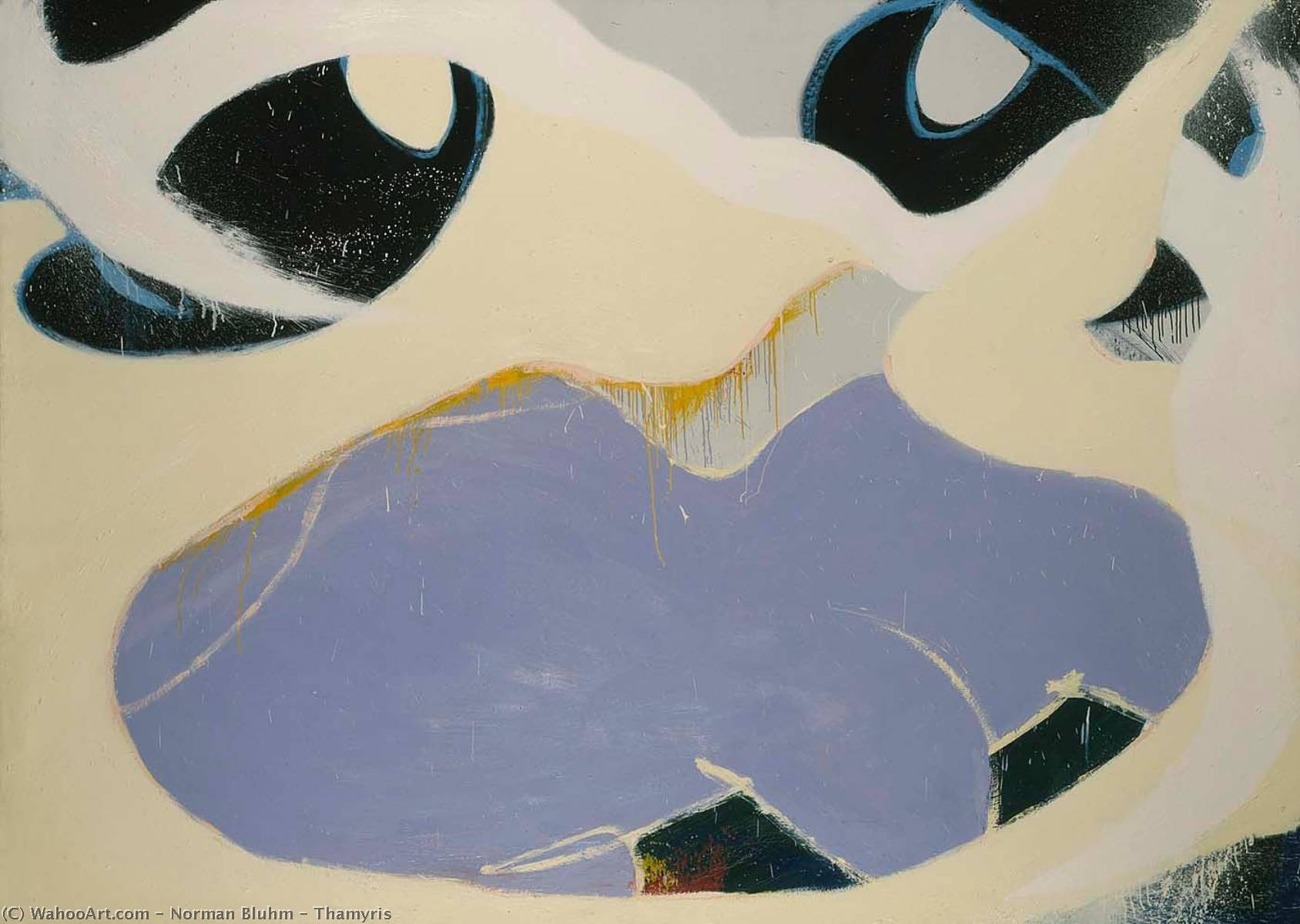
Thamyris (1972) (1889) -ja Norman Bluhm

Thamyris

1972 · Oil On Canvas

The canvas known as Thamyris emerges from the year 1972, a moment where the hand of Norman Bluhm leaves a heavy, expressive mark. This abstract work does not offer a literal portrait, yet it refuses to remain purely decorative. Instead, the painting gestures toward a sense of human presence, hinting at the ghost of an identity or a face emerging from the layers of pigment. It exists in a space…

Norman Bluhm festményei, 11. helyezéstől 24. helyezésig

A műemlékek, amelyek Norman Bluhm eredeti műveit őrzik

A 2 olyan múzeum, amely a legtöbb ezen az oldalon szereplő festményet őrzi.

Múzeum Város Norman Bluhm művei Ebből a listából származó festmények
Smithsonian American Art Museum, Washington, D.C.Smithsonian American Art Museum Washington, D.C. 2 Erythea, Dido
Metropolitan Művészeti Múzeum, New YorkMetropolitan Művészeti Múzeum New York 1 It's Raining

Norman Bluhm, egy aláírott festmény évtizedenként

Művek évtizedenként

Váassz ki egy évtizedet, hogy megnézhesd az azt meghatározó eredetiműveket.

Norman Bluhm festményei: a galéria válaszai

Melyik Norman Bluhm festmény a leghíresebb?Fedje fel a választ

Thamyris (1972). Ezt követi Untitled (1959) és Study I, Yellow and Black (1960).

Hány éves volt Norman Bluhm, amikor elkészítette a(t): Thamyris?Fedje fel a választ

51 éves: Thamyris 1972-ből származik, Norman Bluhm pedig 1921-ben született.

Melyek Norman Bluhm top 10 festménye?Fedje fel a választ

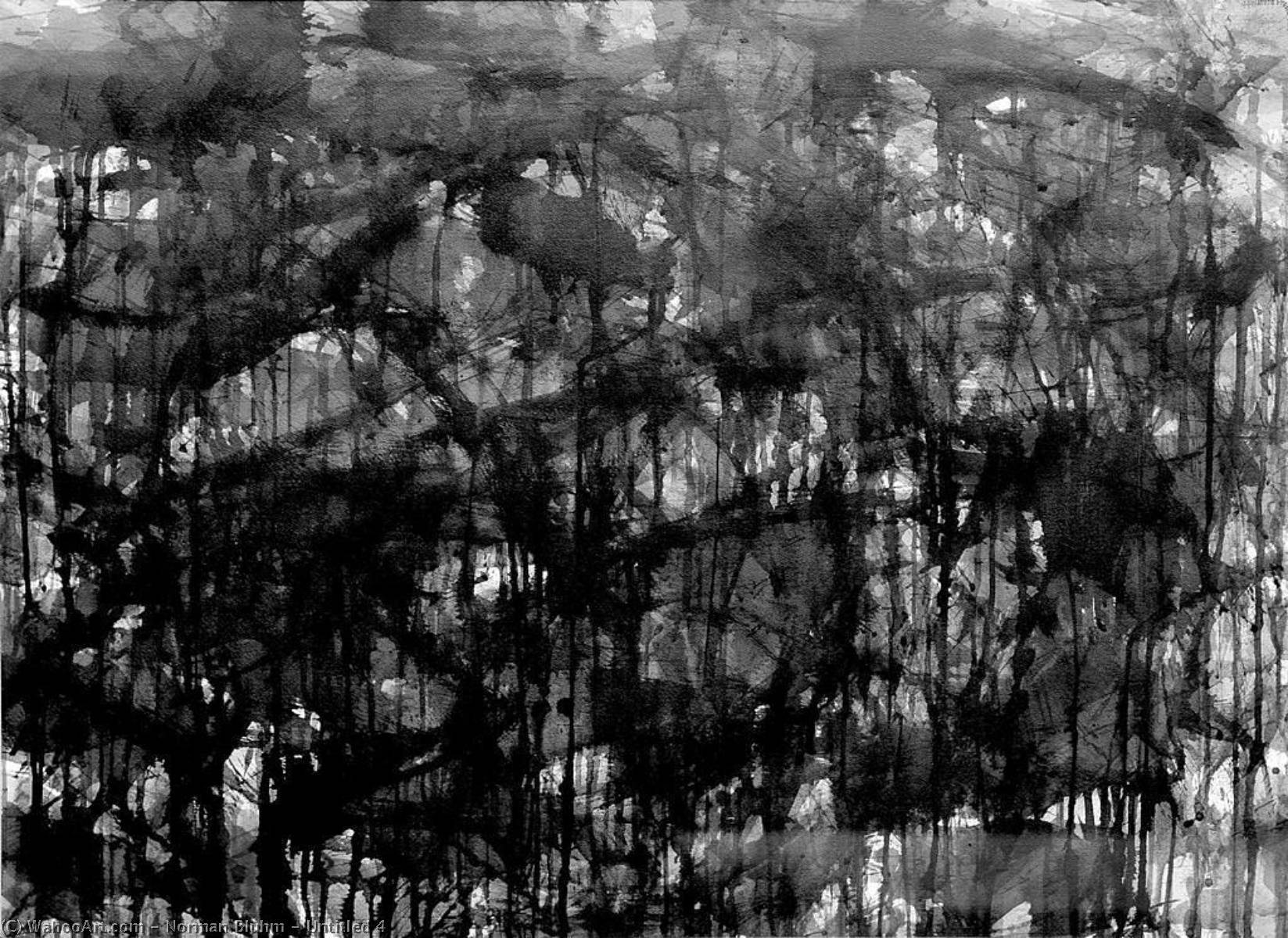
Thamyris, Untitled, Study I, Yellow and Black, Mathematics, Acheron, Untitled 4, It's Raining, Study for Oz, Ariel és Aritic. A fenti rangsor a művek évszamarát és a múzeumát jelzi.

Hány műve született Norman Bluhm nevére?Fedje fel a választ

Katalógusunkban 27 mű található Norman Bluhm alkotótól, 1957 és 1973 év közötti időszakból.

Hol találhatóak Norman Bluhm leghíresebb eredeti művei?Fedje fel a választ

Leginkább Smithsonian American Art Museum (Washington, D.C.) és Metropolitan Művészeti Múzeum (New York) található. A fenti múzeumi táblázatban mindegyik felsorolásra került.

Mikor festette Norman Bluhm le leghíresebb műveit?Fedje fel a választ

1960s alatt: a jelen laphonon található 24 műből 13 készült ebben az időszakban, köztük Study I, Yellow and Black.

Melyek Norman Bluhm legkorábbi és legutóbbi híres művei?Fedje fel a választ

Ezen az oldalon a leghitelesebb Untitled 4 (1957), a legutóbbi pedig Dido (1973).

Mely művészeti irányhoz tartozik Norman Bluhm?Fedje fel a választ

Abstract expressionism, ezen az oldalon található eredetiek alapján.

Mely Norman Bluhm eredeti műveit őrzi a Smithsonian American Art Museum?Fedje fel a választ

Erythea és Dido: a Smithsonian American Art Museum, Washington, D.C. 2 művet őrzi ezen az oldalon.

Norman Bluhm: a művész

The Weight of the Brush

To look at the work of Norman Bluhm is to witness the residue of a life shaped by profound disruption. He was an abstract expressionist painter who did not merely paint; he processed the wreckage of the mid-twentieth century through heavy, gestural application. His presence in the canon is cemented by his inclusion in the permanent collections of the Museum of Modern Art and the Metropolitan Museum of Art. These are not mere accolades; they are evidence of a technical command that forced the art world to pay attention.

Bluhm’s trajectory was never linear. He began with the rigid, structural logic of architecture, attending the Illinois Institute of Technology at sixteen. There, he operated in the shadow of giants like Mies van de Rohe and Frank Lloyd Wright. This early exposure to architectural precision provided a skeletal framework that his later, more chaotic abstraction would eventually dismantle.

War and Rebirth

The trajectory of his life shifted violently during World War II. Drafted into the U.S. Air Force, Bluhm returned from service physically injured and emotionally scarred by the loss of his brother. This period of trauma effectively killed the architect and birthed the painter. He sought a life that was entirely his own, trading blueprints for brushes. This pursuit led him to the heart of European tradition.

His training was rigorous and geographically diverse:

  • Academia de Belle Arte in Florence, Italy, where he grounded himself in fine art fundamentals.
  • École des Beaux-Arts in Paris, France, a period that placed him in direct contact with the era's heavyweights, including Pablo Picasso and Alberto Giacometti.

A Concrete Legacy

Bluhm’s significance lies in his ability to bridge the gap between formal training and raw, expressive energy. His works, such as "Chandelle" (1966) and "Oz", demonstrate a refusal to settle for easy aesthetics. The Smithsonian American Art Museum holds pieces that reflect this uncompromising stance. He did not rely on decorative flourishes; he relied on the physical reality of paint. His career remains a study in how personal devastation can be converted into a disciplined, visual language.