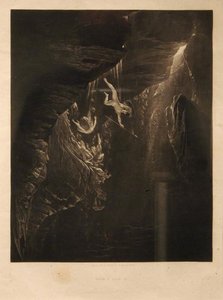
John Martin portréja

A 87 legnevezesebb John Martin festmény, egy galériaválaszték

Frissítve: november 2026 · rangsorolva népszerűségi pontszámunk alapján (minden mű keresései, látogatásai és megrendelései alapján) · 88 mű John Martin alkotása a katalógusunkban

Röviden

John Martin hagyatékából a leghíresebb alkotás Az ő haragának nagy napja (1851), amely a London városi Tate Britain gyűjteményében található. Röviddel ezután követik őket Sodoma és Gomorra megsemmisítése (1852) és The Evening of the Deluge (1828). Katalógusunkban 88 mű található John Martin alkotótól; a galéria megőrizte a világ által leginkább csodált 87 darabot, melyeket a dátummal, a múzeummal és a történetükkel együtt mutatunk be.

1789 – 1854, Haydon Bridge Romantika A legtöbb mű: Yale Center for British Art

John Martin legjobb 10 festménye: a galéria válogatása

1
Az ő haragának nagy napja (1851) (1889) -ja John Martin

Az ő haragának nagy napja

1851 · Olajfestmény vászonon · Tate Britain, London

A tizenkilencedik század szívében kevés kép képeste megborzoltatni és lenyűgözni a viktoriánus léleket annyival, mint John Martin "Az ő haragának nagy napja" című műve. Ez a monumentális vászonon festett olaj nem csupán egy pintura; a fenséges (sublime) élmény viscerális megélése. Ahogy a tekintet a hatalmas, zivataros tájon végigveszi, azonnal megüt a pusztítás tiszta skálája. A jelenet a bibliai apokalipszis pontos pillanatát rögzíti, amikor az égbolt megreped, és maga a föld…

2
Sodoma és Gomorra megsemmisítése (1852) (1889) -ja John Martin

Sodoma és Gomorra megsemmisítése

1852 · Olajfestmény vászonon · Laing Art Gallery, Newcastle upon Tyne

Az égbolt nem csupán sötétedik el; megrepedezik. A vászon felső részeit egy hatalmas, viharos, tüzes felhőforgás dominuál, amely egy olyan mennyei keményüzem, mintha maga a levegőt is lenyelne. A fény nem gyengéd ragyogásban hullik leifrån, hanem egy kozmikus robbanás közepéből tör ki. Ez egy erőszakos, irányított sugárzás, amely éles sziluettekké védi ki a tájat a mélyfekete és árnyékos kék tónusok között. Ezen a zord káoszon keresztül egyetlen villámcsapány tör át…

3
The Evening of the Deluge (1828) (1889) -ja John Martin

The Evening of the Deluge

1828 · Engraving · Victoria and Albert Museum, London

To stand before John Martin's monumental vision, The Evening of the Deluge, is not merely to observe a painting; it is to be submerged within an epochal moment of divine wrath and human fragility. Created in 1828, this work transcends simple depiction, becoming instead a profound meditation on humanity’s place against the overwhelming power of nature. Martin, a master chronicler of the sublime, utilized his immense scale—a staggering 597 x…

4
Éva (1827) (1889) -ja John Martin

Éva

1827 · Gravírozás · Te Papa, Wellington

John Martin (1789-1854) igazán nagy alak lett a romantika világában, egy művész aki megjátszotta az örvényét és átültette az érzéseket vászonra olyan módon, ami ma is magával ragyogtatja el. Éva nyomtatása – melyet ő készített 1827-ben – tökéletes példája ennek az érzelmi mélységnek – egy szívszomorító jelenet ábrázolása, amely megmutatja a szenvedélyt és a biblikus történetet ugyanakkor. Egy igazán ikonikus művészi alkotás.

5
Great Day of His Wrath (1851) (1889) -ja John Martin

Great Day of His Wrath

1851 · Oil On Canvas · Tate Gallery, London

The canvas bears the title Great Day of His Wrath. It is a work by the English romantic painter John Martin. Created in 1851, the painting captures a moment of profound upheaval. It exists as a single movement within a larger triptych of judgement pictures. This series draws its heavy inspiration from the Book of Revelation.

6
Destruction of Tyre (1840) (1889) -ja John Martin

Destruction of Tyre

1840 · Oil On Canvas · Toledo Művészeti Múzeum, Toledo

John Martin's "Destruction of Tyre," completed in 1840, is not merely a depiction of a historical event; it is a visceral embodiment of Romanticism’s fascination with the sublime – that overwhelming feeling of awe and terror inspired by nature’s power. Measuring an imposing 95 x 838 cm, this oil on canvas transports the viewer directly into the heart of apocalyptic chaos. The scene, based on the biblical account in 2…

7
Satan in Council (1889) -ja John Martin

Satan in Council

Engraving

The scene unfolds through the vision of Satan in Council, a dramatic work by the English romantic painter John Martin. This composition captures a moment of intense celestial and infernal tension, pulling the viewer into a realm of shadow and light. The work is also recognized by the title Satan presiding at the Infernal Council, a name that speaks to the heavy authority commanding the assembly. It exists as a…

8
Pandemonium (1841) (1889) -ja John Martin

Pandemonium

1841 · Oil On Canvas

The Sublime Terror of the Infernal Capital In the annals of Romanticism, few images command the eye with such overwhelming dread and grandeur as John Martin’s Pandemonium. Painted in 1841, this oil on canvas is not merely a depiction of a scene; it is an immersive descent into the heart of cosmic chaos. The viewer is immediately confronted by the sheer, terrifying scale of Hell’s capital, where the architecture of…

9
Fall of Babylon (1889) -ja John Martin

Fall of Babylon

The heavens fracture as the destruction of Babylon unfolds in this dramatic vision by John Martin. The scene captures a terrifying Old Testament biblical narrative, where the once-mighty city faces its ultimate end. Chaos reigns as the landscape is swallowed by upheaval, reflecting a moment of divine judgment that feels immediate and overwhelming. The scale of the catastrophe looms large, turning the sprawling cityscape into a site of profound human…

10
Belshazzar's Feast (1889) -ja John Martin

Belshazzar's Feast

Oil On Canvas · Carnavalet Museum, Paris

The scene unfolds within a vast, architectural interior where a long dining table occupies the central space. Around this table, fourteen figures are positioned in various states of repose and movement. Some individuals sit in chairs, while others kneel or stand near the edges of the gathering. The table is laden with food and drink, set against a backdrop of grand, structural elements. Above the assembly, a clock hangs upon…

A John Martin válogatás folytatódik: 11 – 87

11The Plains of Heaven (1889) -ja John MartinThe Plains of Heaven 12The Great Day of His Wrath (1889) -ja John MartinThe Great Day of His Wrath 13Satan Arousing the Fallen Angels, Book 1, line 314, from John Milton, Paradise Lost (1824) (1889) -ja John MartinSatan Arousing the Fallen Angels, Book 1, line 314, from John Milton, Paradise Lost1824 14The Last Man (1849) (1889) -ja John MartinThe Last Man1849 · Walker Art Gallery 15Landscape with a Castle (1815) (1889) -ja John MartinLandscape with a Castle1815 · Yale Center for British Art 16Plate from (1889) -ja John MartinPlate fromTate Britain 17Ancestor Worship (1964) (1889) -ja John MartinAncestor Worship1964 · Kanadai Nemzeti Galéria 18Moonlight - Chepstow Castle (1815) (1889) -ja John MartinMoonlight - Chepstow Castle1815 · Art Gallery of South Australia 19Sadak in Search of the Waters of Oblivion (1889) -ja John MartinSadak in Search of the Waters of OblivionMűvészeti Múzeum, Boston 20Kensington Garden (1815) (1889) -ja John MartinKensington Garden1815 · Yale Center for British Art 21Kensington Garden (1815) (1889) -ja John MartinKensington Garden1815 · Yale Center for British Art 22Kensington Gardens (1815) (1889) -ja John MartinKensington Gardens1815 · Yale Center for British Art 23Landscape, Possibly the Isle of Wight or Richmond Hill (1815) (1889) -ja John MartinLandscape, Possibly the Isle of Wight or Richmond Hill1815 · Yale Center for British Art 24Hyde Park (1815) (1889) -ja John MartinHyde Park1815 · Yale Center for British Art 25The Court of God: Paradise Lost (Book 3, Line 365) (1824) (1889) -ja John MartinThe Court of God: Paradise Lost (Book 3, Line 365)1824 · Kanadai Nemzeti Galéria 26Diogenes Throwing Away His Cup (1833) (1889) -ja John MartinDiogenes Throwing Away His Cup1833 27Alpheus and Arethusa (1832) (1889) -ja John MartinAlpheus and Arethusa1832 28The Deluge (1834) (1889) -ja John MartinThe Deluge1834 29Joshua Commanding the Sun to Stand Still (1840) (1889) -ja John MartinJoshua Commanding the Sun to Stand Still1840 · Yale Center for British Art 30The Assuaging of the Waters (1840) (1889) -ja John MartinThe Assuaging of the Waters1840 · Fine Arts Museums of San Francisco 31Twilight in the woodlands (1850) (1889) -ja John MartinTwilight in the woodlands1850 · Fitzwilliam Museum 32Landscape: View in Richmond Park (1850) (1889) -ja John MartinLandscape: View in Richmond Park1850 · Fitzwilliam Museum 33The Last Judgement (study) (1851) (1889) -ja John MartinThe Last Judgement (study)1851 · Yale Center for British Art 34Christ Stilleth the Tempest (1852) (1889) -ja John MartinChrist Stilleth the Tempest1852 · York Art Gallery 35F shaw brothers tannery maine (1889) -ja John MartinF shaw brothers tannery maineBavári Állami Festırménygyűjtemények 36Paradise Lost. Adam and Eve Driven out of Paradise (1889) -ja John MartinParadise Lost. Adam and Eve Driven out of Paradise 37Seventh Plague (1889) -ja John MartinSeventh Plague 38Gleaners in the Wheat Field (1889) -ja John MartinGleaners in the Wheat Field 39The Last Judgement (1889) -ja John MartinThe Last JudgementTate Britain 40The Isle of Man (1889) -ja John MartinThe Isle of Man 41The Destruction of Sodom and Gomorrah (1889) -ja John MartinThe Destruction of Sodom and Gomorrah 42The Valley of the Tyne, My Native Country, near Henshaw (1889) -ja John MartinThe Valley of the Tyne, My Native Country, near Henshaw 43Destruction of Pharaoh's Host (1889) -ja John MartinDestruction of Pharaoh's Host 44The Covenant (1889) -ja John MartinThe Covenant 45Figures Seated by a Lake in a Wooded Landscape (1889) -ja John MartinFigures Seated by a Lake in a Wooded Landscape 46Psalm CXXVII (by the Waters of Babylon) (1889) -ja John MartinPsalm CXXVII (by the Waters of Babylon) 47Moses Breaketh the Tables (1889) -ja John MartinMoses Breaketh the Tables 48A Man Playing a Harp with other Figures beside a Lake (1889) -ja John MartinA Man Playing a Harp with other Figures beside a Lake 49Ruins of an Ancient City (1889) -ja John MartinRuins of an Ancient CityCleveland Museum of Art 50Joshua Commanding the Sun to Stand Still upon Gibeon (1889) -ja John MartinJoshua Commanding the Sun to Stand Still upon Gibeon 51Landscape with a Ruined Castle (1889) -ja John MartinLandscape with a Ruined Castle 52Edwin and Angelina (also known as The Hermit) (1889) -ja John MartinEdwin and Angelina (also known as The Hermit) 53The Plains of Heaven (1851) (1889) -ja John MartinThe Plains of Heaven1851 · Tate Britain 54Repentance of Nineveh (1840) (1889) -ja John MartinRepentance of Nineveh1840 · Yale University Art Gallery 55Az iguánódó országának terve (1837) (1889) -ja John MartinAz iguánódó országának terve1837 · Te Papa 56Plate from (1889) -ja John MartinPlate fromTate Britain 57Plate from (1889) -ja John MartinPlate fromTate Britain 58Fall of the Rebel Angels (1889) -ja John MartinFall of the Rebel AngelsHarvard Art Museums 59Paradise Lost. The Creation of Light (1889) -ja John MartinParadise Lost. The Creation of Light 60Flood at night (1889) -ja John MartinFlood at night 61David Spareth Saul at Hachilah (1889) -ja John MartinDavid Spareth Saul at Hachilah 62Fall of the Walls of Jericho (1889) -ja John MartinFall of the Walls of Jericho 63Fantastic Oriental Landscape (1889) -ja John MartinFantastic Oriental Landscape 64Fall of the Rebel Angels (1889) -ja John MartinFall of the Rebel Angels 65Christ's glorious coming (1889) -ja John MartinChrist's glorious coming 66The Assuaging of the Waters (1889) -ja John MartinThe Assuaging of the Waters 67Creation of Light (1889) -ja John MartinCreation of Light 68View on the River Wye, Looking towards Chepstow (1889) -ja John MartinView on the River Wye, Looking towards Chepstow 69Joshua commanding the Sun to stand still (1889) -ja John MartinJoshua commanding the Sun to stand still 70Eve's Dream - Satan aroused (1889) -ja John MartinEve's Dream - Satan aroused 71The Fallen Angels Entering Pandemonium, from Paradise Lost (1889) -ja John MartinThe Fallen Angels Entering Pandemonium, from Paradise LostTate Britain 72View of Dolbadern Castle, North Wales (1889) -ja John MartinView of Dolbadern Castle, North Wales 73A Country Graveyard, Possibly Bunhill Fields, Finsbury, A Wooded Landscape Beyond (1889) -ja John MartinA Country Graveyard, Possibly Bunhill Fields, Finsbury, A Wooded Landscape Beyond 74Belshazzar (1820) (1889) -ja John MartinBelshazzar1820 · Yale Center for British Art 75Manfred and the Alpine Witch (1837) (1889) -ja John MartinManfred and the Alpine Witch1837 · Whitworth Art Gallery 76Pandemonium - John Martin (2026) (1889) -ja John MartinPandemonium - John Martin2026 77Sadak in Search of the Waters of Oblivion (1812) (1889) -ja John MartinSadak in Search of the Waters of Oblivion1812 · Saint Louis Art Museum 78Seventh Plague of Egypt (1889) -ja John MartinSeventh Plague of EgyptMűvészeti Múzeum, Boston 79The Destruction of Pompeii and Herculaneum (1822) (1889) -ja John MartinThe Destruction of Pompeii and Herculaneum1822 80Joshua Commanding the Sun to Stand Still upon Gibeon (1816) (1889) -ja John MartinJoshua Commanding the Sun to Stand Still upon Gibeon1816 · National Gallery of Art 81The Eve of the Deluge (1840) (1889) -ja John MartinThe Eve of the Deluge1840 · Royal Collection 82Manfred on the Jungfrau (1837) (1889) -ja John MartinManfred on the Jungfrau1837 · Birmingham Museum and Art Gallery 83The Celestial City and the River of Bliss (1841) (1889) -ja John MartinThe Celestial City and the River of Bliss1841 84Macbeth (1889) -ja John MartinMacbeth 85The Coronation of Queen Victoria (1889) -ja John MartinThe Coronation of Queen VictoriaTate Britain 86A bárd (1817) (1889) -ja John MartinA bárd1817 · Yale Center for British Art 87The Deluge (1834) (1889) -ja John MartinThe Deluge1834 · Yale Center for British Art

John Martin híres festményei, korszakonként

A témák, amelyek John Martin figyelmét meghúzták

A négy leggyakorobban előforduló téma ebben az eredeti művekben, mindegyik a legkiválóbb példájával.

A műemlékek, amelyek John Martin eredeti műveit őrzik

A 8 olyan múzeum, amely a legtöbb ezen az oldalon szereplő festményet őrzi.

Múzeum Város John Martin művei Ebből a listából származó festmények
Yale Center for British Art, New HavenYale Center for British Art New Haven 11 Landscape with a Castle, Kensington Garden, Kensington Garden
Tate Britain, LondonTate Britain London 8 Az ő haragának nagy napja, Plate from, The Last Judgement
Te Papa, WellingtonTe Papa Wellington 2 Éva, Az iguánódó országának terve
Kanadai Nemzeti Galéria, OttawaKanadai Nemzeti Galéria Ottawa 2 Ancestor Worship, The Court of God: Paradise Lost (Book 3, Line 365)
Művészeti Múzeum, Boston, BostonMűvészeti Múzeum, Boston Boston 2 Sadak in Search of the Waters of Oblivion, Seventh Plague of Egypt
Fitzwilliam MuseumFitzwilliam Museum 2 Twilight in the woodlands, Landscape: View in Richmond Park
Laing Art Gallery, Newcastle upon TyneLaing Art Gallery Newcastle upon Tyne 1 Sodoma és Gomorra megsemmisítése
Victoria and Albert Museum, LondonVictoria and Albert Museum London 1 The Evening of the Deluge

John Martin évtizede folgtva: az eredeti művek, amelyek meghatározzák az egyes korzakot

Művek évtizedenként

Váassz ki egy évtizedet, hogy megnézhesd az azt meghatározó eredetiműveket.

Gyűjtői kérdések John Martin festményeivel kapcsolatban

Melyik művel a(z) John Martin a leghíresebb?Fedje fel a választ

Az ő haragának nagy napja (1851), Tate Britain, London. Ezután Sodoma és Gomorra megsemmisítése (1852) és The Evening of the Deluge (1828) következik.

Hány éves volt John Martin, amikor a Az ő haragának nagy napja készült?Fedje fel a választ

62 éves: Az ő haragának nagy napja 1851-ből származik, John Martin pedig 1789-ben született.

Melyek a tíz leghíresebb John Martin festmény?Fedje fel a választ

Az ő haragának nagy napja, Sodoma és Gomorra megsemmisítése, The Evening of the Deluge, Éva, Great Day of His Wrath, Destruction of Tyre, Satan in Council, Pandemonium, Fall of Babylon és Belshazzar's Feast. A fenti rangsor a művek évszamarát és a múzeumát jelzi.

Hány festményet hagyott hátra John Martin?Fedje fel a választ

Katalógusunkban 88 mű található John Martin alkotótól, 1812 és 1852 év közötti időszakból.

Mely múzeumokban állnak John Martin remekművei?Fedje fel a választ

Leginkább Yale Center for British Art (New Haven), Tate Britain (London) és Te Papa (Wellington) található. A fenti múzeumi táblázatban mindegyik felsorolásra került.

Mely években festette John Martin leghíresebb műveit?Fedje fel a választ

1810s alatt: a jelen laphonon található 87 műből 10 készült ebben az időszakban, köztük Landscape with a Castle.

Mikszétek az első és az utolsó híres eredeti műve a(z) John Martin alkotótól?Fedje fel a választ

Ezen az oldalon a leghitelesebb Sadak in Search of the Waters of Oblivion (1812), a legutóbbi pedig Sodoma és Gomorra megsemmisítése (1852).

Milyen témaköröket választott leggyakrabban John Martin?Fedje fel a választ

People (11), Landscape (11) és Mountains (7), a jelen oldalon található 87 műművészeti alkotás között.

Melyik technikát alkalmazta leggyakrabban John Martin?Fedje fel a választ

Oil On Canvas, a jelen oldalon található 87 műből 14 darab esetén.

Mely művészeti irányba tartozik John Martin?Fedje fel a választ

Romantika, ezen az oldalon található eredetiek alapján.

Mely John Martin művei láthatóak a Yale Center for British Art kiállتításán?Fedje fel a választ

Landscape with a Castle, Kensington Garden és Kensington Garden: a Yale Center for British Art, New Haven 11 művet őrzi ezen az oldalon.

John Martin: életmű és életút

John Martin: A Melodramás Romantika Mestere

John Martin (1789–1854) az angliai romantika ünnepelt festője, metszője és illusztrátora volt, akinek drámai kompozíciói lélegzetelállító módon varázsolták el a viktoriánus kor közönségét. 1789. július 19-én született Haydon Bridge, Northumberland megyében, és szerény körülmények közül emelkedett fel korának egyik legnépszerűbb művészévé. Hírneve hatalmas tájképeiből és apró lényekkel megforralt kompozícióiból származott, amelyek bibliai jeleneteket és fantasztikus narratívákat ábrázoltak, mélységes skálaérzetet és érzelmi intenzitást sugallva.

Korai élet és művészeti fejlődés

Martin korai éveket gyakorlatias tevékenységek jellemezték. Newcastle upon Tyne városában egy díszhevér-építő mesternél tanároskodott, ahol a heraldikus festészetet tanulta meg – egy olyan készség, amely később is meghatározta művészete aprólékos részletgazdagságát. 1806-ban Londont választotta, tizenkilenc évesen házasodott össze, és megélhetését rajzok tanításával, valamint akvarellek, porcelán- és üvegdekorációk készítésével biztosította. Ez az időszak finomította technikai tudását, miközben lehetőséget adott számára különböző művészeti technikák felfedezésére is. Korai alkotásain már látható a drámai fények és kompozíciók iránti növekvő érdeklődése, ami előrejelzte későbbi, egyedi stílusát.

Művészeti stílus és legkiemelkedőbb alkotások

Martin egyed Muláns stílusa a monumentális skáláról, a melodramás intenzitásról és a rendkívüli részletgazdagságról ismerthető fel. Gyakran ábrázolt bibliai témákat, mint például Sodoma és Gomorra romlása vagy <Belshazzar lakomája, teatrális eleganciával, amely mélyen megérintette a nézőket. Tájképészetében, mint például a Harnham Church, near Salisbury, képes volt a csendes vidéki tájak megörökítésére is, miközben megőrizte alkotásai fenséges jellegét. Művészeti tudásának legkiemelkedőbb példái közé tartoznak:

  • Sodoma és Gomorra romlása: A isteni bosszú monumentális ábrázolása, amely demonstrates Martin képességét a káosz és a pusztítás hatalmas méretű megjelenítésében.
  • मद्देनülő
  • Belshazzar lakomája: A bibliai történet ábrázolása drámai fényekkel és bonyolult részletekkel, kiemelve Babilon bukását.
  • Manfred és az alpesi boszorkány: Byron verséből inspirálva, ez a mű példaként szolgál arra, hogyan képes Martin az irodalmi narratívákat lenyűgöző vizuális kompozícióvá alakítani.
  • Satan Arousing the Fallen Angels (a Pérduk ébredése alapján): Milton epikus verseinek erőteljes értelmezése, amely bemutatja képességét a világirodalom drámai jeleneteinek ábrázolására.
  • Pandemonium: A pokor székhelyének fantasztikus ábrázolása, amely Martin képzelőerőjét és a perspektíva mesteri tudását mutatja be.
  • Az iguanodon vidéke: A paleosztörténeti művészet korai példája, amely korának tudományos felfedezések iránti növekvő érdeklődését tükrözi.

Elismerettség és örökség

John Martin életében jelentős elismerésben részesült. 1821-ben Walter Sickert „korának legnépszerűbb festőjeként” hivatkozott rá, és aranyérmet kapott I. Nickolas török cártól is. Leopold sachsen-koburgi hercegtől kapta a Leopold-rendet, és ő lett a herceg hivatalos történelmi festője. Műveit både a National Gallery, både a Tate Gallery mutatta be, ezzel megszilárdítva helyét a brit művészet történetében.

Bár 1854. február 17-én bekövetkező halála után egy időre kevésbé ismertté vált, Martin munkássága újrévületet élt át az értékelés során. Napjainkban festményei a romantikus dráma, a precíz részletesség és a tágas képzelet egyedülálló ötvözeteként ismertek fel. Hatása jól látható későbbi művészeknél is, például James Francis Danby-nál, akit Martin drámai tájvilága inspirált. John Martin az angol művészettörténet meghatározó alakja maradt, aki képes volt a nézőket epikus világokba szállítani, ahol a lélegzetelálló szépség és a retesztő hatalom egyszerre ötvöződik.