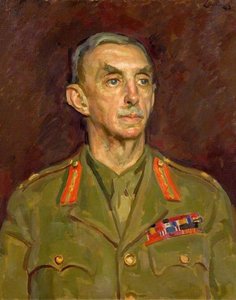
Henry Lamb portréja

A 100 legnevezesebb Henry Lamb festmény, egy galériaválaszték

Frissítve: október 2026 · rangsorolva népszerűségi pontszámunk alapján (minden mű keresései, látogatásai és megrendelései alapján) · 126 mű Henry Lamb alkotása a katalógusunkban

Röviden

Henry Lamb hagyatékából a leghíresebb alkotás William Loudon Mollison (1851–1929), Master (1915–1929) (1926), amely a Cambridge városi Clare College gyűjteményében található. Röviddel ezután követik őket Henry Lamb (1950) és Major Mahomed Akbar Khan, Commanding Officer, 29 Mule Coy, Royal Indian Army Service Corps (1941). Katalógusunkban 126 mű található Henry Lamb alkotótól; a galéria megőrizte a világ által leginkább csodált 100 darabot, melyeket a dátummal, a múzeummal és a történetükkel együtt mutatunk be.

1883 – 1960, Adelaide Post-impressionism A legtöbb mű: Government Art Collection

Henry Lamb legjobb 10 festménye: a galéria válogatása

1
William Loudon Mollison (1851–1929), Master (1915–1929) (1926) (1889) -ja Henry Lamb

William Loudon Mollison (1851–1929), Master (1915–1929)

1926 · Oil On Canvas · Clare College, Cambridge

The air in the room seems to settle around the figure of William Loudon Mollison, a man whose presence commands a silent respect. He sits before us, a scholar and a leader, his gaze meeting the viewer with a steady, contemplative weight. There is a profound stillness in his expression, a sense of a mind occupied by the complexities of life and the responsibilities of his station. The portrait captures…

4
Ernest George Hardy (1852–1925) (1925) (1889) -ja Henry Lamb

Ernest George Hardy (1852–1925)

1925 · Oil On Canvas · Jesus College, Oxford

Henry Lamb's 1925 oil on canvas, “Ernest George Hardy,” is more than just a likeness; it’s a carefully constructed meditation on age, experience, and the quiet dignity of a life well-lived. The painting immediately draws the viewer in with its warm, earthy palette dominated by rich reds, deep browns, and subtle greens – colors that evoke both the warmth of a hearth and the somber hues of twilight. Lamb masterfully…

5
Sir Michael Ernest Sadler (1861–1943), KCSI, CB, LLD, DLitt, Vice Chancellor of the University of Leeds (1911–1923) (1924) (1889) -ja Henry Lamb

Sir Michael Ernest Sadler (1861–1943), KCSI, CB, LLD, DLitt, Vice Chancellor of the University of Leeds (1911–1923)

1924 · Painting · The Stanley - Audrey Burton Gallery, Leeds

This compelling painting captures Sir Michael Ernest Sadler, a figure synonymous with intellectual gravity and institutional authority during the early twentieth century. The subject is rendered with a palpable sense of presence; he stands poised near an open doorway, a compositional choice that immediately suggests transition—a moment caught between one space and another, much like a pivotal academic career itself. Dressed in the formal attire of his time, complete with…

6
Ernest Alfred Benians (1880–1952), Fellow, Master (1933) (1944) (1889) -ja Henry Lamb

Ernest Alfred Benians (1880–1952), Fellow, Master (1933)

1944 · Oil On Canvas · St John’s College, Cambridge, Cambridge

This compelling portrait captures Ernest Alfred Benians in 1944, presenting him as an embodiment of learned authority. The subject is seated formally, dressed in the sober attire of a gentleman accustomed to intellectual pursuits—a suit and tie that speak of established convention. His posture, with hands crossed over his lap, suggests contemplation and quiet confidence. He occupies the foreground, grounded by the sturdy presence of the chair upon which he…

A Henry Lamb válogatás folytatódik: 11 – 100

11Edward Hector Bent, GM (1942) (1889) -ja Henry LambEdward Hector Bent, GM1942 12The Poor Bloody Infantry (1941) (1889) -ja Henry LambThe Poor Bloody Infantry1941 13Gunner W. H. St Cyr, Royal Canadian Artillery (1942) (1889) -ja Henry LambGunner W. H. St Cyr, Royal Canadian Artillery1942 14Sergeant Watts, 40th Battalion, Royal Tank Regiment (1941) (1889) -ja Henry LambSergeant Watts, 40th Battalion, Royal Tank Regiment1941 15Major E. Wilson, VC, 10th Battalion, East Surrey Regiment (1942) (1889) -ja Henry LambMajor E. Wilson, VC, 10th Battalion, East Surrey Regiment1942 16Valentine, Canadian Forces (1941) (1889) -ja Henry LambValentine, Canadian Forces1941 17The Night Watch, Canadian Heavy Gunners, 2nd A. A. Battery (1942) (1889) -ja Henry LambThe Night Watch, Canadian Heavy Gunners, 2nd A. A. Battery1942 18Fatigue, Canadian Forces (1942) (1889) -ja Henry LambFatigue, Canadian Forces1942 19Major General Robert Frederick Edward Whittaker (1894–1967), CB, OBE, TD, Anti Aircraft Command (1942) (1889) -ja Henry LambMajor General Robert Frederick Edward Whittaker (1894–1967), CB, OBE, TD, Anti Aircraft Command1942 20Tool Inspection (1942) (1889) -ja Henry LambTool Inspection1942 · Salford Museum - Art Gallery 21Trooper Owen, 40th Battalion RTR (1941) (1889) -ja Henry LambTrooper Owen, 40th Battalion RTR1941 · Government Art Collection 22Air Marshal the Honourable Sir Ralph Cochrane (1895–1977), KBE, Aide de Camp to His Majesty the King (1946) (1889) -ja Henry LambAir Marshal the Honourable Sir Ralph Cochrane (1895–1977), KBE, Aide de Camp to His Majesty the King1946 23Captain Charles Lindsey Keighley Peach (b.1902) (1945) (1889) -ja Henry LambCaptain Charles Lindsey Keighley Peach (b.1902)1945 24Sir Herbert Richmond (1871–1947), Master of Downing College (1936–1947) (1944) (1889) -ja Henry LambSir Herbert Richmond (1871–1947), Master of Downing College (1936–1947)1944 · Paintings Owned by Colleges 25Lieutenant General Le Chevalier Van Strydonck de Burkel (1879–1961) (1945) (1889) -ja Henry LambLieutenant General Le Chevalier Van Strydonck de Burkel (1879–1961)1945 26The Overhaul (1941) (1889) -ja Henry LambThe Overhaul1941 27Lady Pansey Lamb, née Pakenham (1904–1999), Interior Designer (1932) (1889) -ja Henry LambLady Pansey Lamb, née Pakenham (1904–1999), Interior Designer1932 · Wadham College 28Kenneth Norman Bell (1884–1951), Scholar (1903), Fellow and Tutor in Modern History (1919–1941), Founding Secretary of the Balliol Society (1927–1950) (1934) (1889) -ja Henry LambKenneth Norman Bell (1884–1951), Scholar (1903), Fellow and Tutor in Modern History (1919–1941), Founding Secretary of the Balliol Society (1927–1950)1934 · Balliol College 29Over the Garden Wall (1889) -ja Henry LambOver the Garden Wall 30A Bristol Committee (1921) (1889) -ja Henry LambA Bristol Committee1921 · Bristol Museum - Art Gallery 31Trooper Juneau, Canadian Forces (1941) (1889) -ja Henry LambTrooper Juneau, Canadian Forces1941 · Government Art Collection 32Girl Knitting, Portrait of Felicia, the Artist's Younger Daughter (1949) (1889) -ja Henry LambGirl Knitting, Portrait of Felicia, the Artist's Younger Daughter1949 · Government Art Collection 33Bombardier Olg, Canadian Forces (1942) (1889) -ja Henry LambBombardier Olg, Canadian Forces1942 · Government Art Collection 34Manon (1946) (1889) -ja Henry LambManon1946 · Arts Council Collection 35Mrs Kennedy (1938) (1889) -ja Henry LambMrs Kennedy1938 · William Evans Bequest 36Oil Sketch of Lord Elliott (1889) -ja Henry LambOil Sketch of Lord Elliott 37Death of a Peasant (1911) (1889) -ja Henry LambDeath of a Peasant1911 38Edie McNeill (1911) (1889) -ja Henry LambEdie McNeill1911 39Thundery Weather, Kennack Sands (1909) (1889) -ja Henry LambThundery Weather, Kennack Sands1909 · Government Art Collection 40Lytton Strachey (1913) (1889) -ja Henry LambLytton Strachey1913 · Fitzwilliam Museum 41Head of an Irish Girl (1912) (1889) -ja Henry LambHead of an Irish Girl1912 42Lytton Strachey (1914) (1889) -ja Henry LambLytton Strachey1914 · Fitzwilliam Múzeum 43Henry Lamb (1914) (1889) -ja Henry LambHenry Lamb1914 44David John (1922) (1889) -ja Henry LambDavid John1922 45Advance Dressing Station on the Struma, 1916 (1921) (1889) -ja Henry LambAdvance Dressing Station on the Struma, 19161921 46The Doler (1922) (1889) -ja Henry LambThe Doler1922 47Irish Troops in the Judaean Hills Surprised by a Turkish Bombardment (1919) (1889) -ja Henry LambIrish Troops in the Judaean Hills Surprised by a Turkish Bombardment1919 48The Behrend Family (1927) (1889) -ja Henry LambThe Behrend Family1927 49Hollyhocks and Gladioli (1928) (1889) -ja Henry LambHollyhocks and Gladioli1928 50Breton Youth (1910) (1889) -ja Henry LambBreton Youth1910 · Bolton Museum And Art Gallery 51Joan Pernel Strachey, Principal (1923–1941) (1926) (1889) -ja Henry LambJoan Pernel Strachey, Principal (1923–1941)1926 · Collège Newnham 52Sir Stanley Spencer (1928) (1889) -ja Henry LambSir Stanley Spencer1928 53Darsie Japp and Family (1928) (1889) -ja Henry LambDarsie Japp and Family1928 54Lady Mary Packenham (1929) (1889) -ja Henry LambLady Mary Packenham1929 55The Yellow Jumper (1931) (1889) -ja Henry LambThe Yellow Jumper1931 56The Lady with Lizards (1933) (1889) -ja Henry LambThe Lady with Lizards1933 57The Artist's Wife (1933) (1889) -ja Henry LambThe Artist's Wife1933 58The Artist's Wife, Lady Pansy Pakenham, and Their Baby Daughter (1932) (1889) -ja Henry LambThe Artist's Wife, Lady Pansy Pakenham, and Their Baby Daughter1932 59David Garnett (1892–1981) (1930) (1889) -ja Henry LambDavid Garnett (1892–1981)1930 60George Lawrence Kennedy (1882–1954), Commoner (1901), Designed and Built Holywell Manor (1931–1932) (1913) (1889) -ja Henry LambGeorge Lawrence Kennedy (1882–1954), Commoner (1901), Designed and Built Holywell Manor (1931–1932)1913 · Balliol College 61The Elliott Family (1935) (1889) -ja Henry LambThe Elliott Family1935 62Fécamp Harbour (1937) (1889) -ja Henry LambFécamp Harbour1937 · Government Art Collection 63Corporal Albert Bull, 40th Battalion RTR (1941) (1889) -ja Henry LambCorporal Albert Bull, 40th Battalion RTR1941 · Government Art Collection 64L. P. Hartley (1938) (1889) -ja Henry LambL. P. Hartley1938 65General Bronislaw Regulski (1886–1961), CB (1941) (1889) -ja Henry LambGeneral Bronislaw Regulski (1886–1961), CB1941 66Colonel Tang Paohuang (1941) (1889) -ja Henry LambColonel Tang Paohuang1941 67Desmond McCarthy (1877–1952) (1940) (1889) -ja Henry LambDesmond McCarthy (1877–1952)1940 68A Soldier of Free France (1941) (1889) -ja Henry LambA Soldier of Free France1941 69Mending the Lysander (1940) (1889) -ja Henry LambMending the Lysander1940 70General Rudolf Viest (1890–1944) (1943) (1889) -ja Henry LambGeneral Rudolf Viest (1890–1944)1943 71Lieutenant General Archibald Edward Nye (1895–1967), CB, MC (1942) (1889) -ja Henry LambLieutenant General Archibald Edward Nye (1895–1967), CB, MC1942 72Girl Reading (1939) (1889) -ja Henry LambGirl Reading1939 73Major General John Noble Kennedy (1893–1970), CB, MC (1943) (1889) -ja Henry LambMajor General John Noble Kennedy (1893–1970), CB, MC1943 74An Officer of the Foreign Legion (1941) (1889) -ja Henry LambAn Officer of the Foreign Legion1941 75An Instructor at the Army and Royal Air Force Co Operation School (1941) (1889) -ja Henry LambAn Instructor at the Army and Royal Air Force Co Operation School1941 76Gunner W. C. Macaloney, Royal Canadian Artillery (1942) (1889) -ja Henry LambGunner W. C. Macaloney, Royal Canadian Artillery1942 77Frederick Bolton, GM, Decorated for Gallantry at Leytonstone, September 1940 (1940) (1889) -ja Henry LambFrederick Bolton, GM, Decorated for Gallantry at Leytonstone, September 19401940 78A Command Post, Heavy Anti Aircraft Royal Canadian Artillery (1942) (1889) -ja Henry LambA Command Post, Heavy Anti Aircraft Royal Canadian Artillery1942 79Chief Controller Leslie Violet Lucy Whateley, CBE, Director of Auxiliary Territorial Service (1943) (1889) -ja Henry LambChief Controller Leslie Violet Lucy Whateley, CBE, Director of Auxiliary Territorial Service1943 80Air Vice Marshal Karel Janousek (1893–1971), KCB, Inspector General Czechoslovakian Air Force (1942) (1889) -ja Henry LambAir Vice Marshal Karel Janousek (1893–1971), KCB, Inspector General Czechoslovakian Air Force1942 81Canadian Troops Undergoing Instruction (1942) (1889) -ja Henry LambCanadian Troops Undergoing Instruction1942 82Driver Abdul Ghani (1941) (1889) -ja Henry LambDriver Abdul Ghani1941 83Lieutenant General Sir William Dobbie (1879–1964), GCMG, KCB, DSO (1942) (1889) -ja Henry LambLieutenant General Sir William Dobbie (1879–1964), GCMG, KCB, DSO1942 84Senior Controller Christian Helen Fraser Tytler, CBE, Deputy Director of Anti Aircraft Command, Auxiliary Territorial Service (1943) (1889) -ja Henry LambSenior Controller Christian Helen Fraser Tytler, CBE, Deputy Director of Anti Aircraft Command, Auxiliary Territorial Service1943 85(Arthur) Neville Chamberlain (1939) (1889) -ja Henry Lamb(Arthur) Neville Chamberlain1939 86The Despatch Rider (1941) (1889) -ja Henry LambThe Despatch Rider1941 87Canadian Forces Reach Their Billets (1941) (1889) -ja Henry LambCanadian Forces Reach Their Billets1941 88Track Repairs by Canadian Troops (1941) (1889) -ja Henry LambTrack Repairs by Canadian Troops1941 89Pay Week at the Clothing Store (1940) (1889) -ja Henry LambPay Week at the Clothing Store1940 90Plums on a Dish (1939) (1889) -ja Henry LambPlums on a Dish1939 · Pallant House Gallery 91Canadian Troops Replacing Track (1941) (1889) -ja Henry LambCanadian Troops Replacing Track1941 92Pay at the Canadian Armoured Division (1942) (1889) -ja Henry LambPay at the Canadian Armoured Division1942 · Bristol Museum - Art Gallery 93Boy with a Toy (1944) (1889) -ja Henry LambBoy with a Toy1944 94Gun Crew (1944) (1889) -ja Henry LambGun Crew1944 95Colonel P. Devaux (1944) (1889) -ja Henry LambColonel P. Devaux1944 96Lawrence Haward (1878–1957) (1945) (1889) -ja Henry LambLawrence Haward (1878–1957)1945 97Generale de Division Milorad M. Radovitch (1944) (1889) -ja Henry LambGenerale de Division Milorad M. Radovitch1944 98Fair Reader (1947) (1889) -ja Henry LambFair Reader1947 99General Sir Frederick Pile (1884–1976), KCB, DSO, MC (1944) (1889) -ja Henry LambGeneral Sir Frederick Pile (1884–1976), KCB, DSO, MC1944 100Manor near Azay le Rideau (1948) (1889) -ja Henry LambManor near Azay le Rideau1948 · Government Art Collection

A témák, amelyek Henry Lamb figyelmét meghúzták

A négy leggyakorobban előforduló téma ebben az eredeti művekben, mindegyik a legkiválóbb példájával.

A műemlékek, amelyek Henry Lamb eredeti műveit őrzik

A 8 olyan múzeum, amely a legtöbb ezen az oldalon szereplő festményet őrzi.

Múzeum Város Henry Lamb művei Ebből a listából származó festmények
Government Art Collection, LondonGovernment Art Collection London 10 A Spotter, Heavy AA, Canadian Forces, Trooper Owen, 40th Battalion RTR, Trooper Juneau, Canadian Forces
Balliol College, OxfordBalliol College Oxford 2 Kenneth Norman Bell (1884–1951), Scholar (1903), Fellow and Tutor in Modern History (1919–1941), Founding Secretary of the Balliol Society (1927–1950), George Lawrence Kennedy (1882–1954), Commoner (1901), Designed and Built Holywell Manor (1931–1932)
Bristol Museum - Art Gallery, BristolBristol Museum - Art Gallery Bristol 2 A Bristol Committee, Pay at the Canadian Armoured Division
Wadham College, OxfordWadham College Oxford 2 Lady Pansey Lamb, née Pakenham (1904–1999), Interior Designer
Fitzwilliam Múzeum, CambridgeFitzwilliam Múzeum Cambridge 2 Lytton Strachey
Clare College, CambridgeClare College Cambridge 1 William Loudon Mollison (1851–1929), Master (1915–1929)
Jesus College, OxfordJesus College Oxford 1 Ernest George Hardy (1852–1925)
The Stanley - Audrey Burton Gallery, LeedsThe Stanley - Audrey Burton Gallery Leeds 1 Sir Michael Ernest Sadler (1861–1943), KCSI, CB, LLD, DLitt, Vice Chancellor of the University of Leeds (1911–1923)

Henry Lamb évtizede folgtva: az eredeti művek, amelyek meghatározzák az egyes korzakot

Művek évtizedenként

Váassz ki egy évtizedet, hogy megnézhesd az azt meghatározó eredetiműveket.

Gyűjtői kérdések Henry Lamb festményeivel kapcsolatban

Melyik művel a(z) Henry Lamb a leghíresebb?Fedje fel a választ

William Loudon Mollison (1851–1929), Master (1915–1929) (1926), Clare College, Cambridge. Ezután Henry Lamb (1950) és Major Mahomed Akbar Khan, Commanding Officer, 29 Mule Coy, Royal Indian Army Service Corps (1941) következik.

Hány éves volt Henry Lamb, amikor a William Loudon Mollison (1851–1929), Master (1915–1929) készült?Fedje fel a választ

43 éves: William Loudon Mollison (1851–1929), Master (1915–1929) 1926-ből származik, Henry Lamb pedig 1883-ben született.

Melyek a tíz leghíresebb Henry Lamb festmény?Fedje fel a választ

William Loudon Mollison (1851–1929), Master (1915–1929), Henry Lamb, Major Mahomed Akbar Khan, Commanding Officer, 29 Mule Coy, Royal Indian Army Service Corps, Ernest George Hardy (1852–1925), Sir Michael Ernest Sadler (1861–1943), KCSI, CB, LLD, DLitt, Vice Chancellor of the University of Leeds (1911–1923), Ernest Alfred Benians (1880–1952), Fellow, Master (1933), Francis Jones, 75, High Street, Poole, Dorset, Robert Ranulph Marett (1866–1943) és A Spotter, Heavy AA, Canadian Forces. A fenti rangsor a művek évszamarát és a múzeumát jelzi.

Hány festményet hagyott hátra Henry Lamb?Fedje fel a választ

Katalógusunkban 126 mű található Henry Lamb alkotótól, 1909 és 1950 év közötti időszakból.

Mely múzeumokban állnak Henry Lamb remekművei?Fedje fel a választ

Leginkább Government Art Collection (London), Balliol College (Oxford) és Bristol Museum - Art Gallery (Bristol) található. A fenti múzeumi táblázatban mindegyik felsorolásra került.

Mely években festette Henry Lamb leghíresebb műveit?Fedje fel a választ

1940s alatt: a jelen laphonon található 100 műből 57 készült ebben az időszakban, köztük Major Mahomed Akbar Khan, Commanding Officer, 29 Mule Coy, Royal Indian Army Service Corps.

Mikszétek az első és az utolsó híres eredeti műve a(z) Henry Lamb alkotótól?Fedje fel a választ

Ezen az oldalon a leghitelesebb Thundery Weather, Kennack Sands (1909), a legutóbbi pedig Henry Lamb (1950).

Milyen témaköröket választott leggyakrabban Henry Lamb?Fedje fel a választ

Portrait (15), Portraiture (7) és British art (6), a jelen oldalon található 100 műművészeti alkotás között.

Melyik technikát alkalmazta leggyakrabban Henry Lamb?Fedje fel a választ

Oil On Canvas, a jelen oldalon található 100 műből 11 darab esetén.

Mely művészeti irányba tartozik Henry Lamb?Fedje fel a választ

Post-impressionism és Contemporary realism, ezen az oldalon található eredetiek alapján.

Mely Henry Lamb művei láthatóak a Government Art Collection kiállتításán?Fedje fel a választ

A Spotter, Heavy AA, Canadian Forces, Trooper Owen, 40th Battalion RTR és Trooper Juneau, Canadian Forces: a Government Art Collection, London 9 művet őrzi ezen az oldalon.

Henry Lamb: életmű és életút

A Life Bridging Continents and Eras

Henry Lamb, born in Adelaide, Australia, in 1883, was an artist whose life unfolded as a fascinating intersection of cultures and historical upheaval. His early years were steeped in intellectual stimulation – the son of Sir Horace Lamb, a renowned mathematician – yet his artistic path diverged dramatically from the purely academic. The family’s relocation to Manchester, England, in 1885 proved pivotal, thrusting him into a burgeoning artistic scene that would ultimately define his creative destiny. Initially pursuing medical studies at both Manchester University and Guy's Hospital, Lamb found himself increasingly drawn to the world of art, an irresistible pull he could no longer deny. By 1906, he decisively abandoned medicine, enrolling at Chelsea School of Art under the tutelage of Augustus John and William Orpen – a decision that would irrevocably shape his artistic vision. Subsequent studies at the Académie de la Palette in Paris further honed his skills, immersing him in the avant-garde currents of early 20th-century European art and introducing him to influential figures like Jean Metzinger and Henri Le Fauconnier. This exposure to diverse artistic philosophies profoundly influenced his evolving style, blending traditional techniques with innovative approaches to form and color.

Formative Influences and Artistic Awakening

The influence of Augustus John on Lamb’s artistic development was particularly profound. John's unwavering commitment to drawing from life – a direct lineage from the Slade School tradition – instilled in Lamb a fundamental respect for observation and expressive line work. This emphasis on capturing the essence of a subject, rather than merely creating a photographic representation, became central to his unique style. Lamb’s early years were also deeply intertwined with the vibrant bohemian circles of London, where he encountered and befriended prominent figures like Lytton Strachey, whose penetrating portrait would become one of Lamb's most celebrated achievements. His relationship with Nina Forrest, affectionately known as “Euphemia,” proved equally significant; she became his muse, model, and a constant source of inspiration – a figure who embodied the spirit of artistic freedom and unconventional beauty that permeated the era. Lamb’s involvement in the Camden Town Group in 1911 and later the London Group in 1913 solidified his position within the progressive art movement challenging conventional artistic norms. These groups provided a crucial platform for experimentation, fostering a spirit of collaboration that shaped Lamb's evolving aesthetic, pushing him to explore new forms of expression and challenge established conventions. The group’s focus on capturing the gritty realities of London life undoubtedly influenced his later depictions of urban landscapes and social commentary.

War, Witness, and Remembrance

The outbreak of World War I dramatically altered the course of Lamb’s life. Returning to his medical training, he served as a battalion medical officer with the 5th Battalion, Royal Inniskilling Fusiliers, witnessing firsthand the horrors of conflict. This experience was profoundly transformative, shifting his artistic perspective and fueling a desire to document the realities of war with unflinching honesty. Awarded the Military Cross for his bravery, Lamb was also appointed an official war artist, tasked with capturing the psychological toll of warfare through his art. His wartime paintings, such as “Irish Troops in the Judaean Hills Surprised by a Turkish Bombardment,” are not merely depictions of battle; they are poignant reflections on vulnerability, fear, and the enduring human cost of conflict. These works – characterized by their stark realism and emotional depth – stand as powerful testaments to the brutality of war and remain significant historical documents. The experience imbued his work with a newfound sense of urgency and empathy, forever shaping his artistic vision.

A Legacy in Portraiture and Beyond

While Lamb’s wartime experiences left an indelible mark on his oeuvre, he is perhaps best known for his evocative portraits. He possessed a remarkable ability to capture not just the physical likeness but also the inner character of his subjects – their thoughts, their emotions, their very souls. His portrait of Lytton Strachey, painted in 1914, exemplifies this skill perfectly; Lamb “has relished emphasizing Strachey’s gaunt, ungainly figure, and the air of resigned intellectual superiority with which he surveys the world from that incredible slab-like head.” This masterful portrayal demonstrates his ability to convey psychological depth through subtle details and expressive line work. Throughout his career, Lamb continued to paint portraits, extending his practice to include high-ranking military commanders during World War II. His later years saw him appointed a Trustee of both the National Portrait Gallery and the Tate Gallery, demonstrating his respected position within the art world. Elected an Associate of the Royal Academy in 1940 and a full member in 1949, Lamb continued to paint until arthritis curtailed his ability to work. He died in 1960, leaving behind a rich artistic legacy that continues to resonate with audiences today. His contribution lies not only in his technical skill but also in his profound sensitivity to the human condition and his ability to translate complex emotions onto canvas.

Key Characteristics & Artistic Style

  • Expressive Line Work: Heavily influenced by Augustus John, Lamb’s work is characterized by a dynamic and expressive use of line, creating a sense of movement and energy.
  • Psychological Depth: His portraits are renowned for their ability to capture the inner lives of his subjects, revealing their personalities and emotions with remarkable sensitivity.
  • Post-Impressionist Influences: While rooted in traditional techniques, Lamb’s work also exhibits elements of Post-Impressionism, particularly in his use of color and form.
  • War Art as Testimony: His wartime paintings are not simply depictions of conflict but powerful statements about the human cost of war, imbued with a sense of empathy and realism.
  • Bohemian Spirit: Lamb’s association with the Camden Town Group and his personal life reflect a bohemian spirit – a rejection of conventional norms and an embrace of artistic freedom.