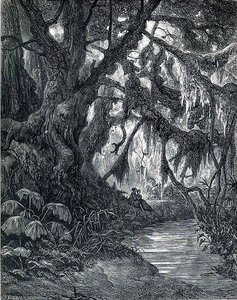
Gustave Doré portréja

A 100 legnevesebbebb Gustave Doré festmény, mindegyik egyedistens

Frissítve: október 2026 · rangsorolva népszerűségi pontszámunk alapján (minden mű keresései, látogatásai és megrendelései alapján) · 1 501 mű Gustave Doré alkotása a katalógusunkban

Röviden

A akrobataok az a Gustave Doré festmény, amely a legtöbb tekintetet felvonja; az eredeti mű a Musée d'Art Roger-Quilliot gyűjteményében található, Clermont-Ferrand. Ezután a tekintet The Christian Martyrs és The Inferno, Canto 9, lines 87-89. To the gate He came, and with his wand touch’d it, whereat Open without impediment it flew. elemre irányul. A Gustave Doré 1,501 műve közül a katalógusunkban megtalálható 100 legnépesebb alkotás, melyeket az év, a múzeum és az örökévalóságának okai kísérnek.

1832 – 1883, Strasbourg Romantic illustration A legtöbb mű: Musée d'Art Moderne et Contemporain de Strasbourg

A galéria szemével: Gustave Doré legjobb 10 festménye

1
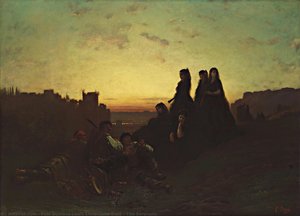
A akrobataok (1889) -ja Gustave Doré

A akrobataok

Akril festmény vászonon · Musée d'Art Roger-Quilliot, Clermont-Ferrand

Paul Gustave Doré „A akrobataok” című alkotása nem csupán egy jelenet ábrázolása; ez egy elmerülés egy olyan világba, amely tele van teatralitással, melankóliával és a mindennapi élet halk drámájával. A művész saját stílusában – a romantika és a fejlődő realizmus mesteri ötvözetében készült alkotás egy elszállingó pillanatot rögzít, amely valószínűleg egy nagyobb narratíva illusztrációjaként született meg, mégis olyan mély érzelmi rezonanciával bír, amely meghaladja eredeti célját. A jelenet szinte fotográfiai…

2
The Christian Martyrs (1889) -ja Gustave Doré

The Christian Martyrs

Paul Gustave Doré's "The Christian Martyrs" is a powerful and emotionally charged painting that vividly portrays the suffering of early Christians facing persecution. Rooted in the Romantic style, this artwork emphasizes dramatic intensity, emotional expression, and a sense of awe-inspiring grandeur. The scene depicts a group of fallen martyrs under a dark, star-studded night sky, with three angelic figures hovering above, observing or perhaps intervening in their plight.

3
The Inferno, Canto 9, lines 87-89. To the gate He came, and with his wand touch’d it, whereat Open without impediment it flew. (1889) -ja Gustave Doré

The Inferno, Canto 9, lines 87-89. To the gate He came, and with his wand touch’d it, whereat Open without impediment it flew.

Engraving

Paul Gustave Doré’s “The Inferno, Canto 9, lines 87-89,” is more than just an illustration; it’s a visceral plunge into the heart of Dante Alighieri’s epic poem. Executed as a meticulously detailed black and white engraving, this artwork captures a pivotal moment – the arrival of an angel who opens the gate to Hell itself. Born in Strasbourg in 1832, Doré was a master of dramatic illustration, renowned for his…

4
Paradise Lost (1889) -ja Gustave Doré

Paradise Lost

Engraving

Created in 1867, Paradise Lost by the French artist Gustave Doré translates the narrative of Milton’s epic poem into a visual form. The work captures the fall of Lucifer and his legions of angels from heaven, depicting the immediate aftermath of their expulsion. This engraving focuses on the tension between divine authority and the rebellion that precipitated the celestial conflict.

5
Gd 0001 Red Riding Hood meets old Father Wolf GustaveDore sqs (1889) -ja Gustave Doré

Gd 0001 Red Riding Hood meets old Father Wolf GustaveDore sqs

Engraving

In this monochrome scene, we find ourselves drawn into a dense, wooded thicket where the boundaries between innocence and danger feel remarkably thin. A young girl, draped in her characteristic attire, stands positioned slightly off-center, facing the imposing presence of a large wolf. The creature dominates the left side of the frame, its massive form emerging from the gloom of the forest. There is a quiet tension in their proximity,…

6
A pokolgató Éjszaka, Szöveg XXII., sor 70. Megközelítve ő pedig gyorsan kiáltott: „Megragadtál.” (1889) -ja Gustave Doré

A pokolgató Éjszaka, Szöveg XXII., sor 70. Megközelítve ő pedig gyorsan kiáltott: „Megragadtál.”

Gravírozás

Egy Szellemvilág És Mélység Szerelmese: Gustave Doré Érzelmes Együttműködésének Megvizsgálása Az „Az Ördögölyök”, Canto XXII, Sor 70. című Képződményhez Paul Gustave Doré világhírű engravementje Dante Alighieri *Az Ördögölyök*-ából, különösen Canto XXII, sor 70., egy igazán nagy teljesítmény a romantikus művészetében – bizonyíték arra, hogy az alkotó művészi tudása és az olasz irodalom örök érvényű történetének erőteljes közös erővel rendelkezik. Egyetemi nyomtatásként 1869-ben megjelent ez a műalkotás, mely egyetlen jelenetet ábrázolja…

7
Souvenir of Loch Lomond (1875) (1889) -ja Gustave Doré

Souvenir of Loch Lomond

1875 · Acrylic On Canvas · Kanadai Nemzeti Galéria, Ottawa

Gustave Doré's "Souvenir of Loch Lomond," painted in 1875, isn’t merely a landscape; it’s a meticulously crafted distillation of Victorian romanticism and the burgeoning fascination with the sublime. More than just depicting a picturesque Scottish loch, this work invites us into a world steeped in atmosphere, emotion, and a profound sense of melancholy. The scene unfolds beneath a brooding sky, heavy with suggestion rather than explicit detail – a hallmark…

8
Satan's Flight Through Chaos (1868) (1889) -ja Gustave Doré

Satan's Flight Through Chaos

1868 · Engraving

Satan's Flight Through Chaos: A Descent into Romantic Turmoil Paul Gustave Doré’s “Satan’s Flight Through Chaos,” created around 1868, is not merely an illustration; it’s a visceral plunge into the heart of despair and defiance. Born from the depths of Milton’s *Paradise Lost*, this black-and-white engraving captures a pivotal moment – Satan's tumultuous descent after his expulsion from Heaven. The artwork transcends its literary origins, becoming a powerful exploration of…

9
The Valley of Tears (1889) -ja Gustave Doré

The Valley of Tears

Oil On Canvas

Gustave Doré’s “The Valley of Tears” is not merely a painting; it's an immersive experience, a plunge into the depths of human sorrow and redemption. Completed in 1883, this monumental canvas – measuring a staggering 413.5 cm x 627 cm – transcends its physical dimensions to become a profound meditation on faith, suffering, and the universality of pain. Doré, a master of dramatic composition and evocative light, achieves an unparalleled…

10
Dante és Adriána pápa táblája (1868) (1889) -ja Gustave Doré

Dante és Adriána pápa táblája

1868 · Gravírozás

Egy Szellemvilág Érzeke: Gustave Doré Dante és Pápája Mélyén A “Dante és Pápája” című táblázatokra nyomtatott rézművészettel készült alkotás Paul Gustave Doré nagy művészi tudása és az olasz irodalom örök édesége által meghatározva mutatja meg. Ez több mint egyszerű Dante Alighieri szerelmi költészetének ábrázolása – hanem egy mély beszélgetés belehelyezett látványos művészeti alkotás, mely célul tűzi ki nem csak az történetet, hanem annak közös szívét és lelkesítő erővel. Doré kiváló…

Gustave Doré híres festményei, 11 és 100 között

11Paradise Lost (11) (1889) -ja Gustave DoréParadise Lost (11) 12Godfrey belép Jeruzsálemba (1877) (1889) -ja Gustave DoréGodfrey belép Jeruzsálemba1877 13Dore Gusztáv (1889) -ja Gustave DoréDore Gusztáv 14Paradise Lost - elveségezet és átváltozás témájú műalkotás (1889) -ja Gustave DoréParadise Lost - elveségezet és átváltozás témájú műalkotás 15Condemned Christ (1877) (1889) -ja Gustave DoréCondemned Christ1877 · Musée d'Art Moderne et Contemporain de Strasbourg 16Dante Alighieri arcképeje (1860) (1889) -ja Gustave DoréDante Alighieri arcképeje1860 17The Styx-The Irascible (1889) -ja Gustave DoréThe Styx-The Irascible 18The Neophyte (First Experience of the Monastery) (1889) -ja Gustave DoréThe Neophyte (First Experience of the Monastery)Chrysler Museum of Art 19Egy fényesség hatalma (1875) (1889) -ja Gustave DoréEgy fényesség hatalma1875 20Antaeus Óriás (1868) (1889) -ja Gustave DoréAntaeus Óriás1868 21David áthavonása az ablakon keresztül (1866) (1889) -ja Gustave DoréDavid áthavonása az ablakon keresztül1866 22The Vision of the Valley of Dry Bones (1866) (1889) -ja Gustave DoréThe Vision of the Valley of Dry Bones1866 23Purgatório Canto 30 (1889) -ja Gustave DoréPurgatório Canto 30 24Ecce Homo (1877) (1889) -ja Gustave DoréEcce Homo1877 25Don Quixote (1889) -ja Gustave DoréDon Quixote 26Dore Gusztáv - (36) (1889) -ja Gustave DoréDore Gusztáv - (36) 27A Szentek bejárata Konstantinopoliszba 1204 (1877) (1889) -ja Gustave DoréA Szentek bejárata Konstantinopoliszba 12041877 28The Suicides (1889) -ja Gustave DoréThe Suicides 29Dore Gustave 73. This is the place where you need all your courage (1889) -ja Gustave DoréDore Gustave 73. This is the place where you need all your courage 30The Inferno, Canto 14, line 37-39. Unceasing was the play of wretched hands, Now this, now that way glancing, to shake off The heat, still falling fresh. (1889) -ja Gustave DoréThe Inferno, Canto 14, line 37-39. Unceasing was the play of wretched hands, Now this, now that way glancing, to shake off The heat, still falling fresh. 31A szenttével mellételiak (1889) -ja Gustave DoréA szenttével mellételiak 32A koronázott Szűlő Virág Évtani Megjelenése (1889) -ja Gustave DoréA koronázott Szűlő Virág Évtani Megjelenése 33Sátán és Béelzebub (1889) -ja Gustave DoréSátán és Béelzebub 34Paolo és Francesca (1889) -ja Gustave DoréPaolo és Francesca 35A szerzetes álma (Le reve du moine) (1880) (1889) -ja Gustave DoréA szerzetes álma (Le reve du moine)1880 · Art Gallery of Hamilton 36The Penny Gaff In Whitechapel (1889) -ja Gustave DoréThe Penny Gaff In Whitechapel 37untitled (4172) (1889) -ja Gustave Doréuntitled (4172) 38Sátán az Ördögök kapujában (1889) -ja Gustave DoréSátán az Ördögök kapujában 39Forest at Twilight (1865) (1889) -ja Gustave DoréForest at Twilight1865 40Ébresztő Szellem: Dante pokoli költészete – Az Érdemű Szerződés (1889) -ja Gustave DoréÉbresztő Szellem: Dante pokoli költészete – Az Érdemű Szerződés 41The Serenade (1863) (1889) -ja Gustave DoréThe Serenade1863 · Museo de Arte de Ponce 42Nicaea csatája (1889) -ja Gustave DoréNicaea csatája 43Don Quixote (122) (1889) -ja Gustave DoréDon Quixote (122) 44A királyfi lép be az álomba dívó kastély kisvágyaságaiba, illusztráció Perrault ’Élő Szépaság’ című művéhez. (1889) -ja Gustave DoréA királyfi lép be az álomba dívó kastély kisvágyaságaiba, illusztráció Perrault ’Élő Szépaság’ című művéhez. 45Inferno Canto 5 (1889) -ja Gustave DoréInferno Canto 5 46Don Quixote (146) (1889) -ja Gustave DoréDon Quixote (146) 47Don Quixote (83) (1889) -ja Gustave DoréDon Quixote (83) 48The Martyrdom of the Holy Innocents (1868) (1889) -ja Gustave DoréThe Martyrdom of the Holy Innocents1868 49Almoadam Halála (1877) (1889) -ja Gustave DoréAlmoadam Halála1877 50A Vándor Úr és az Utolsó Bírólás (1889) -ja Gustave DoréA Vándor Úr és az Utolsó Bírólás 51The Eagle (1889) -ja Gustave DoréThe Eagle 52Ugolino és Gaddo (1889) -ja Gustave DoréUgolino és Gaddo 53A Verseny (1889) -ja Gustave DoréA Verseny 54Myrrha (1889) -ja Gustave DoréMyrrha 55A Muttermutters Mutterschutz (1889) -ja Gustave DoréA Muttermutters Mutterschutz 56Buonconte Da Montefeltro (1889) -ja Gustave DoréBuonconte Da Montefeltro 57Az Óvilág Szegényei, Kántusz 21., vers 70.: „Ne legyetek túlságosan zavaróak.” (1889) -ja Gustave DoréAz Óvilág Szegényei, Kántusz 21., vers 70.: „Ne legyetek túlságosan zavaróak.” 58ChristIn The Synagogue (1889) -ja Gustave DoréChristIn The Synagogue 59Album Of The Siege Of Paris, Third Class Carriage (1889) -ja Gustave DoréAlbum Of The Siege Of Paris, Third Class Carriage 60Lambeth Gas Works (1889) -ja Gustave DoréLambeth Gas Works 61Don Quixote (81) (1889) -ja Gustave DoréDon Quixote (81) 62Érzelmek Ünnepének Jeruzsálem Megtekintése Nézőpontában (1889) -ja Gustave DoréÉrzelmek Ünnepének Jeruzsálem Megtekintése Nézőpontában 63A kegyelemű harc című alkotás (1889) -ja Gustave DoréA kegyelemű harc című alkotás 64Ébresztő Halottak Szemétje (1889) -ja Gustave DoréÉbresztő Halottak Szemétje 65Tumultusz és Szökés (1889) -ja Gustave DoréTumultusz és Szökés 66A pokolgató Ételő, Canto 31, versszakok 82-84.: „Ez büszke Egy erővel szemben az mindenható Jövő próbára teszi.” (1889) -ja Gustave DoréA pokolgató Ételő, Canto 31, versszakok 82-84.: „Ez büszke Egy erővel szemben az mindenható Jövő próbára teszi.” 67A Betegek Megszállítása Borzalmas Óriás által (1889) -ja Gustave DoréA Betegek Megszállítása Borzalmas Óriás által 68Az Angyal Küldésre Áll az Izraeliták Megmentésére (1889) -ja Gustave DoréAz Angyal Küldésre Áll az Izraeliták Megmentésére 69Charon (1889) -ja Gustave DoréCharon 70Éjszaka kezdte meg járását (1889) -ja Gustave DoréÉjszaka kezdte meg járását 71Egy Croquet Játék (1889) -ja Gustave DoréEgy Croquet Játék 72untitled (2274) (1889) -ja Gustave Doréuntitled (2274) 73A Lovagi Rend (1889) -ja Gustave DoréA Lovagi Rend 74A Szellemök Ébresztése (1889) -ja Gustave DoréA Szellemök Ébresztése 75A Simonisták büntetése (1889) -ja Gustave DoréA Simonisták büntetése 76Dzavid pokazuje Saul kako je spasio njegov život (1889) -ja Gustave DoréDzavid pokazuje Saul kako je spasio njegov život 77Ádám és Éva (1889) -ja Gustave DoréÁdám és Éva 78Ruth és Boázs (1889) -ja Gustave DoréRuth és Boázs 79Sennacherib serejevése Egyházi művészet Doré (1889) -ja Gustave DoréSennacherib serejevése Egyházi művészet Doré 80Ébresztő Együttes Ábrázolása (1889) -ja Gustave DoréÉbresztő Együttes Ábrázolása 81Ünnepélyes táj vízfolyóval és fákkel (1889) -ja Gustave DoréÜnnepélyes táj vízfolyóval és fákkel 82Ünnepélyes Szöveg (5737) (1889) -ja Gustave DoréÜnnepélyes Szöveg (5737) 83Don Quixote (87) (1889) -ja Gustave DoréDon Quixote (87) 84A pokolgató Éjszaka – Dante Bölcsője, Szöveg 73-74. Az igazi szomorúság hatalma. (1889) -ja Gustave DoréA pokolgató Éjszaka – Dante Bölcsője, Szöveg 73-74. Az igazi szomorúság hatalma. 85beatrice ^ virgil (1889) -ja Gustave Dorébeatrice ^ virgil 86Thieves (1889) -ja Gustave DoréThieves 87Thais (1889) -ja Gustave DoréThais 88Az Öntöző Pokol, Szöveg 59-61. Az ő másik két szemét nézték ki kivíválasztva. „Ahogy változol Agnello!” (1889) -ja Gustave DoréAz Öntöző Pokol, Szöveg 59-61. Az ő másik két szemét nézték ki kivíválasztva. „Ahogy változol Agnello!” 89ma Dore Apparition du Spectre de Banquo(Macbeth) (1889) -ja Gustave Doréma Dore Apparition du Spectre de Banquo(Macbeth) 90A Templomba Küzdő És Érzékeltető Szerzők Távozása (1889) -ja Gustave DoréA Templomba Küzdő És Érzékeltető Szerzők Távozása 91Brunetto Latini (1889) -ja Gustave DoréBrunetto Latini 92Pokolgép és Kézfogás (1889) -ja Gustave DoréPokolgép és Kézfogás 93Orlando Furioso (1889) -ja Gustave DoréOrlando Furioso 94A Jó Szívű Örökkövi Szeretet Érese (1889) -ja Gustave DoréA Jó Szívű Örökkövi Szeretet Érese 95David legyőzi Góliát (1889) -ja Gustave DoréDavid legyőzi Góliát 96Krétai Szövetség III. Eduárd öldölgála és öntöző (1889) -ja Gustave DoréKrétai Szövetség III. Eduárd öldölgála és öntöző 97A Don és Sándor a Sierra Morena felé közelít (I, 23) (1889) -ja Gustave DoréA Don és Sándor a Sierra Morena felé közelít (I, 23) 98An Angel Appears to Balaam (1889) -ja Gustave DoréAn Angel Appears to Balaam 99A pokolgató Éjszaka, Szöveg 5., versszakok 105-106.: „Az Örökkéletes Szeretet megölött minket. Caina várja Az lelket, aki elpusztította életünket.” (1889) -ja Gustave DoréA pokolgató Éjszaka, Szöveg 5., versszakok 105-106.: „Az Örökkéletes Szeretet megölött minket. Caina várja Az lelket, aki elpusztította életünket.” 100Ünnepélyes cím (9097) (1889) -ja Gustave DoréÜnnepélyes cím (9097)

Gustave Doré híres festményei, korszakonként

A témák, amelyek Gustave Doré figyelmét meghúzták

A négy leggyakorobban előforduló téma ebben az eredeti művekben, mindegyik a legkiválóbb példájával.

A műemlékek, amelyek Gustave Doré eredeti műveit őrzik

A 6 olyan múzeum, amely a legtöbb ezen az oldalon szereplő festményet őrzi.

Múzeum Város Gustave Doré művei Ebből a listából származó festmények
Musée d'Art Moderne et Contemporain de Strasbourg, StrasbourgMusée d'Art Moderne et Contemporain de Strasbourg Strasbourg 10 The Christian Martyrs, Condemned Christ
Kanadai Nemzeti Galéria, OttawaKanadai Nemzeti Galéria Ottawa 2 Souvenir of Loch Lomond
Art Gallery of Hamilton, HamiltonArt Gallery of Hamilton Hamilton 2 A szerzetes álma (Le reve du moine)
Musée d'Art Roger-Quilliot, Clermont-FerrandMusée d'Art Roger-Quilliot Clermont-Ferrand 1 A akrobataok
Chrysler Museum of Art, NorfolkChrysler Museum of Art Norfolk 1 The Neophyte (First Experience of the Monastery)
Museo de Arte de Ponce, PonceMuseo de Arte de Ponce Ponce 1 The Serenade

Gustave Doré évtizedekig: egy egyedi eredeti mű minden évtizedben

Művek évtizedenként

Váassz ki egy évtizedet, hogy megnézhesd az azt meghatározó eredetiműveket.

Gustave Doré festményei: kérdések a galériának

Mi a leghíresebb műve Gustave Dorének?Fedje fel a választ

A akrobataok, Musée d'Art Roger-Quilliot, Clermont-Ferrand. Ezután The Christian Martyrs és The Inferno, Canto 9, lines 87-89. To the gate He came, and with his wand touch’d it, whereat Open without impediment it flew. következik.

Melyik tíz festménye Gustave Doré a leghíresebb?Fedje fel a választ

A akrobataok, The Christian Martyrs, The Inferno, Canto 9, lines 87-89. To the gate He came, and with his wand touch’d it, whereat Open without impediment it flew., Paradise Lost, Gd 0001 Red Riding Hood meets old Father Wolf GustaveDore sqs, A pokolgató Éjszaka, Szöveg XXII., sor 70. Megközelítve ő pedig gyorsan kiáltott: „Megragadtál.”, Souvenir of Loch Lomond, Satan's Flight Through Chaos, The Valley of Tears és Dante és Adriána pápa táblája. A fenti rangsor a művek évszamarát és a múzeumát jelzi.

Hány mű alkotása ismert Gustave Doré nevében?Fedje fel a választ

Katalógusunkban 1,501 mű található Gustave Doré alkotótól, 1860 és 1880 év közötti időszakból.

Hol tekinthetők meg a leghíresebb Gustave Doré eredetijeit?Fedje fel a választ

Leginkább Musée d'Art Moderne et Contemporain de Strasbourg (Strasbourg), Kanadai Nemzeti Galéria (Ottawa) és Art Gallery of Hamilton (Hamilton) található. A fenti múzeumi táblázatban mindegyik felsorolásra került.

Melyik időszakban alkotta Gustave Doré a leghíresebb festményeit?Fedje fel a választ

1860s alatt: a jelen laphonon található 100 műből 9 készült ebben az időszakban, köztük Satan's Flight Through Chaos.

Melyik híres Gustave Doré festmény a legkorábbi, és melyik a legutóbb készült?Fedje fel a választ

Ezen az oldalon a leghitelesebb Dante Alighieri arcképeje (1860), a legutóbbi pedig A szerzetes álma (Le reve du moine) (1880).

Milyen témakörket kedvelt Gustave Doré?Fedje fel a választ

Dramatic lighting (19), Hellscape (14) és Inferno (13), a jelen oldalon található 100 műművészeti alkotás között.

Milyen anyagokkal festett leggyakrabban Gustave Doré?Fedje fel a választ

Gravírozás, a jelen oldalon található 100 műből 54 darab esetén.

Mely művészeti irányba tartozik Gustave Doré műve?Fedje fel a választ

Romantic illustration, ezen az oldalon található eredetiek alapján.

Milyen Gustave Doré eredeti műveket láthatok a Musée d'Art Moderne et Contemporain de Strasbourg kiállításaiban?Fedje fel a választ

The Christian Martyrs és Condemned Christ: a Musée d'Art Moderne et Contemporain de Strasbourg, Strasbourg 2 művet őrzi ezen az oldalon.

Gustave Doré: a művész portréja

The Life of Paul Gustave Doré

Strasbourg, France, 6 January 1832. This is where the life of Paul Gustave Louis Christophe Doré begins. He enters a world of shifting artistic currents, moving from the Rhine to the bustling streets of Paris. By age fifteen, he is already navigating the satirical landscape of Le Journal pour rire, working as a caricaturist. The boy who draws with precocious talent quickly transitions into a professional force, his hands moving from simple sketches to the complex demands of large-scale wood engravings.

His career moves with a sudden, intense momentum. He moves between the roles of designer, painter, and sculptor, never settling into a single lane. He establishes a presence in London, opening the Doré Gallery in Bond Street, and his name becomes a staple of the Victorian era. He navigates the high-pressure world of mass production, employing teams of block-cutters to translate his visions into the wood-engravings that flood the international market. The scale of his output is immense, driven by a relentless pace that carries him through the mid-to-late 19th century.

The momentum breaks in Paris. On 23 January 1883, Paul Gustave Doré dies following a short illness and a heart attack. He leaves behind a massive body of work that spans the spectrum of human emotion, from the divine to the grotesque.

Early Life and Artistic Beginnings

Strasbourg, France, provides the setting for the beginning of a life defined by visual precision. By the age of ten, the boy is already a self-taught draftsman. He does not wait for formal instruction to master the line. Instead, he develops a technical facility that bypasses the traditional classroom. This early autonomy marks the start of a prolific output that will eventually span multiple mediums.

The transition from private practice to professional labor arrives with sudden speed. At fifteen, he enters the bustling, satirical atmosphere of the French journal Le Journal pour rire. He works as a caricaturist, using his pen to navigate the social and political tensions of the era. This period of work hones his ability to observe and distill complex human expressions into sharp, immediate imagery. It is a training ground in economy and impact.

While his pen finds success in the world of print, his formal training takes a different, more tactile direction. He focuses his studies on sculpture. This pursuit of three-dimensional form informs his understanding of volume and weight, even as his career moves toward the two-dimensional world of engraving and illustration. The discipline of the sculptor remains a foundational element of his technical approach.

Patrons, Workshop and Major Commissions

The scale of Doré’s output required a massive industrial operation. He did not work alone in a quiet studio; instead, he directed a specialized workshop to meet the demands of global publishing. At the height of his productivity, he employed a team of approximately 40 block-cutters. These craftsmen were responsible for the grueling task of translating his intricate designs into wood engravings, carving the lines that would eventually be run off by the millions on cylinder presses. This assembly line of talent allowed his visual narratives to reach audiences in Paris, London, and New York simultaneously.

Commercial success followed his ability to bridge the gap between fine art and mass media. In 1853, a commission to illustrate the works of Lord Byron marked a significant ascent in his professional standing. This momentum continued through his collaborations with major publishers, leading to high-stakes projects that commanded significant fees. By 1883, he was working on an oversized edition of Edgar Allan Poe’s “The Raven,” a project that secured him 30,000 francs from Harper & Brothers. This final, massive undertaking remains a marker of the immense commercial value his vision held for the international publishing industry.

  • The Legend of The Wandering Jew (1856)
  • Don Quixote (1860s)
  • The Divine Comedy (1860)

Technique and Artistic Style

The wood-engraving process defines his visual language. He functions primarily as a designer, creating intricate drawings that teams of block-cutters translate onto wooden printing blocks. This method allows for a massive scale of reproduction. To meet the demands of international publishing, the electrotype process is utilized for mass reproduction. The results are characterized by a heavy reliance on chiaroscuro, where deep blacks and piercing whites create a sense of dramatic tension. Every line serves a purpose in building texture and depth.

Meticulous detail anchors his compositions. He uses hatching and cross-hatching to render surfaces, such as the fur of a creature or the ruggedness of stone, with tactile precision. This technical rigor extends to his work in other media. During a trip to Scotland in 1873, he develops a specific expertise in watercolor. His approach often prioritizes expressive power and bold compositions over strict academic realism. He builds entire environments through the interplay of light and shadow, creating a cinematic atmosphere that feels heavy and physical.

Key Works and Literary Illustrations

The scale of his output often matched the epic nature of his subjects. In 1856, he produced twelve folio-size illustrations for The Legend of The Wandering Jew. This work helped establish his ability to handle large-scale narratives. By the 1860s, his vision moved toward the characters of Cervantes. His depictions of Don Quixote and Sancho Panza became the definitive visual standard for these figures, influencing how readers and artists alike imagined the knight and his squire.

The shadows deepen as his work moves into the realms of the divine and the damned. He translated the terrifying visions of Dante’s Divine Comedy into wood engravings, including the harrowing scenes of Dante's Inferno. These designs were not merely sketches; they were blueprints for a massive production of prints. In 1866, he turned his attention to Milton’s Paradise Lost, applying the same dramatic intensity to the fallen angels and celestial struggles of the epic poem.

Later Years and Death

The year 1861 marks a significant shift in his standing, as the French government named him a Knight of the Legion of Honour. This recognition arrived as his influence expanded beyond the borders of France. By 1868, the focus of his professional life shifted toward London. There, he established the Doré Gallery in Bond Street, a space that would become a central hub for his work and his presence in the British art scene.

His creative output remained relentless until the very end. At the time of his death, he was actively engaged in a new series of illustrations for the plays of Shakespeare. The work was still in progress when his health failed. He died in Paris following a short illness, the cause being a heart attack.

Legacy and Enduring Influence

The impact of his work reaches far beyond the printed page, occupying a space where fine art and storytelling intersect. His 1866 illustrations for the Bible achieved massive success, cementing a visual language for sacred texts that persists in the public imagination. This ability to translate complex narratives into visceral imagery left a mark on the giants of the next generation. Vincent van Gogh, for instance, found deep inspiration in Doré’s depictions of human suffering and hardship.

His influence often dictates how we visualize literary archetypes. The specific physical appearance of Don Quixote and Sancho Panza, as rendered in his 1860s illustrations, became the standard for subsequent readers and artists alike. He did not merely illustrate characters; he defined their visual identity for the modern era. This legacy continues through the survival of his original designs and the enduring presence of his dramatic compositions in global collections.

  • The Legend of The Wandering Jew (1856)
  • Don Quixote (1860s)
  • The Divine Comedy (1860)

Where to See the Works Today

The physical remnants of Doré’s prolific output are scattered across several continents, preserved in institutions that hold his diverse range of media. In France, the Musée de Grenoble maintains a collection of his watercolor paintings. These works offer a different perspective than the high-contrast wood engravings that defined his commercial success. The artist's presence in major public collections extends to the National Gallery of Canada in Ottawa, where his catalog is represented.

In the United Kingdom, the Walker Art Gallery in Liverpool preserves pieces from his extensive body of work. His reach continues into the Americas, with the Museo de Arte de Ponce holding works from his catalog. These collections provide a way to observe the scale and detail of his compositions in person.