Gerard van Spaendonck portréja

Gerard van Spaendonck festményei: A 17 leghíresebb alkotás, egy galéria szemével

Frissítve: november 2026 · rangsorolva népszerűségi pontszámunk alapján (minden mű keresései, látogatásai és megrendelései alapján) · 18 mű Gerard van Spaendonck alkotása a katalógusunkban

Röviden

A galéria szerint Gerard van Spaendonck leghíresebb festménye a Miniature still life with flowers in a stone vase on a carved pedestal, with a basket of flowers and a nest. Grapes with Insects on a Marble Top (1791) és Flower Still-life with an Alabaster Vase (1783) kiegészítik azt a triót, amelyet minden szem felismer. A katalógusunkban szereplő 18 művész Gerard van Spaendonck alkotásából a galéria az alábbi 17 leghíresebbet mutatja be, amelyek mind egyedi originális művek, a készítés évszámával, a múzeum megnevezésével és a különlegességük leírásával.

1746 – 1822, Tilburg Rococo A legtöbb mű: The Frick Collection

A galéria top 10 Gerard van Spaendonck festménye

2
Grapes with Insects on a Marble Top (1791) (1889) -ja Gerard van Spaendonck

Grapes with Insects on a Marble Top

1791 · Oil · The Frick Collection, New York

To gaze upon Gerard van Spaendonck's "Grapes with Insects on a Marble Top" is to step into a moment suspended between lush abundance and the quiet drama of natural life. This exquisite still life, dating from 1791, transcends a mere depiction of fruit; it is a vibrant meditation on the cycle of growth, decay, and enduring beauty. The composition immediately draws the eye to the generous clusters of grapes, rendered…

3
Flower Still-life with an Alabaster Vase (1783) (1889) -ja Gerard van Spaendonck

Flower Still-life with an Alabaster Vase

1783 · Oil On Canvas · Rijksmuseum, Amsterdam

Flower Still-life with an Alabaster Vase is a notable oil on canvas by Gerard van Spaendonck. Created in 1783, this work is also recognized by the title Still Life of Flowers and Alabaster Vase. The artist, Gerard van Spaendonck, was a figure of significant standing in the Parisian art world, having been appointed as a miniature painter at the court of Louis XVI. His ability to render botanical forms with…

4
Still-life With Flowers And Insects On Marble Plinth (1889) -ja Gerard van Spaendonck

Still-life With Flowers And Insects On Marble Plinth

Oil

The painting titled Still-life With Flowers And Insects On Marble Plinth is attributed to the Dutch painter Gerard van Spaendonck. Born in 1746 in Tilburg, Netherlands, the artist spent much of his career in France before he died in Paris in 1822. This specific work focuses on a botanical arrangement set upon a marble plinth, featuring various floral and organic elements.

Gerard van Spaendonck festményei, 11. helyezéstől 17. helyezésig

A témák, amelyek Gerard van Spaendonck figyelmét meghúzták

A négy leggyakorobban előforduló téma ebben az eredeti művekben, mindegyik a legkiválóbb példájával.

A műemlékek, amelyek Gerard van Spaendonck eredeti műveit őrzik

A 7 olyan múzeum, amely a legtöbb ezen az oldalon szereplő festményet őrzi.

Múzeum Város Gerard van Spaendonck művei Ebből a listából származó festmények
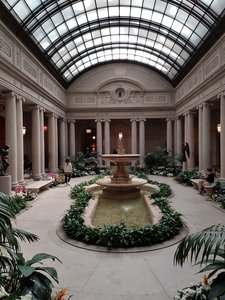
The Frick Collection, New YorkThe Frick Collection New York 1 Grapes with Insects on a Marble Top
Rijksmuseum, AmsterdamRijksmuseum Amsterdam 1 Flower Still-life with an Alabaster Vase
Noordbrabants Museum, 's-HertogenboschNoordbrabants Museum 's-Hertogenbosch 1 Des fleurs dans un vase en albâtre avec des fruits posés sur un plateau en marbre
Het Prinsenhof, DelftHet Prinsenhof Delft 1 Still Life with Fruit
Bowes Museum, Barnard CastleBowes Museum Barnard Castle 1 Flowers And Fruit
Fitzwilliam MuseumFitzwilliam Museum 1 A Vase Of Flowers
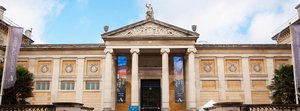
Ashmolean Museum, OxfordAshmolean Museum Oxford 1 Vase of Flowers

Gerard van Spaendonck, egy aláírott festmény évtizedenként

Művek évtizedenként

Váassz ki egy évtizedet, hogy megnézhesd az azt meghatározó eredetiműveket.

Gerard van Spaendonck festményei: a galéria válaszai

Melyik Gerard van Spaendonck festmény a leghíresebb?Fedje fel a választ

Miniature still life with flowers in a stone vase on a carved pedestal, with a basket of flowers and a nest. Ezt követi Grapes with Insects on a Marble Top (1791) és Flower Still-life with an Alabaster Vase (1783).

Melyek Gerard van Spaendonck top 10 festménye?Fedje fel a választ

Miniature still life with flowers in a stone vase on a carved pedestal, with a basket of flowers and a nest, Grapes with Insects on a Marble Top, Flower Still-life with an Alabaster Vase, Still-life With Flowers And Insects On Marble Plinth, Des fleurs dans un vase en albâtre avec des fruits posés sur un plateau en marbre, Still Life with Fruit, Tulip gardens, Flowers And Fruit, Bouquet és A Vase Of Flowers. A fenti rangsor a művek évszamarát és a múzeumát jelzi.

Hány műve született Gerard van Spaendonck nevére?Fedje fel a választ

Katalógusunkban 18 mű található Gerard van Spaendonck alkotótól, 1781 és 1820 év közötti időszakból.

Hol találhatóak Gerard van Spaendonck leghíresebb eredeti művei?Fedje fel a választ

Leginkább The Frick Collection (New York), Rijksmuseum (Amsterdam) és Noordbrabants Museum ('s-Hertogenbosch) található. A fenti múzeumi táblázatban mindegyik felsorolásra került.

Mikor festette Gerard van Spaendonck le leghíresebb műveit?Fedje fel a választ

1780s alatt: a jelen laphonon található 17 műből 2 készült ebben az időszakban, köztük Flower Still-life with an Alabaster Vase.

Melyek Gerard van Spaendonck legkorábbi és legutóbbi híres művei?Fedje fel a választ

Ezen az oldalon a leghitelesebb Des fleurs dans un vase en albâtre avec des fruits posés sur un plateau en marbre (1781), a legutóbbi pedig Still Life with Fruit (1820).

Mely témakörökkel foglaltaszkodott a legtöbbször Gerard van Spaendonck?Fedje fel a választ

Flowers (11), Vase (4) és Insects (3), a jelen oldalon található 17 műművészeti alkotás között.

Melyik technikával foglalt leginkább Gerard van Spaendonck?Fedje fel a választ

Oil, a jelen oldalon található 17 műből 3 darab esetén.

Mely művészeti irányhoz tartozik Gerard van Spaendonck?Fedje fel a választ

Rococo, ezen az oldalon található eredetiek alapján.

Gerard van Spaendonck: a művész

Gerard van Spaendonck: A Life in Bloom

Early Life and Education

  • Born: 1746 in Tilburg, Netherlands.
  • Van Spaendonck came from an artistic family; his younger brother, Cornelis van Spaendonck, also became a successful painter.
  • In the 1760s, he began his formal training with decorative painter Willem Jacob Herreyns (also known as Guillaume-Jacques Herreyns) in Antwerp. This early exposure shaped his meticulous attention to detail and refined technique.

Move to Paris and Royal Appointment

  • In 1769, Van Spaendonck relocated to Paris, a pivotal move that launched his international career.
  • 1774: He was appointed as a miniature painter at the court of Louis XVI, marking a significant step in his recognition and patronage.
  • This position allowed him access to aristocratic circles and further refined his skills in delicate floral depictions.

Professor at Jardin des Plantes & Académie Membership

  • 1780: Van Spaendonck succeeded Madeleine Françoise Basseporte as professor of floral painting at the prestigious Jardin des Plantes.
  • Shortly after, he was elected a member of the Académie des Beaux-Arts, solidifying his status within the French art establishment.
  • He became an influential teacher, mentoring notable artists like Pierre-Joseph Redouté and Henriette Vincent.

Artistic Style & Major Works

  • Van Spaendonck excelled in both oil painting and watercolor techniques.
  • He contributed over fifty works to Les Vélins du Roi, a renowned collection of botanical watercolors commissioned by the French royal family. These pieces demonstrate his exceptional skill in capturing the nuances of floral forms.
  • Fleurs Dessinees d'apres Nature (Flowers Drawn from Life): Published between 1799 and 1801, this series of twenty-four engraved plates served as a valuable resource for students of floral painting. It remains a highly treasured book on the subject today.
  • His paintings often feature intricate details of flowers alongside insects, adding another layer of naturalism to his compositions.

Recognition and Legacy

  • 1788: Appointed as an advisor to the Académie.
  • 1795: Became a founding member of the Institut de France.
  • 1804: Received the Légion d'honneur and was ennobled by Napoleon Bonaparte, acknowledging his contributions to French art and culture.
  • Van Spaendonck died in Paris in 1822 and is buried in Père Lachaise Cemetery.
  • Historical Significance: Gerard van Spaendonck’s meticulous botanical illustrations and refined floral paintings played a crucial role in the development of botanical art. His work bridged the gap between scientific accuracy and artistic beauty, influencing generations of artists and botanists alike.