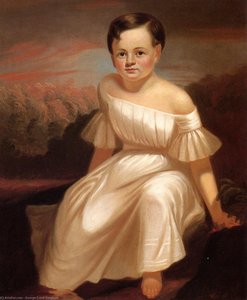
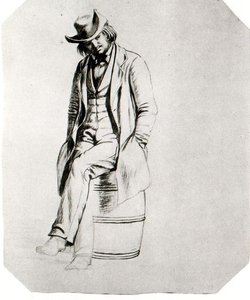
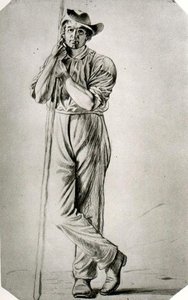
Bingham George Caleb portréja

A 100 legnevezesebb Bingham George Caleb festmény, egy galériaválaszték

Frissítve: november 2026 · rangsorolva népszerűségi pontszámunk alapján (minden mű keresései, látogatásai és megrendelései alapján) · 189 mű Bingham George Caleb alkotása a katalógusunkban

Röviden

Bingham George Caleb hagyatékából a leghíresebb alkotás The Squatters (1850), amely a Boston városi Művészeti Múzeum, Boston gyűjteményében található. Röviddel ezután követik őket Country Politician (1849) és Trappers' Return (1851). Katalógusunkban 189 mű található Bingham George Caleb alkotótól; a galéria megőrizte a világ által leginkább csodált 100 darabot, melyeket a dátummal, a múzeummal és a történetükkel együtt mutatunk be.

1811 – 1879, Utrecht American realism A legtöbb mű: Saint Louis Art Museum

Bingham George Caleb legjobb 10 festménye: a galéria válogatása

1
The Squatters (1850) (1889) -ja Bingham George Caleb

The Squatters

1850 · Oil On Canvas · Művészeti Múzeum, Boston, Boston

To gaze upon "The Squatters" is to be transported across time, standing at the threshold of a bygone American era. This painting captures more than just a scene; it encapsulates an entire ethos—the raw, tenacious spirit of early settlement in the vast American West during the mid-nineteenth century. The composition centers on two figures and their loyal dog, positioned before a humble, roughly constructed log cabin. It is a tableau…

2
Country Politician (1849) (1889) -ja Bingham George Caleb

Country Politician

1849 · Oil On Canvas · Fine Arts Museums of San Francisco, San Francisco

Step closer and observe the quiet intensity within this dimly lit interior. We find ourselves in a rural Missouri tavern, a space where the air feels heavy with the weight of local discourse. The scene is centered upon a small group of men, their faces illuminated by a soft, diffused light that seems to emanate from a nearby stove. One man, likely a politician, leans forward in an attempt to…

3
Trappers' Return (1851) (1889) -ja Bingham George Caleb

Trappers' Return

1851 · Oil On Canvas · Detroit Institute of Arts, Detroit

In the quietude of George Caleb Bingham’s 1851 masterpiece, Trappers' Return, we are transported to the untamed heart of the nineteenth-century American Midwest. This evocative oil on canvas serves as a profound window into the era of westward expansion, capturing a moment of serene triumph along the winding Missouri River. The scene centers upon two rugged men navigating a canoe through the gentle currents, their journey marked by the presence…

5
Washington Crossing the Delaware (1889) -ja Bingham George Caleb

Washington Crossing the Delaware

Acrylic On Canvas · Chrysler Museum of Art, Norfolk

Bingham’s background profoundly shaped his artistic vision. Born in Augusta County, Virginia, he witnessed firsthand the challenges and opportunities presented by westward expansion – a theme that permeates much of his work. This experience instilled within him an understanding of the American spirit: resilience, determination, and a belief in self-governance. Washington himself becomes more than just a military commander; he transforms into an archetype of American virtue, representing the values…

6
John Quincy Adams (1850) (1889) -ja Bingham George Caleb

John Quincy Adams

1850 · Oil · Detroit Institute of Arts, Detroit

This bust-length oil portrait is organized around a central subject who faces slightly toward the viewer's left. The composition is formal and somber, focusing the viewer's attention on the facial features and the character of the elderly man. A chiaroscuro-like lighting technique is employed, where light falls directly onto the subject's forehead, cheek, and collar. This directional light creates a sense of three-dimensional volume against the surrounding shadows. The background…

7
Old Woman Reading (1834) (1889) -ja Bingham George Caleb

Old Woman Reading

1834 · Oil On Canvas · Rijksmuseum, Amsterdam

The room is dim, held in a soft, amber-hued stillness that seems to swallow the sounds of the outside world. An elderly woman sits at the center of this private universe, her body forming a steady, triangular shape that anchors the composition. She is lost in the pages of a large book, her gaze fixed upon the text with a focus that suggests a deep, internal dialogue. A single, unseen…

8
Night School (1835) (1889) -ja Bingham George Caleb

Night School

1835 · Oil · Rijksmuseum, Amsterdam

In this 1835 oil painting, we find ourselves drawn into a nocturnal classroom, a space defined by the heavy presence of shadow and the soft, localized glow of candlelight. The composition relies heavily on a chiaroscuro technique, where the darkness of the room is interrupted by the warm, directional light emanating from a central shaded lamp and small candles. This light directs our attention toward the figures at the heart…

10
Old Man in his Study (1833) (1889) -ja Bingham George Caleb

Old Man in his Study

1833 · Oil · Rijksmuseum, Amsterdam

A Moment of Quiet Contemplation Old Man in his Study presents us with an intimate glimpse into a private world. The scene is centered on an elderly man, seated and lost in deep thought or perhaps succumbing to the weight of fatigue. He sits within a dimly lit room, where heavy, dark drapery frames the right and top edges of the composition, creating a sense of enclosure that pulls the…

A Bingham George Caleb válogatás folytatódik: 11 – 100

11Mrs. Henry Lewis (Elizabeth Morton Woodson) (1838) (1889) -ja Bingham George CalebMrs. Henry Lewis (Elizabeth Morton Woodson)1838 · Saint Louis Art Museum 12Shooting for the Beef (1850) (1889) -ja Bingham George CalebShooting for the Beef1850 · Brooklyn Museum 13The Student (Dr. Oscar Fitzland Potter) (1848) (1889) -ja Bingham George CalebThe Student (Dr. Oscar Fitzland Potter)1848 · Saint Louis Art Museum 14Fiddler (study for the Jolly Flatboatmen) (1846) (1889) -ja Bingham George CalebFiddler (study for the Jolly Flatboatmen)1846 · The Nelson-Atkins Museum of Art 15Study of a Boatman for Boatmen on the Missouri (1889) -ja Bingham George CalebStudy of a Boatman for Boatmen on the Missouri 16Judge Henry Lewis (1838) (1889) -ja Bingham George CalebJudge Henry Lewis1838 · Saint Louis Art Museum 17Deer in a Stormy Landscape (1852) (1889) -ja Bingham George CalebDeer in a Stormy Landscape1852 18Order No. 11 (1868) (1889) -ja Bingham George CalebOrder No. 111868 19The Checker Players (also known as Playing Checkers) (1850) (1889) -ja Bingham George CalebThe Checker Players (also known as Playing Checkers)1850 · Detroit Institute of Arts 20Rachel Spears Johnston (1786-1850) (1837) (1889) -ja Bingham George CalebRachel Spears Johnston (1786-1850)1837 · Minneapolis Institute of Art 21Dr. John Sappington (1834) (1889) -ja Bingham George CalebDr. John Sappington1834 22Major James Sidney Rollins (1834) (1889) -ja Bingham George CalebMajor James Sidney Rollins1834 23Miss Sallie Ann Camden (1839) (1889) -ja Bingham George CalebMiss Sallie Ann Camden1839 24Landscape with Waterwheel and Boy Fishing (1853) (1889) -ja Bingham George CalebLandscape with Waterwheel and Boy Fishing1853 · Művészeti Múzeum, Boston 25Captain William Johnston (1776-1850) (1850) (1889) -ja Bingham George CalebCaptain William Johnston (1776-1850)1850 · Minneapolis Institute of Art 26Portrait of Reverend John Glanville (1845) (1889) -ja Bingham George CalebPortrait of Reverend John Glanville1845 27Lighter Relieving the Steamboat Aground (1846) (1889) -ja Bingham George CalebLighter Relieving the Steamboat Aground1846 28Family Life on the Frontier (1845) (1889) -ja Bingham George CalebFamily Life on the Frontier1845 29John Locke Hardeman (1850) (1889) -ja Bingham George CalebJohn Locke Hardeman1850 30Portrait of Mrs. George Caleb Bingham (nee. Eliza K. Thomas) (1849) (1889) -ja Bingham George CalebPortrait of Mrs. George Caleb Bingham (nee. Eliza K. Thomas)1849 31The Verdict of the People (1854) (1889) -ja Bingham George CalebThe Verdict of the People1854 32Mississippi Boatman (1850) (1889) -ja Bingham George CalebMississippi Boatman1850 33The Wood Boat (1850) (1889) -ja Bingham George CalebThe Wood Boat1850 · Saint Louis Art Museum 34Jolly Flatboatmen in Port (1857) (1889) -ja Bingham George CalebJolly Flatboatmen in Port1857 · Saint Louis Art Museum 35Washington Crossing the Deleware (1856) (1889) -ja Bingham George CalebWashington Crossing the Deleware1856 36Jolly Flatboatmen in Port (1857) (1889) -ja Bingham George CalebJolly Flatboatmen in Port1857 37Mary Frances Ward (1871) (1889) -ja Bingham George CalebMary Frances Ward1871 · The Nelson-Atkins Museum of Art 38The Puzzled Witness (1874) (1889) -ja Bingham George CalebThe Puzzled Witness1874 39View of Pike's Peak (1872) (1889) -ja Bingham George CalebView of Pike's Peak1872 · Amon Carter Museum of American Art 40Self Portrait (1877) (1889) -ja Bingham George CalebSelf Portrait1877 · Nelson-Atkins Múzeum 41Samuel Bullitt Churchill (1838) (1889) -ja Bingham George CalebSamuel Bullitt Churchill1838 42Self Portrait (1834) (1889) -ja Bingham George CalebSelf Portrait1834 · Saint Louis Art Museum 43Cottage Scene (1845) (1889) -ja Bingham George CalebCottage Scene1845 · National Gallery of Art 44Raftsmen Playing Cards (1847) (1889) -ja Bingham George CalebRaftsmen Playing Cards1847 45Marketstall at Evening (1889) -ja Bingham George CalebMarketstall at EveningMuseum Boijmans Van Beuningen 46Wood-Boatmen on a River (1854) (1889) -ja Bingham George CalebWood-Boatmen on a River1854 · Amon Carter Museum of American Art 47Raftsmen Playing Card (1889) -ja Bingham George CalebRaftsmen Playing CardSaint Louis Art Museum 48Canvassing for a Vote (1851) (1889) -ja Bingham George CalebCanvassing for a Vote1851 · Nelson-Atkins Múzeum 49Jane Breathitt Sappington (also known as Mrs. John Sappington) (1834) (1889) -ja Bingham George CalebJane Breathitt Sappington (also known as Mrs. John Sappington)1834 50Mrs. David Steele Lamme and Son, William Wirt (1837) (1889) -ja Bingham George CalebMrs. David Steele Lamme and Son, William Wirt1837 51Leonidas Wetmore (1839) (1889) -ja Bingham George CalebLeonidas Wetmore1839 52Landscape with Cattle (1846) (1889) -ja Bingham George CalebLandscape with Cattle1846 · Saint Louis Art Museum 53part of a forest with figures (1846) (1889) -ja Bingham George Calebpart of a forest with figures1846 54The Jolly Flatboatmen (1846) (1889) -ja Bingham George CalebThe Jolly Flatboatmen1846 55Mrs. George Caleb Bingham (Sarah Elizabeth Hutchinson) and Son Newton (1842) (1889) -ja Bingham George CalebMrs. George Caleb Bingham (Sarah Elizabeth Hutchinson) and Son Newton1842 56Landscape with Cattle (1846) (1889) -ja Bingham George CalebLandscape with Cattle1846 57Landscape: Rural Scene (1845) (1889) -ja Bingham George CalebLandscape: Rural Scene1845 58Captured by Indians (1848) (1889) -ja Bingham George CalebCaptured by Indians1848 · Saint Louis Art Museum 59The Dull Story (1843) (1889) -ja Bingham George CalebThe Dull Story1843 · Saint Louis Art Museum 60The Concealed Enemy (1845) (1889) -ja Bingham George CalebThe Concealed Enemy1845 61Market By Moonlight (1850) (1889) -ja Bingham George CalebMarket By Moonlight1850 · Centraal Museum 62Mississippi Boatman (1850) (1889) -ja Bingham George CalebMississippi Boatman1850 · National Gallery of Art 63Sarah (Sallie) thomas (1850) (1889) -ja Bingham George CalebSarah (Sallie) thomas1850 64Stump Speaking (1853) (1889) -ja Bingham George CalebStump Speaking1853 · Saint Louis Art Museum 65The County Election (no.2) (1852) (1889) -ja Bingham George CalebThe County Election (no.2)1852 66Watching the Cargo (1849) (1889) -ja Bingham George CalebWatching the Cargo1849 67In a Quandry (also known as Mississippi Raftsmen Playing Cards) (1851) (1889) -ja Bingham George CalebIn a Quandry (also known as Mississippi Raftsmen Playing Cards)1851 68Watching the Cargo at Night (also known as Raftsmen at Night) (1854) (1889) -ja Bingham George CalebWatching the Cargo at Night (also known as Raftsmen at Night)1854 69Portrait of a Woman with a Red Broach (1849) (1889) -ja Bingham George CalebPortrait of a Woman with a Red Broach1849 70In a Quandary, or Mississippi Raftsmen at Cards (1851) (1889) -ja Bingham George CalebIn a Quandary, or Mississippi Raftsmen at Cards1851 71The Emigration of Daniel Boone (1851) (1889) -ja Bingham George CalebThe Emigration of Daniel Boone1851 72Mrs. Robert Levi Todd (Sallie Woodson Hall) and Daughter Matilda Téte (1860) (1889) -ja Bingham George CalebMrs. Robert Levi Todd (Sallie Woodson Hall) and Daughter Matilda Téte1860 73Still Life With Jewelry Box (1867) (1889) -ja Bingham George CalebStill Life With Jewelry Box1867 · Centraal Museum 74Martial Law (also known as Order No. 11) (1869) (1889) -ja Bingham George CalebMartial Law (also known as Order No. 11)1869 75The Jolly Flatboatmen (2nd version) (1877) (1889) -ja Bingham George CalebThe Jolly Flatboatmen (2nd version)1877 76Study of a Figure 41 (1889) -ja Bingham George CalebStudy of a Figure 41 77Studies of Figures (1889) -ja Bingham George CalebStudies of Figures 78Study of a Figure 33 (1889) -ja Bingham George CalebStudy of a Figure 33 79Study of a Figure 44 (1889) -ja Bingham George CalebStudy of a Figure 44 80Study of a Figure 42 (1889) -ja Bingham George CalebStudy of a Figure 42 81Study of a Boatman 2 (1889) -ja Bingham George CalebStudy of a Boatman 2 82Study of a Boatman 3 (1889) -ja Bingham George CalebStudy of a Boatman 3 83Study of a Flatboatman (1889) -ja Bingham George CalebStudy of a Flatboatman 84Study of a Figure 34 (1889) -ja Bingham George CalebStudy of a Figure 34 85Study of a Figure 49 (1889) -ja Bingham George CalebStudy of a Figure 49 86Study of a Figure 20 (1889) -ja Bingham George CalebStudy of a Figure 20 87Study of a Boatman 1 (1889) -ja Bingham George CalebStudy of a Boatman 1 88Study of a Figure for Stump Speaking (1889) -ja Bingham George CalebStudy of a Figure for Stump Speaking 89Study of a Boatman for Boatmen on the Missouri 1 (1889) -ja Bingham George CalebStudy of a Boatman for Boatmen on the Missouri 1 90Study of a Figure 11 (1889) -ja Bingham George CalebStudy of a Figure 11 91Study of a Young Spectator (1889) -ja Bingham George CalebStudy of a Young Spectator 92Study of a Fiddler (1889) -ja Bingham George CalebStudy of a Fiddler 93Study of a Woodboatman 1 (1889) -ja Bingham George CalebStudy of a Woodboatman 1 94Study of a Figure 46 (1889) -ja Bingham George CalebStudy of a Figure 46 95Study of a Figure 37 (1889) -ja Bingham George CalebStudy of a Figure 37 96Study of a Pioneer (1889) -ja Bingham George CalebStudy of a Pioneer 97Study of a Figure 30 (1889) -ja Bingham George CalebStudy of a Figure 30 98Study of a Figure 6 (1889) -ja Bingham George CalebStudy of a Figure 6 99Study of a Figure 17 (1889) -ja Bingham George CalebStudy of a Figure 17 100Study of a Figure 13 (1889) -ja Bingham George CalebStudy of a Figure 13

Bingham George Caleb híres festményei, korszakonként

A témák, amelyek Bingham George Caleb figyelmét meghúzták

A négy leggyakorobban előforduló téma ebben az eredeti művekben, mindegyik a legkiválóbb példájával.

A műemlékek, amelyek Bingham George Caleb eredeti műveit őrzik

A 8 olyan múzeum, amely a legtöbb ezen az oldalon szereplő festményet őrzi.

Múzeum Város Bingham George Caleb művei Ebből a listából származó festmények
Saint Louis Art Museum, Saint LouisSaint Louis Art Museum Saint Louis 15 Mrs. Henry Lewis (Elizabeth Morton Woodson), The Student (Dr. Oscar Fitzland Potter), Judge Henry Lewis
Detroit Institute of Arts, DetroitDetroit Institute of Arts Detroit 4 Trappers' Return, John Quincy Adams, The Checker Players (also known as Playing Checkers)
Rijksmuseum, AmsterdamRijksmuseum Amsterdam 3 Old Woman Reading, Night School, Old Man in his Study
Amon Carter Museum of American Art, Fort WorthAmon Carter Museum of American Art Fort Worth 3 View of Pike's Peak, Wood-Boatmen on a River
Nelson-Atkins Múzeum, Kansas CityNelson-Atkins Múzeum Kansas City 3 Self Portrait, Canvassing for a Vote
National Gallery of Art, WashingtonNational Gallery of Art Washington 3 Cottage Scene, Mississippi Boatman
Művészeti Múzeum, Boston, BostonMűvészeti Múzeum, Boston Boston 2 The Squatters, Landscape with Waterwheel and Boy Fishing
The Nelson-Atkins Museum of Art, Kansas CityThe Nelson-Atkins Museum of Art Kansas City 2 Fiddler (study for the Jolly Flatboatmen), Mary Frances Ward

Bingham George Caleb évtizede folgtva: az eredeti művek, amelyek meghatározzák az egyes korzakot

Művek évtizedenként

Váassz ki egy évtizedet, hogy megnézhesd az azt meghatározó eredetiműveket.

Gyűjtői kérdések Bingham George Caleb festményeivel kapcsolatban

Melyik művel a(z) Bingham George Caleb a leghíresebb?Fedje fel a választ

The Squatters (1850), Művészeti Múzeum, Boston, Boston. Ezután Country Politician (1849) és Trappers' Return (1851) következik.

Hány éves volt Bingham George Caleb, amikor a The Squatters készült?Fedje fel a választ

39 éves: The Squatters 1850-ből származik, Bingham George Caleb pedig 1811-ben született.

Melyek a tíz leghíresebb Bingham George Caleb festmény?Fedje fel a választ

The Squatters, Country Politician, Trappers' Return, The Mill Boy: The Boonville Juvenile Clay Club Banner, Washington Crossing the Delaware, John Quincy Adams, Old Woman Reading, Night School, George Caleb Bingham Self-Portrait és Old Man in his Study. A fenti rangsor a művek évszamarát és a múzeumát jelzi.

Hány festményet hagyott hátra Bingham George Caleb?Fedje fel a választ

Katalógusunkban 189 mű található Bingham George Caleb alkotótól, 1833 és 1877 év közötti időszakból.

Mely múzeumokban állnak Bingham George Caleb remekművei?Fedje fel a választ

Leginkább Saint Louis Art Museum (Saint Louis), Detroit Institute of Arts (Detroit) és Rijksmuseum (Amsterdam) található. A fenti múzeumi táblázatban mindegyik felsorolásra került.

Mely években festette Bingham George Caleb leghíresebb műveit?Fedje fel a választ

1850s alatt: a jelen laphonon található 100 műből 27 készült ebben az időszakban, köztük The Squatters.

Mikszétek az első és az utolsó híres eredeti műve a(z) Bingham George Caleb alkotótól?Fedje fel a választ

Ezen az oldalon a leghitelesebb Old Man in his Study (1833), a legutóbbi pedig Self Portrait (1877).

Milyen témaköröket választott leggyakrabban Bingham George Caleb?Fedje fel a választ

Portrait (16), Man (15) és 19th century (11), a jelen oldalon található 100 műművészeti alkotás között.

Melyik technikát alkalmazta leggyakrabban Bingham George Caleb?Fedje fel a választ

Oil On Canvas, a jelen oldalon található 100 műből 36 darab esetén.

Mely művészeti irányba tartozik Bingham George Caleb?Fedje fel a választ

American realism, ezen az oldalon található eredetiek alapján.

Mely Bingham George Caleb művei láthatóak a Saint Louis Art Museum kiállتításán?Fedje fel a választ

Mrs. Henry Lewis (Elizabeth Morton Woodson), The Student (Dr. Oscar Fitzland Potter) és Judge Henry Lewis: a Saint Louis Art Museum, Saint Louis 11 művet őrzi ezen az oldalon.

Bingham George Caleb: életmű és életút

A Life Painted on the American Frontier

George Caleb Bingham, born in 1811 amidst the rolling landscapes of Virginia, wasn’t destined for a life steeped in artistic convention. His early years were marked by movement and adaptation, a family relocation to the burgeoning Missouri frontier shaping his perspective in profound ways. This shift from the established East to the raw energy of the West became the very bedrock of his artistic vision. The hardships faced by his family instilled within him an acute awareness of the struggles and triumphs inherent in the American experience – themes that would dominate his canvases for decades to come. A pivotal encounter at age nine with Chester Harding, a traveling portraitist passing through Franklin, Missouri, ignited a spark. This brief exposure wasn’t merely an introduction to technique; it was a revelation of art's power to capture not just likeness but the very essence of human character. Though largely self-taught initially, Bingham honed his skills through apprenticeships with cabinet makers, learning meticulous draftsmanship and an eye for detail – qualities that would become hallmarks of his mature style. By nineteen, he was already earning a living as a portrait painter, demonstrating an innate talent that quickly established him within the local community. This early success propelled him towards St. Louis, a vibrant hub where he sought to refine his skills and immerse himself in a growing artistic milieu.

The Luminist Touch and American Realism

Bingham’s artistic journey wasn't confined by formal training; it was deeply interwoven with the world around him – the majestic Mississippi and Missouri Rivers, the bustling river towns teeming with life, and the diverse individuals who navigated this dynamic landscape. He became a keen observer of American society, particularly along these vital waterways that served as arteries of commerce and migration. His style gradually evolved, embracing elements of Luminism, an artistic movement characterized by its emphasis on atmospheric effects and the subtle interplay of light. This is strikingly evident in works like Order at the Border (1850), where the golden hues of the setting sun illuminate a tense negotiation between settlers and Native Americans, imbuing the scene with both beauty and underlying tension. However, Bingham wasn’t simply a Luminist painter; he infused his work with a powerful dose of realism, striving to depict American life with unflinching honesty and authenticity. The County Election (1844) stands as perhaps his most iconic representation of this approach – a vibrant tableau capturing the boisterous energy and democratic spirit of frontier politics. The painting isn’t merely a depiction of an event; it's a social commentary, offering insights into the values, anxieties, and aspirations of 19th-century Americans. His ability to capture the essence of American culture is also powerfully displayed in St. Louis Jockey, on the Battlefield (1862), a poignant reflection on the Civil War’s impact on everyday life, revealing the subtle scars left upon the nation's psyche.

Themes of Frontier Life and Social Commentary

Throughout his career, Bingham consistently returned to themes central to the American experience: westward expansion, political participation, the rhythms of river life, and the complexities of human interaction. He wasn’t afraid to tackle difficult subjects, often embedding subtle social commentary within seemingly straightforward depictions of everyday scenes. His paintings weren't simply aesthetically pleasing; they were narratives, offering glimpses into the moral and ethical dilemmas facing a young nation grappling with its identity. Consider Raftsmen Playing Cards, or The Checker Players, both capturing moments of leisure but also hinting at the hardships and uncertainties faced by those who worked the rivers. These works demonstrate Bingham’s skill in imbuing seemingly mundane activities with a sense of depth and significance. He wasn't interested in idealizing the frontier; he sought to portray it as it was – a place of opportunity, hardship, and constant change. His paintings offer a valuable historical record, providing insights into the social customs, political attitudes, and daily lives of Americans during a pivotal period in their history. Family Life on the Frontier (1845) exemplifies this approach, offering a tender yet realistic portrayal of domesticity amidst the challenges of pioneer existence.

The Influence of Missouri and His Artistic Style

Bingham’s connection to Missouri was profound, shaping not only his subject matter but also the distinctive qualities of his artistic style. The vastness of the landscape, the bustling river towns, and the diverse population all contributed to his unique vision. He meticulously observed the details of frontier life – the clothing, the tools, the architecture – rendering them with remarkable accuracy and sensitivity. His use of color was particularly noteworthy, employing a rich palette of earthy tones and vibrant hues to capture the light and atmosphere of the Missouri River region. His compositions were often dynamic and asymmetrical, reflecting the energy and movement of the frontier. He wasn’t afraid to experiment with perspective and scale, creating paintings that felt both intimate and expansive. The influence of Chester Harding, who first introduced him to the world of art, is also evident in his early work, particularly in his portraiture. However, Bingham quickly developed his own distinctive style, blending elements of Luminism with a strong sense of realism and narrative storytelling.

Rediscovery and Lasting Legacy

Despite his prominence during his lifetime, Bingham’s work experienced a period of relative obscurity following his death in 1879. It wasn't until the 1930s that a renewed interest in his art emerged, fueled by a growing appreciation for American Regionalism and Realism. This rediscovery led to a reevaluation of his contributions to American art history, recognizing him as a master of both Luminist technique and social commentary. By the time of his bicentennial in 2011, George Caleb Bingham had firmly established himself as one of the greatest American painters of the 19th century. His influence continues to resonate today, inspiring artists who seek to capture the beauty and complexity of the American landscape and its people. His legacy extends beyond his individual paintings; he helped define a distinctly American artistic voice, one that celebrated the nation’s unique character and confronted its challenges with honesty and insight.
  • Canvassing for a Vote: A powerful depiction of political engagement on the frontier.
  • Order No. 11: Illustrates the complexities of interactions between settlers and Native Americans.
  • Lighter Relieving the Steamboat Aground: Captures a moment of rural American life with stunning detail.