François Boucher portréja

A 100 legnevezesebb François Boucher festmény, egy galériaválaszték

Frissítve: november 2026 · rangsorolva népszerűségi pontszámunk alapján (minden mű keresései, látogatásai és megrendelései alapján) · 377 mű François Boucher alkotása a katalógusunkban

Röviden

François Boucher hagyatékából a leghíresebb alkotás Diana a fürdőből kibiálva (1742). Röviddel ezután követik őket Bouguereau: Az angyalok dala és Madame de Pompadour (Jeanne-Antoinette Poisson, 1721 - 1764) (1758). Katalógusunkban 377 mű található François Boucher alkotótól; a galéria megőrizte a világ által leginkább csodált 100 darabot, melyeket a dátummal, a múzeummal és a történetükkel együtt mutatunk be.

1703 – 1770, Párizs Rococo elegance A legtöbb mű: Hermitaeus-múzeum

François Boucher legjobb 10 festménye: a galéria válogatása

1
Diana a fürdőből kibiálva (1742) (1889) -ja François Boucher

Diana a fürdőből kibiálva

1742 · Olajfestmény vászonon

François Boucher created Diana getting out of her bath in 1742. The work centers on the Roman goddess Diana, portrayed in a state of nudity. She is situated within a dense forest setting, a natural environment that provides the backdrop for her emergence from the water.

2
Bouguereau: Az angyalok dala (1889) -ja François Boucher

Bouguereau: Az angyalok dala

Olajfestmény vászonon

A levegő ebben a 18. századi francia Rococo jelenetben egy láthatatlan dallam vibrál. A kompozíció középpontjában Mária csendes devóciója és a szent gyermek, Jézus adja meg az egyensúlyt. Körülöttük égi lények koraus kórusát láthatjuk, akik gyűlőnek össze a fellépésre. Egy angyal a bal oldalon pihen, egy másik a középpontot foglalja el, míg két további a jobb oldalt kereti. Lyraokat, flútákat és szonókat tartanak a kezükben, mozgásuk pontos és kegyes. A…

3
Madame de Pompadour (Jeanne-Antoinette Poisson, 1721 - 1764) (1758) (1889) -ja François Boucher

Madame de Pompadour (Jeanne-Antoinette Poisson, 1721 - 1764)

1758 · Oil On Canvas · Scottish National Gallery, Edinburgh

To gaze upon this portrait of Madame de Pompadour is to step directly into the gilded salons of 18th-century France, a world steeped in exquisite taste and whispered intrigue. Painted around 1758 by the master hand of François Boucher, this work transcends mere likeness; it captures an ephemeral moment of cultivated grace. The subject, Jeanne-Antoinette Poisson, is presented not just as a woman of high standing, but as an embodiment…

4
Madame Bergeret (1766) (1889) -ja François Boucher

Madame Bergeret

1766 · Oil On Canvas · National Gallery of Art, Washington

François Boucher’s “Madame Bergeret,” completed in 1766, stands as a quintessential exemplar of Rococo artistry—a style synonymous with aristocratic refinement and sensual beauty. More than just a depiction of a woman, it's an immersive experience into the opulent aesthetic sensibilities of Louis XV’s court, capturing not merely likeness but also an idealized vision of feminine grace.

5
The Interrupted Sleep (1750) (1889) -ja François Boucher

The Interrupted Sleep

1750 · Olajfestmény vászonon · Metropolitan Művészeti Múzeum, New York

In the heart of the French Rococo era, few works capture the ephemeral magic of a summer afternoon as tenderly as François Boucher’s The Interrupted Sleep. Created in 1750, this masterpiece serves as a window into an idealized world where the rigors of reality are replaced by a soft, melodic dreamscape. The painting invites the viewer to step into a lush, sun-drenched woodland, where the boundaries between music, nature, and…

6
The Setting of the Sun (1889) -ja François Boucher

The Setting of the Sun

Oil On Canvas

In the luminous realm of 18th-century French artistry, few works capture the ephemeral magic of twilight as profoundly as François Boucher’s The Setting of the Sun. This masterpiece serves as a breathtaking window into the Rococo era, an age defined by its pursuit of elegance, pleasure, and a certain dreamlike sensuality. As the sun descends, the canvas erupts into a dramatic and opulent spectacle, where the boundaries between the earthly…

7
Pastoral Scene (1745) (1889) -ja François Boucher

Pastoral Scene

François Boucher’s “Pastoral Scene,” painted in 1745, isn't merely a depiction of a rural landscape; it’s a carefully constructed invitation into an idealized world—a sanctuary of innocence and leisure nestled within the heart of France. The painting immediately draws the viewer in with its soft palette of browns, beiges, and muted greens, evoking a sense of gentle warmth and timeless serenity. Two young figures – a boy and girl –…

8
Venus at Vulcan (1769) (1889) -ja François Boucher

Venus at Vulcan

1769 · Oil On Canvas · Kimbell Art Museum, Fort Worth

François Boucher’s “Venus at Vulcan’s Forge,” painted in 1769, isn't merely a depiction of mythological figures; it’s a vibrant embodiment of reconciliation and the potent dance between opposing forces. Rooted firmly within the opulent Rococo style that defined late 18th-century France, the painting transports us to a dramatic tableau inspired by Virgil’s *Aeneid*. Here, Venus, goddess of love and beauty, and Vulcan, god of fire and craftsmanship, find themselves caught…

9
The Toilette (1742) (1889) -ja François Boucher

The Toilette

1742 · Oil On Canvas · Thyssen-Bornemisza Múzeum, Madrid

In the soft, luminous atmosphere of François Boucher’s 1742 masterpiece, La Toilette, we are invited to step into a world of refined grace and quiet domesticity. This exquisite oil on canvas serves as a quintessential window into the Rococo era—a period defined by its celebration of pleasure, light, and the delicate nuances of everyday life. The scene unfolds within a richly appointed room, where the warmth of a fireplace anchors…

10
Boreas Abducting Oreithyia (1769) (1889) -ja François Boucher

Boreas Abducting Oreithyia

1769 · Oil On Canvas · Kimbell Art Museum, Fort Worth

François Boucher’s “Boreas Abducting Oreithyia,” completed in 1769, is a captivating distillation of classical mythology rendered with the characteristic exuberance and sensual grace that defined the Rococo style. This painting, measuring an impressive 273 x 205 cm, transports us to a moment of violent disruption – a dramatic retelling of Ovid’s tale from the *Metamorphoses*, where the icy North Wind god, Boreas, forcibly claims the Athenian princess Oreithyia.

A François Boucher válogatás folytatódik: 11 – 100

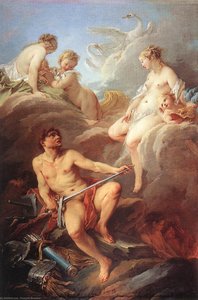
11Juno Asking Aeolus to Release the Winds (1769) (1889) -ja François BoucherJuno Asking Aeolus to Release the Winds1769 · Kimbell Art Museum 12Study for The Bath of Venus (1751) (1889) -ja François BoucherStudy for The Bath of Venus1751 · Hermitaeus-múzeum 13Painter in his Studio (1889) -ja François BoucherPainter in his StudioLouvre Múzeum 14The Setting of the Sun (1752) (1889) -ja François BoucherThe Setting of the Sun1752 · Wallace Collection 15Young Woman Sleeping (1760) (1889) -ja François BoucherYoung Woman Sleeping1760 · Hermitaeus-múzeum 16The Forest (1740) (1889) -ja François BoucherThe Forest1740 · Louvre Múzeum 17Vertumnus and Pomona (1889) -ja François BoucherVertumnus and PomonaBavári Állami Festırménygyűjtemények 18Madame de Pompadour (1754) (1889) -ja François BoucherMadame de Pompadour1754 · National Gallery of Victoria 19Mill at Charenton (1758) (1889) -ja François BoucherMill at Charenton1758 · Toledo Művészeti Múzeum 20Madame de Pompadour (1758) (1889) -ja François BoucherMadame de Pompadour1758 · Victoria and Albert Museum 21Young Country Girl Dancing (1770) (1889) -ja François BoucherYoung Country Girl Dancing1770 · Art Gallery of Ontario 22Blond Odalisque (L'Odalisque Blonde) (1752) (1889) -ja François BoucherBlond Odalisque (L'Odalisque Blonde)1752 · Alte Pinakothek 23The Mill (1751) (1889) -ja François BoucherThe Mill1751 · Louvre Múzeum 24The Afternoon Meal (1739) (1889) -ja François BoucherThe Afternoon Meal1739 · Louvre Múzeum 25Imaginary Landscape with the Palatine Hill from Campo Vaccino (1730) (1889) -ja François BoucherImaginary Landscape with the Palatine Hill from Campo Vaccino1730 · Metropolitan Művészeti Múzeum 26Pastorale (1760) (1889) -ja François BoucherPastorale1760 · Staatliche Kunsthalle Karlsruhe 27Vertumnus and Pomona (1757) (1889) -ja François BoucherVertumnus and Pomona1757 · Fine Arts Museums of San Francisco 28Death of Meleager (1727) (1889) -ja François BoucherDeath of Meleager1727 · Los Angeles County Museum of Art 29Venus in the Workshop of Vulcan (1757) (1889) -ja François BoucherVenus in the Workshop of Vulcan1757 · Yale University Art Gallery 30Standing Nude Girl (1889) -ja François BoucherStanding Nude GirlAlbertina 31Arcadian Nymphs Making Music (1770) (1889) -ja François BoucherArcadian Nymphs Making Music1770 · Victoria and Albert Museum 32Triumph of Venus (1889) -ja François BoucherTriumph of VenusHermitaeus-múzeum 33Landscape with a Pond (1746) (1889) -ja François BoucherLandscape with a Pond1746 · Hermitaeus-múzeum 34Washerwomen (1768) (1889) -ja François BoucherWasherwomen1768 · Metropolitan Művészeti Múzeum 35The Billet-Doux (1889) -ja François BoucherThe Billet-Doux 36Venus and Mercury Instructing Cupid (1738) (1889) -ja François BoucherVenus and Mercury Instructing Cupid1738 · Los Angeles County Museum of Art 37Monument to Mignard (1735) (1889) -ja François BoucherMonument to Mignard1735 · Los Angeles County Museum of Art 38Venus Demanding Arms from Vulcan for Aeneas (1732) (1889) -ja François BoucherVenus Demanding Arms from Vulcan for Aeneas1732 · Louvre Múzeum 39Young Girl and Eros (1750) (1889) -ja François BoucherYoung Girl and Eros1750 · Detroit Institute of Arts 40The Rising of the Sun (1750) (1889) -ja François BoucherThe Rising of the Sun1750 · Plantin-Moretus Múzeum 41Hercules and Omphale (1735) (1889) -ja François BoucherHercules and Omphale1735 · Pushkin állami művészeti múzeum 42Project for a Cartouche: An Allegory of Minerva, Fame, History and Faith Overcoming Ignorance and Time (1727) (1889) -ja François BoucherProject for a Cartouche: An Allegory of Minerva, Fame, History and Faith Overcoming Ignorance and Time1727 · Los Angeles County Museum of Art 43A young lady holding a pug dog (1745) (1889) -ja François BoucherA young lady holding a pug dog1745 · Art Gallery of New South Wales 44Saint John the Baptist (1755) (1889) -ja François BoucherSaint John the Baptist1755 · Minneapolis Institute of Art 45Bathing Nymph (1747) (1889) -ja François BoucherBathing Nymph1747 · Art Institute of Chicago 46River Landscape with an Antique Temple (1762) (1889) -ja François BoucherRiver Landscape with an Antique Temple1762 · Thyssen-Bornemisza Múzeum 47The Modiste (1746) (1889) -ja François BoucherThe Modiste1746 · Wallace Collection 48Head of a Young Girl (1750) (1889) -ja François BoucherHead of a Young Girl1750 · Hermitaeus-múzeum 49The Beautiful Country Woman (1732) (1889) -ja François BoucherThe Beautiful Country Woman1732 · Norton Simon Múzeum 50The Distorted Child (1742) (1889) -ja François BoucherThe Distorted Child1742 · Staatliche Kunsthalle Karlsruhe 51Breakfast (1889) -ja François BoucherBreakfast 52Diana and Callisto (1760) (1889) -ja François BoucherDiana and Callisto1760 · Szlovák Nemzeti Galéria 53Cupids. Allegory of Painting (1760) (1889) -ja François BoucherCupids. Allegory of Painting1760 · Hermitaeus-múzeum 54Pastoral (1730) (1889) -ja François BoucherPastoral1730 · Walters Art Museum 55A Pastoral Scene ('La Jardiniere Endormie') (1762) (1889) -ja François BoucherA Pastoral Scene ('La Jardiniere Endormie')1762 · Scottish National Gallery 56Virgin and Child with the Young Saint John the Baptist and Angels (1765) (1889) -ja François BoucherVirgin and Child with the Young Saint John the Baptist and Angels1765 · Metropolitan Művészeti Múzeum 57The Cherry Gatherers (1768) (1889) -ja François BoucherThe Cherry Gatherers1768 · Kenwood House 58A Pastoral Scene ('L'Offrande a la Villageoise') (1761) (1889) -ja François BoucherA Pastoral Scene ('L'Offrande a la Villageoise')1761 · Scottish National Gallery 59Allegory of Autumn (1753) (1889) -ja François BoucherAllegory of Autumn1753 · Metropolitan Művészeti Múzeum 60The Education of Cupid (1742) (1889) -ja François BoucherThe Education of Cupid1742 · Charlottenburg Palota 61The Birth of Venus (1740) (1889) -ja François BoucherThe Birth of Venus1740 · Nationalmuseum 62The Judgement of Susannah (1720) (1889) -ja François BoucherThe Judgement of Susannah1720 · Kanadai Nemzeti Galéria 63The Sleep of Loves (1725) (1889) -ja François BoucherThe Sleep of Loves1725 64Rebecca Receiving from the Hands of Eliezer the Gifts of Abraham (1728) (1889) -ja François BoucherRebecca Receiving from the Hands of Eliezer the Gifts of Abraham1728 65The Sacrifice of Gideon (1728) (1889) -ja François BoucherThe Sacrifice of Gideon1728 66Rest at the Fountain (1730) (1889) -ja François BoucherRest at the Fountain1730 · Bavári Állami Festırménygyűjtemények 67The Hunting Breakfast, Sketch. (1733) (1889) -ja François BoucherThe Hunting Breakfast, Sketch.1733 68"La Fontaine", Rococo Scene at the Fountain (1728) (1889) -ja François Boucher"La Fontaine", Rococo Scene at the Fountain1728 69Rebecca receives Abraham's gifts from Eliezer (1725) (1889) -ja François BoucherRebecca receives Abraham's gifts from Eliezer1725 · Musée Des Beaux 70Mercury Confiding the Infant Bacchus to the Nymphs (1733) (1889) -ja François BoucherMercury Confiding the Infant Bacchus to the Nymphs1733 · Wallace Collection 71Bacchus and Erigone (1745) (1889) -ja François BoucherBacchus and Erigone1745 · Wallace Collection 72Bird-Catching Cherubs (1732) (1889) -ja François BoucherBird-Catching Cherubs1732 · Rhode Island School of Design Museum of Art 73Head of a Young Woman (1732) (1889) -ja François BoucherHead of a Young Woman1732 · Cleveland Museum of Art 74'La vie champêtre' (1728) (1889) -ja François Boucher'La vie champêtre'1728 · Belton House 75La Femme au Chat: Les caresses dangereuses (1731) (1889) -ja François BoucherLa Femme au Chat: Les caresses dangereuses1731 · Fine Arts Museums of San Francisco 76The Bird Catchers (1748) (1889) -ja François BoucherThe Bird Catchers1748 · J. Paul Getty Múzeum 77Putti with Birds (1730) (1889) -ja François BoucherPutti with Birds1730 · Honolulu Museum of Art 78sleeping Amor (1728) (1889) -ja François Bouchersleeping Amor1728 79boy playing with a dog (1728) (1889) -ja François Boucherboy playing with a dog1728 · Musée d'Art et d'Histoire de Cholet Native Name 80Allegory of Autumn: Putti Playing with a Goat (1730) (1889) -ja François BoucherAllegory of Autumn: Putti Playing with a Goat1730 81Five Naked Children Playing by a Rocky Pool (1732) (1889) -ja François BoucherFive Naked Children Playing by a Rocky Pool1732 · National Trust 82The Forges of Vulcan (1737) (1889) -ja François BoucherThe Forges of Vulcan1737 83Pastoral Subject. The Sleeping Shepherdess (1743) (1889) -ja François BoucherPastoral Subject. The Sleeping Shepherdess1743 · Palais Bourbon 84The Marriage of Cupid and Psyche (1744) (1889) -ja François BoucherThe Marriage of Cupid and Psyche1744 · Musée des Beaux-Arts de Rouen 85Stable interior with amorous scene (1735) (1889) -ja François BoucherStable interior with amorous scene1735 · Musée Cognacq-Jay 86Air: Three Putti with Birds (1741) (1889) -ja François BoucherAir: Three Putti with Birds1741 · Victoria and Albert Museum 87The Egg Seller (1734) (1889) -ja François BoucherThe Egg Seller1734 · Wadsworth Atheneum 88Cupid and the Three Graces (1738) (1889) -ja François BoucherCupid and the Three Graces1738 · Calouste Gulbenkian Museum 89Cupids in Conspiracy (1740) (1889) -ja François BoucherCupids in Conspiracy1740 · Cleveland Museum of Art 90Music and Dance (1740) (1889) -ja François BoucherMusic and Dance1740 · Cleveland Museum of Art 91Mercury Entrusting the Infant Bacchus to the Nymphs of Nysa (1734) (1889) -ja François BoucherMercury Entrusting the Infant Bacchus to the Nymphs of Nysa1734 · Cincinnati Art Museum 92Rural idyll (1735) (1889) -ja François BoucherRural idyll1735 · Bavári Állami Festırménygyűjtemények 93The Nest, also known as the Berger Present (1737) (1889) -ja François BoucherThe Nest, also known as the Berger Present1737 94Young Lady with a Muff (1737) (1889) -ja François BoucherYoung Lady with a Muff1737 95Putti as Fisherman (1744) (1889) -ja François BoucherPutti as Fisherman1744 · Museum of Fine Arts, Houston 96Cupid Wounding Psyche (1741) (1889) -ja François BoucherCupid Wounding Psyche1741 · Los Angeles County Museum of Art 97Young Woman with Flowers in Her Hair (1734) (1889) -ja François BoucherYoung Woman with Flowers in Her Hair1734 · Művészeti Múzeum, Boston 98The Rest of the Holy Family during the Flight into Egypt (1744) (1889) -ja François BoucherThe Rest of the Holy Family during the Flight into Egypt1744 · Statens Museum for Kunst 99Leopard hunt (1736) (1889) -ja François BoucherLeopard hunt1736 · Musée de Picardie 100Crocodile hunt (1739) (1889) -ja François BoucherCrocodile hunt1739 · Musée de Picardie

François Boucher híres festményei, korszakonként

A témák, amelyek François Boucher figyelmét meghúzták

A négy leggyakorobban előforduló téma ebben az eredeti művekben, mindegyik a legkiválóbb példájával.

A műemlékek, amelyek François Boucher eredeti műveit őrzik

A 8 olyan múzeum, amely a legtöbb ezen az oldalon szereplő festményet őrzi.

Múzeum Város François Boucher művei Ebből a listából származó festmények
Hermitaeus-múzeum, SzentpétervárHermitaeus-múzeum Szentpétervár 11 Study for The Bath of Venus, Young Woman Sleeping, Triumph of Venus
Metropolitan Művészeti Múzeum, New YorkMetropolitan Művészeti Múzeum New York 13 The Interrupted Sleep, Imaginary Landscape with the Palatine Hill from Campo Vaccino, Washerwomen
Louvre Múzeum, PárizsLouvre Múzeum Párizs 8 Painter in his Studio, The Forest, The Mill
Los Angeles County Museum of Art, Los AngelesLos Angeles County Museum of Art Los Angeles 6 Death of Meleager, Venus and Mercury Instructing Cupid, Monument to Mignard
Wallace Collection, LondonWallace Collection London 21 The Setting of the Sun, The Modiste, Mercury Confiding the Infant Bacchus to the Nymphs
Scottish National Gallery, EdinburghScottish National Gallery Edinburgh 5 Madame de Pompadour (Jeanne-Antoinette Poisson, 1721 - 1764), A Pastoral Scene ('La Jardiniere Endormie'), A Pastoral Scene ('L'Offrande a la Villageoise')
Cleveland Museum of Art, ClevelandCleveland Museum of Art Cleveland 5 Head of a Young Woman, Cupids in Conspiracy, Music and Dance
Kimbell Art Museum, Fort WorthKimbell Art Museum Fort Worth 4 Venus at Vulcan, Boreas Abducting Oreithyia, Juno Asking Aeolus to Release the Winds

François Boucher évtizede folgtva: az eredeti művek, amelyek meghatározzák az egyes korzakot

Művek évtizedenként

Váassz ki egy évtizedet, hogy megnézhesd az azt meghatározó eredetiműveket.

Gyűjtői kérdések François Boucher festményeivel kapcsolatban

Melyik művel a(z) François Boucher a leghíresebb?Fedje fel a választ

Diana a fürdőből kibiálva (1742). Ezt követi Bouguereau: Az angyalok dala és Madame de Pompadour (Jeanne-Antoinette Poisson, 1721 - 1764) (1758).

Hány éves volt François Boucher, amikor a Diana a fürdőből kibiálva készült?Fedje fel a választ

39 éves: Diana a fürdőből kibiálva 1742-ből származik, François Boucher pedig 1703-ben született.

Melyek a tíz leghíresebb François Boucher festmény?Fedje fel a választ

Diana a fürdőből kibiálva, Bouguereau: Az angyalok dala, Madame de Pompadour (Jeanne-Antoinette Poisson, 1721 - 1764), Madame Bergeret, The Interrupted Sleep, The Setting of the Sun, Pastoral Scene, Venus at Vulcan, The Toilette és Boreas Abducting Oreithyia. A fenti rangsor a művek évszamarát és a múzeumát jelzi.

Hány festményet hagyott hátra François Boucher?Fedje fel a választ

Katalógusunkban 377 mű található François Boucher alkotótól, 1720 és 1770 év közötti időszakból.

Mely múzeumokban állnak François Boucher remekművei?Fedje fel a választ

Leginkább Hermitaeus-múzeum (Szentpétervár), Metropolitan Művészeti Múzeum (New York) és Louvre Múzeum (Párizs) található. A fenti múzeumi táblázatban mindegyik felsorolásra került.

Mely években festette François Boucher leghíresebb műveit?Fedje fel a választ

1730s alatt: a jelen laphonon található 100 műből 28 készült ebben az időszakban, köztük The Afternoon Meal.

Mikszétek az első és az utolsó híres eredeti műve a(z) François Boucher alkotótól?Fedje fel a választ

Ezen az oldalon a leghitelesebb The Judgement of Susannah (1720), a legutóbbi pedig Young Country Girl Dancing (1770).

Milyen témaköröket választott leggyakrabban François Boucher?Fedje fel a választ

Woman (33), Clouds (23) és Trees (21), a jelen oldalon található 100 műművészeti alkotás között.

Melyik technikát alkalmazta leggyakrabban François Boucher?Fedje fel a választ

Oil On Canvas, a jelen oldalon található 100 műből 73 darab esetén.

Mely művészeti irányba tartozik François Boucher?Fedje fel a választ

Rococo elegance, ezen az oldalon található eredetiek alapján.

Mely François Boucher művei láthatóak a Hermitaeus-múzeum kiállتításán?Fedje fel a választ

Study for The Bath of Venus, Young Woman Sleeping és Triumph of Venus: a Hermitaeus-múzeum, Szentpétervár 6 művet őrzi ezen az oldalon.

François Boucher: életmű és életút

Korai évek, család és képességek kialakítása

Franciaország, a Franciaország vibráló utcáiban, a Paris forgalmában kezdődött a történet, amelyet 1703. szeptember 29-én François Boucher írt alá. Egy olyan családba született, amelyben a vizuális művészetek már a mindennapi élet részét jelentették; édesapja, Nicolas Boucher egy renda tervezője volt, aki ezzel biztosította családja megélhetését. A minták és a díszítések bonyolult világával való ez korai találkozás valószínűleg már sokkal azelőtt kialakította a fiú részletgazdag szemét, mielőtt még először is a vászonhoz ragadt volna. Apja adta meg az első alapoktól, megtanítva őt a város versengő művészeti körének navigálásához szükséges fondamentumokra.

Ahogy a fiú felnőtt, tehetsége felkeltette a szakma már elismert alakjainak figyelmét is. Széthét éves korában François Boucher a jelentős tekintélyű François Lemoyne inasnak lett. Ez az oktatási időszak azonban rövidnek bizonyult, hiszen a fiatal művész útja mindössze három hónap után hirtelen megfordult. Lemoyne irányítása után Jean-François Cars gravőr segédje alá került, ez a váltás pedig lehetővé tette számára, hogy elsajátítsa a vonal precizitását és a grafikai nyomtatás mechanikáját is.

A ambíció és a tehetség hamarosan egy hatalmas triumfuson keresztül egyesült. 1720-ban François Boucher egy olyan kitüntetést ért el, amely alapjaiban változtatta meg életútját: megnyerte a rangos Grand Prix de Rome-ot. Ez a győzelem nem volt csekély haszon, hiszen megállapította őt egy feltörekvő erőként einden társai között, és megadta azt a lendületet, amely szükséges volt ahhoz, hogy túllépjen a párizsi műhelyek határain, és eljusson az európai művészet nagyobb színtereiye.

Művészeti fejlődés és az olasz hatás

A rangos Grand Prix de Rome elnyerése után a fiatal művész tekintete Olaszország felé fordult. 1728-ban érkezett Rómába, hogy a Francia Akadémián tanuljon, egy olyan időszakban, amely alapjaiban formálta majd művészeti érzékzetét. Az olasz fényekben és a mesterek műveiben felfedezett klasszikus ideálok nem csupán technikát tanítottak neki; egy teljesen új látásmódot impartáltak a szemeid előtt. Megszökött a barokk mesterek kifejező ecsetvonala és rustikus, festeményes megközelítése, egy olyan preferencia, amely végül megkülönböztette őt kortársaik merevebb, akadémikus hagyományaitól.

Franciaországba való visszatérése után gyorsan emelkedett a művészeti establishment rangjaiban. 1731-ben felvették a Académie Royale de Peinture et de Sculpture testületébe, 1734-re pedig már elérte a történelmi festőként való rangot az Akadémián belül. Ez a hivatalos elismerés fektette le azt a nềnát a pályájának, amely hamarosan a klasszikus formák csendes tanulmányozásából a francia udvar lenakadó, pompás életébe terelte. Korai sikerei ennek a szigorú képzésnek és az külföldi évek alatt elszerezzett, élénk, kifejező tanítások különleges házasságán alapultak.

Mecénások, műhely és megrendelések

A francia udvarban való sikerhez gyakran többinél volt, mint a puszta tehetség; az kellett, hogy elnyerje a királyi ízlést meghatározó személyek kegyemét is. Boucher olyan hatalmas szövetségesre talált Madame de Pompadourban, XIV. Luis király befolyásos amante, akivel kapcsolata rendkívül mély volt. Pompadour a művész legkiemelkedőbb megrendelője lett, számos olyan alkotást bocsátott fel, amelyek segítettek meghatározni az ő korának vizuális nyelvét. Mellétörekvése révén Boucher hírneve egy ügyes festőből egy olyan meghatározó alakává változott, aki már a francia udvar maga identitásának központi elemét jelentette.

Hatása végül eljutott a francia művészetet irányító intézmények mélyére is. 1755-ben a Királyi Gobelin-gyárak igazgatójának választották, egy olyan pozícióval, amely lehetővé tette, hogy művészeti látásmódja a dekoratív művészetek világába is beszökjen. Szereplése a Beauvais-műhelyekben is meghatározó volt, ahol tervei szőtt alkotásokká alakultak át. Kreativitása nem korlátozódott a vászonra; megjárta a színház világát is, ahol egyszerre tervezte a darabok jelmezeit és a díszleteket, amelyek életre keltették a drámai látványt. Ez a sokoldalúság biztosította, hogy esztétikája az arisztokrácia életének minden szegélyében jelenjen meg, egy palota falaitól kezdve a színházi színpadig.

hivatalos elismerettségének csúcspontja 1765-ben érkezett meg, amikor a Premier Peintre du Roi, vagyis a Király első festője lett. Ez a rangos cím jelezte pályája legmagasabb csúcspontját, amikor már a szakmája csúcsára ért. Olyan emberré vált, akinek neve szinonimává vált az egész korszakhoz, alkotóvá, akinek munkáját az ország legmagasabb hatalmai is keresnizték. Pályája az Akadémia rangsorán való folyamatos emelkedést jelentette: professzortól rektornak, végül pedig maga a koronát szolgáló művésznek vált.

Technika és rokokó stílus

François Boucher a művészet világában a fény és a gyönyörűség irányába mozdult, gyakran fordulva hátát a múlt nehéz árnyékainak. Kezét finom ecsettmozgások vezérelte, amelyek a ragyogó színeket és a lágy, pastell tónusokat részesítették előnyben. Azt a megfoghatatlan élvezet- és kegyelem-érzetet akarta megörökíteni, amelyet gyakran aszimmetrikus kompozíciók segítségével teremtett meg, hiszen ezek mozgásérzetet és könnyedséget kölcsönöztek alkotásainak. Ez a megközelítés lehetővé tette számára, hogy a legkomolyabb mitológiai narratívákat is szenvedelmes és intimebb erotizmust árasztó jelennekké változtassa, ahol a istenek inkább játékos amantesként, mintsem távoli, rideg istenségekként tűntek fel.

Egyfajta lázadás rejlett a természetről alkotott véleményében is. Híres mondata szerint a természet "trop verte et mal éclairée" – túl zöld és rosszul megvilágított – – arra utalva, hogy a nyers, dísztelen világból hiányzott az a finomság, amelyet ő meg akart adni. A szabadtéri környezet éles valósága helyett az ideális, idilli birodalmak megalkotását részesítette előnyben. Az ő kezében a táj a pihenés és a szépség színpadiasza lett, egy olyan helyszín, ahol a fény mindig éppen olyan angyali módon omlik a tárgyakra, hogy azáltal a szubjektjei bőre is ragyogóan tündököljön.

Művészeti tudása a vászon túlra, témái textúrájára is kiterjedt. Megszámítatlan figyelmet fordított a részleteknek, különösen a finom anyagok fényének vagy az emberi bőr puha textúrájának ábrázolásakor. Ez a technikai precizitás segítette őt a francia rokokó vizuális nyelvének meghatározásában, luxust és kifinomultságot sugárzó világot teremtve, amely tükrözte az udvar esztétikai ízlét. Művészete nem csupán egy jelenet ábrázolásáról szólt, hanem az elegancia és a kifinomult élvezet atmoszférájának megteremtéséről.

Főbb művei és remekművei

Ahogy tehetsége virágzott az Akadémia csarnagjai között, François Boucher az antik mitológiák nagyszerű narratíváival próbálta bizonyítani kiválóságát. 1734-ben olyan művel, mint Rinaldo és Armida, mutatott be morceau de réceptionként, amely egyértelműen jelezte megérkezését a kor mesterei közé. Ez a alkotás lehetővé tette számára, hogy uralkodjon a mitológiai drámai elemek felett, laidos alapokat fektetve pályájának, amelyet a kegyelem megélése és az idealizált szépség ábrázolása határoz meg.

Ecsettje a leggyakoribb témakörét a istenesebb és a szenzuális világta találta. Körülbelül 1740 körül készítette el Vénus születése című vászonát, amely a tenger habjaiból feltámadó istennőt örökítette meg. A nőiességhez és a mitológiához való ragaszkodása a 1750es évekig kitartott. 1751-ben olyan műveket alkotott, mint Vénus fürdőkéne és Vénus, a Szerelem vigasztalva, amelyek a bőr lágy textúráját és kompozíciói játékos, intimitásba öntött jellegét emelték ki. Ezek a festmények egy olyan világot tükröztek, amelyben még az istenek is a kifinomult, pihenő életmód állapotában éltek.

A mitoszok mögött François Boucher kezét gyakran megkaldották, hogy megörökítse a Franciaország befolyásos politikai elitjének arcát is. 1756-os Marquise de Pompadour portréja a legfontosabb megbízója, egy meghatározó dokumentumként állt fenn. Ilyen portrékon keresztül fordította le a udvar eleganciáját pastell színekből és kifinomult tartásból álló vizuális nyelvbe.

  • Rinaldo és Armida (1734)
  • Vénus születése (kb. 1740)
  • Vénus fürdőkéne (1751)
  • Vénus, a Szerelem vigasztalva (1751)
  • Marquise de Pompadour portréja (1756)

Hol láthatjuk műveit ma?

E művész hagyatékának megtekintéséhez számos országon át kell utaznunk, hiszen keze messze túlnyúlt Franciaország határain is. Párizsben a Louvre őrzi néhány vászonát, megőrizve azt a udvari élet szellemét, amelyet annyira olyan gondosan ábrázolt. Az Amerikában az ő érintését keresőket a New Yorkban található Metropolitan Museum of Art várja, ahol a pihenésről és a mitológiáról szóló jelenetei ma is nyilvános látogatók számára elérhetőek. Művészete számos teremben ott rejlik, hiszen alkotmányait számos olyan gyűjtő felvételi, aki értékelte ecsetvincse eleganciáját.

Talentuma Kelet és Nyugat nagy gyűjteményeihez is eljutott. Saint Petersburgben a Hermitage Múzeum ad otónt művészetének, életre keltve látásmódját azok számára, akik a hatalmas termekben kószálnak. Eközben Fort Worth-ban a Kimbell Art Museum őrzi alkotásait, lehetővé téve a modern nézők számára, hogy találkozzanak azokkal a lágy színekkel és mitológiai témákkal, amelyek meghatározták pályamunkáját. Festményei ezekben a különféle szentélyekben várják a kíváncsi szemeket.