Félix Ziem portréja

A 100 legnevezesebb Félix Ziem festmény, egy galériaválaszték

Frissítve: november 2026 · rangsorolva népszerűségi pontszámunk alapján (minden mű keresései, látogatásai és megrendelései alapján) · 293 mű Félix Ziem alkotása a katalógusunkban

Röviden

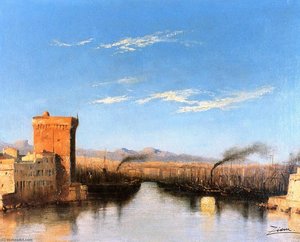
Félix Ziem hagyatékából a leghíresebb alkotás Le vieux port de Marseille et la tour Saint Jean. Röviddel ezután követik őket Portrait of a Young Girl (1846) és Marseille, marché sur le Cours (1845). Katalógusunkban 293 mű található Félix Ziem alkotótól; a galéria megőrizte a világ által leginkább csodált 100 darabot, melyeket a dátummal, a múzeummal és a történetükkel együtt mutatunk be.

1821 – 1911, Beaune Barbizon A legtöbb mű: Petit Palais

Félix Ziem legjobb 10 festménye: a galéria válogatása

2
Portrait of a Young Girl (1846) (1889) -ja Félix Ziem

Portrait of a Young Girl

1846 · Oil On Panel · Petit Palais, Paris

Portrait of a Young Girl by Felix Ziem, created about 1846, presents a close-up bust-length portrait of a single human figure. The subject is positioned slightly off-center against a dark, textured background. This placement creates a sense of depth between the girl and the space behind her. The perspective is direct and at eye-level, establishing a steady connection between the subject and the viewer.

3
Marseille, marché sur le Cours (1845) (1889) -ja Félix Ziem

Marseille, marché sur le Cours

1845 · Watercolor · Musee Felix Ziem, Martigues

Marseille, marché sur le Cours is a watercolor painting by the French artist Felix Ziem. Created about 1845, the work captures a bustling street scene reminiscent of 19th-century urban life. Although the title references Marseille, the composition focuses on the activity of a Parisian street, documenting the movement of pedestrians and the presence of carriages amidst a backdrop of architectural forms.

4
Study of a Woman, Copy after Rembrandt (1853) (1889) -ja Félix Ziem

Study of a Woman, Copy after Rembrandt

1853 · Oil On Canvas · Petit Palais, Paris

A single light source carves a face out of the dark. The subject, a woman, emerges from a deep, umber void, her features caught in a moment of quiet stillness. This is not a portrait of a person, but a study of how light meets skin. The shadows are heavy, swallowing the contours of her neck and the back of her head, leaving only the essential geometry of her gaze…

5
The Drum, Head of a Man after Rembrandt (1853) (1889) -ja Félix Ziem

The Drum, Head of a Man after Rembrandt

1853 · Oil · Petit Palais, Paris

A single light source strikes the brow and the bridge of the nose, carving a face out of the surrounding gloom. The man is weathered, his beard a thicket of textured strokes that catch the light in uneven patches. He looks downward, eyes lost to the heavy shadows of the sockets. There is a weight to his presence, a quiet gravity that pulls the viewer into his private moment of…

7
The Harem (1855) (1889) -ja Félix Ziem

The Harem

1855 · Oil · Petit Palais, Paris

The air in this room feels heavy, thick with the scent of old rugs and unmoving dust. A woman reclines in the foreground, her body angled toward the left, draped in light, flowing garments that catch a diffused, indirect light. She rests upon a floor layered with cushions and textiles, her form partially dissolving into the soft, blurred contours of the room. Behind her, other figures emerge from the dimness,…

8
The Syndics of the Drapery Guild, copy after Rembrandt (1853) (1889) -ja Félix Ziem

The Syndics of the Drapery Guild, copy after Rembrandt

1853 · Oil · Petit Palais, Paris

A group of men gathers around a table in a shallow, crowded space, their presence heavy with communal purpose. This 1853 oil painting, a copy after Rembrandt, captures the solemnity of the Syndics of the Drapery Guild. The subjects are arranged in a way that emphasizes their collective dignity, their faces and white collars emerging from an almost impenetrable dark background. The atmosphere is one of quiet importance, a pause…

9
Head of a Man after Rembrandt (1853) (1889) -ja Félix Ziem

Head of a Man after Rembrandt

1853 · Oil · Petit Palais, Paris

In this oil portrait, Head of a Man after Rembrandt, Felix Ziem presents a somber study of character. The composition focuses on the head and shoulders of a bearded man, captured in profile. The subject is framed within an oval-like vignette, where the darker edges of the painting allow the central figure to emerge from the shadows. This arrangement directs the eye toward the weathered texture of the skin and…

10
The Night Watch after Rembrandt (1853) (1889) -ja Félix Ziem

The Night Watch after Rembrandt

1853 · Oil On Canvas · Petit Palais, Paris

The work functions as a stylistic homage, bridging the gap between the structured traditions of the 19th century and the dramatic lighting of the Dutch Golden Age. It conveys themes of duty and collective strength through its depiction of a militia in motion. The heavy, textured application of paint suggests a visceral, physical presence, turning a historical subject into a study of light and shadow. The result is a scene…

A Félix Ziem válogatás folytatódik: 11 – 100

11The Entrance to the Old Port of Marseille (1862) (1889) -ja Félix ZiemThe Entrance to the Old Port of Marseille1862 · Calouste Gulbenkian Foundation 12L'Entrée dans le Grand Bassin, Venise (1889) -ja Félix ZiemL'Entrée dans le Grand Bassin, Venise 13Istanboul, soleil couchant Istambul (autre titre) Vue de Constantinople (autre titre) (1889) -ja Félix ZiemIstanboul, soleil couchant Istambul (autre titre) Vue de Constantinople (autre titre) 14View of Venice (1800) (1889) -ja Félix ZiemView of Venice1800 · Museo de Arte de Ponce 15Tobolsk, Siberia (1844) (1889) -ja Félix ZiemTobolsk, Siberia1844 · Petit Palais 16The Storm (1846) (1889) -ja Félix ZiemThe Storm1846 · Petit Palais 17Saint Petersburg, Saint Isaac (1844) (1889) -ja Félix ZiemSaint Petersburg, Saint Isaac1844 · Petit Palais 18A Street in Florence (1846) (1889) -ja Félix ZiemA Street in Florence1846 · Petit Palais 19Nude Woman Sitting, Viewed from Behind (1846) (1889) -ja Félix ZiemNude Woman Sitting, Viewed from Behind1846 · Petit Palais 20The Chariot (1843) (1889) -ja Félix ZiemThe Chariot1843 · Petit Palais 21The Red Skirt (1846) (1889) -ja Félix ZiemThe Red Skirt1846 · Petit Palais 22Panel of Six Cart Studies (on the front); Landscape (on the back) (1843) (1889) -ja Félix ZiemPanel of Six Cart Studies (on the front); Landscape (on the back)1843 · Petit Palais 23Parasol Pines near Naples (1847) (1889) -ja Félix ZiemParasol Pines near Naples1847 · Petit Palais 24Festival in a Palace in Naples (1847) (1889) -ja Félix ZiemFestival in a Palace in Naples1847 · Petit Palais 25Martigues, tartane sur le canal de Caronte (1845) (1889) -ja Félix ZiemMartigues, tartane sur le canal de Caronte1845 · Musee Felix Ziem 26Marseille, entrée du Port (1841) (1889) -ja Félix ZiemMarseille, entrée du Port1841 · Musee D'histoire de Marseille 27Martigues, rives de l'étang de Berre (1845) (1889) -ja Félix ZiemMartigues, rives de l'étang de Berre1845 · Musee Felix Ziem 28Marseille, étude de ciel sur les toits (1845) (1889) -ja Félix ZiemMarseille, étude de ciel sur les toits1845 · Musee Felix Ziem 29The Watering Hole (1851) (1889) -ja Félix ZiemThe Watering Hole1851 · Dordrechts Museum 30Landscape with Rainbow (‘Arc en Ciel’) (1852) (1889) -ja Félix ZiemLandscape with Rainbow (‘Arc en Ciel’)1852 · Museum Gouda 31River Bend (on front); three studies (on back) (1855) (1889) -ja Félix ZiemRiver Bend (on front); three studies (on back)1855 · Petit Palais 32The Cottage (1855) (1889) -ja Félix ZiemThe Cottage1855 · Petit Palais 33The Pond (1855) (1889) -ja Félix ZiemThe Pond1855 · Petit Palais 34Forest Edge (on front), Animated Landscape (on reverse) (1855) (1889) -ja Félix ZiemForest Edge (on front), Animated Landscape (on reverse)1855 · Petit Palais 35Riverside (1855) (1889) -ja Félix ZiemRiverside1855 · Petit Palais 36Twilight (1855) (1889) -ja Félix ZiemTwilight1855 · Petit Palais 37Corner of a Forest (1855) (1889) -ja Félix ZiemCorner of a Forest1855 · Petit Palais 38The Seine (1855) (1889) -ja Félix ZiemThe Seine1855 · Petit Palais 39Skiff and Sailboats, Sunset. On the reverse: Marine (1855) (1889) -ja Félix ZiemSkiff and Sailboats, Sunset. On the reverse: Marine1855 · Petit Palais 40The Wave (1855) (1889) -ja Félix ZiemThe Wave1855 · Petit Palais 41Body of Water, Sunset. On reverse: Two Studies (1855) (1889) -ja Félix ZiemBody of Water, Sunset. On reverse: Two Studies1855 · Petit Palais 42Environs of Barbizon (1855) (1889) -ja Félix ZiemEnvirons of Barbizon1855 · Petit Palais 43The Gust of Wind (1855) (1889) -ja Félix ZiemThe Gust of Wind1855 · Petit Palais 44The Barge (1851) (1889) -ja Félix ZiemThe Barge1851 · Petit Palais 45The Oaks (1855) (1889) -ja Félix ZiemThe Oaks1855 · Petit Palais 46Sunset (1855) (1889) -ja Félix ZiemSunset1855 · Petit Palais 47The Forest (1855) (1889) -ja Félix ZiemThe Forest1855 · Petit Palais 48The Road (1855) (1889) -ja Félix ZiemThe Road1855 · Petit Palais 49The Turkeys (1852) (1889) -ja Félix ZiemThe Turkeys1852 · Petit Palais 50The Fishing Sloops (1852) (1889) -ja Félix ZiemThe Fishing Sloops1852 · Petit Palais 51Holland, the Mill (1853) (1889) -ja Félix ZiemHolland, the Mill1853 · Petit Palais 52Antwerp, seascape (1850) (1889) -ja Félix ZiemAntwerp, seascape1850 · Petit Palais 53View of İstanbul (1850) (1889) -ja Félix ZiemView of İstanbul1850 · Pera Museum 54The Grand Canal, Venice (1850) (1889) -ja Félix ZiemThe Grand Canal, Venice1850 55View of İstanbul (1850) (1889) -ja Félix ZiemView of İstanbul1850 · Pera Museum 56Venice - the grand canal (1850) (1889) -ja Félix ZiemVenice - the grand canal1850 · Nemzeti Szépművészeti Múzeum 57Windmill on riverbank (1850) (1889) -ja Félix ZiemWindmill on riverbank1850 · Nemzeti Szépművészeti Múzeum 58Fête de Saint Marc, Venise (1850) (1889) -ja Félix ZiemFête de Saint Marc, Venise1850 · Art Institute of Chicago 59The frigates (1855) (1889) -ja Félix ZiemThe frigates1855 · Petit Palais 60Environs de Nice, montagnes enneigées (1850) (1889) -ja Félix ZiemEnvirons de Nice, montagnes enneigées1850 · Musee Felix Ziem 61Hollande, vieilles chaumières au bord d'un canal (1850) (1889) -ja Félix ZiemHollande, vieilles chaumières au bord d'un canal1850 62Saint Mark's Square, Flood of 1863 (1863) (1889) -ja Félix ZiemSaint Mark's Square, Flood of 18631863 · Petit Palais 63Naples, Parasol Pines (1856) (1889) -ja Félix ZiemNaples, Parasol Pines1856 · Petit Palais 64The Waterfall (1860) (1889) -ja Félix ZiemThe Waterfall1860 · Petit Palais 65The Rhône between Arles and Avignon (1862) (1889) -ja Félix ZiemThe Rhône between Arles and Avignon1862 · Petit Palais 66Still Life with Flask and Pomegranates (1862) (1889) -ja Félix ZiemStill Life with Flask and Pomegranates1862 · Petit Palais 67Near Algiers (1859) (1889) -ja Félix ZiemNear Algiers1859 · Petit Palais 68Windmill in Montmartre (1857) (1889) -ja Félix ZiemWindmill in Montmartre1857 · National Gallery of Ireland 69The Bosphorus (1856) (1889) -ja Félix ZiemThe Bosphorus1856 · Musée des Ursulines 70Harbor Quay in Marseille (1858) (1889) -ja Félix ZiemHarbor Quay in Marseille1858 · Musée des Beaux-Arts de Marseille 71Le Pont Royal, Paris (1859) (1889) -ja Félix ZiemLe Pont Royal, Paris1859 72A Windmill, Snow Effect (1860) (1889) -ja Félix ZiemA Windmill, Snow Effect1860 · Bowes Museum 73Égypte Damanhuor (1856) (1889) -ja Félix ZiemÉgypte Damanhuor1856 · Musee Felix Ziem 74Banks of the Bosphorus (1865) (1889) -ja Félix ZiemBanks of the Bosphorus1865 · Musée des Beaux-Arts 75The Giardini Pubblici in Venice (1870) (1889) -ja Félix ZiemThe Giardini Pubblici in Venice1870 · Bavári Állami Festırménygyűjtemények 76Flowers (1865) (1889) -ja Félix ZiemFlowers1865 · Amsterdam Museum 77Venice, Procession of Saint George (1870) (1889) -ja Félix ZiemVenice, Procession of Saint George1870 · Petit Palais 78The Exit from the Palais des Doges under the Bridge of Sighs (1870) (1889) -ja Félix ZiemThe Exit from the Palais des Doges under the Bridge of Sighs1870 · Petit Palais 79Harbor in Marseilles (1864) (1889) -ja Félix ZiemHarbor in Marseilles1864 · Brooklyn Museum 80Venice, Morning (1864) (1889) -ja Félix ZiemVenice, Morning1864 · Walters Art Museum 81Venice, Midday (1868) (1889) -ja Félix ZiemVenice, Midday1868 · Walters Art Museum 82Venice, Evening (1865) (1889) -ja Félix ZiemVenice, Evening1865 · Walters Art Museum 83Venice, Doge's Palace (1867) (1889) -ja Félix ZiemVenice, Doge's Palace1867 · Petit Palais 84The Grand Canal, Venice (Gondola before San Giorgio) (1865) (1889) -ja Félix ZiemThe Grand Canal, Venice (Gondola before San Giorgio)1865 85Venice the Bacino di San Marco with Fishing Boats (1865) (1889) -ja Félix ZiemVenice the Bacino di San Marco with Fishing Boats1865 · Wallace Collection 86Fontaine de la Sultane Mihrisah, Eaux Douces d'Asie (1870) (1889) -ja Félix ZiemFontaine de la Sultane Mihrisah, Eaux Douces d'Asie1870 87Martiques, le retour des Tartanes (1865) (1889) -ja Félix ZiemMartiques, le retour des Tartanes1865 · Musee Felix Ziem 88Environs de Marseille, Le Rove (1865) (1889) -ja Félix ZiemEnvirons de Marseille, Le Rove1865 · Musee Felix Ziem 89Environs de Marseille, arbres dans un paysage (1865) (1889) -ja Félix ZiemEnvirons de Marseille, arbres dans un paysage1865 · Musee Felix Ziem 90Sailing Ships Leaving the Grand Canal in Venice (1875) (1889) -ja Félix ZiemSailing Ships Leaving the Grand Canal in Venice1875 · Musee Felix Ziem 91Sailboats at the Entrance of the Grand Canal (1875) (1889) -ja Félix ZiemSailboats at the Entrance of the Grand Canal1875 · Musee Felix Ziem 92Seascape. Venice, entrance of the Grand Canal, sailboat on the Adriatic. (1875) (1889) -ja Félix ZiemSeascape. Venice, entrance of the Grand Canal, sailboat on the Adriatic.1875 · Musee Felix Ziem 93Martigues, Twilight Effect (1875) (1889) -ja Félix ZiemMartigues, Twilight Effect1875 · Petit Palais 94Venice, the Church of the Gesuati (1875) (1889) -ja Félix ZiemVenice, the Church of the Gesuati1875 · Petit Palais 95Old Houses (1875) (1889) -ja Félix ZiemOld Houses1875 · Petit Palais 96Venice at Sunset (1875) (1889) -ja Félix ZiemVenice at Sunset1875 · Petit Palais 97Venice, La Giudecca at Twilight (1875) (1889) -ja Félix ZiemVenice, La Giudecca at Twilight1875 · Petit Palais 98Venice, la Salute. Morning Effect (1875) (1889) -ja Félix ZiemVenice, la Salute. Morning Effect1875 · Petit Palais 99The Torrent. Environs of Clermont-Ferrand (1875) (1889) -ja Félix ZiemThe Torrent. Environs of Clermont-Ferrand1875 · Petit Palais 100Deer in the Forest of Fontainebleau (1877) (1889) -ja Félix ZiemDeer in the Forest of Fontainebleau1877 · Petit Palais

A témák, amelyek Félix Ziem figyelmét meghúzták

A négy leggyakorobban előforduló téma ebben az eredeti művekben, mindegyik a legkiválóbb példájával.

A műemlékek, amelyek Félix Ziem eredeti műveit őrzik

A 8 olyan múzeum, amely a legtöbb ezen az oldalon szereplő festményet őrzi.

Múzeum Város Félix Ziem művei Ebből a listából származó festmények
Petit Palais, ParisPetit Palais Paris 115 Portrait of a Young Girl, Study of a Woman, Copy after Rembrandt, The Drum, Head of a Man after Rembrandt
Musee Felix Ziem, MartiguesMusee Felix Ziem Martigues 15 Marseille, marché sur le Cours, Martigues, tartane sur le canal de Caronte, Martigues, rives de l'étang de Berre
Walters Art Museum, BaltimoreWalters Art Museum Baltimore 3 Venice, Morning, Venice, Midday, Venice, Evening
Pera Museum, IstanbulPera Museum Istanbul 3 View of İstanbul, View of İstanbul
Nemzeti Szépművészeti Múzeum, Buenos AiresNemzeti Szépművészeti Múzeum Buenos Aires 2 Venice - the grand canal, Windmill on riverbank
Musée des Beaux-Arts de Marseille, MarseilleMusée des Beaux-Arts de Marseille Marseille 5 Harbor Quay in Marseille
National Gallery of Ireland, DublinNational Gallery of Ireland Dublin 4 Windmill in Montmartre
Musée des Beaux-Arts, ToulonMusée des Beaux-Arts Toulon 4 Banks of the Bosphorus

Félix Ziem évtizede folgtva: az eredeti művek, amelyek meghatározzák az egyes korzakot

Művek évtizedenként

Váassz ki egy évtizedet, hogy megnézhesd az azt meghatározó eredetiműveket.

Gyűjtői kérdések Félix Ziem festményeivel kapcsolatban

Melyik művel a(z) Félix Ziem a leghíresebb?Fedje fel a választ

Le vieux port de Marseille et la tour Saint Jean. Ezt követi Portrait of a Young Girl (1846) és Marseille, marché sur le Cours (1845).

Melyek a tíz leghíresebb Félix Ziem festmény?Fedje fel a választ

Le vieux port de Marseille et la tour Saint Jean, Portrait of a Young Girl, Marseille, marché sur le Cours, Study of a Woman, Copy after Rembrandt, The Drum, Head of a Man after Rembrandt, Study of a Man [The Syndics], copy after Rembrandt, The Harem, The Syndics of the Drapery Guild, copy after Rembrandt, Head of a Man after Rembrandt és The Night Watch after Rembrandt. A fenti rangsor a művek évszamarát és a múzeumát jelzi.

Hány festményet hagyott hátra Félix Ziem?Fedje fel a választ

Katalógusunkban 293 mű található Félix Ziem alkotótól, 1841 és 1877 év közötti időszakból.

Mely múzeumokban állnak Félix Ziem remekművei?Fedje fel a választ

Leginkább Petit Palais (Paris), Musee Felix Ziem (Martigues) és Walters Art Museum (Baltimore) található. A fenti múzeumi táblázatban mindegyik felsorolásra került.

Mely években festette Félix Ziem leghíresebb műveit?Fedje fel a választ

1850s alatt: a jelen laphonon található 100 műből 47 készült ebben az időszakban, köztük Study of a Woman, Copy after Rembrandt.

Mikszétek az első és az utolsó híres eredeti műve a(z) Félix Ziem alkotótól?Fedje fel a választ

Ezen az oldalon a leghitelesebb Marseille, entrée du Port (1841), a legutóbbi pedig Deer in the Forest of Fontainebleau (1877).

Milyen témaköröket választott leggyakrabban Félix Ziem?Fedje fel a választ

Water (4), Portrait (4) és Person (3), a jelen oldalon található 100 műművészeti alkotás között.

Melyik technikát alkalmazta leggyakrabban Félix Ziem?Fedje fel a választ

Oil, a jelen oldalon található 100 műből 7 darab esetén.

Mely művészeti irányba tartozik Félix Ziem?Fedje fel a választ

Barbizon és Impressionism, ezen az oldalon található eredetiek alapján.

Mely Félix Ziem művei láthatóak a Petit Palais kiállتításán?Fedje fel a választ

Portrait of a Young Girl, Study of a Woman, Copy after Rembrandt és The Drum, Head of a Man after Rembrandt: a Petit Palais, Paris 58 művet őrzi ezen az oldalon.

Félix Ziem: életmű és életút

Félix Ziem fénytermékeny öröksége

Félix Ziem a 19. századi francia művészet szövetében lenyűgöző alakként áll fent; egy olyan művész, akinek ecsetje egyedülálló képességgel rendelkezett arra, hogy összekötje a Barbizon-iskola lelki, földközeli hagyományait az orientalizmus egzotikus, napsütötte vonzerejével. Félix François Georges Philibert Ziemként született 1রদ্ব 1821-ben, Burgundia történelmi városaiban, Beaune-ban, korai életét a struktúra és a szellem közötti feszültség jellemezte. Bár kezdetben az építészet fegyelmezett útját választotta, a vászon hívogatása ellenállhatatlannak bizonyult. Ezen átalakulást mélyen meghatározta Adolphe Monticelli mentorszeme Marseille-ben, egy olyan kapcsolódás, amely örökre átszőtte Ziem munkásságát a fény és a textúra vibráló, szinte impresszionista megközelítésével.

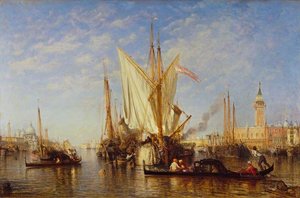
Ziem művészetének lényege talán leginkább a fényhez való mély kötődésében érthető meg. Útjai nem csupán földrajzi mozgások voltak, hanem érzelmi odyssziák különböző légkörök között. Fejlődésének meghatározó pillanata az 1841-es velencei látogatása során következett be, egy olyan városban, amely örök múzsává vált számára. A csillogó csatornák és a velencei palotákon átható romló pompán Ziem rájött, hogyan fordítsa át a légkört pigmentté. Nem az építészet akadémikus szigorral való dokumentálására törekedett; helyette laza ecsetvonatokat és fénytermékeny palettát alkalmazott, hogy megörökítse a vízen tükröződő fény pillanatnyi jellegét és az Adriai alkony selymes, ködös ragyogását.

Utazás a fény és a táj világában

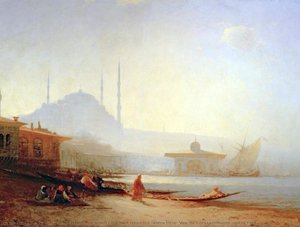
Mialatt karrierje Marseille és Párizs művészeti központjaiban virágzott, Ziem látásmódja messze túlnyúlt Franciaország határain. A világ és az érzékek vándorló képessévé vált, olyan különféle tájakat dokumentálva, amelyek lenyűgöző színérzékenységgel születtek. Kalandjai a Nyugat-Oszmán Birodalom szívébe vezettek, ahol olyan alkotások, mint a Caiques and Sailboats at the Bosphorus, bemutatják képességét a török vizek vibráló kékjének és a mecsetek sziluettjeiben rejlő fenséges hadirényének ábrázolására. Az Kelet iránti lelkesedése lehetővé tette számára, hogy elsajátítsa az orientalista stílust, ötvözve Konstantinápoly és Egyiptom egzotikumát a francia festészeti érzékiséggel.

Ziem sokoldalúsága lehetővé tette, hogy zökkenőmentesen mozgásban legyen különböző környezetek között, a Martigues békés, fenyőfákkal teli tájaitól, mint a Médi, étude de pins, a Észak-Európa nyugodt folyóvidékeiig, például az Amstel folyó ábrázolásáig. Technikai megoldásai gyakran a részlet és az absztrakció finom egyensúlyára épült, ahol a téma – legyen az egy partmenti látvány vagy egy nyüzsgő kikötő – eszközként szolgált a fény és az árnyék kölcsönhatásának felfedezésére. Ez a képesség, amely képes pusztán a fény révén helyszínt kialakítani, emeli művészetét a puszta tájképfestészetből egy mély, érzéki élménnyé.

Művészeti jelentőség és maradandó hatás

Félix Ziem történelmi jelentősége átmeneti mesterként töltött szerepében rejlik. Több irányzat kereszteződésén állt, befogadva a Barbizon-festők naturalizmusát, miközben már előreérzelték az impresszionizmus fényközpontú forradalmát. Művészete létfontosságú összekötőelem a 19. század eleji romantizált tájak és a későbbi, kísérletezőbb, atmoszférikus felfedezések között. Az érzelmi rezonancia és a fény „élményének” priorizálásával a pontos topográfiai pontosság felett, megnyitotta az utat a tájképfestészet szubjektívabb megközelítésének.

Napjainkban Ziem öröksége továbbra is lenyűgözi a gyűjtőket és a művészettörténészeket egyaránt. Képes a nézőt egy másik időbe és helyszínre szállítani – legyen az egy holland folyó ködös reggelének vagy a mediterrán napsütötte délutánnak – és ez a képesség mérhetetlenül megmaradt. Életműve tanúbizonysága a megfigyelés erejének és a természet világának örök varázsának, amely tiszta, szenvedélyes fény ágançon keresztül készült.