Émile Schuffenecker portréja

A 24 legnevezesebb Émile Schuffenecker festmény, egy galériaválaszték

Frissítve: október 2026 · rangsorolva népszerűségi pontszámunk alapján (minden mű keresései, látogatásai és megrendelései alapján) · 26 mű Émile Schuffenecker alkotása a katalógusunkban

Röviden

Émile Schuffenecker hagyatékából a leghíresebb alkotás Émile Bernard (1889), amely a Houston városi Museum of Fine Arts, Houston gyűjteményében található. Röviddel ezután követik őket Le retour des foins (1890) és A View Of The Cliffs Of Etretat. Katalógusunkban 26 mű található Émile Schuffenecker alkotótól; a galéria megőrizte a világ által leginkább csodált 24 darabot, melyeket a dátummal, a múzeummal és a történetükkel együtt mutatunk be.

1851 – 1934, Fresne-Saint-Mamès Post-impressionism A legtöbb mű: Wallraf-Richartz Múzeum

Émile Schuffenecker legjobb 10 festménye: a galéria válogatása

A Émile Schuffenecker válogatás folytatódik: 11 – 24

A témák, amelyek Émile Schuffenecker figyelmét meghúzták

A négy leggyakorobban előforduló téma ebben az eredeti művekben, mindegyik a legkiválóbb példájával.

A műemlékek, amelyek Émile Schuffenecker eredeti műveit őrzik

A 5 olyan múzeum, amely a legtöbb ezen az oldalon szereplő festményet őrzi.

Múzeum Város Émile Schuffenecker művei Ebből a listából származó festmények
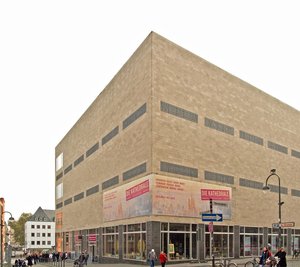
Wallraf-Richartz Múzeum, KölnWallraf-Richartz Múzeum Köln 3 Child Dreaming Before the Sea, at Sunset, Kelp Gatherers, Notre Dame in the Snow
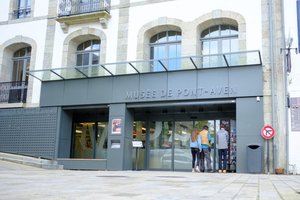
Musée de Pont-Aven, HastenparckMusée de Pont-Aven Hastenparck 3 Portrait of Jules Bois, Profile study of a young woman, Portrait of Madame Champsaur
Museum of Fine Arts, Houston, HoustonMuseum of Fine Arts, Houston Houston 1 Émile Bernard
Kröller-Müller Múzeum, OtterloKröller-Müller Múzeum Otterlo 1 Still Life with Bowl and Fruits
Musée des Beaux-Arts de Quimper, QuimperMusée des Beaux-Arts de Quimper Quimper 1 Rocky Coast in Brittany

Émile Schuffenecker év évtizedéja: az egyes éveket meghatározó eredeti művek

A válogatás Émile Schuffenecker pályafutását követi 12 évig, 1884től 1895ig, az egyes évek legkiválóbb eredeti műveit megőrizve.

Művek évszáma szerint

Váasszon egy évet az eredetiek megtekintéséhez.

Gyűjtői kérdések Émile Schuffenecker festményeivel kapcsolatban

Melyik művel a(z) Émile Schuffenecker a leghíresebb?Fedje fel a választ

Émile Bernard (1889), Museum of Fine Arts, Houston, Houston. Ezután Le retour des foins (1890) és A View Of The Cliffs Of Etretat következik.

Hány éves volt Émile Schuffenecker, amikor a Émile Bernard készült?Fedje fel a választ

38 éves: Émile Bernard 1889-ből származik, Émile Schuffenecker pedig 1851-ben született.

Melyek a tíz leghíresebb Émile Schuffenecker festmény?Fedje fel a választ

Émile Bernard, Le retour des foins, A View Of The Cliffs Of Etretat, Evening walk, Child Dreaming Before the Sea, at Sunset, The First Murder (also known as The Death of Abel), Still Life with Bowl and Fruits, Kelp Gatherers, Rocky Coast in Brittany és Notre Dame in the Snow. A fenti rangsor a művek évszamarát és a múzeumát jelzi.

Hány festményet hagyott hátra Émile Schuffenecker?Fedje fel a választ

Katalógusunkban 26 mű található Émile Schuffenecker alkotótól, 1884 és 1895 év közötti időszakból.

Mely múzeumokban állnak Émile Schuffenecker remekművei?Fedje fel a választ

Leginkább Wallraf-Richartz Múzeum (Köln), Musée de Pont-Aven (Hastenparck) és Museum of Fine Arts, Houston (Houston) található. A fenti múzeumi táblázatban mindegyik felsorolásra került.

Mely években festette Émile Schuffenecker leghíresebb műveit?Fedje fel a választ

1884 alatt: a jelen laphonon található 24 műből 2 készült ebben az időszakban, köztük Child Dreaming Before the Sea, at Sunset.

Mikszétek az első és az utolsó híres eredeti műve a(z) Émile Schuffenecker alkotótól?Fedje fel a választ

Ezen az oldalon a leghitelesebb Child Dreaming Before the Sea, at Sunset (1884), a legutóbbi pedig Portrait of Jules Bois (1895).

Milyen témaköröket választott leggyakrabban Émile Schuffenecker?Fedje fel a választ

French art (3), Landscape painting (2) és Beach (2), a jelen oldalon található 24 műművészeti alkotás között.

Mely művészeti irányba tartozik Émile Schuffenecker?Fedje fel a választ

Post-impressionism és Impressionism, ezen az oldalon található eredetiek alapján.

Mely Émile Schuffenecker művei láthatóak a Wallraf-Richartz Múzeum kiállتításán?Fedje fel a választ

Child Dreaming Before the Sea, at Sunset, Kelp Gatherers és Notre Dame in the Snow: a Wallraf-Richartz Múzeum, Köln 3 művet őrzi ezen az oldalon.

Émile Schuffenecker: életmű és életút

Claude Emile Schuffenecker (1851–1934): An Unsung Pioneer of Impressionism

Claude Emile Schuffenecker, born December 8th, 1851, in Haute-Saône, France, remains a figure largely overshadowed by the luminaries of his era – Paul Gauguin and Odilon Redon. Yet, this quiet French Post-Impressionist artist possessed an undeniable contribution to the artistic landscape of late nineteenth century Paris, marked by a fervent dedication to capturing fleeting moments of beauty and a pioneering role in fostering the burgeoning field of art collecting. His life’s journey unfolded amidst considerable personal hardship, yet his artistic vision persisted, shaping landscapes imbued with atmospheric subtlety and portraits reflecting profound psychological depth.

Early Life & Artistic Formation

Schuffenecker's upbringing was shaped by familial circumstances that instilled a strong work ethic. Following the untimely death of his father, Nicolas Schuffenecker—a tailor from Guewenheim (Alsace)—in 1854, he and his brother Amédée faced significant economic challenges as their mother relocated to Meudon, near Paris, where her family resided. Supported by his maternal aunt Anne Fauconnet Monnet, Schuffenecker received a robust education at the frères des écoles chrétiennes, preparing him for a career in commerce—specifically, assisting his uncle Pierre Cornu’s chocolate and coffee roasting business. This practical grounding would prove invaluable later in life, providing stability amidst artistic pursuits. Crucially, he found kindred spirits in Gauguin and Redon, engaging in spirited discussions about the masters at the Louvre and honing his skills at the Académie Colarossi. These formative encounters profoundly influenced his artistic sensibilities—establishing a foundation for his future explorations of Impressionist techniques and Symbolist aesthetics.

Friendship with Gauguin & The Volpini Exhibition

A remarkable friendship blossomed between Schuffenecker and Paul Gauguin—a connection that transcended mere artistic camaraderie and deepened into genuine affection. Both men shared an unwavering fascination for studying Old Masters, meticulously analyzing compositions and techniques at the Louvre to discern their underlying principles. This intellectual exchange fueled their creative endeavors and cemented their commitment to venturing beyond conventional artistic boundaries. Notably, Schuffenecker played a pivotal role in organizing the Volpini Exhibition of 1889—a landmark event showcasing Impressionist art and attracting considerable public attention. His involvement underscored his belief in disseminating artistic ideas and fostering dialogue within the Parisian avant-garde—demonstrating a dedication to advancing the cause of modern art.

Schuffenecker’s Artistic Style & Influences

Schuffenecker's distinctive style is characterized by a masterful manipulation of light and color—traits undeniably rooted in Impressionism, yet tempered with an appreciation for Symbolist nuances. His landscapes frequently depict serene scenes bathed in hazy atmospheric conditions, prioritizing mood and emotion over precise topographical accuracy. Consider “Near Meudon,” where Schuffenecker captures the ethereal quality of twilight, employing delicate brushstrokes and muted hues to convey a profound sense of tranquility—a testament to his ability to distill complex visual information into evocative representations of nature. Similarly, "Paysage Landscape" exemplifies his unwavering commitment to conveying inner feelings through artistic expression—reflecting the influence of Vincent van Gogh’s expressive use of color and texture. He recognized the transformative potential of capturing fleeting moments of beauty—and translating them onto canvas with sensitivity and precision.

A Controversial Legacy & Rediscovery

Despite Schuffenecker's considerable contribution to Impressionism and art collecting—including his early involvement in establishing a collection of Van Gogh paintings—his artistic reputation suffered a significant setback following the 1920s, fueled by accusations of stylistic imitation and speculation regarding the authenticity of certain artworks attributed to him. However, recent scholarly investigations have begun to illuminate Schuffenecker’s life and oeuvre with greater nuance—challenging earlier assessments and bolstering a more measured appreciation for his artistic achievements. These studies highlight his unwavering dedication to capturing atmospheric subtleties and psychological depth—demonstrating that Schuffenecker's legacy deserves renewed attention and recognition as a pivotal figure in the history of French painting. Today, Musée des Cultures Taurines in Nîmes proudly showcases Schuffenecker’s enduring influence through its impressive collection of paintings and artifacts—affirming his rightful place among the pioneers of modern artistic expression.