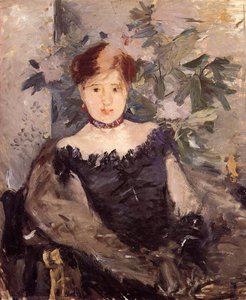
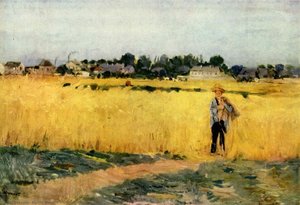
Berthe Morisot portréja

A 100 legnevezesebb Berthe Morisot festmény, egy galériaválaszték

Frissítve: november 2026 · rangsorolva népszerűségi pontszámunk alapján (minden mű keresései, látogatásai és megrendelései alapján) · 361 mű Berthe Morisot alkotása a katalógusunkban

Röviden

Berthe Morisot hagyatékából a leghíresebb alkotás A Csecsemő (1872), amely a Párizs városi Musée d'Orsay gyűjteményében található. Röviddel ezután követik őket A Rózsaszegény Északi Közelemény (1885) és Sósfalvas ház Normandiában (1865). Katalógusunkban 361 mű található Berthe Morisot alkotótól; a galéria megőrizte a világ által leginkább csodált 100 darabot, melyeket a dátummal, a múzeummal és a történetükkel együtt mutatunk be.

1841 – 1895, Bourges Impressionist style A legtöbb mű: Musée Marmottan Monet

Berthe Morisot legjobb 10 festménye: a galéria válogatása

1
A Csecsemő (1872) (1889) -ja Berthe Morisot

A Csecsemő

1872 · Olajfestmény vászonon · Musée d'Orsay, Párizs

Berthe Morisot 1872-ben festett "A Csecsemő" című alkotása egy igazi kuriózum, mely a modern művészet egyik legszebb és legintimebb példája. A kép nem pusztán egy csecsemő ápolásának jelenete; azonosul a kor nőiességével, a háziasszonyi szerepvel és a maternitas mély érzelmeivel. Morisot, aki az impresszionista mozgalom egyik legkiemelkedőbb alakja volt, nem a nagyszabású tájak vagy a városi élet portréit választotta, hanem a család életének apró, de lényeges pillanatain fókuszált. A kép…

2
A Rózsaszegény Északi Közelemény (1885) (1889) -ja Berthe Morisot

A Rózsaszegény Északi Közelemény

1885 · Olajfestmény vászonon

Egy pillantás az impresszionista nyugalomba Berthe Morisot „A rózsaszegény égi közelemény” (A Corner of the Rose Garden) című alkotása egy békés kertbe invitálja a nézőt, amelyet a naplemente lágy, meleg árnyalatai áramló fény áradata îmél. Ez a lenyűgöző mű Morisot impresszionista stílusbeli mesterműve, amely laza ecsetvonatokkal és vibráló színpalettával örökíti meg a természet múlandó szépségét. A természet lényegének megörökítése A festmény egy buja kertet ábrázol, amely tele van virágzó rózsákkal…

3
Sósfalvas ház Normandiában (1865) (1889) -ja Berthe Morisot

Sósfalvas ház Normandiában

1865 · Olajfestmény vászonon

Az Berthe Morisot „Sósfalvas ház Normandiában” című alkotása előtt állni olyan, mintha egy finom fátyol mögött, egy elmúlt francia délután gyengéd ölelésében találnánk magunkat. Ez a 1865-ben készült festmény messze túlmutat a vidéki építészet egyszerű rögnítezésén; ez az élet szellemiségébe való elmerülés, amelyet a Jahreszakok ritmusában élt. Morisot megörökíti azt a megkérdezhetetlen joie de vivre-t, amely a vidéki tájban rejlik—egy olyan jelenetet, amely csendes mozgással és vibráló természeti szépséggel teli.…

4
Study, The Water's Edge (1864) (1889) -ja Berthe Morisot

Study, The Water's Edge

1864 · Oil On Canvas

Berthe Morisot’s “Study, The Water’s Edge,” painted in 1864, is more than just a depiction of a serene lakeside scene; it’s an intimate glimpse into the heart of Impressionism. This small canvas – measuring 60 x 73 cm – vibrates with a delicate energy, capturing not just what Morisot saw but also the fleeting emotions and sensations of that particular moment. The painting immediately draws the viewer in with its…

5
In the Garden at Maurecourt (1884) (1889) -ja Berthe Morisot

In the Garden at Maurecourt

1884 · Oil On Canvas · Toledo Művészeti Múzeum, Toledo

In the soft, dappled sunlight of a French afternoon, Berthe Morisot’s “In the Garden at Maurecourt” invites the viewer into a sanctuary of profound stillness. Completed in 1884, this masterpiece serves as a window into the Belle Époque, capturing a moment that feels both fleeting and eternal. The scene unfolds within a lush, verdant garden—likely the Morisot estate near Maurecourt—where two young figures, including the artist’s daughter Julie, are nestled…

6
Portrait of Edma (1870) (1889) -ja Berthe Morisot

Portrait of Edma

1870 · Oil On Canvas · Courtauld Gallery, London

In the soft, flickering light of a Parisian afternoon, Berthe Morisot captures more than just a likeness in her 1871 masterpiece, Portrait of Edma. This painting serves as a profound window into the intimate domesticity that defined much of the Impressionist movement’s early explorations. The subject, Edma Pontillon—Morisot’s own sister-in-law—is not presented with the stiff, formal grandeur typical of academic portraiture. Instead, she is nestled within a private, quiet moment,…

7
The Bath (1886) (1889) -ja Berthe Morisot

The Bath

1886 · Oil On Canvas

To stand before Berthe Morisot’s The Bath is to step into a moment suspended in time—a breath held within the soft glow of an afternoon indoors. This painting, executed in 1886, transcends a mere depiction of daily routine; it captures the very essence of private contemplation. The scene unfolds with remarkable delicacy: a woman seated amidst the quiet rituals of self-care, brushing her hair. Morisot does not merely record what…

8
The Quay at Bougival (1883) (1889) -ja Berthe Morisot

The Quay at Bougival

1883 · Oil On Canvas · Nasjonalgalleriet, Oslo

To gaze upon Berthe Morisot’s “The Quay at Bougival” is to step through a portal into the heart of French Impressionism, where the boundaries between reality and perception begin to dissolve. Completed in 1883, this exquisite oil on canvas serves as much more than a mere landscape; it is a rhythmic, breathing snapshot of life along the Seine. The scene captures the bustling waterfront of Bougival, a serene suburb of…

9
Daffodils (1885) (1889) -ja Berthe Morisot

Daffodils

1885 · Oil On Canvas

To stand before Berthe Morisot’s Daffodils is not merely to observe a still life; it is to step directly into a sun-drenched, breathlessly beautiful moment captured by the brush. Painted in 1885, this work radiates the delicate spirit of Impressionism, inviting the viewer into an intimate contemplation of nature’s cyclical promise. The composition centers on a simple arrangement: vibrant yellow daffodils gathered within a vase accented with cool blue hues,…

10
Young Woman Picking Oranges (1889) (1889) -ja Berthe Morisot

Young Woman Picking Oranges

1889 · Oil On Canvas

To stand before Berthe Morisot's Young Woman Picking Oranges is to step directly into a sun-dappled moment suspended in time. This exquisite oil on canvas, dating from 1889, is not merely a depiction of an afternoon chore; it is a lyrical meditation on leisure, femininity, and the very nature of light itself. Morisot, a central figure whose genius blossomed within the vibrant currents of Impressionism, captures life with an almost…

A Berthe Morisot válogatás folytatódik: 11 – 100

11The Garden at Bougival (1884) (1889) -ja Berthe MorisotThe Garden at Bougival1884 · Musée Marmottan Monet 12Woman in Black (1878) (1889) -ja Berthe MorisotWoman in Black1878 · National Gallery of Ireland 13Woman Wearing Gloves (also known as The Parisian) (1885) (1889) -ja Berthe MorisotWoman Wearing Gloves (also known as The Parisian)1885 14Little Dancer (1885) (1889) -ja Berthe MorisotLittle Dancer1885 15Roses (1894) (1889) -ja Berthe MorisotRoses1894 16Two Sisters on a Couch (also known as The Sisters) (1869) (1889) -ja Berthe MorisotTwo Sisters on a Couch (also known as The Sisters)1869 · National Gallery of Art 17Mother and Sister of the Artist (1869) (1889) -ja Berthe MorisotMother and Sister of the Artist1869 · National Gallery of Art 18Young Girl with Basket (1892) (1889) -ja Berthe MorisotYoung Girl with Basket1892 · Philadelphia Művészeti Múzeum 19Portrait of a Child (1894) (1889) -ja Berthe MorisotPortrait of a Child1894 · Philadelphia Művészeti Múzeum 20Portrait of Madame Edma Pontillon (1871) (1889) -ja Berthe MorisotPortrait of Madame Edma Pontillon1871 21The Beach at Petit Dalles (aka On the Beach) (1873) (1889) -ja Berthe MorisotThe Beach at Petit Dalles (aka On the Beach)1873 · Virginia Museum of Fine Arts 22View of Paris from the Trocadero Heights (1872) (1889) -ja Berthe MorisotView of Paris from the Trocadero Heights1872 · Santa Barbara Museum of Art 23Young Girl with Hat (1891) (1889) -ja Berthe MorisotYoung Girl with Hat1891 · Art Institute of Chicago 24By the Water (1879) (1889) -ja Berthe MorisotBy the Water1879 25Child in Bed (1884) (1889) -ja Berthe MorisotChild in Bed1884 26Girl with Shuttlecock (also known as Jeanne Bonnet) (1888) (1889) -ja Berthe MorisotGirl with Shuttlecock (also known as Jeanne Bonnet)1888 27Little Girl with a Doll (1886) (1889) -ja Berthe MorisotLittle Girl with a Doll1886 28Interior of a Cottage (1889) -ja Berthe MorisotInterior of a Cottage 29Figure of a Woman (Before the Theater) (1889) -ja Berthe MorisotFigure of a Woman (Before the Theater) 30Red haired girl sitting on a veranda (1884) (1889) -ja Berthe MorisotRed haired girl sitting on a veranda1884 31In a Villa at the Seaside (1874) (1889) -ja Berthe MorisotIn a Villa at the Seaside1874 32The Goose (1885) (1889) -ja Berthe MorisotThe Goose1885 33The Port of Nice (1882) (1889) -ja Berthe MorisotThe Port of Nice1882 34Port of Gorey (1886) (1889) -ja Berthe MorisotPort of Gorey1886 35A Tej Szegénye (1890) (1889) -ja Berthe MorisotA Tej Szegénye1890 36Young Woman (1871) (1889) -ja Berthe MorisotYoung Woman1871 · Museum of Fine Arts, Houston 37Portrait of Madame Hubbard (1874) (1889) -ja Berthe MorisotPortrait of Madame Hubbard1874 · Ordrupgaard 38Daydreaming (1877) (1889) -ja Berthe MorisotDaydreaming1877 · The Nelson-Atkins Museum of Art 39Girl and Child on the Grass (1875) (1889) -ja Berthe MorisotGirl and Child on the Grass1875 40Woman with a Fan (also known as Head of a Girl) (1876) (1889) -ja Berthe MorisotWoman with a Fan (also known as Head of a Girl)1876 41Woman Sewing (1879) (1889) -ja Berthe MorisotWoman Sewing1879 · Buffalo AKG Art Museum 42Child among the Hollyhocks (1881) (1889) -ja Berthe MorisotChild among the Hollyhocks1881 · Wallraf-Richartz Múzeum 43On the edge of the lake (1883) (1889) -ja Berthe MorisotOn the edge of the lake1883 · Musée Marmottan Monet 44Portrait of Marcel (1880) (1889) -ja Berthe MorisotPortrait of Marcel1880 45Tete de chien griffon, Follette (1882) (1889) -ja Berthe MorisotTete de chien griffon, Follette1882 46Little Girl Sitting on the Grass (1882) (1889) -ja Berthe MorisotLittle Girl Sitting on the Grass1882 47Young Woman in Grey Reclining (1879) (1889) -ja Berthe MorisotYoung Woman in Grey Reclining1879 48Venus at the Forge of Vulcan (after Boucher) (1884) (1889) -ja Berthe MorisotVenus at the Forge of Vulcan (after Boucher)1884 49Julie at the Table (1891) (1889) -ja Berthe MorisotJulie at the Table1891 50Lucie Léon at the Piano (1892) (1889) -ja Berthe MorisotLucie Léon at the Piano1892 · Art Museum 51Paule Gobillard in prom dress (1887) (1889) -ja Berthe MorisotPaule Gobillard in prom dress1887 52In the apple tree (1890) (1889) -ja Berthe MorisotIn the apple tree1890 · Musée Marmottan Monet 53Young Woman in a Blue Blouse (1889) (1889) -ja Berthe MorisotYoung Woman in a Blue Blouse1889 54Bather (1891) (1889) -ja Berthe MorisotBather1891 55Young Woman in White (1891) (1889) -ja Berthe MorisotYoung Woman in White1891 56Little Girls at the Window (Jeanne and Edma Bodeau) (1892) (1889) -ja Berthe MorisotLittle Girls at the Window (Jeanne and Edma Bodeau)1892 57Cache-cache (Hide-and-Seek) (1889) -ja Berthe MorisotCache-cache (Hide-and-Seek) 58A Woman and Child in a Garden (1884) (1889) -ja Berthe MorisotA Woman and Child in a Garden1884 · Scottish National Gallery 59Young Woman on a Sofa (1893) (1889) -ja Berthe MorisotYoung Woman on a Sofa1893 · Mougins Museum of Classic Art 60Young Woman and Child (1894) (1889) -ja Berthe MorisotYoung Woman and Child1894 · Yale University Art Gallery 61Two Girls (1894) (1889) -ja Berthe MorisotTwo Girls1894 · The Phillips Collection 62Girl with Greyhound (1893) (1889) -ja Berthe MorisotGirl with Greyhound1893 63Jeanne Pontillon Wearing a Hat (1893) (1889) -ja Berthe MorisotJeanne Pontillon Wearing a Hat1893 64Hanging the Laundry out to Dry (1875) (1889) -ja Berthe MorisotHanging the Laundry out to Dry1875 · National Gallery of Art 65Girl with a Dog (1887) (1889) -ja Berthe MorisotGirl with a Dog1887 66On the Balcony of Eugene Manet's Room at Bougival (1881) (1889) -ja Berthe MorisotOn the Balcony of Eugene Manet's Room at Bougival1881 67On a Bench in the Bois de Boulogne (1894) (1889) -ja Berthe MorisotOn a Bench in the Bois de Boulogne1894 · Musée d'Orsay 68Hide and Seek (1873) (1889) -ja Berthe MorisotHide and Seek1873 69Cottage Interior (also known as Interior at Jersey) (1886) (1889) -ja Berthe MorisotCottage Interior (also known as Interior at Jersey)1886 · Musée d'Ixelles 70Young Woman Putting on Her Skates (1888) (1889) -ja Berthe MorisotYoung Woman Putting on Her Skates1888 71Little Girl Reading (1889) -ja Berthe MorisotLittle Girl ReadingMuseum of Fine Arts, St. Petersburg, Florida, USA 72Young Woman Sewing in a Garden (1889) -ja Berthe MorisotYoung Woman Sewing in a Garden 73The Bois de Boulogne (1889) -ja Berthe MorisotThe Bois de Boulogne 74The cradle Sun (1889) -ja Berthe MorisotThe cradle Sun 75Julie with Her Nurse (1880) (1889) -ja Berthe MorisotJulie with Her Nurse1880 · Ny Carlsberg Glyptotek 76Beneath the Lilac at Maurecourt (1874) (1889) -ja Berthe MorisotBeneath the Lilac at Maurecourt1874 77Woman Getting Dressed (also known as Young Woman Fastening Her Stockings) (1880) (1889) -ja Berthe MorisotWoman Getting Dressed (also known as Young Woman Fastening Her Stockings)1880 78The Mandolin (1889) (1889) -ja Berthe MorisotThe Mandolin1889 79Haying at Mezy (1891) (1889) -ja Berthe MorisotHaying at Mezy1891 80Julie and Eugene Manet (1883) (1889) -ja Berthe MorisotJulie and Eugene Manet1883 81Rosbras (Finistere) (1866) (1889) -ja Berthe MorisotRosbras (Finistere)1866 82Image Le berceau (The Cradle) (1889) -ja Berthe MorisotImage Le berceau (The Cradle) 83Julie Rêveuse (1889) -ja Berthe MorisotJulie Rêveuse 84Lucie Leon at the Piano (1892) (1889) -ja Berthe MorisotLucie Leon at the Piano1892 85In the Wheatfield at Gennevilliers (1875) (1889) -ja Berthe MorisotIn the Wheatfield at Gennevilliers1875 · Musée d'Orsay 86Child in the Rose Garden (1881) (1889) -ja Berthe MorisotChild in the Rose Garden1881 · Wallraf-Richartz Múzeum 87The Basket Chair (1882) (1889) -ja Berthe MorisotThe Basket Chair1882 · Museum of Fine Arts, Houston 88Peasant Girl among Tulips (1890) (1889) -ja Berthe MorisotPeasant Girl among Tulips1890 89Portrait of Jeanne Pontillon (1894) (1889) -ja Berthe MorisotPortrait of Jeanne Pontillon1894 · Musée d'Art et d'Histoire de Genève 90Memory of the Banks of l'Oise (1863) (1889) -ja Berthe MorisotMemory of the Banks of l'Oise1863 91Old Path at Auvers (1863) (1889) -ja Berthe MorisotOld Path at Auvers1863 92The Harbor at Cherbourg (1871) (1889) -ja Berthe MorisotThe Harbor at Cherbourg1871 · Yale University Art Gallery 93Peonies (1869) (1889) -ja Berthe MorisotPeonies1869 · National Gallery of Art 94The Seine below the Pont d'Lena (1866) (1889) -ja Berthe MorisotThe Seine below the Pont d'Lena1866 95The Artist's Sister at a Window (1869) (1889) -ja Berthe MorisotThe Artist's Sister at a Window1869 96Portrait of a Woman in a pink dress (1870) (1889) -ja Berthe MorisotPortrait of a Woman in a pink dress1870 · Metropolitan Művészeti Múzeum 97Woman and Child Seated in a Meadow (1871) (1889) -ja Berthe MorisotWoman and Child Seated in a Meadow1871 98Sliced ​​apple and pitcher (1876) (1889) -ja Berthe MorisotSliced ​​apple and pitcher1876 · Musée Marmottan Monet 99Landscape near Valenciennes (1875) (1889) -ja Berthe MorisotLandscape near Valenciennes1875 100Aboard a Yacht (1875) (1889) -ja Berthe MorisotAboard a Yacht1875

Berthe Morisot híres festményei, korszakonként

A témák, amelyek Berthe Morisot figyelmét meghúzták

A négy leggyakorobban előforduló téma ebben az eredeti művekben, mindegyik a legkiválóbb példájával.

A műemlékek, amelyek Berthe Morisot eredeti műveit őrzik

A 8 olyan múzeum, amely a legtöbb ezen az oldalon szereplő festményet őrzi.

Múzeum Város Berthe Morisot művei Ebből a listából származó festmények
Musée Marmottan Monet, PárizsMusée Marmottan Monet Párizs 15 The Garden at Bougival, On the edge of the lake, In the apple tree
National Gallery of Art, WashingtonNational Gallery of Art Washington 12 Two Sisters on a Couch (also known as The Sisters), Mother and Sister of the Artist, Hanging the Laundry out to Dry
Musée d'Orsay, PárizsMusée d'Orsay Párizs 10 A Csecsemő, On a Bench in the Bois de Boulogne, In the Wheatfield at Gennevilliers
Wallraf-Richartz Múzeum, KölnWallraf-Richartz Múzeum Köln 3 Child among the Hollyhocks, Child in the Rose Garden
Philadelphia Művészeti Múzeum, PhiladelphiaPhiladelphia Művészeti Múzeum Philadelphia 2 Young Girl with Basket, Portrait of a Child
Museum of Fine Arts, Houston, HoustonMuseum of Fine Arts, Houston Houston 2 Young Woman, The Basket Chair
Yale University Art Gallery, New HavenYale University Art Gallery New Haven 2 Young Woman and Child, The Harbor at Cherbourg
Art Institute of Chicago, ChicagoArt Institute of Chicago Chicago 4 Young Girl with Hat

Berthe Morisot évtizede folgtva: az eredeti művek, amelyek meghatározzák az egyes korzakot

Művek évtizedenként

Váassz ki egy évtizedet, hogy megnézhesd az azt meghatározó eredetiműveket.

Gyűjtői kérdések Berthe Morisot festményeivel kapcsolatban

Melyik művel a(z) Berthe Morisot a leghíresebb?Fedje fel a választ

A Csecsemő (1872), Musée d'Orsay, Párizs. Ezután A Rózsaszegény Északi Közelemény (1885) és Sósfalvas ház Normandiában (1865) következik.

Hány éves volt Berthe Morisot, amikor a A Csecsemő készült?Fedje fel a választ

31 éves: A Csecsemő 1872-ből származik, Berthe Morisot pedig 1841-ben született.

Melyek a tíz leghíresebb Berthe Morisot festmény?Fedje fel a választ

A Csecsemő, A Rózsaszegény Északi Közelemény, Sósfalvas ház Normandiában, Study, The Water's Edge, In the Garden at Maurecourt, Portrait of Edma, The Bath, The Quay at Bougival, Daffodils és Young Woman Picking Oranges. A fenti rangsor a művek évszamarát és a múzeumát jelzi.

Hány festményet hagyott hátra Berthe Morisot?Fedje fel a választ

Katalógusunkban 361 mű található Berthe Morisot alkotótól, 1863 és 1894 év közötti időszakból.

Mely múzeumokban állnak Berthe Morisot remekművei?Fedje fel a választ

Leginkább Musée Marmottan Monet (Párizs), National Gallery of Art (Washington) és Musée d'Orsay (Párizs) található. A fenti múzeumi táblázatban mindegyik felsorolásra került.

Mely években festette Berthe Morisot leghíresebb műveit?Fedje fel a választ

1880s alatt: a jelen laphonon található 100 műből 35 készült ebben az időszakban, köztük A Rózsaszegény Északi Közelemény.

Mikszétek az első és az utolsó híres eredeti műve a(z) Berthe Morisot alkotótól?Fedje fel a választ

Ezen az oldalon a leghitelesebb Memory of the Banks of l'Oise (1863), a legutóbbi pedig Roses (1894).

Milyen témaköröket választott leggyakrabban Berthe Morisot?Fedje fel a választ

Woman (28), Portrait (15) és Domestic scene (10), a jelen oldalon található 100 műművészeti alkotás között.

Melyik technikát alkalmazta leggyakrabban Berthe Morisot?Fedje fel a választ

Oil On Canvas, a jelen oldalon található 100 műből 69 darab esetén.

Mely művészeti irányba tartozik Berthe Morisot?Fedje fel a választ

Impressionist style, ezen az oldalon található eredetiek alapján.

Mely Berthe Morisot művei láthatóak a Musée Marmottan Monet kiállتításán?Fedje fel a választ

The Garden at Bougival, On the edge of the lake és In the apple tree: a Musée Marmottan Monet, Párizs 4 művet őrzi ezen az oldalon.

Berthe Morisot: életmű és életút

Korai élet, családja és művészeti oktatása

Morisot Berthe 1841. január 14-én született Franciaország, Bourges városában. Egy gazdag, polgári családban nőtt fel, ahol a családi élet és a művészet határai gyakran összeértek, sőt, gyakran elmosódtak is. Apja, Edmé Tiburce Morisot a Cher megye prefektusának tisztségét viselte, míg anyja, Marie-Joseph-Cornélie Thomas a rokokó hagyományaihoz kötődött, hiszen Jean-Honoré Fragonard nagynébőce volt. Ez a családi szál már korai évektől művészeti familiarityt és inspirációt biztosított számára.

Művészeti oktatása Geoffroy-Alphonse Chocarne és Joseph Guichard magántanáraktól kezdődött. 1858-ra egészen a Louvre falai között töltötte idejét, ahol a régi mesterek műveit másolva sajátította el a festészet technikáját. Ezt a tanulási időszakot Jean-Baptiste-Camille Corot és Achille-Francois Oudinot tanácsai egészítették ki. 1863–64-es téli hónapokban pedig Aimé Millet alatt szobrászatot is tanulva fordította felkészülten figyelmét a fizikai formák megismerésére.

Az impresszionista mozgalom és a kiállítások

1864-ben Morisot először mutatotta meg műveit a párizsi Salónban. Ez egy meghatározó lépés volt a pályáján, hiszen a Salón jelentette a művészeti világ hivatalos kapuját. Azonban ő nem maradt meg a hagyományos, szűk körökben; inkább a párizsi festő-kör tagja lett, akik később az impresszionistákként emlékeztek meg a művészészről. J presence az ebben a csoportban folyamatos és meghatározó volt. 1874 és 1886 között az impresszionista kiállítások nyolc körétől – amelyek ebben az időszakban megtartották – kivéve minden egyes alkalommal részt vett a szervezésben és a kiállításon.

E találkozók közül az első a fotós Nadar stúdiójában rendeződött, amely április 15-én nyitott meg, és május 15-ig tartott. Ez a kiállítás radikális odatörés volt a kor művészeti normáival szemben. Morisot ott volt a többiek mellett, segítve egy teljesen új, megújult látásmód meghatározását. A következő évtized során folyamatosan folytatta a csoporttal való kiállítást, saját egyedi és érzékeny perspektíváját adva át a különböző rendezvények során.

Magánélete és a Manet-kapcsolat

Morisot Berthe magánélete és művészete közötti határok gyakran elmosódtak. Egy polgári család házát töltötte gyermekkorában, ahol két idősebb nővérrel, Yvessel és Edmával, valamint egy fiatalabb testvérrel, Tiburceval együtt nőtt fel. 1868-ban ismerkedett meg Édouard Manet-ttel, egy olyan találkozás, amely mély, kölcsönös művészi hatásvássá fejlődött. Manet számos alkalommal megfestette őt, megörökítve a ruhái és hangulatának változatos árnyalatait, miközben Morisot a párizsi fények változékony játékában találta meg a saját hangzavárát. Kapcsolatuk az intellektuális csere és a közös művészi célok harmóniája volt.

1874-ben Morisot Berthe évtizedes évfordulóján, Eugène Manet-vel házasodott össze, aki Édouard testvére volt. Ez az enlősülés még szorosabbá kötötte őt azon művészi körhöz, amely a modern festészet újraértelmezésén dolgozott. 1878-ban, Párizsben született egy leánya, Julie Manet. Julie egy olyan otthonon nevelkedett fel, ahol a családi élet és az avantgarde radikális vitái között a határok szinte láthatatlanná váltak; gyakran ott volt jelen abban a szobákban is, ahol a művészet formálódott és a legfontosabb eszmékről vitatkoztak.

Technika és művészeti stílus

Morisot Berthe vászonát megváltó megközelítése a finom, könnyed érintésre épül. Gyakran dolgozott szabadtéri körülmények között, alkalmazva az plein air technikát, hogy közvetlenül a természetből, a változatos fényviszonyokból és az atmoszféra pillanatnyi jelenségeiből tudja megörökíteni a világot. A szabadban való alkotás ez a szokása lehetővé tette számára, hogy a színek vergengő árnyalatait laza, magabiztos vonalvezetéssel fordítsa át a vászonra. Ecsetvonala folytonos és dinamikus, az imediatitás érzésével áramlik a felületen, elkerülve a nehézkes, kidolgozott rétegzéseket. Nem pedig kizárólag az olajfestékre támaszkodott; művészeti gyakorlatát a akvarell és a pastel is meghatározta, amelyekkel különféle textúrákat és fényhatásokat fedezett fel.

Különleges módszert alkalmaz a motívumok éleitésének kezelésében is. A kemény, határozott kontúrok helyett törött színeket és apró pigmentvonásokat használ a formák felépítéséhez. Ez a technika csillogó, vibráló hatást kelt, amely olyan tapinthatóvá teszi az objektumok közötti levegőt, mint maga a tárgyak. A családi életről készült ábrázolásaiban ez a módszer megörökíti a bőrön táncoló lágy fényt, vagy azt a finom szűrést, ahogyan a napfény átszűri a kert fái között zizegő leveleket. Ennek eredménye a spontaneitás érzése: úgy tűnik, mintha a jelenet egyetlen, nyugodt és megfigyelő pillanatban készült volna el.

Kulcsfontosságú művek és ikonikus festmények

1872-ben Morisot Berthe megalkotta A bölcső című alkotását, amely egy olajvastagságú vászonon készült mű, melyben nőrare nézi testvére, Edma, alvó lányát, Blanche-t. A kompozíciót egy átlós vonal határozza meg, amelyet az anya tekintete és a kisánya pécelének textúrája alkot, ezzel terelve a tekintetet a csecsemő felé. Ez a mű jelenti azt a pillanatot, amikor először fedezte fel az anyaság témáját, kevés színnel és áramló, rideg ívjú ecsettel teremtve meg a csendes, óvó szeretet hangulatát.

Jelenszerűsége gyakran tűnik fel más művészek alkotásai között is, legfőképpen 1872-ben, amikor Édouard Manet megfestette Berthe Morisotot ibolycsokorral. Ebben a portréban a művész fekete gyászöltözetben látható, neckline közelében pedig alig észrevehető ibolycsokor rejlik. A fény egy oldalon éri meg őt, miközben arcának másik fele mély árnyékba vész. A feketés tónusokból álló ez a tanulmány élesen kiemeli a kontrasztot sötét ruhája és a világosabb háttér között.

További jelentős alkotásai közé tartozik:

  • A pihenés, Berthe Morisot portréja, 1870
  • A hortenzia, 1894

Karrierje későbbieiben, 1894-ben hozta létre a Hortenziát. Képesége, hogy a fény és a színek árnyalatait laza, magabiztos vonalvezetéssel fordítsa át vászonra, alkotói pályája során állandó forrásként ragyogott.

Hol láthatjuk műveit ma?

A művész ecsetvonala élőben megismerése érdekében érdemes útnak látni Párizs, amely a művészet meg्याvázsának szíve. A Musée d'Orsay šest festményét őrzi gyűjteményében, köztük az The Cradle című alkotással, amelyben egy 1872-es évfolyamú festményen látható, ahogy testvére, Edma vigyáz a fekvő gyermekre. A Musée Marmottan Monet szintén öt művész alkotását tartja fenn, amelyeket a látogatók a kollekció részeként tekinthetnek meg.

Franciaország határain túl is érezhető művész jelenléte, például Washington D.C.-ben, ahol a National Gallery of Art šest festményét őrzi. Ebben a gyűjteményben bukkan elő a 1869-ben készült Mother and Sister of the Artist című alkotás is. A washingtoni kollekció további kincsei között megtalálható az 1875-ös In the Dining Room és a Hanging the Laundry out to Dry című festmények is.

Művész további alkotásai különböző európai múzeumokban is megtalálhatóak, például a madridi Thyssen-Bornemisza Museum és a stockholmi Nationalmuseum falai között. Ezek a darabok lehetőséget nyújtanak egy mélyebb, nyugodt megfigyelésre arra vonatkozóan, hogyan örökítette meg a fényeket és a családi élet intim pillanatait különböző környezetekben.