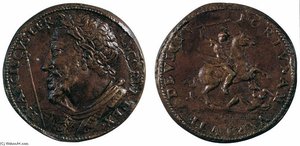
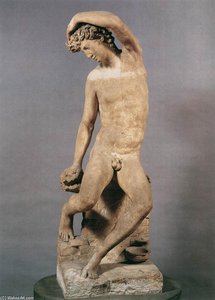
Benvenuto Cellini portréja

A 80 legnevezesebb Benvenuto Cellini festmény, egy galériaválaszték

Frissítve: november 2026 · rangsorolva népszerűségi pontszámunk alapján (minden mű keresései, látogatásai és megrendelései alapján) · 80 mű Benvenuto Cellini alkotása a katalógusunkban

Röviden

Benvenuto Cellini hagyatékából a leghíresebb alkotás Sóttartó (1540), amely a Bécs városi Kunsthistorisches Museum gyűjteményében található. Röviddel ezután követik őket Jupiter (1545) és Crucifix (detail) (1562). Katalógusunkban 80 mű található Benvenuto Cellini alkotótól; a galéria megőrizte a világ által leginkább csodált 80 darabot, melyeket a dátummal, a múzeummal és a történetükkel együtt mutatunk be.

1500 – 1571, Firenze Manierizmus A legtöbb mű: Museo Nazionale del Bargello

Benvenuto Cellini legjobb 10 festménye: a galéria válogatása

1
Sóttartó (1540) (1889) -ja Benvenuto Cellini

Sóttartó

1540 · Arany · Kunsthistorisches Museum, Bécs

A Saliera, amely az aranybevonatos fém eleganciájával ragyog, Benvenuto Cellini mesteri alkotása, amelyet Franciaország I. Ferenc király számára készítettek 1540 és 1543 között. Az alkotás az utódja, IX. Károly kezén keresztül került Ferdinánd II. főerdélyi archidukus birtokába. Ez a különleges sócipó a Föld allegóriáját és a szárazföld sekä a tenger közötti komplex kölcsönhatást mutatja be. A jobb oldalon egy háromfogú fegyverrel uralkodó férfi és egy hajó jelképezi a vizet, míg…

2
Jupiter (1545) (1889) -ja Benvenuto Cellini

Jupiter

1545 · Bronze · Museo Nazionale del Bargello, Fiorence

To stand before this magnificent depiction of Jupiter is to confront raw, untamed power rendered in the enduring majesty of bronze. This sculpture does not merely represent a god; it embodies the very force of nature—the thunderous authority that commands the skies. The figure dominates the space with an undeniable gravitas, his musculature meticulously articulated as if carved by the passing winds themselves. Observe the dynamic tension captured in his…

3
Crucifix (detail) (1562) (1889) -ja Benvenuto Cellini

Crucifix (detail)

1562 · Marble · Monasterio de San Lorenzo, El Escorial

Benvenuto Cellini’s 1562 marble sculpture, “Crucifix (detail),” is not merely a depiction of Christ’s suffering; it’s an immersive experience. Within the dimly lit confines of El Escorial, this intimate piece draws you into a world of profound emotion and technical mastery – a testament to Cellini's genius as both goldsmith and sculptor. The sculpture immediately commands attention with its stark realism and the palpable sense of agony radiating from the…

4
Morion for Francesco I de' Medici (1570) (1889) -ja Benvenuto Cellini

Morion for Francesco I de' Medici

1570 · Metalwork · Staatliche Kunstsammlungen, Drezden

In the grand tapestry of the Italian Renaissance, few objects capture the intersection of martial prestige and artistic virtuosity as profoundly as the Morion for Francesco I de' Medici. Created in 1570 by the legendary polymath Benvenuto Cellini, this is far more than a mere piece of protective headgear; it is a sculptural triumph rendered in metal. As a quintessential example of Mannerism, the Morion rejects the tranquil equilibrium of…

5
Danae and her Son Perseus (1545) (1889) -ja Benvenuto Cellini

Danae and her Son Perseus

1545 · Bronze · Museo Nazionale del Bargello, Fiorence

The bronze sculpture Danae and her Son Perseus by Benvenuto Cellini captures a moment of divine intersection. Created between 1545 and 1553 for Cosimo I de' Medici, the work depicts the mythological event where Zeus visits Danae in the form of golden rain. This Renaissance Mannerist piece resides within the Museo Nazionale del Bargello in Florence, Italy.

6
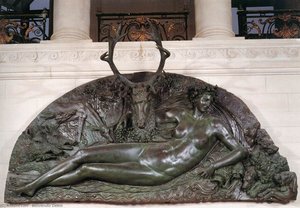
Nymph of Fontainebleau (1542) (1889) -ja Benvenuto Cellini

Nymph of Fontainebleau

1542 · Bronze · Louvre Múzeum, Párizs

To stand before the Nymph of Fontainebleau is to step directly into the languid, sun-dappled world of the Italian Renaissance. This magnificent bronze sculpture by Benvenuto Cellini does more than merely depict a figure; it captures an ephemeral moment—a breath held between slumber and awakening. The central subject, the reclining nymph, embodies a timeless confluence of nature’s grace and mythological mystery. Her pose is one of exquisite repose, her body…

7
Perseus (1540) (1889) -ja Benvenuto Cellini

Perseus

1540 · Bronze · Museo Nazionale del Bargello, Fiorence

In the heart of Florence’s Piazza della Signoria, amidst the architectural grandeur of the Loggia dei Lanzi, stands a masterpiece that captures the very essence of Mannerist tension and heroic triumph. Benvenuto Cellini’s Perseus is not merely a sculpture; it is a dramatic performance frozen in bronze. Created between 1545 and 1554, this monumental work depicts the legendary hero Perseus at the climactic moment of his mythic journey. He stands…

8
Bust of Cosimo I (detail) (1546) (1889) -ja Benvenuto Cellini

Bust of Cosimo I (detail)

1546 · Bronze · Museo Nazionale del Bargello, Fiorence

In the heart of the Italian Renaissance, where the pursuit of beauty met the raw ambition of political power, Benvenuto Cellini forged a masterpiece that transcends mere portraiture. The Bust of Cosimo I is not simply a likeness of the Grand Duke of Tuscany; it is a profound meditation on authority, captured in the enduring medium of bronze. To gaze upon this work is to step into the vibrant, often…

9
Bust of Bindo Altoviti (1549) (1889) -ja Benvenuto Cellini

Bust of Bindo Altoviti

Benvenuto Cellini's “Bust of Bindo Altoviti,” crafted in 1549, isn’t merely a sculpted likeness; it’s a meticulously constructed window into the heart of Renaissance Florence. This bronze masterpiece, now residing within the Isabella Stewart Gardner Museum in Boston, transcends simple portraiture to become a profound meditation on wealth, power, and the very essence of human representation. The subject, Bindo Altoviti, a prominent Florentine banker and astute political player, is rendered…

10
Perseus (1540) (1889) -ja Benvenuto Cellini

Perseus

1540 · Bronze · Museo Nazionale del Bargello, Fiorence

In the heart of Florence, amidst the architectural grandeur of the Loggia dei Lanzi, stands a masterpiece that captures the very essence of human struggle and divine victory. Benvenuto Cellini’s Perseus is not merely a sculpture; it is a breathtaking moment frozen in bronze, a dramatic climax of Greek mythology brought to life through the virtuosity of the Mannerist style. As the light dances across its aged patina, the figure…

A Benvenuto Cellini válogatás folytatódik: 11 – 80

11Crucifix (1562) (1889) -ja Benvenuto CelliniCrucifix1562 · Monasterio de San Lorenzo 12Nymph of Fontainebleau (detail) (1542) (1889) -ja Benvenuto CelliniNymph of Fontainebleau (detail)1542 · Louvre Múzeum 13Minerva (1545) (1889) -ja Benvenuto CelliniMinerva1545 · Museo Nazionale del Bargello 14Mercury (1545) (1889) -ja Benvenuto CelliniMercury1545 · Museo Nazionale del Bargello 15Nymph of Fontainebleau (detail) (1542) (1889) -ja Benvenuto CelliniNymph of Fontainebleau (detail)1542 · Louvre Múzeum 16Perseus (15) (1545) (1889) -ja Benvenuto CelliniPerseus (15)1545 · Loggia dei Lanzi 17Salt Cellar (1540) (1889) -ja Benvenuto CelliniSalt Cellar1540 · Kunsthistorisches Museum 18Salt Cellar (detail) (1540) (1889) -ja Benvenuto CelliniSalt Cellar (detail)1540 · Kunsthistorisches Museum 19Ganymede (1548) (1889) -ja Benvenuto CelliniGanymede1548 · Museo Nazionale del Bargello 20Salt Cellar (detail) (1540) (1889) -ja Benvenuto CelliniSalt Cellar (detail)1540 · Kunsthistorisches Museum 21Bust of Cosimo I (detail) (1546) (1889) -ja Benvenuto CelliniBust of Cosimo I (detail)1546 · Museo Nazionale del Bargello 22Juno (1540) (1889) -ja Benvenuto CelliniJuno1540 · Louvre Múzeum 23Salt Cellar (1540) (1889) -ja Benvenuto CelliniSalt Cellar1540 · Kunsthistorisches Museum 24Perseus (1545) (1889) -ja Benvenuto CelliniPerseus1545 · Loggia dei Lanzi 25Medallion with Leda and the Swan (1520) (1889) -ja Benvenuto CelliniMedallion with Leda and the Swan1520 · Museo Nazionale del Bargello 26Cope pin (front and back) (1520) (1889) -ja Benvenuto CelliniCope pin (front and back)1520 · British Museum 27Perseus (1545) (1889) -ja Benvenuto CelliniPerseus1545 · Loggia dei Lanzi 28Salt Cellar (8) (1540) (1889) -ja Benvenuto CelliniSalt Cellar (8)1540 · Kunsthistorisches Museum 29Salt Cellar (detail) (16) (1540) (1889) -ja Benvenuto CelliniSalt Cellar (detail) (16)1540 · Kunsthistorisches Museum 30Apollo and Hyacinth (detail) (1540) (1889) -ja Benvenuto CelliniApollo and Hyacinth (detail)1540 · Museo Nazionale del Bargello 31Perseus (detail) (12) (1545) (1889) -ja Benvenuto CelliniPerseus (detail) (12)1545 · Loggia dei Lanzi 32Perseus (detail) (1545) (1889) -ja Benvenuto CelliniPerseus (detail)1545 · Loggia dei Lanzi 33Perseus (detail) (1545) (1889) -ja Benvenuto CelliniPerseus (detail)1545 · Loggia dei Lanzi 34Shield (1572) (1889) -ja Benvenuto CelliniShield1572 · Louvre Múzeum 35Perseus (1540) (1889) -ja Benvenuto CelliniPerseus1540 · Museo Nazionale del Bargello 36Seal of Cardinal Ippolito d'Este (1540) (1889) -ja Benvenuto CelliniSeal of Cardinal Ippolito d'Este1540 · Musée des Beaux-Arts de Lyon 37Cope pin (profile) (1520) (1889) -ja Benvenuto CelliniCope pin (profile)1520 · British Museum 38Gunpowder case (1570) (1889) -ja Benvenuto CelliniGunpowder case1570 · Royal Armouries 39Portrait Bust of Cosimo I de (1889) -ja Benvenuto CelliniPortrait Bust of Cosimo I deLegion of Honor 40Shield for Francesco I de' Medici (detail) (11) (1570) (1889) -ja Benvenuto CelliniShield for Francesco I de' Medici (detail) (11)1570 · Staatliche Kunstsammlungen 41'Two Carlini' of Clemens VII (1520) (1889) -ja Benvenuto Cellini'Two Carlini' of Clemens VII1520 · Gabinetti Numismatici 42'Testone' of Alessandro de' Medici (1535) (1889) -ja Benvenuto Cellini'Testone' of Alessandro de' Medici1535 · Museo Nazionale del Bargello 43Benvenuto Cellini, Self-Portrait (1562) (1889) -ja Benvenuto CelliniBenvenuto Cellini, Self-Portrait1562 44Shield for Francesco I de' Medici (detail) (1570) (1889) -ja Benvenuto CelliniShield for Francesco I de' Medici (detail)1570 · Staatliche Kunstsammlungen 45Ganymede (8) (1548) (1889) -ja Benvenuto CelliniGanymede (8)1548 · Museo Nazionale del Bargello 46Project for a seal (1563) (1889) -ja Benvenuto CelliniProject for a seal1563 · British Museum 47Shield for Francesco I de' Medici (1570) (1889) -ja Benvenuto CelliniShield for Francesco I de' Medici1570 · Staatliche Kunstsammlungen 48Bust of Cosimo I (1546) (1889) -ja Benvenuto CelliniBust of Cosimo I1546 · Museo Nazionale del Bargello 49Medal of Alessandro de' Medici (1530) (1889) -ja Benvenuto CelliniMedal of Alessandro de' Medici1530 · Museo Nazionale del Bargello 50The Rescue of Andromeda (detail) (1550) (1889) -ja Benvenuto CelliniThe Rescue of Andromeda (detail)1550 · Museo Nazionale del Bargello 51'Giulio' of Alessandro de' Medici (1530) (1889) -ja Benvenuto Cellini'Giulio' of Alessandro de' Medici1530 · Museo Nazionale del Bargello 52Salt Cellar (detail) (1540) (1889) -ja Benvenuto CelliniSalt Cellar (detail)1540 · Kunsthistorisches Museum 53Francis I, King of France (1537) (1889) -ja Benvenuto CelliniFrancis I, King of France1537 · Fitzwilliam Múzeum 54Medal of Clement VII (obverse) (1534) (1889) -ja Benvenuto CelliniMedal of Clement VII (obverse)1534 · Museo Nazionale del Bargello 55Perseus (detail) (1545) (1889) -ja Benvenuto CelliniPerseus (detail)1545 · Loggia dei Lanzi 56Medal of Clement VII (two versions of the verso) (1534) (1889) -ja Benvenuto CelliniMedal of Clement VII (two versions of the verso)1534 · Museo Nazionale del Bargello 57Apollo (1560) (1889) -ja Benvenuto CelliniApollo1560 58Shield for Francesco I de' Medici (detail) (1570) (1889) -ja Benvenuto CelliniShield for Francesco I de' Medici (detail)1570 · Staatliche Kunstsammlungen 59Bust of Cosimo I (detail) (1546) (1889) -ja Benvenuto CelliniBust of Cosimo I (detail)1546 · Museo Nazionale del Bargello 60Shield for Francesco I de' Medici (detail) (10) (1570) (1889) -ja Benvenuto CelliniShield for Francesco I de' Medici (detail) (10)1570 · Staatliche Kunstsammlungen 61Salt Cellar (detail) (1540) (1889) -ja Benvenuto CelliniSalt Cellar (detail)1540 · Kunsthistorisches Museum 62Apollo and Hyacinth (1540) (1889) -ja Benvenuto CelliniApollo and Hyacinth1540 · Museo Nazionale del Bargello 63Salt Cellar (detail) (1540) (1889) -ja Benvenuto CelliniSalt Cellar (detail)1540 · Kunsthistorisches Museum 64Study for a seal (1560) (1889) -ja Benvenuto CelliniStudy for a seal1560 · Louvre Múzeum 65Nude of Fear (1889) -ja Benvenuto CelliniNude of FearMuseo Nazionale del Bargello 66The Rescue of Andromeda (detail) (1550) (1889) -ja Benvenuto CelliniThe Rescue of Andromeda (detail)1550 · Museo Nazionale del Bargello 67Helmet (1570) (1889) -ja Benvenuto CelliniHelmet1570 · Louvre Múzeum 68Perseus (13) (1540) (1889) -ja Benvenuto CelliniPerseus (13)1540 · Museo Nazionale del Bargello 69The Rescue of Andromeda (1550) (1889) -ja Benvenuto CelliniThe Rescue of Andromeda1550 · Museo Nazionale del Bargello 70Gold and amethyst parure donated by Maria Luigia to one of her palace ladies (1889) -ja Benvenuto CelliniGold and amethyst parure donated by Maria Luigia to one of her palace ladiesMuseo Glauco Lombardi 71Ganymede (1540) (1889) -ja Benvenuto CelliniGanymede1540 · Museo Nazionale del Bargello 72Medal of François I (1540) (1889) -ja Benvenuto CelliniMedal of François I1540 · Museo Nazionale del Bargello 73Narcissus (1540) (1889) -ja Benvenuto CelliniNarcissus1540 · Museo Nazionale del Bargello 74Detail of the gold and amethyst parure donated by Maria Luigia to one of her palace ladies (1889) -ja Benvenuto CelliniDetail of the gold and amethyst parure donated by Maria Luigia to one of her palace ladiesMuseo Glauco Lombardi 75Crucifixion (1889) -ja Benvenuto CelliniCrucifixion 76Gold and amethyst parure donated by Maria Luigia to one of her palace ladies (1889) -ja Benvenuto CelliniGold and amethyst parure donated by Maria Luigia to one of her palace ladiesMuseo Glauco Lombardi 77Detail of the gold and amethyst parure donated by Maria Luigia to one of her palace ladies (1889) -ja Benvenuto CelliniDetail of the gold and amethyst parure donated by Maria Luigia to one of her palace ladiesMuseo Glauco Lombardi 78Detail of the gold and amethyst parure donated by Maria Luigia to one of her palace ladies (1889) -ja Benvenuto CelliniDetail of the gold and amethyst parure donated by Maria Luigia to one of her palace ladiesMuseo Glauco Lombardi 79Sakuki Greyhound (1889) -ja Benvenuto CelliniSakuki GreyhoundMuseo Nazionale del Bargello 80Satyr (1889) -ja Benvenuto CelliniSatyrNational Gallery of Art

Benvenuto Cellini híres festményei, korszakonként

A témák, amelyek Benvenuto Cellini figyelmét meghúzták

A négy leggyakorobban előforduló téma ebben az eredeti művekben, mindegyik a legkiválóbb példájával.

A műemlékek, amelyek Benvenuto Cellini eredeti műveit őrzik

A 8 olyan múzeum, amely a legtöbb ezen az oldalon szereplő festményet őrzi.

Múzeum Város Benvenuto Cellini művei Ebből a listából származó festmények
Museo Nazionale del Bargello, FiorenceMuseo Nazionale del Bargello Fiorence 30 Jupiter, Danae and her Son Perseus, Perseus
Kunsthistorisches Museum, BécsKunsthistorisches Museum Bécs 10 Sóttartó, Salt Cellar, Salt Cellar (detail)
Louvre Múzeum, PárizsLouvre Múzeum Párizs 7 Nymph of Fontainebleau, Nymph of Fontainebleau (detail), Nymph of Fontainebleau (detail)
Loggia dei Lanzi, FirenzeLoggia dei Lanzi Firenze 7 Perseus (15), Perseus, Perseus
Staatliche Kunstsammlungen, DrezdenStaatliche Kunstsammlungen Drezden 6 Morion for Francesco I de' Medici, Shield for Francesco I de' Medici (detail) (11), Shield for Francesco I de' Medici (detail)
Museo Glauco Lombardi, ParmaMuseo Glauco Lombardi Parma 5 Gold and amethyst parure donated by Maria Luigia to one of her palace ladies, Detail of the gold and amethyst parure donated by Maria Luigia to one of her palace ladies, Gold and amethyst parure donated by Maria Luigia to one of her palace ladies
British Museum, LondonBritish Museum London 3 Cope pin (front and back), Cope pin (profile), Project for a seal
Monasterio de San Lorenzo, El EscorialMonasterio de San Lorenzo El Escorial 2 Crucifix (detail), Crucifix

Benvenuto Cellini évtizede folgtva: az eredeti művek, amelyek meghatározzák az egyes korzakot

Művek évtizedenként

Váassz ki egy évtizedet, hogy megnézhesd az azt meghatározó eredetiműveket.

Gyűjtői kérdések Benvenuto Cellini festményeivel kapcsolatban

Melyik művel a(z) Benvenuto Cellini a leghíresebb?Fedje fel a választ

Sóttartó (1540), Kunsthistorisches Museum, Bécs. Ezután Jupiter (1545) és Crucifix (detail) (1562) következik.

Hány éves volt Benvenuto Cellini, amikor a Sóttartó készült?Fedje fel a választ

40 éves: Sóttartó 1540-ből származik, Benvenuto Cellini pedig 1500-ben született.

Melyek a tíz leghíresebb Benvenuto Cellini festmény?Fedje fel a választ

Sóttartó, Jupiter, Crucifix (detail), Morion for Francesco I de' Medici, Danae and her Son Perseus, Nymph of Fontainebleau, Perseus, Bust of Cosimo I (detail), Bust of Bindo Altoviti és Perseus. A fenti rangsor a művek évszamarát és a múzeumát jelzi.

Hány festményet hagyott hátra Benvenuto Cellini?Fedje fel a választ

Katalógusunkban 80 mű található Benvenuto Cellini alkotótól, 1520 és 1570 év közötti időszakból.

Mely múzeumokban állnak Benvenuto Cellini remekművei?Fedje fel a választ

Leginkább Museo Nazionale del Bargello (Fiorence), Kunsthistorisches Museum (Bécs) és Louvre Múzeum (Párizs) található. A fenti múzeumi táblázatban mindegyik felsorolásra került.

Mely években festette Benvenuto Cellini leghíresebb műveit?Fedje fel a választ

1540s alatt: a jelen laphonon található 80 műből 42 készült ebben az időszakban, köztük Sóttartó.

Mikszétek az első és az utolsó híres eredeti műve a(z) Benvenuto Cellini alkotótól?Fedje fel a választ

Ezen az oldalon a leghitelesebb Medallion with Leda and the Swan (1520), a legutóbbi pedig Morion for Francesco I de' Medici (1570).

Milyen témaköröket választott leggyakrabban Benvenuto Cellini?Fedje fel a választ

Renaissance (37), Mythology (34) és Sculpture (24), a jelen oldalon található 80 műművészeti alkotás között.

Melyik technikát alkalmazta leggyakrabban Benvenuto Cellini?Fedje fel a választ

Bronze, a jelen oldalon található 80 műből 32 darab esetén.

Mely művészeti irányba tartozik Benvenuto Cellini?Fedje fel a választ

Manierizmus, ezen az oldalon található eredetiek alapján.

Mely Benvenuto Cellini művei láthatóak a Museo Nazionale del Bargello kiállتításán?Fedje fel a választ

Jupiter, Danae and her Son Perseus és Perseus: a Museo Nazionale del Bargello, Fiorence 30 művet őrzi ezen az oldalon.

Benvenuto Cellini: életmű és életút

Benvenuto Cellini: A Reneszánsz Zseni Élete és Művészete

Benvenuto Cellini, a reneszánsz Itália egyik legkiemelkedőbb alakja, nem csupán egy művész volt – ötvös, szobrász, tervező, katona, zenész és író is egy személyben. Életútja kalandok, szenvedélyek és önmagáról szóló mesterkurzus, melyet a híres önéletrajza, a *Mester élete* örökített meg, máig lenyűgöző olvasmányként szolgálva. Cellini művészete a manierizmus stílusát képviseli, amely a reneszánsz klasszikusság utáni időszakban jelentkezett, és drámaiságot, dinamizmust és egyedi kifejezést hangsúlyozott.

Fiatal Évei és Művészeti Képződés

Firenzében született 1500 novemberában, zenei vénységű családban – apja zenész volt, hangszereket készített. Cellini kezdetben a muzsikához fogékony volt, de tizenöt évesen elhatározta, hogy ötvös lesz. A szülei ellenére is meggyőzte apját, hogy Marcone mester műhelyében tanulhasson. Ez az időszak nem volt eseménytelen; hatodik életévében egy verekedésbe keveredett, ami száműzetést eredményezett Firenzéből. Sienában dolgozott Fracastoro ötvös mellett, majd Bolognában is szerzett tapasztalatokat, mielőtt visszatért és Giovanbattista Sogliani műhelyében helyet kapott.

Mesterművek és Művészeti Stílus

Cellini munkássága rendkívül sokszínű, de leginkább az aranyozás, a zománcalkalmazás és a plasztikus formák kidolgozása jellemezte. A manierizmus stílusa érzékelhető műveiben: a figurák gyakran meghosszabbodnak, a pózok túlzóak, a kompozíciók dinamikusak és színháziasak. Cellini nem csupán a formai tökéletességre törekedett, hanem arra is, hogy műveibe érzelmeket, drámát sugározzon.

A legkiemelkedőbb alkotásai közé tartozik a francia király, Ferenc I. számára készült Salt Cellar (Sótartó), egy lenyűgöző ezüstmű, mely aprólékos részletességgel és dinamikus figurákkal káprázata el az embert. A bécsi Kunsthistorisches Museum őrzi ezt a mesterművet. További jelentős alkotása a Perseusz a Medúza fejével című bronzszobor, mely Cellini képességeinek lenyűgöző bizonyítéka – a mozgás és az érzelem megragadásának virtuóz példája. A Leda és a hattyú arany érme pedig Gabriello Cesarino gonfaloniere számára készült, és a klasszikus mitológia elegáns ötvösművészettel való ötvözését mutatja be. Emellett számos tervezetet is hagyott hátra, mint például egy pecséttervezést, mely a British Museum gyűjteményében található.

A Katona, Zeneszerző és Író Cellini

Cellini élete nem csupán a művészet körül forogott. Katonaként részt vett számos ostromban, állítva magáról, hogy kulcsszerepet játszott Róma védelmében az császári erők ellen. Zeneszerzőként is jelentős szerepet töltött be, fuvolán és hárfán játszva a pápaliság udvarában. Azonban leginkább önéletrajza tette híressé, mely nem csupán művészeti emlékirat, hanem egy korabeli ember kalandjait, gondolatait és érzéseit őrző lenyűgöző olvasmány.

A *Mester élete* egy rendkívül önmagát dicsérő, de ugyanakkor becsületességre törekvő vallomás. Bár néha megbízhatatlannak tűnhet a túlzások miatt, mégis elengedhetetlen forrás az olasz reneszánsz életének megértéséhez. Cellini nem csupán a saját tehetségét hangsúlyozza, hanem bepillantást enged a kor művészeti és társadalmi életébe, betekintést nyújtva a pártfogók, riválisok és személyes kalandok világába.

Öröksége és Történelmi Jelentősége

Benvenuto Cellini 1571-ben halt meg Firenzében, egy olyan művész hagyatékát maga után hagyva, aki a manierizmus egyik legjelentősebb alakja. Művészeti képességei, innovációi és lenyűgöző önéletrajza máig inspirálják a művészeket és a művészetkedvelőket egyaránt. Cellini a reneszánsz ideáljának megtestesítője – egy sokoldalú zseni, aki több területen is brillírozott, ambiciózus volt és nem félt önmagát kifejezni. Művei szépségükkel, mesteri tudásukkal és drámai erejükkel örök helyet biztosítottak számára a művészettörténetben.