Albrecht Dürer portréja

A 100 legnevezesebb Albrecht Dürer festmény, egy galériaválaszték

Frissítve: november 2026 · rangsorolva népszerűségi pontszámunk alapján (minden mű keresései, látogatásai és megrendelései alapján) · 1 220 mű Albrecht Dürer alkotása a katalógusunkban

Röviden

Albrecht Dürer hagyatékából a leghíresebb alkotás A lovag, a halál és az ördög (1513). Röviddel ezután követik őket Young Hare (1502) és Öniség portréja húsz éves korában (1493). Katalógusunkban 1,220 mű található Albrecht Dürer alkotótól; a galéria megőrizte a világ által leginkább csodált 100 darabot, melyeket a dátummal, a múzeummal és a történetükkel együtt mutatunk be.

1471 – 1528, Nürnberg Északi reneszánsz A legtöbb mű: Metropolitan Művészeti Múzeum

Albrecht Dürer legjobb 10 festménye: a galéria válogatása

1
A lovag, a halál és az ördög (1513) (1889) -ja Albrecht Dürer

A lovag, a halál és az ördög

1513 · Gravírozás

Ez a mű egy monokróm rézfaragás, amely három fő alak közötti drámai összecsapást ábrázolja. A középpontban egy páncélba öltözött lovag halad át egy tájon, lovagja mellett egy kutya fut, amely a lovak között szökken fel. A bal oldalon a Halált jelképező csontváz alak egy palettás színű lovon hajut, kezében egy homokórral, jelezve az idő múlását. A jobb oldalon egy kecskekepű ördög ólálkodik a fák gyökerei között, sötét szándékaiyla. A táj…

2
Young Hare (1502) (1889) -ja Albrecht Dürer

Young Hare

1502 · Akvarell · Albertina, Bécs

Albrecht Dürer 1502-es akvarel remekműve túlmutat az egyszerű állatábrázoláson; ez a természet mélyebb tanulmányozása és a művész megegmászálthatatlan képességeinek életszerű bizonyítéka. A fiatal nyúl ez a rendkívül részletes ábrázolása nem csupán fizikai formáját örökíti meg, hanem azt a nyugodt figyelmességet és az efemer szépséget is, amely évszədexekkel később is megérintő marad a nézővel.

3
Öniség portréja húsz éves korában (1493) (1889) -ja Albrecht Dürer

Öniség portréja húsz éves korában

1493 · Olajfestmény vászonon · Louvre Múzeum, Párizs

Fedezze fel Albrecht Dürer mesterművének időtlen eleganciáját A fiatalkor és az önreflexió portréja Albrecht Dürer „Öniség portréja húsz éves korában” egy lenyűgöző ábrázolása egy fiatalembernek, amely a komolyság és az önreflexió hangulatát árasztja. A kép alanya, aki valószínűleg maga a Dürer, egy bojtos tiszyszálat tart a kezében, ami szimbolikus mélységet ad az alkotásnak. Ez a korai önportré bepillantást enged a művész fejlődő tehetségébe és abba a képességébe, amellyel apró részletekkel…

4
Önkép (1498) (1889) -ja Albrecht Dürer

Önkép

1498 · Olajfestmény panelen · Museo del Prado, Madrid

Albrecht Dürer 1498-as Önkép a Északréneszánsz egyik legjelentősebb alkotása. Ebben a festményben a művész saját arcát mutatja be, egy olyan pillanatot örökítve meg, amely mély pszichológiai mélységet áraszt. A mű a XV. század végi változékony művészeti tájat tükrözi, amely az egyén őszintébb és részletesebb ábrázolása felé mozdult el.

5
A rökögők imádatát (1504) (1889) -ja Albrecht Dürer

A rökögők imádatát

1504 · Olajfestmény panelen

A panelfestmény, melyet Albrecht Dürer alkotott, a rökögők imádatát című mű, egy különleges megbízás és cél kiteljesüléséből született meg. Az alkotás 1504-ben készült, amelyet a bölcs Frigyes, a szász választóherceg tett megáldozássá, azaz megrendelte a művésztől. Ez a kreáció eredetileg a wittenbergi Schlosskirche oltárára volt szánva, mint a vallási elszántottság és a művészeti remekművesség találkozása.

6
Önportré 22 évesen, 1493, Louvre (1889) -ja Albrecht Dürer

Önportré 22 évesen, 1493, Louvre

Egy pillantás a művészi érettségbe: Dürer önportréja 22 évesen Ez a lenyűgöző önportré, amelyet a mesteri Albrecht Dürer alkotott meg 1500-ban, sokkal több, mint egy egyszerű hasonlat; ez a művészi identitás megtekintése és egy kulcsfontosságú alkotás a északi reneszáns történetében. Bár a dátumot gyakran félrevesztik 1493-ra, a festmény valójában akkor készült, amikor a művész mindössze harminchéves volt. Ez a darab a Louvre Múzeum collectionsében található, és Dürer rendkívüli képességeit és…

7
A Szentháromság imádatát ábrázoló oltár (Landauer-oltár) (1511) (1889) -ja Albrecht Dürer

A Szentháromság imádatát ábrázoló oltár (Landauer-oltár)

1511 · Olajfestmény panelen · Kunsthistorisches Museum, Bécs

A Adoration of the Trinity (Landauer-oltár) Albrecht Dürer ecsetjének varázslatos erejéből született alkotás, amely hatalmas méreteivel és spirituális súlyával azonnal magára vonja a néző tekintetét. Ez a monumentális mű, amelyet 1511-ben készítettek, az égi találkozás egy pillanatát örökíti meg. Mély vizuális himnuszként ábrázolja azt a pillanatot, amikor a szści és a földi találkozik a reverencia egyetlen, egységes aktusában. A szent térben összegyűlt alakok súlya szinte érezhetővé teszi a levegő sűrűségét,…

8
Egy fiatal velencei nő portréja (1507) (1889) -ja Albrecht Dürer

Egy fiatal velencei nő portréja

1507 · Olajfestmény panelen · Kunsthistorisches Museum, Bécs

Albrecht Dürer 1507-ben festett „Fiatal velencei nő” portréja nem csupán egy arckép, hanem egy lenyűgöző időszak, a német reneszánsz csúcspontjának gyöngyszeme. A műalkotás mély betekintést nyújt a 16. századi Velence világába, a gazdag kereskedelmi város kifinomult szépségébe és titokzatosságába. Dürer második olaszországi látogatása során született ez a portré, melyben a művész nem csupán egy női arcot ábrázol, hanem Velence szellemét ragadja meg ecsettel.

9
Krisztus a Tanítóközök Követében (1506) (1889) -ja Albrecht Dürer

Krisztus a Tanítóközök Követében

1506 · Olajfestmény panelen · Thyssen-Bornemisza Múzeum, Madrid

The painting's power lies first in its meticulous technique, a hallmark of Dürer’s exceptional skill and deeply rooted in the traditions of Northern European art. Executed with painstaking detail, every fold of drapery, every expression on each face, is rendered with astonishing realism. Unlike the idealized beauty often favored by the High Renaissance masters, Dürer deliberately embraces a raw, almost tangible quality – a sense of immediacy that draws the…

10
A rózsaszálak ünnepsége (részlet) (1506) (1889) -ja Albrecht Dürer

A rózsaszálak ünnepsége (részlet)

1506 · Olajfesték · Národní galerie Praha, Prágába

Albrecht Dürer A rózsaszálak ünnepsége című műve előtt állni olyan, mintha közvetlenül a német reneszánsz szívébe költöznénk – egy olyan korszakba, amelyben a humanista szellem és a mély vallásos áhítat tökéletes harmóniában táncolt. Az 1506-ban készült monumentális olajfestmény túlmutat a puszta bibliai ábrázoláson; ez a mesterfokú kivitelezés a művészi tudatosság kifogástalan bizonyítéka, amely a mai léleket is lenyűgözni tudja. A jelenet sűrűn megvilágosított táblaképként nyílik meg, a alakok lélegzetelállítóan összetett…

A Albrecht Dürer válogatás folytatódik: 11 – 100

11A Rózsacsarnok (1506) (1889) -ja Albrecht DürerA Rózsacsarnok1506 12Albrecht Dürer önképe (1889) -ja Albrecht DürerAlbrecht Dürer önképe 13Egy fiatal vénusz nő portréja (1505) (1889) -ja Albrecht DürerEgy fiatal vénusz nő portréja1505 · Kunsthistorisches Museum 14A négy apostol (1526) (1889) -ja Albrecht DürerA négy apostol1526 · Bavári Állami Festırménygyűjtemények 15A lovag, a halál és az ördög (1513) (1889) -ja Albrecht DürerA lovag, a halál és az ördög1513 · Staatliche Kunsthalle Karlsruhe 16A lovag, a halál és az ördög (1889) -ja Albrecht DürerA lovag, a halál és az ördög 17A férfiak fürdője (1497) (1889) -ja Albrecht DürerA férfiak fürdője1497 · British Museum 18Szent Jerómus a vadonban (1495) (1889) -ja Albrecht DürerSzent Jerómus a vadonban1495 · National Gallery 19A tengeri szörny (1498) (1889) -ja Albrecht DürerA tengeri szörny1498 · Metropolitan Művészeti Múzeum 20Arcus Völgye Nézete Tirolban (1495) (1889) -ja Albrecht DürerArcus Völgye Nézete Tirolban1495 · Louvre Múzeum 21Keresztmetszés (1508) (1889) -ja Albrecht DürerKeresztmetszés1508 · Metropolitan Művészeti Múzeum 22A Szűzanya hét szomorúsága (1496) (1889) -ja Albrecht DürerA Szűzanya hét szomorúsága1496 · Alte Pinakothek 23Szent Jeromos bűnbánó a vadonban (1496) (1889) -ja Albrecht DürerSzent Jeromos bűnbánó a vadonban1496 · Metropolitan Művészeti Múzeum 24A pokol kiürítése vagy, Krisztus a Limba kapujában (No. 14) (1512) (1889) -ja Albrecht DürerA pokol kiürítése vagy, Krisztus a Limba kapujában (No. 14)1512 · Metropolitan Művészeti Múzeum 25A Szűz Mária élete: 18. A Szűz Mária koronázata (1510) (1889) -ja Albrecht DürerA Szűz Mária élete: 18. A Szűz Mária koronázata1510 · Graphische Sammlung Albertina 26Nyúl (1502) (1889) -ja Albrecht DürerNyúl1502 · Albertina 27Kis Passion: 2. Kivetés a Paradicsomból (1510) (1889) -ja Albrecht DürerKis Passion: 2. Kivetés a Paradicsomból1510 · British Museum 28Önkép szőrmeperjű köpenyben (1500) (1889) -ja Albrecht DürerÖnkép szőrmeperjű köpenyben1500 · Alte Pinakothek 29A szenvedés a kertben (1515) (1889) -ja Albrecht DürerA szenvedés a kertben1515 · Metropolitan Művészeti Múzeum 30The Temptation of the Idler or The Dream of the Doctor (1498) (1889) -ja Albrecht DürerThe Temptation of the Idler or The Dream of the Doctor1498 · Metropolitan Művészeti Múzeum 31Hands of an Apostle (1508) (1889) -ja Albrecht DürerHands of an Apostle1508 32St Peter and St John Healing the Cripple (No. 16) (1513) (1889) -ja Albrecht DürerSt Peter and St John Healing the Cripple (No. 16)1513 · Metropolitan Művészeti Múzeum 33Saint Eustace (1501) (1889) -ja Albrecht DürerSaint Eustace1501 34Épület mögötti udvar Innsbruckban felhővel (1494) (1889) -ja Albrecht DürerÉpület mögötti udvar Innsbruckban felhővel1494 · Graphische Sammlung Albertina 35The Bagpiper (1514) (1889) -ja Albrecht DürerThe Bagpiper1514 · Metropolitan Művészeti Múzeum 36The Harrowing of Hell or Christ in Limbo, from The Large Passion (1510) (1889) -ja Albrecht DürerThe Harrowing of Hell or Christ in Limbo, from The Large Passion1510 · Albertina 37Sudarium Displayed by Two Angels (1513) (1889) -ja Albrecht DürerSudarium Displayed by Two Angels1513 · Metropolitan Művészeti Múzeum 38Sylvan férfiak heraldikus pajzsokkal (1499) (1889) -ja Albrecht DürerSylvan férfiak heraldikus pajzsokkal1499 · Alte Pinakothek 39The Virgin Mary in Prayer (1518) (1889) -ja Albrecht DürerThe Virgin Mary in Prayer1518 · Berlin Állami Múzeumai 40Pattern from the Series of Six Knots 3 (1505) (1889) -ja Albrecht DürerPattern from the Series of Six Knots 31505 · British Museum 41Szent Eustasz (1501) (1889) -ja Albrecht DürerSzent Eustasz1501 · National Gallery of Victoria 42A tíz ezer mártírözvegye (1508) (1889) -ja Albrecht DürerA tíz ezer mártírözvegye1508 · Kunsthistorisches Museum 43St Jerome in his Study (1514) (1889) -ja Albrecht DürerSt Jerome in his Study1514 · Staatliche Kunsthalle 44St Christopher (1511) (1889) -ja Albrecht DürerSt Christopher1511 · British Museum 45Upper Body of Christ (1508) (1889) -ja Albrecht DürerUpper Body of Christ1508 46Portrait of William Pirckheimer (1503) (1889) -ja Albrecht DürerPortrait of William Pirckheimer1503 47Portrait of Erasmus (1520) (1889) -ja Albrecht DürerPortrait of Erasmus1520 · Louvre Múzeum 48Adam (1507) (1889) -ja Albrecht DürerAdam1507 · Museo del Prado 4993 éves férfi tanulmánya (1521) (1889) -ja Albrecht Dürer93 éves férfi tanulmánya1521 · Graphische Sammlung Albertina 50Erasmus of Rotterdam (1501) (1889) -ja Albrecht DürerErasmus of Rotterdam1501 51The Emperors Charlemagne and Sigismund (1510) (1889) -ja Albrecht DürerThe Emperors Charlemagne and Sigismund1510 · Courtauld Gallery 52Jabach Altar: Saints Simeon and Lazarus (1500) (1889) -ja Albrecht DürerJabach Altar: Saints Simeon and Lazarus1500 · Bavári Állami Festırménygyűjtemények 53Wing of a Blue Roller (1512) (1889) -ja Albrecht DürerWing of a Blue Roller1512 · Graphische Sammlung Albertina 54The Small Courier (1496) (1889) -ja Albrecht DürerThe Small Courier1496 55Self-Portrait at 26 (1498) (1889) -ja Albrecht DürerSelf-Portrait at 261498 · Museo del Prado 56Virgin and child with a pear (1512) (1889) -ja Albrecht DürerVirgin and child with a pear1512 · Kunsthistorisches Museum 57Crowning with Thorns (1504) (1889) -ja Albrecht DürerCrowning with Thorns1504 58Small Passion: 9. Christ Washing Peter's Feet (1511) (1889) -ja Albrecht DürerSmall Passion: 9. Christ Washing Peter's Feet1511 · British Museum 59Head of an Angel (1506) (1889) -ja Albrecht DürerHead of an Angel1506 · Graphische Sammlung Albertina 60Portrait Of A Woman With Her Hair Down (1497) (1889) -ja Albrecht DürerPortrait Of A Woman With Her Hair Down1497 · Städel Múzeum 61Eve (1507) (1889) -ja Albrecht DürerEve1507 · Museo del Prado 62Way to Calvary (1527) (1889) -ja Albrecht DürerWay to Calvary1527 · Accademia Carrara di Belle Arti Bergamo 63Traumgesicht. Dürer dokumentiert einen seiner Albträume (1525) (1889) -ja Albrecht DürerTraumgesicht. Dürer dokumentiert einen seiner Albträume1525 · Kunsthistorisches Museum 64Jabach Altar: Saints Joseph and Joachim (1504) (1889) -ja Albrecht DürerJabach Altar: Saints Joseph and Joachim1504 · Bavári Állami Festırménygyűjtemények 65Adoration of the Magi (1504) (1889) -ja Albrecht DürerAdoration of the Magi1504 · Galleria degli Uffizi 66Virgin and Child (1516) (1889) -ja Albrecht DürerVirgin and Child1516 · Metropolitan Művészeti Múzeum 67The Southern Hemisphere of the Celestial Globe (1515) (1889) -ja Albrecht DürerThe Southern Hemisphere of the Celestial Globe1515 · British Museum 68Martyrdom of the Ten Thousand (1496) (1889) -ja Albrecht DürerMartyrdom of the Ten Thousand1496 · Graphische Sammlung Albertina 69Satyr Family (1505) (1889) -ja Albrecht DürerSatyr Family1505 70Study of Hands (1506) (1889) -ja Albrecht DürerStudy of Hands1506 · Blasius Collection 71Triumphal Arch (detail) (1515) (1889) -ja Albrecht DürerTriumphal Arch (detail)1515 · Germanisches Nationalmuseum 72Life of the Virgin: 6. Marriage of the Virgin (1504) (1889) -ja Albrecht DürerLife of the Virgin: 6. Marriage of the Virgin1504 · Graphische Sammlung Albertina 73Study of a Man with a Drill (1496) (1889) -ja Albrecht DürerStudy of a Man with a Drill1496 · Musée Bonnat 74Small Passion: 32. Christ and the Disciples at Emmaus (1511) (1889) -ja Albrecht DürerSmall Passion: 32. Christ and the Disciples at Emmaus1511 · British Museum 75Illustration to Revelationes Sancte Birgitte (1500) (1889) -ja Albrecht DürerIllustration to Revelationes Sancte Birgitte1500 · British Museum 76Self-Portrait at 26 (detail) (1498) (1889) -ja Albrecht DürerSelf-Portrait at 26 (detail)1498 · Museo del Prado 77The Cook And His Wife (1496) (1889) -ja Albrecht DürerThe Cook And His Wife1496 78The Flagellation (1511) (1889) -ja Albrecht DürerThe Flagellation1511 79Man Of Sorrows With Hands Raised (1500) (1889) -ja Albrecht DürerMan Of Sorrows With Hands Raised1500 80Prudentia (1494) (1889) -ja Albrecht DürerPrudentia1494 81The Four Witches (1497) (1889) -ja Albrecht DürerThe Four Witches1497 82Christ on the Cross with the Virgin and St John (1510) (1889) -ja Albrecht DürerChrist on the Cross with the Virgin and St John1510 · British Museum 83A Nagy Passió: 4. Ecce Homo (1499) (1889) -ja Albrecht DürerA Nagy Passió: 4. Ecce Homo1499 · Graphische Sammlung Albertina 84The Seven Trumpets Are Given to the Angels (1498) (1889) -ja Albrecht DürerThe Seven Trumpets Are Given to the Angels1498 85The Battle of the Angels (1498) (1889) -ja Albrecht DürerThe Battle of the Angels1498 86Studies of Self-Portrait, Hand and Pillow (1493) (1889) -ja Albrecht DürerStudies of Self-Portrait, Hand and Pillow1493 · Metropolitan Művészeti Múzeum 87Christ before Caiaphas (No. 4) (1512) (1889) -ja Albrecht DürerChrist before Caiaphas (No. 4)1512 · Metropolitan Művészeti Múzeum 88Jakob Fugger The Rich (1518) (1889) -ja Albrecht DürerJakob Fugger The Rich1518 · Staatsgalerie 89The Annunciation (1511) (1889) -ja Albrecht DürerThe Annunciation1511 90The coat of arms with the skull (1507) (1889) -ja Albrecht DürerThe coat of arms with the skull1507 91Erdélyi rétű liget két férfi székével és vízfolyórával (1505) (1889) -ja Albrecht DürerErdélyi rétű liget két férfi székével és vízfolyórával1505 92St Simon (1523) (1889) -ja Albrecht DürerSt Simon1523 · Metropolitan Művészeti Múzeum 93Albrecht Dürer

Olasz reneszánszi befolyás, keresztény szimbólumok, narratív témák, német művészi innováció”, “Dürer 목판화 kiadvány mestersége”, Központi munka a portfóliójában”

Maturitás időszak

Észak-Reneszánszi

Utolsó Ebbszeder

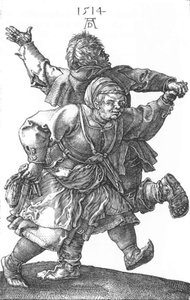
Tanútsd meg Dürer reme (1511) (1889) -ja Albrecht DürerAlbrecht Dürer Olasz reneszánszi befolyás, keresztény szimbólumok, narratív témák, német művészi innováció”, “Dürer 목판화 kiadvány mestersége”, Központi munka a portfóliójában” Maturitás időszak Észak-Reneszánszi Utolsó Ebbszeder Tanútsd meg Dürer reme1511 94Peasant Couple Dancing (1514) (1889) -ja Albrecht DürerPeasant Couple Dancing1514 · Metropolitan Művészeti Múzeum 95Studies on the Proportions of the Female Body (1528) (1889) -ja Albrecht DürerStudies on the Proportions of the Female Body1528 · Staatsbibliothek Bamberg 96The Revelation of St John: 11. St Michael Fighting the Dragon (1498) (1889) -ja Albrecht DürerThe Revelation of St John: 11. St Michael Fighting the Dragon1498 · Staatliche Kunsthalle 97A Szűzanya Meddő Gyermeke (1512) (1889) -ja Albrecht DürerA Szűzanya Meddő Gyermeke1512 · Graphische Sammlung Albertina 98Máximilián I portréta (1518) (1889) -ja Albrecht DürerMáximilián I portréta1518 · Graphische Sammlung Albertina 99Muse Calliope (1494) (1889) -ja Albrecht DürerMuse Calliope1494 100The Large Horse (1509) (1889) -ja Albrecht DürerThe Large Horse1509

Albrecht Dürer híres festményei, korszakonként

A témák, amelyek Albrecht Dürer figyelmét meghúzták

A négy leggyakorobban előforduló téma ebben az eredeti művekben, mindegyik a legkiválóbb példájával.

A műemlékek, amelyek Albrecht Dürer eredeti műveit őrzik

A 8 olyan múzeum, amely a legtöbb ezen az oldalon szereplő festményet őrzi.

Múzeum Város Albrecht Dürer művei Ebből a listából származó festmények
Metropolitan Művészeti Múzeum, New YorkMetropolitan Művészeti Múzeum New York 51 A tengeri szörny, Keresztmetszés, Szent Jeromos bűnbánó a vadonban
Graphische Sammlung Albertina, BécsGraphische Sammlung Albertina Bécs 46 A Szűz Mária élete: 18. A Szűz Mária koronázata, Épület mögötti udvar Innsbruckban felhővel, 93 éves férfi tanulmánya
British Museum, LondonBritish Museum London 67 A férfiak fürdője, Kis Passion: 2. Kivetés a Paradicsomból, Pattern from the Series of Six Knots 3
Kunsthistorisches Museum, BécsKunsthistorisches Museum Bécs 26 A Szentháromság imádatát ábrázoló oltár (Landauer-oltár), Egy fiatal velencei nő portréja, Egy fiatal vénusz nő portréja
Museo del Prado, MadridMuseo del Prado Madrid 9 Önkép, Adam, Self-Portrait at 26
Alte Pinakothek, MünchenAlte Pinakothek München 25 A Szűzanya hét szomorúsága, Önkép szőrmeperjű köpenyben, Sylvan férfiak heraldikus pajzsokkal
Albertina, BécsAlbertina Bécs 19 Young Hare, Nyúl, The Harrowing of Hell or Christ in Limbo, from The Large Passion
Bavári Állami Festırménygyűjtemények, MunchenBavári Állami Festırménygyűjtemények Munchen 9 A négy apostol, Jabach Altar: Saints Simeon and Lazarus, Jabach Altar: Saints Joseph and Joachim

Albrecht Dürer évtizede folgtva: az eredeti művek, amelyek meghatározzák az egyes korzakot

Művek évtizedenként

Váassz ki egy évtizedet, hogy megnézhesd az azt meghatározó eredetiműveket.

Gyűjtői kérdések Albrecht Dürer festményeivel kapcsolatban

Melyik művel a(z) Albrecht Dürer a leghíresebb?Fedje fel a választ

A lovag, a halál és az ördög (1513). Ezt követi Young Hare (1502) és Öniség portréja húsz éves korában (1493).

Hány éves volt Albrecht Dürer, amikor a A lovag, a halál és az ördög készült?Fedje fel a választ

42 éves: A lovag, a halál és az ördög 1513-ből származik, Albrecht Dürer pedig 1471-ben született.

Melyek a tíz leghíresebb Albrecht Dürer festmény?Fedje fel a választ

A lovag, a halál és az ördög, Young Hare, Öniség portréja húsz éves korában, Önkép, A rökögők imádatát, Önportré 22 évesen, 1493, Louvre, A Szentháromság imádatát ábrázoló oltár (Landauer-oltár), Egy fiatal velencei nő portréja, Krisztus a Tanítóközök Követében és A rózsaszálak ünnepsége (részlet). A fenti rangsor a művek évszamarát és a múzeumát jelzi.

Hány festményet hagyott hátra Albrecht Dürer?Fedje fel a választ

Katalógusunkban 1,220 mű található Albrecht Dürer alkotótól, 1493 és 1528 év közötti időszakból.

Mely múzeumokban állnak Albrecht Dürer remekművei?Fedje fel a választ

Leginkább Metropolitan Művészeti Múzeum (New York), Graphische Sammlung Albertina (Bécs) és British Museum (London) található. A fenti múzeumi táblázatban mindegyik felsorolásra került.

Mely években festette Albrecht Dürer leghíresebb műveit?Fedje fel a választ

1500s alatt: a jelen laphonon található 100 műből 33 készült ebben az időszakban, köztük Young Hare.

Mikszétek az első és az utolsó híres eredeti műve a(z) Albrecht Dürer alkotótól?Fedje fel a választ

Ezen az oldalon a leghitelesebb Öniség portréja húsz éves korában (1493), a legutóbbi pedig Studies on the Proportions of the Female Body (1528).

Milyen témaköröket választott leggyakrabban Albrecht Dürer?Fedje fel a választ

Renaissance (24), Renaissance art (21) és Engraving (8), a jelen oldalon található 100 műművészeti alkotás között.

Melyik technikát alkalmazta leggyakrabban Albrecht Dürer?Fedje fel a választ

Engraving, a jelen oldalon található 100 műből 18 darab esetén.

Mely művészeti irányba tartozik Albrecht Dürer?Fedje fel a választ

Északi reneszánsz, ezen az oldalon található eredetiek alapján.

Mely Albrecht Dürer művei láthatóak a Metropolitan Művészeti Múzeum kiállتításán?Fedje fel a választ

A tengeri szörny, Keresztmetszés és Szent Jeromos bűnbánó a vadonban: a Metropolitan Művészeti Múzeum, New York 14 művet őrzi ezen az oldalon.

Albrecht Dürer: életmű és életút

The Life and Origins of Albrecht Dürer

In the bustling Franconian city of Nuremberg, a place where the air often carried the scent of metal and the precision of fine handiwork, Albrecht Dürer entered the world in 1471. He was born into a household defined by the steady, disciplined rhythm of craftsmanship. His father, Albrecht Dürer the Elder, was a successful goldsmith who had brought his trade and his lineage to the city. This environment of meticulous labor and material mastery provided the very soil in which the young boy's talents would eventually take root.

While his father might have envisioned a life spent working with precious metals, the boy possessed a different kind of hunger. His hands were drawn not to the hammer of the smith, but to the delicate precision of drawing and the profound possibilities of the image. This innate inclination would eventually transform him into a man of many disciplines. He would become a painter, a draftsman, a writer, and a printmaker, each role allowing him to explore the world through a different lens of observation and technical skill.

His early years were shaped by this tension between the family trade and his own burgeoning identity. The discipline of the goldsmith's workshop instilled in him a rigorous work ethic that he would carry into every medium he touched. Even as a child, his talent was evident, appearing in early works such as a silverpoint self-portrait from about 1484. This early sign of his skill hinted at the complex, intellectual artist he was destined to become.

Early Life, Family and Training

In the bustling streets of Nuremberg, the boy Albrecht was shaped by the steady, disciplined rhythm of his father's workshop. His father, a goldsmith who had traveled from Hungary to find his fortune, brought with him a lineage of meticulous craftsmanship. Young Albrecht began his training under his father's watchful eye, learning the precision required to work with metal. Yet, the boy's hand possessed a different kind of grace. It was evident to those around him that his true calling lay not in the shaping of gold, but in the fluid movement of a drawing tool across a surface.

By the age of thirteen, his talent led him away from the family trade and into the workshop of Michael Wolgemut, the leading artist of the city. This transition marked the beginning of a profound immersion into the visual language of the age. From 1486 to 1490, he labored under Wolgemut, absorbing the secrets of composition and design. He found himself surrounded by the heavy scent of ink and the constant activity of woodcut illustration. This period of apprenticeship was a deep education in the mechanics of image-making, where he learned how to translate complex ideas into the stark, powerful lines of a woodblock.

His early development was marked by a precocious ability to capture the world with startling accuracy. Even as a teenager, his skill was evident in his early drawings, such as a silverpoint self-portrait created when he was barely thirteen. These formative years in Nuremberg provided the technical foundation upon which his entire career would be built, blending the rigorous work ethic of a goldsmith with the expansive vision of a master illustrator.

Travels and the Italian Influence

Driven by a restless curiosity to master the secrets of form and perspective, Dürer turned his gaze toward the south. In 1494, he embarked on his first trip to Italy, seeking the source of the new artistic language emerging from the Mediterranean. He wandered through Venice and Bologna in the late 1490s, absorbing the classical motifs and the harmonious compositions that defined the Italian style. This was no mere sightseeing; he was a student of a different way of seeing. He sought to understand how the masters of the south organized space and human figure, bringing these lessons back to the northern lands.

His second sojourn to Italy occurred between 1505 and 1507, a period that further refined his understanding of proportion and grace. He did not simply adopt the Italian manner; instead, he merged it with his own meticulous northern sensibility. This synthesis allowed him to create works that possessed both the structural clarity of the south and the intense detail of his German upbringing. Even in his later years, his curiosity remained active, leading him through the Netherlands between 1520 and 1521. He remained a man in constant motion, always searching for the mathematical and visual truths that governed the natural world.

Mastery of Printmaking and Engraving

The workshop of a true craftsman is a place of intense labor, and Dürer found his greatest purpose in the rhythmic precision of the print. He was a man of immense technical skill, capable of both carving relief into woodblocks and working with the sharp, decisive bite of the metal burin. While many of his contemporaries used these methods merely to replicate existing images, he transformed the very nature of the medium. He turned printmaking into an independent art form, one that carried its own weight and dignity. Throughout his long career, he produced over 300 prints, each a product of his tireless hand and searching eye.

His mastery was most evident when he turned to the intaglio process, using copper plates to achieve a depth of tone that few could match. He did not rely on simple shading; instead, he built his images through a complex language of lines. By employing hatching, cross-hatching, and even double hatching, he could mimic the subtle shifts of light and shadow found in the natural world. This meticulous approach allowed him to move beyond the flat surfaces of earlier woodcuts, creating a sense of volume and atmosphere that felt startlingly real to those who held the paper.

Technique and Artistic Style

Dürer sought to find the hidden logic within the visible world, believing that art should be grounded in the certainties of mathematics and science. He did not merely observe the surface of things; he applied a rigorous, analytical approach to the way light falls upon a limb or how a body occupies space. This commitment to the mathematical foundations of representation allowed him to achieve a profound understanding of anatomy and proportion. He moved beyond the simple imitation of nature, striving instead to grasp the underlying rules that govern its form. Through this disciplined eye, he achieved a remarkable naturalism that felt both deeply human and intellectually precise.

His hand possessed a unique ability to bridge two distant worlds. He took the meticulous, sharp-edged precision of the Northern European tradition and infused it with the grace and harmonious composition he encountered in Italy. This synthesis allowed him to render textures with an almost obsessive attention to detail, yet he maintained a sense of fluid elegance. He even adopted the subtle blending of tones known as sfumato, using it to soften transitions and add a sense of atmospheric depth to his compositions. This marriage of technical rigor and aesthetic grace gave his work a weight and presence that was entirely his own.
Key Works and Major Series

The hunger to translate complex spiritual truths into wood and metal drove much of his creative output. In 1498, he produced the Apocalypse series, a collection of fourteen woodcuts that captured the intense imagery of the Book of Revelation. These prints demonstrated how much detail could be carved into a simple woodblock. His reach into the realm of engraving allowed for even greater precision, as seen in his 1504 engraving of Adam and Eve. This work sought to capture the human form with a new sense of anatomical accuracy. He also applied his skill to large-scale religious commissions, such as the Feast of the Rose Garlands altarpiece in 1506.

As he matured, his engravings became more introspective and intellectually dense. Between 1513 and 1514, he produced several works that are often called his master engravings, including Melencolia I and Saint Jerome in His Study. These pieces moved beyond simple illustration to explore profound psychological states through intricate line work and shadow. Even in his later years, his hand remained steady and purposeful. In 1526, he completed the Four Apostles, a work that continued his lifelong pursuit of combining technical mastery with deep spiritual meaning.

Legacy and Enduring Influence

The shadow cast by Dürer reaches deep into the history of Western art, touching the very way we perceive the creator's place in society. He sought to move the artist away from the status of a mere craftsman, laboring in a workshop to produce goods, and toward the dignity of an intellectual practitioner. This shift was fueled by his own rigorous study of the mathematical and scientific foundations of beauty. In his final years, he codified these convictions in his theoretical writings, including the Four Books of Human Proportion, published about 1528. Through these texts, he argued that art was a discipline of the mind, requiring a deep understanding of geometry and the natural world.

He acted as a vital bridge between two distinct worlds, weaving the meticulous, symbolic traditions of Northern Europe into the harmonious ideals of the Italian Renaissance. By absorbing the classical motifs and perspective of the south and blending them with the exacting detail of his German roots, he created a visual language that was entirely his own. This synthesis allowed for a new kind of naturalism, one that did not sacrifice spiritual depth for the sake of anatomical accuracy. His meticulous realism remains a point of study for scholars and artists who seek to understand the precise intersection of observation and expression.

Where to See the Works Today

To follow the path of his hand, one must travel across many borders, for his presence is felt in the great halls of Europe and beyond. In London, the British Museum holds a vast assembly of sixty-seven of his works, offering a deep look into the precision of his vision. Those who seek the spirit of his engravings might find themselves in Vienna at the Albertina, where fifty-one of his pieces remain preserved. The city of New York also keeps a significant portion of his output, with forty-seven works held within the Metropolitan Museum of Art.

The weight of his legacy is felt heavily in Germany as well. The Staatliche Museen zu Berlin maintains thirty-one of his works, while the Alte Pinakothek in Munich preserves twenty-nine. These collections allow us to witness the evolution of his skill, from the early silverpoint drawings of his youth to the complex, layered compositions of his later years. One might find the Four Apostles in Munich or the intricate details of his woodcuts in the various archives of Berlin.