Tina Modotti portréja

A 12 legnevesebbebb Tina Modotti festmény, mindegyik egyedistens

Frissítve: november 2026 · rangsorolva népszerűségi pontszámunk alapján (minden mű keresései, látogatásai és megrendelései alapján) · 18 mű Tina Modotti alkotása a katalógusunkban

Röviden

[Edward Weston] (1924) az a Tina Modotti festmény, amely a legtöbb tekintetet felvonja; az eredeti mű a Amon Carter Museum of American Art gyűjteményében található, Fort Worth. Ezután a tekintet Woman of Tehuantepec (1929) és Girl suckling. (1928) elemre irányul. A Tina Modotti 18 műve közül a katalógusunkban megtalálható 12 legnépesebb alkotás, melyeket az év, a múzeum és az örökévalóságának okai kísérnek.

1896 – 1942, Udine Documentary photography A legtöbb mű: Nagoya City Art Museum

A galéria szemével: Tina Modotti legjobb 10 festménye

1
[Edward Weston] (1924) (1889) -ja Tina Modotti

[Edward Weston]

1924 · Black and White Photography · Amon Carter Museum of American Art, Fort Worth

This striking monochrome image transports us into an intensely personal moment, capturing not just a man, but the very act of observation itself. The composition centers on a figure intimately engaged with his large format camera, creating a palpable sense of immediacy that draws the viewer directly into the scene. It is a study in focus and diffusion; the sharp detail of the equipment contrasts beautifully with the soft ambiguity…

2
Woman of Tehuantepec (1929) (1889) -ja Tina Modotti

Woman of Tehuantepec

1929 · Gelatin Silver Print · George Eastman Múzeum, Rochester

Tina Modotti's work emerged during a period of immense social and political upheaval. Born in 1896 in Udine, Italy, her early life was shaped by the itinerant experiences of her family, exposing her to the harsh realities of labor and migration. This formative backdrop fueled her later commitment to socialist ideals and her dedication to documenting the lives of marginalized communities. Her collaboration with Edward Weston further solidified her position…

3
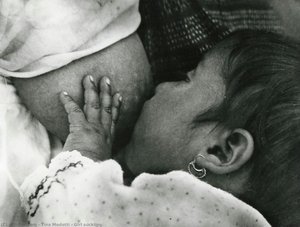
Girl suckling. (1928) (1889) -ja Tina Modotti

Girl suckling.

1928 · Black and White Photography

In "Girl suckling." by Tina Modotti, a poignant and intimate scene unfolds between a mother and child. The subject matter captures a tender moment of breastfeeding, rendered through a close-up perspective that places the viewer in immediate proximity to the subjects. The composition is tightly framed, focusing entirely on the physical interaction between the two figures. The child’s hand, reaching toward the mother’s chest, dominates the foreground, establishing a sense…

4
Tehuana with jicalpextle (stick bottom). (1928) (1889) -ja Tina Modotti

Tehuana with jicalpextle (stick bottom).

1928 · Black and White Photography

A woman stands in the center of the frame, her figure commanding the space with a quiet, unyielding dignity. She is a Tehuana, draped in traditional attire that speaks of a specific life and a specific place. A small child clings to her, adding a layer of tenderness to her resolute posture. On her head, she balances a jicalpextle, its weight supported by a stick, a detail that anchors her…

5
Peasant rally with backs (1928) (1889) -ja Tina Modotti

Peasant rally with backs

1928 · Black and White Photography

In "Peasant rally with backs" by Tina Modotti, a dense crowd of figures presses together, filling the frame with a heavy, repetitive rhythm. The subjects, appearing as soldiers or laborers, are seen from behind, their identities submerged into a singular, massive presence. Wide-brimmed hats form a rhythmic pattern of dark circles across the composition, creating a landscape of overlapping shapes. This arrangement produces an overwhelmingly chaotic texture, where individual forms…

6
Telegraph wires (1889) -ja Tina Modotti

Telegraph wires

Painting

We are looking at Telegraph wires, a work by the artist Tina Modotti. This particular piece is a black and white photograph of a painting. It is also known by the title Telephone Wires, Mexico (about 1925).

7
Roses, Mexico (1889) -ja Tina Modotti

Roses, Mexico

Photography

The painting titled Roses, Mexico emerges from the creative vision of Tina Modotti. This work captures a quiet moment of stillness through a bouquet of roses. The arrangement rests before us, its petals overlapping in a delicate dance of form and shadow. It is a study of nature that finds a profound presence in the simplest of subjects.

8
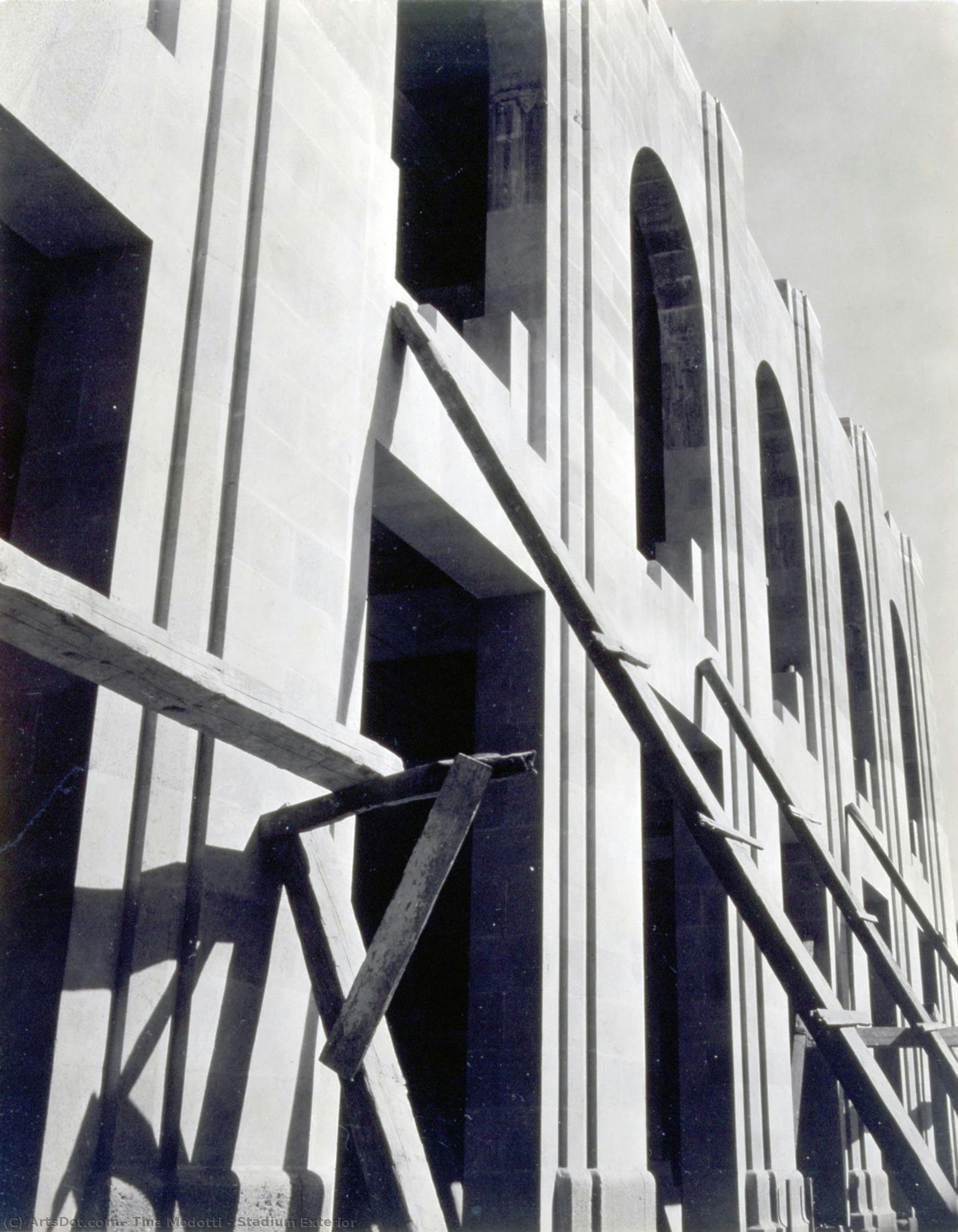
Stadium Exterior (1927) (1889) -ja Tina Modotti

Stadium Exterior

1927 · Digital Photography · Nagoya City Art Museum, Nagoya

Tina Modotti’s “Stadium Exterior,” captured in 1927, is more than just a photograph of an under-construction stadium; it's a powerful meditation on human ambition, the relentless march of progress, and the inherent ephemerality of monumental structures. Executed in stark black and white, this image reveals Modotti’s masterful command of documentary photography and her keen eye for capturing not just visual details but also deeper symbolic resonances. The photograph speaks to…

Tina Modotti híres festményei, 11 és 12 között

A témák, amelyek Tina Modotti figyelmét meghúzták

A négy leggyakorobban előforduló téma ebben az eredeti művekben, mindegyik a legkiválóbb példájával.

A műemlékek, amelyek Tina Modotti eredeti műveit őrzik

A 3 olyan múzeum, amely a legtöbb ezen az oldalon szereplő festményet őrzi.

Múzeum Város Tina Modotti művei Ebből a listából származó festmények
Nagoya City Art Museum, NagoyaNagoya City Art Museum Nagoya 2 Stadium Exterior, Aztec Baby
Amon Carter Museum of American Art, Fort WorthAmon Carter Museum of American Art Fort Worth 1 [Edward Weston]
George Eastman Múzeum, RochesterGeorge Eastman Múzeum Rochester 1 Woman of Tehuantepec

Tina Modotti évtizedek folyamán: az egyedi eredetiek

1924 és 1929 között, összesen 6 év alatt, Tina Modotti minden itt látható, dátummal ellátott eredetit alkotott: egy rövid időszak, év év után követve.

Művek évszáma szerint

Váasszon egy évet az eredetiek megtekintéséhez.

Tina Modotti festményei: kérdések a galériának

Mi a leghíresebb műve Tina Modottinek?Fedje fel a választ

[Edward Weston] (1924), Amon Carter Museum of American Art, Fort Worth. Ezután Woman of Tehuantepec (1929) és Girl suckling. (1928) következik.

Milyen életkorában alkotta meg Tina Modotti a(z) [Edward Weston] műszt?Fedje fel a választ

28 éves: [Edward Weston] 1924-ből származik, Tina Modotti pedig 1896-ben született.

Melyik tíz festménye Tina Modotti a leghíresebb?Fedje fel a választ

[Edward Weston], Woman of Tehuantepec, Girl suckling., Tehuana with jicalpextle (stick bottom)., Peasant rally with backs, Telegraph wires, Roses, Mexico, Stadium Exterior, Mother and Child, Tehuantepec, Oaxaca, Mexico és Elegance and poverty. A fenti rangsor a művek évszamarát és a múzeumát jelzi.

Hány mű alkotása ismert Tina Modotti nevében?Fedje fel a választ

Katalógusunkban 18 mű található Tina Modotti alkotótól, 1924 és 1929 év közötti időszakból.

Hol tekinthetők meg a leghíresebb Tina Modotti eredetijeit?Fedje fel a választ

Leginkább Nagoya City Art Museum (Nagoya), Amon Carter Museum of American Art (Fort Worth) és George Eastman Múzeum (Rochester) található. A fenti múzeumi táblázatban mindegyik felsorolásra került.

Melyik időszakban alkotta Tina Modotti a leghíresebb festményeit?Fedje fel a választ

1928 alatt: a jelen laphonon található 12 műből 4 készült ebben az időszakban, köztük Girl suckling..

Melyik híres Tina Modotti festmény a legkorábbi, és melyik a legutóbb készült?Fedje fel a választ

Ezen az oldalon a leghitelesebb [Edward Weston] (1924), a legutóbbi pedig Woman of Tehuantepec (1929).

Milyen témakörket kedvelt Tina Modotti?Fedje fel a választ

Black and white (3), Portraiture (2) és Child (2), a jelen oldalon található 12 műművészeti alkotás között.

Milyen anyagokkal festett leggyakrabban Tina Modotti?Fedje fel a választ

Black and White Photography, a jelen oldalon található 12 műből 4 darab esetén.

Mely művészeti irányba tartozik Tina Modotti műve?Fedje fel a választ

Documentary photography, ezen az oldalon található eredetiek alapján.

Milyen Tina Modotti eredeti műveket láthatok a Nagoya City Art Museum kiállításaiban?Fedje fel a választ

Stadium Exterior és Aztec Baby: a Nagoya City Art Museum, Nagoya 2 művet őrzi ezen az oldalon.

Tina Modotti: a művész portréja

A Life Forged in Light and Revolution

Assunta Adelaide Luigia Modotti Mondini, a name forever intertwined with the spirit of revolution and artistic innovation, was a figure whose life mirrored the turbulent currents of the 20th century. Born in Udine, Italy, in 1896, her early years were far from idyllic; she experienced the hardships of migrant labor alongside her family as they navigated the economic realities of post-war Europe, moving between Italy and Austria seeking work. This itinerant upbringing instilled within her a profound empathy for social disparities—a seed that would blossom into an unwavering commitment to justice and a powerful voice for the marginalized. Even at a young age, she was exposed to the world of photography through her uncle Pietro Modotti’s studio, an experience that ignited a quiet passion, a fascination with capturing moments and revealing truths, which would ultimately define much of her creative journey. In 1913, at just sixteen years old, Tina bravely embarked on a new chapter, emigrating to San Francisco, California, alongside her father and sister Mercedes, seeking opportunity in a burgeoning American landscape. This move wasn’t merely a geographical shift; it represented the beginning of a lifelong exploration of identity, purpose, and the transformative power of art.

From Stage Lights to Photographic Shadows

San Francisco quickly became Tina Modotti's initial proving ground for artistic expression. She plunged headfirst into the vibrant performing arts scene, captivating audiences with her appearances in plays, operas, and even early silent films. This foray into acting honed her innate understanding of visual storytelling—how to command attention, convey emotion through gesture and expression, and craft a compelling persona. It was during this period that she met Roubaix “Robo” de l'Abrie Richey, an artist and poet whose shared creative sensibilities ignited a passionate romance. Their combined artistic vision led them to Los Angeles, where Tina continued to pursue acting while simultaneously dedicating herself to formal studies in photography under the tutelage of Edward Weston and Margrethe Mather. Weston’s influence was particularly profound; he instilled within her a rigorous dedication to sharp focus, precise composition, and an appreciation for the inherent beauty found in form—a philosophy that would become central to her photographic style. However, Modotti's artistic journey wasn't simply about absorbing techniques; she possessed an innate vision, a unique ability to imbue her images with meaning and social commentary. The tragic loss of Robo and her father in 1922 proved a pivotal moment, prompting a move with Weston to Mexico City—a decision that would irrevocably alter the course of her life and artistic expression.

Mexico: A Crucible of Art and Activism

Mexico City became more than just a new home for Tina Modotti; it was a crucible where her artistic talent fused with an unwavering commitment to political activism. Immersing herself in Mexican culture, she quickly aligned herself with the burgeoning Communist movement and joined International Red Aid, dedicating herself tirelessly to the cause of social justice. This passionate engagement profoundly shaped her photographic work, shifting its focus from purely aesthetic considerations to a powerful form of documentary realism—a means of bearing witness to the struggles of ordinary people. She began documenting the lives of workers, peasants, indigenous communities, and the burgeoning murals of artists like Diego Rivera and José Clemente Orozco, capturing their resilience, dignity, and the complexities of Mexican society undergoing profound transformation. Her photographs weren’t merely observations; they were deliberate statements—visual manifestos advocating for change and challenging existing power structures. Modotti's style during this period was characterized by its stark clarity, dramatic lighting, and an unflinching gaze that confronted viewers with the realities of poverty, exploitation, and social inequality. She embraced a bold aesthetic, often utilizing black-and-white photography to amplify the emotional impact of her subjects.

Key Works & Influence

Tina Modotti’s artistic legacy extends far beyond the striking beauty of her photographs; it lies in her ability to seamlessly blend modernist aesthetics with documentary realism and social commentary. Her portraits weren't simply likenesses; they were intimate explorations of character, revealing the strength, vulnerability, and humanity of her subjects—often those most marginalized by society. Notable works include:
  • Peasant Rally with Backs (1928): A powerful depiction of collective identity during wartime, showcasing Modotti’s mastery of composition and grayscale tones to convey a sense of both unity and underlying tension.
  • Mother and Child, Tehuantepec, Oaxaca, Mexico (c. 1929): An intimate portrait capturing the tenderness and strength of motherhood within a specific cultural context—a testament to her ability to capture authentic human emotion.
  • Roses, Mexico (c. 1925-1930): A striking close-up study of roses, demonstrating Modotti’s ability to find beauty and symbolism in the mundane, elevating an everyday subject to a profound meditation on life and mortality.
  • Woman of Tehuantepec (1929): An iconic image celebrating the traditional dress and cultural identity of women from Tehuantepec, Oaxaca—a powerful assertion of female strength and resilience.
Modotti’s influence resonates deeply within contemporary photography, inspiring generations of artists to use their work as a tool for social change and documentary storytelling. Her legacy serves as a potent reminder that art can be more than just an aesthetic pursuit; it can be a catalyst for awareness, a challenge to injustice, and a source of hope.

A Legacy of Vision and Commitment

Tina Modotti’s untimely death in Mexico City in 1942, under circumstances shrouded in mystery—widely believed to be the result of poisoning—cut short a promising career but could not diminish the power or enduring relevance of her vision. Her photographs continue to resonate today, reminding us of the importance of bearing witness, challenging injustice, and using art as a force for positive change. She remains an iconic figure in the history of photography, a testament to the transformative potential of artistic expression when coupled with unwavering commitment to social justice.