Stephan Lochner portréja

Stephan Lochner festményei: A 36 leghíresebb alkotás, egy galéria szemével

Frissítve: november 2026 · rangsorolva népszerűségi pontszámunk alapján (minden mű keresései, látogatásai és megrendelései alapján) · 36 mű Stephan Lochner alkotása a katalógusunkban

Röviden

A galéria szerint Stephan Lochner leghíresebb festménye a Madonna of the Rose Bush (1440), amelynek eredeti példája a Wallraf-Richartz Múzeum múzeumában található, Köln városában. The Last Judgment (1435) és The Crucifixion (1440) kiegészítik azt a triót, amelyet minden szem felismer. A katalógusunkban szereplő 36 művész Stephan Lochner alkotásából a galéria az alábbi 36 leghíresebbet mutatja be, amelyek mind egyedi originális művek, a készítés évszámával, a múzeum megnevezésével és a különlegességük leírásával.

1410 – 1451, Meersburg International gothic A legtöbb mű: Städel Múzeum

A galéria top 10 Stephan Lochner festménye

1
Madonna of the Rose Bush (1440) (1889) -ja Stephan Lochner

Madonna of the Rose Bush

1440 · Oil On Panel · Wallraf-Richartz Múzeum, Köln

Stephan Lochner's Madonna of the Rose Bush, painted around 1440 in Cologne, Germany, isn’t merely a depiction of the Virgin Mary; it’s an immersive experience—a carefully constructed world brimming with symbolism and echoing the profound spirituality of its time. This panel painting transcends simple religious iconography, offering a glimpse into the artistic sensibilities and cultural values of late medieval Europe. Lochner, a prominent figure in Cologne's art scene, masterfully blended…

2
The Last Judgment (1435) (1889) -ja Stephan Lochner

The Last Judgment

Stephan Lochner’s “The Last Judgment,” painted in 1435, isn't merely a depiction of biblical narrative; it’s a profound meditation on mortality, divine justice, and the eternal consequences of earthly actions. Emerging from the late Gothic period in Cologne, Germany, this monumental panel transcends its historical context to resonate with an enduring power—a testament to the artist’s skill and his ability to capture both the drama and the solemnity of humanity's…

3
The Crucifixion (1440) (1889) -ja Stephan Lochner

The Crucifixion

1440 · Oil On Canvas · Germanisches Nationalmuseum, Nürnberg

To stand before this depiction of The Crucifixion by Stephan Lochner is to be enveloped in an atmosphere of profound, almost unbearable solemnity. It is not merely a historical recounting; it is a visceral confrontation with sacrifice. At the heart of the composition, Christ hangs upon the cross, his outstretched arms forming a powerful, tragic geometry against the backdrop of human grief and divine mystery. The scene pulses with narrative…

4
Mary Magdalen (1400) (1889) -ja Stephan Lochner

Mary Magdalen

1400 · Tempera On Panel · Museum Boijmans Van Beuningen, Rotterdam

This painting, titled Mary Magdalen, is a religious work by the German master Stefan Lochner. It offers a quiet study of the saint, rendered with the delicate precision characteristic of the late International Gothic period. The subject is presented in a moment of contemplative grace, her presence defined by a sense of stillness and devotion.

5
The Virgin Crowned by Angels (1450) (1889) -ja Stephan Lochner

The Virgin Crowned by Angels

1450 · Tempera On Panel · Cleveland Museum of Art, Cleveland

In this sacred scene, The Virgin Crowned by Angels emerges from the quietude of the mid-fifteenth century. Painted by Stefan Lochner about 1450, the work presents a moment of profound religious devotion. The Virgin Mary stands as the central figure, cradling the Christ Child in a gesture of maternal grace. This depiction of the Madonna and Child invites the viewer into a space of quiet contemplation and spiritual presence.

6
Mary with the Christ-child next to a plant trough (1440) (1889) -ja Stephan Lochner

Mary with the Christ-child next to a plant trough

The painting titled Mary with the Christ-child next to a plant trough is a work by Stefan Lochner. Created about 1440, this devotional piece captures a quiet moment of divinity. The central figures of the Madonna and Child are framed by a lush, green garden setting. Small flowers emerge from the earth near a plant trough, grounding the celestial scene in a tangible, botanical reality.

7
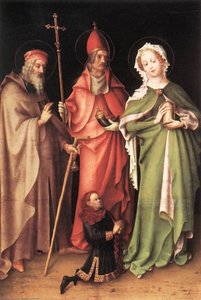
Sts. Catherine, Hubert and Quirinus (Last-Judgement-Altar) (1445) (1889) -ja Stephan Lochner

Sts. Catherine, Hubert and Quirinus (Last-Judgement-Altar)

1445 · Oil On Panel · Bavári Állami Festırménygyűjtemények, Munchen

The presence of Sts. Catherine, Hubert and Quirinus (Last-Judgement-Altar) commands the space, a solemn Late Gothic altarpiece panel that emerges from the shadows of history. Painted by Stefan Lochner, this work carries the weight of a sacred vision. It dates to 1445, capturing a moment of profound spiritual stillness. The figures exist within a realm of deep color and intense devotion, frozen in a state of eternal grace.

8
John the Evangelist (1440) (1889) -ja Stephan Lochner

John the Evangelist

1440 · Tempera On Panel · Museum Boijmans Van Beuningen, Rotterdam

This painting depicts John the Evangelist, a work executed by the artist Stefan Lochner. The subject is rendered in a profile or three-quarter view, oriented toward the right side of the panel. He is shown holding a chalice within his hands. The figure is positioned against a solid gold background that occupies the majority of the space behind the subject.

9
Saints Ambrose, Cecilia and Augustine (1447) (1889) -ja Stephan Lochner

Saints Ambrose, Cecilia and Augustine

1447 · Tempera On Panel · Wallraf-Richartz Múzeum, Köln

In this late Gothic religious altarpiece panel, the figures of Saints Ambrose, Cecilia and Augustine emerge from a shallow architectural space. Painted by Stefan Lochner, the work captures a moment of divine presence through its formal and symmetrical arrangement. The three saints dominate the frame, their presence felt through the heavy, sculptural folds of their drapery and the steady gaze of their faces. A smaller donor figure kneels in the…

Stephan Lochner festményei, 11. helyezéstől 36. helyezésig

11Sts Anthony the Hermit, Cornelius and Mary Magdalen with a Donor (1445) (1889) -ja Stephan LochnerSts Anthony the Hermit, Cornelius and Mary Magdalen with a Donor1445 · Alte Pinakothek 12Martyrdom of the Twelve Apostles (Altarpiece for the Church of the Holy Apostles in Cologne, left wing) (1435) (1889) -ja Stephan LochnerMartyrdom of the Twelve Apostles (Altarpiece for the Church of the Holy Apostles in Cologne, left wing)1435 · Städel Múzeum 13Martyrdom of the Apostles: Martyrdom of Saint Thomas (1889) -ja Stephan LochnerMartyrdom of the Apostles: Martyrdom of Saint ThomasStädel Múzeum 14Martyrdom of the Apostles: Martyrdom of Saint Philip (1889) -ja Stephan LochnerMartyrdom of the Apostles: Martyrdom of Saint PhilipStädel Múzeum 15Martyrdom of the Apostles: Martyrdom of Saint Peter (1889) -ja Stephan LochnerMartyrdom of the Apostles: Martyrdom of Saint PeterStädel Múzeum 16Martyrdom of the Apostles: Martyrdom of St Paul (1889) -ja Stephan LochnerMartyrdom of the Apostles: Martyrdom of St PaulStädel Múzeum 17Martyrdom of the Apostles: Martyrdom of Saint Matthias (1889) -ja Stephan LochnerMartyrdom of the Apostles: Martyrdom of Saint MatthiasStädel Múzeum 18Martyrdom of the Apostles: Martyrdom of Saint Matthew (1889) -ja Stephan LochnerMartyrdom of the Apostles: Martyrdom of Saint MatthewStädel Múzeum 19Martyrdom of the Apostles: Martyrdom of Saint James the Younger (1889) -ja Stephan LochnerMartyrdom of the Apostles: Martyrdom of Saint James the YoungerStädel Múzeum 20Martyrdom of the Apostles: Martyrdom of St James the Elder (1889) -ja Stephan LochnerMartyrdom of the Apostles: Martyrdom of St James the ElderStädel Múzeum 21Martyrdom of the Apostles: Martyrdom of Saint Bartholomew (1889) -ja Stephan LochnerMartyrdom of the Apostles: Martyrdom of Saint BartholomewStädel Múzeum 22Martyrdom of the Apostles: Martyrdom of Saint Andrew (1889) -ja Stephan LochnerMartyrdom of the Apostles: Martyrdom of Saint AndrewStädel Múzeum 23Martyrdom of the Apostles: Martyrdom of Saints Simon and Judas (1889) -ja Stephan LochnerMartyrdom of the Apostles: Martyrdom of Saints Simon and JudasStädel Múzeum 24Presentation of Christ in the Temple (detail) (1889) -ja Stephan LochnerPresentation of Christ in the Temple (detail) 25Presentation of Christ in the Temple (detail) (1889) -ja Stephan LochnerPresentation of Christ in the Temple (detail) 26Hl. Ursula Mit Gefährten (The Dombild Altarpiece, left wing) (1445) (1889) -ja Stephan LochnerHl. Ursula Mit Gefährten (The Dombild Altarpiece, left wing)1445 27Adoration of the Magi (The Dombild Altarpiece, central part) (1445) (1889) -ja Stephan LochnerAdoration of the Magi (The Dombild Altarpiece, central part)1445 28Altarpiece of the Patron Saints of Cologne (1889) -ja Stephan LochnerAltarpiece of the Patron Saints of Cologne 29Triptych with the Virgin and Child in an Enclosed garden (1889) -ja Stephan LochnerTriptych with the Virgin and Child in an Enclosed garden 30Adoration of the Magi (1889) -ja Stephan LochnerAdoration of the Magi 31Presentation of Christ in the Temple (1889) -ja Stephan LochnerPresentation of Christ in the Temple 32Three saints (1889) -ja Stephan LochnerThree saintsNational Gallery 33St. Jerome in His Study (1889) -ja Stephan LochnerSt. Jerome in His Study 34Annunciation (1440) (1889) -ja Stephan LochnerAnnunciation1440 35Presentation of Christ in the Temple (1445) (1889) -ja Stephan LochnerPresentation of Christ in the Temple1445 · Calouste Gulbenkian Foundation 36Adoration of the Child Jesus (1445) (1889) -ja Stephan LochnerAdoration of the Child Jesus1445 · Alte Pinakothek

Stephan Lochner híres festményei, korszakonként

A témák, amelyek Stephan Lochner figyelmét meghúzták

A négy leggyakorobban előforduló téma ebben az eredeti művekben, mindegyik a legkiválóbb példájával.

A műemlékek, amelyek Stephan Lochner eredeti műveit őrzik

A 8 olyan múzeum, amely a legtöbb ezen az oldalon szereplő festményet őrzi.

Múzeum Város Stephan Lochner művei Ebből a listából származó festmények
Städel Múzeum, FrankfurtStädel Múzeum Frankfurt 12 Martyrdom of the Twelve Apostles (Altarpiece for the Church of the Holy Apostles in Cologne, left wing), Martyrdom of the Apostles: Martyrdom of Saint Thomas, Martyrdom of the Apostles: Martyrdom of Saint Philip
Wallraf-Richartz Múzeum, KölnWallraf-Richartz Múzeum Köln 4 Madonna of the Rose Bush, The Last Judgment, Saints Ambrose, Cecilia and Augustine
Museum Boijmans Van Beuningen, RotterdamMuseum Boijmans Van Beuningen Rotterdam 2 Mary Magdalen, John the Evangelist
Bavári Állami Festırménygyűjtemények, MunchenBavári Állami Festırménygyűjtemények Munchen 2 Mary with the Christ-child next to a plant trough, Sts. Catherine, Hubert and Quirinus (Last-Judgement-Altar)
Alte Pinakothek, MünchenAlte Pinakothek München 2 Sts Anthony the Hermit, Cornelius and Mary Magdalen with a Donor, Adoration of the Child Jesus
Germanisches Nationalmuseum, NürnbergGermanisches Nationalmuseum Nürnberg 1 The Crucifixion
Cleveland Museum of Art, ClevelandCleveland Museum of Art Cleveland 1 The Virgin Crowned by Angels
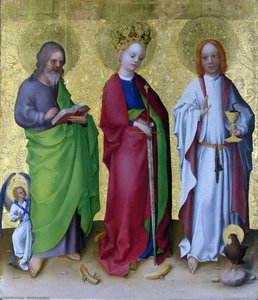
National Gallery, LondonNational Gallery London 1 Three saints

Stephan Lochner, egy aláírott festmény évtizedenként

Művek évtizedenként

Váassz ki egy évtizedet, hogy megnézhesd az azt meghatározó eredetiműveket.

Stephan Lochner festményei: a galéria válaszai

Melyik Stephan Lochner festmény a leghíresebb?Fedje fel a választ

Madonna of the Rose Bush (1440), Wallraf-Richartz Múzeum, Köln. Ezután The Last Judgment (1435) és The Crucifixion (1440) következik.

Hány éves volt Stephan Lochner, amikor elkészítette a(t): Madonna of the Rose Bush?Fedje fel a választ

30 éves: Madonna of the Rose Bush 1440-ből származik, Stephan Lochner pedig 1410-ben született.

Melyek Stephan Lochner top 10 festménye?Fedje fel a választ

Madonna of the Rose Bush, The Last Judgment, The Crucifixion, Mary Magdalen, The Virgin Crowned by Angels, Mary with the Christ-child next to a plant trough, Sts. Catherine, Hubert and Quirinus (Last-Judgement-Altar), John the Evangelist, Saints Ambrose, Cecilia and Augustine és Sts Mark, Barbara and Luke. A fenti rangsor a művek évszamarát és a múzeumát jelzi.

Hány műve született Stephan Lochner nevére?Fedje fel a választ

Katalógusunkban 36 mű található Stephan Lochner alkotótól, 1435 és 1450 év közötti időszakból.

Hol találhatóak Stephan Lochner leghíresebb eredeti művei?Fedje fel a választ

Leginkább Städel Múzeum (Frankfurt), Wallraf-Richartz Múzeum (Köln) és Museum Boijmans Van Beuningen (Rotterdam) található. A fenti múzeumi táblázatban mindegyik felsorolásra került.

Mikor festette Stephan Lochner le leghíresebb műveit?Fedje fel a választ

1440s alatt: a jelen laphonon található 36 műből 13 készült ebben az időszakban, köztük Madonna of the Rose Bush.

Melyek Stephan Lochner legkorábbi és legutóbbi híres művei?Fedje fel a választ

Ezen az oldalon a leghitelesebb The Last Judgment (1435), a legutóbbi pedig The Virgin Crowned by Angels (1450).

Mely témakörökkel foglaltaszkodott a legtöbbször Stephan Lochner?Fedje fel a választ

Saints (4), Medieval art (3) és Religious art (3), a jelen oldalon található 36 műművészeti alkotás között.

Melyik technikával foglalt leginkább Stephan Lochner?Fedje fel a választ

Tempera On Panel, a jelen oldalon található 36 műből 5 darab esetén.

Mely művészeti irányhoz tartozik Stephan Lochner?Fedje fel a választ

International gothic és Late gothic, ezen az oldalon található eredetiek alapján.

Mely Stephan Lochner eredeti műveit őrzi a Städel Múzeum?Fedje fel a választ

Martyrdom of the Twelve Apostles (Altarpiece for the Church of the Holy Apostles in Cologne, left wing), Martyrdom of the Apostles: Martyrdom of Saint Thomas és Martyrdom of the Apostles: Martyrdom of Saint Philip: a Städel Múzeum, Frankfurt 12 művet őrzi ezen az oldalon.

Stephan Lochner: a művész

Stephan Lochner: A híd a gótikus pompás és a északi reneszánsz innováció között

Stephan Lochner élete körülbelül 1410-ben, Németország festői Meersburgs városában indult, egy olyan helyen, amely tele van legendákkal és a csodálatos Bodensee öljét körül fűződött. Művész életútja azonban tragédiában, Kölnben szakadt meg 1451 körül. Rövid pályája ellenére ez az enigmatikus festő maradandót hagyott a művészet történetében, ügyesen ötvözve a nemzetközi gótika opulens hagyományait az északi reneszánsz korai szakaszának jellemző, fejlődő realizmusával és innovatív ikonográfiájával. Lochner öröksége nemcsak egyedi műveinek szépségében rejlik, hanem abban a mély hatásában is, amelyet a következő művészgenerációk körében gyakorolt, különösen Rogier van der Szarden és Hans Memling esetében – festők, akik stílusának meghatározó elemeit vitték tovább.

Lochner korai életéről kevés egyértelmű információ áll rendelkezésre. Művésztörténelmi konszenzus szerint kialakuló éveit a Nyersen Landokban töltötte mint tanítvány, ami alapvetően meghatározta művészeti érzékét. A flamandi festészetben jelenleg lévő vibráló színek, az aprólék részletgazdag kidolgozás és az evolving ikonográfia tapasztalata kétségtelenül befolyásolta kompozíciós megközelítését, színpalettáját és a vallási figurák ábrázolását. Ezt a nemzetközi érintettséget tartják kulcsfontosságú tényezőnek művészetének egyedülálló stílusegységében.

A színek és textúrák mestere: Művészeti stílus és meghatározó alkotások

Lochner festményei azonnal felismerhetőek lenyűgöző színhasználatukról, dinamikus, hosszú vonalaikról és rendkívül virtuóz felületi textúráikról. Kerülte az korábbi gótikus művészethez gyakran társított fakó tónusokat, helyette fényesebb, ragyogóbb palettát adot át – egy olyan jellemzővel, amely határozottan a megjelenő reneszánsz esztétikába sorolja. Műveiben gyakran találkozhatunk gazdag vörös, kék és arany színekkel, amelyeket a fény és az árnyék mesteri szintű ismeretével alkalmazott a mélység és a dráma érzékének megteremtésére.

Legünnepeltebb alkotása közé tartozik a „Szent Mária a rózsabukán” (51 x 40 cm, Wallraf-Richartz Museum, Köln), egy olyan remekmű, amely Lochner technikai tudásának és kifejező erejének példája. A festmény bemutatja képességét, hogy vallási témákat szinte érezhető érzelmi mélységgel és spiritualitással töltsön meg. A „Szent Jeromos a tanulmányteremben” (30 x 39 cm, olaj a panelen) tovább bizonyítja képességét a témái lényegének megörökítésére – egy csendes kontemplációt ábrázolva lenyűgöző részletességgel és pszichológiai élességgel. A „Három Szent”, amely egy eleganciával és méltósággal teli összetett kompozíció, kiemeli Lochner képességét, hogy egyetlen kereten belül több figurát is ábrázoljon, dinamikus és magával ragadó vizuális narratívát alkotva.

Egy másik jelentős alkotása a „Dombild oltár”(vagy Kölner Dombbild), amelyet eredetileg a kölni székesegyház számára készítettek. Ez a monumentális triptych, amely ma már az egyház Marienkapelle nevű kápolnájában található, művészetének egyik legfontosabb példája és alkotói víziója bizonyítéka. Az oltár aprmány részletei, vibráló színei és szimbolikus képi világa ma is lenyűgöző tekinteteket vonz.

Hatás és örökség: Egy híd a stílusok között

Stephan Lochner hatása az északi művészek későbbi generációira jelentős volt. Különleges stílusa – amelyet folytonos vonalak, ragyogó színek és az érzelmi kifejezés hangsúlyozása jellemez – mélyen rezonált kortársai körében, arra inspirálva őket, hogy saját munkáikba integrálják módszereinek elemeit. Rogier van der Weyden esetében különösen megfigyelhető Lochner színhasználatának és kompozíciójának mély hatása, mí Während Hans Memling hasonlóan alkalmazott stílusa elemeit devóciós tábláiban.

A „Dombild oltár” különösen meggyőző példája Lochner hatásának. Innovatív megközelítése a vallási narratívák ábrázolásában – ötvözve a gótikus eleganciát a megjelenő reneszánsz realizmusmal – utat nyitott az európai festészet későbbi fejlődései előtt. Az oltár bonyolult részletei és szimbolikus képei modellként szolgáltak számtalan utódjuk számára, megszilárdítva Lochner helyét a késő gótikus és a korai reneszánsz művészet közötti átmenet kulcsfontosságú alakjaként.

Múzeumi gyűjtemények és a folyamatos csodálat

Lochner műveit világszerte számos neves múzeum őrzi kincsként. A kölni Wallraf-Richartz Museum albergazza a „Szent Mária a rózsabukán” festményt, lehetőséget adva a látogatóknak, hogy személyesen is találkozzanak ezzel az ikonikus alkotással. A frankfurti Städel Múzeum bemutatja a „Flémalle-táblákat” (68 x 160 cm, tölgy), kiemelve Lochner panelfestészet iránti mesteri tudását és képességét a részletgazdag, szimbolikus kompozíciók létrehozására. Ezen főbb intézményeken túl műveinek fragmentumai különféle gyűjteményekben megtalálhatóak, biztosítva, hogy művészeti öröksége a művészrajongók körében világszerte továbbra is méltán tisztelt legyen.
Napjainkban Stephan Lochner festményeit szépségükért, technikai tudásukért és mély érzelmi erejükért ünneplik. Képes volt zökkenőmentesen ötvözni a nemzetközi gótika hagyományait az északi reneszánsz korai innovációival, ezzel is biztosítva helyét egy igazán kivételes művészként – egy mesterként, aki két különálló művészeti korszak közötti hídként szolgált, és maradandó örökséget hagyott a művészet világára.